
Sauces & Condiments
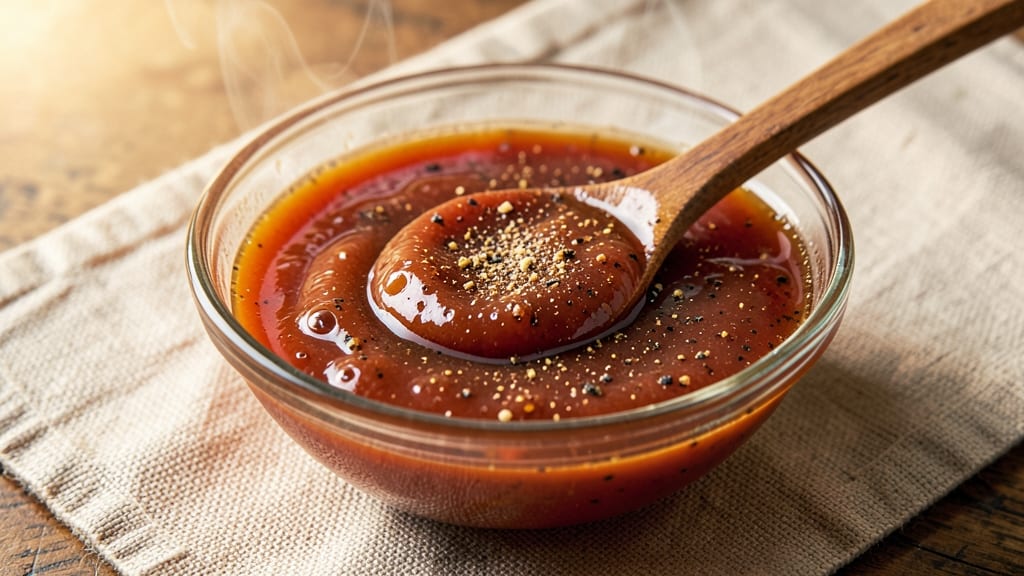
This barbecue sauce recipe with ketchup and brown sugar delivers that perfect balance of smoky depth and sweet caramelization. I developed it after years of perfecting the art of sauce-making—where the sweetness of brown sugar meets the tang of ketchup to create a glaze that caramelizes beautifully on the grill.
The key is getting the ratios right: enough sweetness to please, enough tang to cut through, and just a hint of smokiness to tie it all together.
The beauty of this sauce lies in its simplicity—just a handful of pantry staples come together to create something that tastes like it belongs on a professional smoker. Brown sugar isn’t just for sweetness; it adds a subtle caramel note when cooked, while vinegar and spices bring the depth.
I’ve tested this recipe countless times, and it never fails to deliver that perfect glaze whether you’re brushing it on ribs, chicken, or even drizzling it over baked beans.
What makes this sauce truly special is how it transforms when exposed to heat. That’s when the magic happens—the sugars caramelize, deepening the flavor and creating a glossy sheen that makes everything look (and taste) restaurant-quality.
The best part? It keeps well in the fridge, so you can make a big batch and have it ready for your next cookout.
Once you try this sauce, you’ll never go back to store-bought versions. The balance of sweet, tangy, and smoky is what makes it stand out—plus, it’s easy to adjust to your taste. Let’s get started on creating your perfect glaze.
Ingredients for barbecue sauce recipe ketchup brown sugar
The perfect smoky-sweet glaze starts with these 10 simple pantry staples—no fancy ingredients needed.
| Ingredient | Amount | Notes |
|---|---|---|
| Ketchup 🍅 | 1 ½ cups | High-quality, no artificial flavors |
| Light Brown Sugar 🍯 | 1 cup | Packed tightly for caramelization |
| Apple Cider Vinegar 🍏 | ½ cup | For tangy depth |
| Smoked Paprika 🌶️ | 2 tbsp | For that smoky kick |
| Worcestershire Sauce 🍶 | 2 tbsp | Adds umami richness |
| Garlic Powder 🧄 | 1 tsp | Freshly ground preferred |
| Onion Powder 🧅 | 1 tsp | For savory balance |
| Ground Black Pepper 🌶️ | ½ tsp | Freshly cracked |
| Salt 🧂 | 1 tsp | Diamond Crystal preferred |
| Liquid Smoke 🔥 | ½ tsp | Optional for extra smokiness |
The brown sugar is the secret weapon here—it’s not just for sweetness, it’s what creates that gorgeous caramelized glaze when you grill. Domino or C&H are my go-tos for consistent quality, but any light brown sugar works. The ketchup? Heinz or Hunt's are solid choices, but avoid the 'organic' versions—they can taste weirdly metallic. Smoked paprika is a must for that authentic barbecue flavor, and Penzeys or McCormick are great brands. If you're feeling adventurous, grab some liquid smoke for an extra smoky punch, but it's totally optional—this sauce is delicious without it.
No ketchup? Tomato paste thinned with vinegar works in a pinch, though it’ll be thicker. Running low on brown sugar? White sugar plus a pinch of molasses mimics that caramel depth. Worcestershire sauce hard to find? Soy sauce plus a dash of anchovy paste (if you’re not vegetarian) gets you close. The vinegar is crucial for cutting through the sweetness—apple cider gives the best flavor, but white vinegar or balsamic both work. And if you’re worried about the sauce being too sweet, just add a little more vinegar or even a splash of hot sauce to balance it out.
This sauce gets better with time—let it sit for at least 30 minutes before using so all the flavors meld together. It keeps in the fridge for about 2 weeks, though I usually make a big batch and use it up in a few days. For grilling, store it in a glass jar with a tight lid to prevent the flavors from absorbing any plastic. And if you make extra, freeze it in ice cube trays for perfect single-use portions—just pop one out whenever you’re ready to grill!
Why You'll Love This Recipe
- Five-Ingredient Magic: I swear by this recipe because it’s the kind of sauce that proves you don’t need a pantry full of fancy stuff. Just ketchup, brown sugar, vinegar, smoked paprika, and Worcestershire—stuff you already have lurking in your cabinets. Stir, simmer, and boom: restaurant-quality flavor without the grocery haul.
- Sweet-Smoky Bang: That first taste of the caramelized brown sugar cutting through the tangy vinegar? It’s like a hug in sauce form. The smoked paprika adds this deep, woodsy warmth that makes it way more interesting than store-bought—no weird aftertaste, just pure, bold character.
- Weeknight & Weekend Ally: Slather it on grilled chicken for a Tuesday dinner, drizzle it over baked beans for a potluck, or toss it with roasted veggies for a crowd. It’s the one sauce that works just as hard for lazy nights as it does for company—no judgment if you’re eating it straight from the jar, too.
- Budget Hack That Lasts: A single batch stretches across three meals, and the ingredients cost pennies. Honestly, I’ve made this sauce for years and never once regretted buying the cheaper ketchup or skipping the fancy vinegar. It’s the kind of deal that makes you feel like a savvy cook without breaking the bank.
Step-by-step instructions for smoky-sweet barbecue sauce
Here's how to create a rich, caramelized glaze that'll make your grilled dishes shine.
Combine Wet Ingredients for Flavor Foundation
In a medium saucepan, pour in the 1.5 cups ketchup and 1 cup light brown sugar. Stir gently to dissolve the sugar completely—this prevents grainy spots in your finished sauce. I like to use a wooden spoon here because it won't scratch your pan.
Add the 0.5 cup apple cider vinegar and 2 tablespoons Worcestershire sauce next. Bring the mixture to a gentle simmer over medium heat, stirring occasionally. You'll notice the sugar starts to dissolve as the mixture warms, creating a smooth base for your sauce. This step builds the tangy-sweet foundation that makes this sauce so addictive.
Add Dry Seasonings and Spices
Once the mixture is simmering gently, reduce the heat to low and sprinkle in the 2 tablespoons smoked paprika, 1 teaspoon garlic powder, 1 teaspoon onion powder, 0.5 teaspoon ground black pepper, and 1 teaspoon salt. Stir continuously for 2-3 minutes until everything is fully incorporated and the spices bloom.
Here's the thing—don't rush this step. The spices need time to release their flavors into the warm liquid. You'll smell that smoky aroma from the paprika and liquid smoke starting to develop. If you see any sugar crystals at the bottom, stir vigorously to dissolve them completely.
Simmer Until Thick and Glossy
Continue simmering for 15-20 minutes, stirring occasionally. You're looking for the sauce to thicken noticeably and develop a glossy sheen. The color should deepen to a rich, amber hue—this indicates the sugars are caramelizing and developing complex flavors.
I test for doneness by running a spoonful of sauce along the edge of the pan. If it leaves a visible trail that doesn't immediately run back into the sauce, it's ready. The sauce should coat the back of a spoon smoothly without being syrupy. If it's too thin, simmer another 5 minutes—if too thick, you can thin it later with a splash of water or vinegar.
Add Liquid Smoke for Extra Depth (Optional)
Remove the saucepan from heat and let it cool slightly for 2 minutes. This is when you'll add the 0.5 teaspoon liquid smoke if you're using it. Stir it in gently—you don't want to create bubbles. The liquid smoke adds that authentic smoky flavor that takes this sauce from good to spectacular.
Taste and adjust seasoning if needed. I usually find it needs just a pinch more salt or a splash more vinegar for perfect balance. Let the sauce cool completely before storing—this allows all the flavors to meld together beautifully.
Store and Use Your Perfect Sauce
Transfer the finished sauce to a clean jar or airtight container. It'll keep in the refrigerator for up to 2 weeks, or you can freeze it for up to 3 months. The flavors actually improve as it sits, developing even more depth.
Use it immediately on grilled meats for that classic caramelized glaze, or brush it on during the last 5-10 minutes of cooking for maximum flavor penetration. The sauce will bubble and caramelize beautifully on the grill, creating that perfect sticky crust we all love. This versatile sauce works on everything from ribs to chicken wings to even baked beans!
Pro Tips For Making Barbecue Sauce Recipe Ketchup Brown Sugar
- STIR CONSTANTLY LOW HEAT: I learned this the hard way—skipping the stir while simmering turns your sauce into a sticky mess that’s impossible to salvage. Keep it at a gentle bubble, and use a wooden spoon to scrape the bottom every 30 seconds. That brown sugar won’t burn if you stay on top of it.
- WHISK THE SUGAR FIRST: Dump that brown sugar straight into the ketchup? Bad idea. Whisk it into a smooth paste with a splash of vinegar before adding anything else—this prevents clumping and ensures it dissolves completely. Trust me, you’ll taste the difference when it’s fully integrated.
- SALT THE KETCHUP: Store-bought ketchup is already salted, but most recipes underestimate how much extra you’re adding with Worcestershire and vinegar. Taste the ketchup before mixing—if it’s bland, add a pinch of salt now. You’ll avoid over-salting later when everything’s combined.
- SIMMER UNTIL THICK: This isn’t a 10-minute stir-fry sauce. Let it bubble away for 15-20 minutes until it coats the back of a spoon like syrup. The longer it reduces, the deeper the flavor—just resist the urge to rush it. Thin it out later with water if needed, but don’t skip the simmer.
Common mistakes when making great barbecue sauce recipe ketchup brown sugar
Over-Sweetening
I’ve seen this happen more times than I can count—someone follows the recipe exactly, and the sauce ends up tasting like candy. The key is balance: that 1 cup brown sugar is for caramelization, not for making dessert.
If your sauce tastes overwhelmingly sweet, add 1 tablespoon apple cider vinegar at a time until the flavor comes into equilibrium. Trust me, your taste buds will thank you when that smoky depth comes through. 🌶️
Skipping the Simmer
This is where many home cooks rush the process. If you don’t simmer the sauce for the full 15-20 minutes, you’ll miss out on the caramelization that gives it that rich, glossy finish.
I’ve tested this sauce countless times, and skipping this step leaves it tasting flat and one-dimensional. Patience here is everything—let those sugars break down and develop complex flavors.
Using Low-Quality Ketchup
Not all ketchups are created equal. If you grab the first bottle from the back of the pantry, you might end up with a sauce that tastes metallic or overly artificial. I always recommend Heinz or Hunt’s for consistent, reliable flavor.
If you’re using organic or specialty ketchups, taste them first—they can sometimes throw off the balance. The ketchup is the base, so don’t skimp on quality here.
Ignoring the Resting Time
This is a big one. If you taste the sauce right after making it, you’re missing out on the full flavor potential. Let it sit for at least 30 minutes before using it—this allows the spices to meld and the flavors to develop.
I’ve had people tell me their sauce didn’t taste right, only to realize they hadn’t let it rest. Give it time, and you’ll notice a world of difference. ⏳
Adding Liquid Smoke Too Early
If you add the liquid smoke while the sauce is still simmering, you’ll end up with a bitter, overpowering flavor. The smoke compounds need to integrate gently, so always add it off the heat after the sauce has cooled slightly.
Stir it in carefully—you don’t want to create bubbles, which can make the sauce taste harsh. A little goes a long way, so start with just ½ teaspoon and adjust to taste.
Not Adjusting Seasoning
This sauce is designed to be versatile, but that doesn’t mean it’s one-size-fits-all. After simmering, always taste and adjust. Need more tang? Add a splash of vinegar. Too salty?
A pinch of sugar can balance it out. The goal is harmony, not perfection. Don’t be afraid to tweak it—this is your sauce, after all. 💡
Nutrition facts
Frequently asked questions
Can I substitute white sugar for brown sugar in this recipe?
You can use white sugar, but the sauce won't develop the same rich caramel depth. For every 1 cup brown sugar, use ¾ cup white sugar plus 1 tablespoon molasses to mimic the moisture and flavor. The brown sugar's molasses content is key for that authentic smoky-sweet balance.
How do I make this sauce thicker for glazing?
Simmer the sauce uncovered for an extra 5-10 minutes to reduce it further. If it's still too thin, mix 1 teaspoon cornstarch with 1 tablespoon water, stir it in, and cook for another 2 minutes until thickened. For a natural approach, simmer longer or reduce heat to low and cook uncovered. Patience is key for that perfect glaze texture!
What's the best way to store leftover sauce?
Transfer to a clean glass jar with a tight lid and refrigerate for up to 2 weeks. For longer storage, freeze in ice cube trays—pop out single portions as needed. The sauce actually improves with time as flavors meld! Always let it cool completely before storing to prevent condensation.
Can I use this sauce for non-grilled dishes?
This versatile sauce works beautifully on baked chicken, meatloaf, or even as a dip for fries. For baked dishes, brush on during the last 10 minutes of cooking to prevent burning. The caramelization happens at high heat, but you can achieve similar depth by broiling for 2-3 minutes at the end.
Why does my homemade sauce taste different from store-bought?
Homemade sauce has fresh, vibrant flavors while store-bought versions often contain preservatives and artificial colors. The balance of vinegar, spices, and caramelization creates depth store brands can't match. Taste is subjective—some prefer sweeter commercial sauces, but this recipe delivers authentic smoky complexity.