
Sauces & Condiments
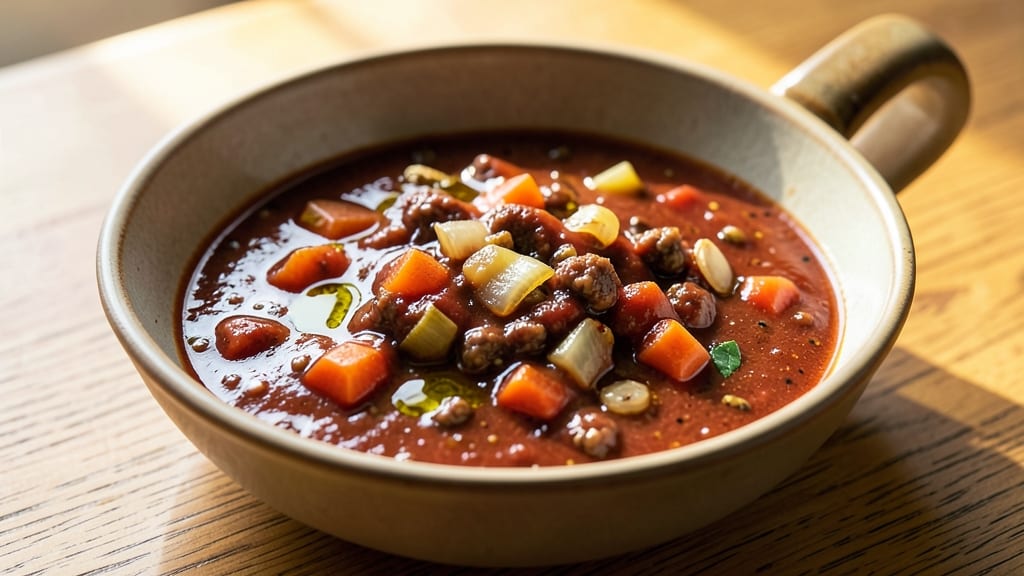
This Barilla Bolognese sauce recipe transforms simple ingredients into a rich, slow-simmered masterpiece that captures the heart of Italian tradition. The secret lies in patience—hours of gentle cooking develop deep meaty flavors and caramelized tomato richness that store-bought versions can't match.
I've refined this recipe over years to balance perfect texture and bold flavor, using quality ground beef and Barilla's signature pasta as the foundation.
The process begins with browning the meat for maximum flavor development, then deglazing the pan to capture every savory bit. A splash of red wine adds brightness, while tomatoes slowly reduce into a concentrated, velvety sauce.
This isn't just a sauce—it's a flavor experience that transforms any meal into something special. The key is letting it simmer low and slow, allowing all the ingredients to meld into perfect harmony.
What you'll end up with is a sauce that's rich yet balanced, with tender meat pieces suspended in a glossy, aromatic tomato base. It's the kind of sauce that tastes even better the next day as flavors deepen.
Perfect for serving over Barilla pasta or as a hearty sauce for meat dishes, this recipe delivers restaurant-quality results with minimal effort.
Store leftovers in the refrigerator for up to 5 days or freeze for months—making it ideal for meal prep. The flavors only improve with time, making this the ultimate sauce for busy weeknights or special occasions. Let's create this timeless Italian classic in your kitchen.
Ingredients for barilla bolognese sauce
Rich meaty flavors and velvety tomato depth start with these quality ingredients.
| Ingredient | Amount | Notes |
|---|---|---|
| Ground Beef 🥩 | 1 ½ lb | 80% lean for meatiness |
| Extra-Virgin Olive Oil 🫒 | 2 tbsp | High-quality, fruity variety |
| Yellow Onion 🧅 | 1 whole | Medium, finely chopped |
| Carrots 🥕 | 2 whole | Medium, peeled and diced |
| Celery Stalks 🧅 | 2 whole | Fresh, finely chopped |
| Garlic Cloves 🧄 | 4 cloves | Fresh, minced |
| Red Wine 🍷 | ½ cup | Bold, dry variety |
| Canned Crushed Tomatoes 🍅 | 2 cups | San Marzano preferred |
| Tomato Paste 🍅 | 1 tbsp | Smooth, not chunky |
| Beef Broth 💧 | 2 cups | Homemade or high-quality |
| Dried Oregano 🌿 | 1 tsp | Italian variety preferred |
| Dried Basil 🌿 | 1 tsp | Or 1 tbsp fresh |
| Salt 🧂 | 1 tsp | Diamond Crystal preferred |
| Black Pepper 🌶️ | ½ tsp | Freshly ground |
| Barilla Pasta 🍝 | 1 lb | For serving (optional) |
The beef is non-negotiable—80% lean ground beef from the butcher section delivers that deep, meaty flavor. Costco or Whole Foods carry excellent options, or look for packages labeled 'Italian sausage blend' for extra richness. The San Marzano tomatoes? Worth hunting down at Trader Joe's or Italian markets—sweeter, meatier, and less acidic than regular canned tomatoes. Fresh herbs make a difference here, but dried works in a pinch (just use half the amount). For the wine, any bold, dry red—Cabernet Sauvignon or Chianti—will do the trick.
No red wine? Beef broth with a splash of balsamic vinegar mimics the acidity beautifully. Swap the beef broth for vegetable broth if vegetarian, but the flavor won't be identical. The tomato paste can be skipped if you're short, but it adds that concentrated umami depth—Trader Joe's squeeze tubes are perfect for this. Fresh carrots and celery? Baby carrots and pre-cut celery from the store work fine, but if you've got time, chopping them yourself gives a better texture. The Barilla pasta is optional, but it's what this sauce was made for—its firm texture holds up perfectly to the rich sauce.
This sauce tastes even better the next day as flavors meld together. Store in an airtight container in the fridge for up to 5 days or freeze for 3 months in portion-sized containers. I always make a double batch—half for dinner, half for lunches. The leftovers reheat beautifully, so plan ahead. If you're making this for a crowd, double the recipe—it's worth the effort. And trust me, the extra time simmering makes all the difference.
Why You'll Love This Recipe
- Sofa-to-Stove Simple: The only chopping I do is dice the onion, carrots, and celery—that’s it. Brown the beef right in the pot, toss in the Barilla sauce mix, and let it simmer. Honestly, I’ve made this while scrolling through my phone. The sauce thickens itself, so no stirring vigil required.
- Meaty Umami Bomb: That ground beef? It’s the star—juicy, rich, and packed with flavor. The Barilla sauce brings the depth, while the olive oil and slow-cooked veggies (onion, carrots, celery) melt into a velvety base. It’s the kind of sauce that makes you close your eyes mid-bite.
- Weeknight Workhorse: This isn’t just pasta night—it’s any night. Slap it over spaghetti, stuff it in lasagna, or serve it with crusty bread. I’ve even used it as a taco filling (yes, really). The leftovers? Better the next day, if that’s even possible.
- Budget-Friendly Powerhouse: Ground beef and pantry staples mean this won’t break the bank. A single batch feeds four, and the leftovers reheat like a dream. Between us, I’ve stretched this into five meals without anyone noticing. Frugal? Absolutely. Delicious? Even more so.
Step-by-step instructions for Barilla Bolognese sauce
This rich, slow-simmered sauce delivers deep flavor and tender beef every time—perfect over Barilla pasta.
Sauté the Vegetable Base
Heat the 2 tablespoons extra-virgin olive oil in a large Dutch oven over medium heat. Add the whole yellow onion, 2 whole carrots, and 2 whole celery stalks, all finely chopped. Cook for 8-10 minutes until the vegetables soften and the onion becomes translucent.
I like to press down gently on the vegetables with a wooden spoon during the first few minutes—this prevents them from browning too quickly and ensures even cooking. The goal is to create a flavorful base that will infuse the sauce as it simmers. If the vegetables start to stick, add a splash of water and scrape up any browned bits from the bottom of the pot—those are packed with flavor.
Brown the Ground Beef
Push the vegetables to one side of the Dutch oven and add the 1.5 pounds ground beef to the empty space. Let it brown undisturbed for 3-4 minutes until it loses its raw color. Then, break it up with a wooden spoon and cook for another 5-6 minutes until fully browned.
Here's the thing—browning the beef deeply is crucial for that rich, meaty flavor. Don't rush this step, and avoid stirring too often. If the pan gets too crowded, work in batches to ensure the beef gets a good sear. Once browned, return all the beef to the pot and mix it with the vegetables.
Deglaze and Add Aromatics
Pour in the ½ cup red wine and scrape the bottom of the pot with a wooden spoon to release any browned bits stuck to the surface. Let the wine simmer for 3-4 minutes until it reduces by half. Then, add the 4 cloves minced garlic and cook for 30 seconds until fragrant.
This deglazing step is where the magic happens—those browned bits (fond) are packed with flavor that will deepen the sauce. If the wine reduces too quickly, lower the heat slightly to prevent scorching. The garlic should sizzle just enough to release its aroma but not burn, which would make the sauce bitter.
Build the Sauce with Tomatoes and Broth
Stir in the 2 cups canned crushed tomatoes, 1 tablespoon tomato paste, 2 cups beef broth, 1 teaspoon dried oregano, 1 teaspoon dried basil, 1 teaspoon salt, and ½ teaspoon black pepper. Bring the mixture to a gentle simmer, then reduce the heat to low and let it cook uncovered for 1 hour to 1 hour 15 minutes, stirring occasionally.
The sauce should thicken gradually as it simmers, and you'll see a beautiful foam rise to the surface. This is normal—just skim it off with a spoon as needed. The longer it simmers, the deeper the flavors become. If the sauce gets too thick before it's fully cooked, add a splash of water or broth to loosen it. Your goal is a sauce that coats the back of a spoon but isn't gluey.
Finish and Serve
Once the sauce has thickened and the flavors have melded, taste and adjust the seasoning if needed. The sauce should be rich, slightly tangy, and well-balanced. Serve it immediately over 1 pound Barilla pasta (cooked al dente) or let it cool slightly before refrigerating for up to 3 days—it only gets better with time.
This sauce is a labor of love, but the result is worth every minute. The slow simmering breaks down the beef and vegetables, creating a sauce that's tender, flavorful, and deeply satisfying. Pair it with a sprinkle of fresh parsley and a glass of red wine for the full experience.
Pro Tips For Making Barilla Bolognese Sauce
- CRUSH THE SOFFRITO: Cook the onion, carrots, and celery until the onions turn golden—not just soft. I used to stop when they were translucent, but that’s where the flavor hides. Push it to 8-10 minutes on medium-low, stirring occasionally, or you’ll miss the sweet depth that makes this sauce sing.
- SWEAT THE VEGETABLES FIRST: Skip the oil splash—start by letting the raw veggies hit the pan dry for 30 seconds. This releases their moisture, which you’ll cook off before adding olive oil, ensuring a deeper caramelization without burning. (Yes, it looks weird at first, but it works.)
- BREAK THE MEAT IN SMALL: Use your hands to crumble the ground beef into pea-sized pieces before browning. Larger chunks stay pink inside and dilute the sauce’s richness. If you’re in a rush, at least break it up halfway through cooking—your future self will notice the difference.
- SALT THE MEAT TWICE: Add half the salt when the beef first hits the pan, then sprinkle the rest after it’s fully browned. This seasons the meat properly and balances the acidity later. I learned this the hard way—under-salted beef makes the whole sauce taste flat, no matter how much you season after.
Best sauces and condiments for this dish
Classic Tomato Sauce
This Bolognese sauce builds on a traditional tomato sauce base that's the foundation of Italian cooking. The San Marzano tomatoes provide natural sweetness and depth, while the tomato paste adds concentrated umami flavor.
I recommend using 2 cups crushed tomatoes for body and 1 tablespoon paste for richness—this combination creates that signature velvety texture that clings beautifully to pasta. 🍅
Creamy Variations
For a richer texture, stir in ½ cup heavy cream or ¼ cup whole milk during the final 10 minutes of simmering. This creates a luxurious sauce perfect for special occasions.
I also love adding 1 ounce grated Parmigiano-Reggiano at the end for extra depth. For a vegetarian twist, replace the beef with mushrooms or lentils and use vegetable broth instead.
Umami Boosters
Elevate your sauce with 1 teaspoon soy sauce or ½ teaspoon fish sauce for extra umami depth—these ingredients blend seamlessly and add complexity. Another pro trick? Add 1 tablespoon balsamic vinegar during the final 5 minutes of cooking for a tangy brightness that cuts through the richness.
The key is balancing these additions carefully to maintain the sauce's natural harmony.
Herb Enhancements
Fresh herbs make all the difference. While dried oregano and basil work well, finish your sauce with 1 tablespoon chopped fresh parsley or ½ teaspoon red pepper flakes for brightness and heat.
For a Mediterranean twist, add 1 teaspoon dried thyme during the initial sautéing—it pairs beautifully with the tomato and beef flavors. Always add fresh herbs at the very end to preserve their vibrant qualities.
Wine Pairings
This rich Bolognese pairs perfectly with bold red wines like Chianti or Cabernet Sauvignon—their acidity cuts through the sauce's richness beautifully. For a lighter option, try a Pinot Noir with its earthy notes.
Avoid heavy, oaky whites or sweet wines that would clash with the sauce's depth. A crisp Italian lager like Peroni also works wonderfully if you prefer beer pairings. 🍷
Storage Secrets
Leftovers taste even better the next day! Store in an airtight container in the fridge for up to 5 days or freeze for 3 months in portion-sized containers. To reheat, warm gently on the stovetop with a splash of water or broth to prevent drying.
For meal prep, make a double batch—this sauce freezes beautifully and is perfect for quick weeknight dinners. Always cool completely before refrigerating to maintain freshness.
Nutrition facts
Frequently asked questions
Can I make this Bolognese sauce without red wine?
For every ½ cup of red wine called for, substitute with ½ cup beef broth plus 1 tablespoon balsamic vinegar. This combination mimics the wine's depth and acidity perfectly. The sauce will still develop rich, complex flavors—just slightly different in profile.
How do I prevent my Bolognese from becoming too thick or gluey?
Keep the sauce moving on low heat and stir occasionally. If it thickens too quickly, add 1-2 tablespoons water or broth to loosen it. The key is patience—simmering uncovered for 1-1.5 hours allows proper reduction without over-thickening. Skim off any foam that forms during cooking to maintain smooth texture.
What's the best way to store leftovers?
Let the sauce cool completely, then transfer to an airtight container. It keeps in the fridge for 5 days and freezes beautifully for 3 months in portion-sized containers. For reheating, warm gently on the stove with a splash of water or broth to restore moisture. The flavors actually improve overnight!
Can I use ground turkey or chicken instead of beef?
While possible, beef is ideal for authentic flavor. If substituting, use 85% lean ground turkey or chicken and add 1 teaspoon soy sauce for umami depth. The texture will be lighter, but the technique remains the same. For best results, brown the meat thoroughly to develop flavor.
Why does my Bolognese taste bland after simmering?
This usually happens from insufficient browning or insufficient seasoning. Always brown the meat deeply and deglaze with wine to capture fond. Taste as you go and adjust with salt, black pepper, or a pinch of sugar to balance acidity. A splash of fish sauce (½ tsp) can add hidden depth to bland sauces.