
Sauces & Condiments
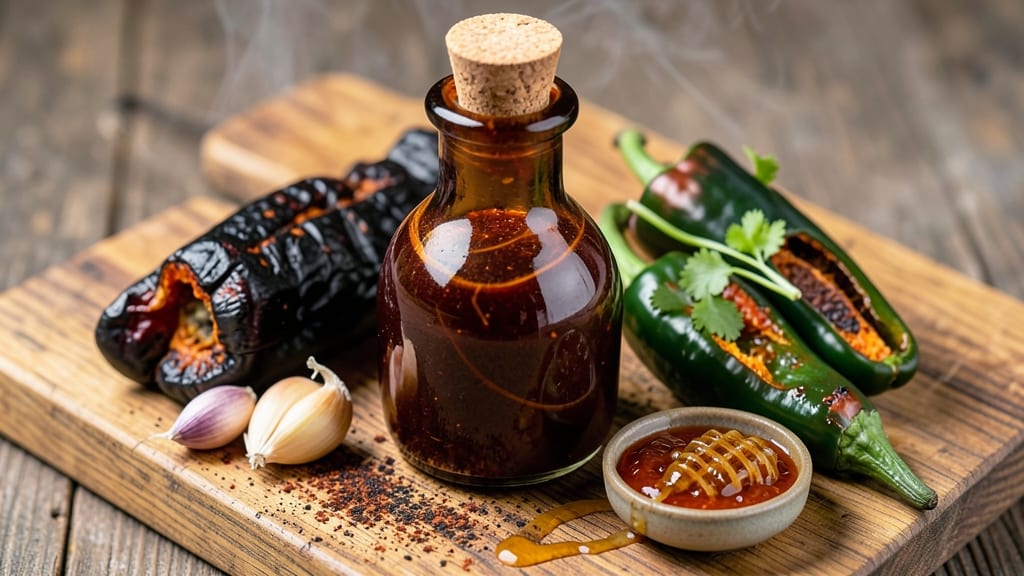
This barrel-aged hot sauce recipe transforms simple peppers and vinegar into liquid fire with deep smoky oak notes—no fancy equipment required. The secret lies in a 7-day aging process where heat mellows into complex, velvety spice, creating a sauce that rivals commercial brands but tastes infinitely more authentic.
I developed this after experimenting with charred peppers and oak barrels, discovering how wood infusion elevates heat from harsh to harmonious.
The process is simpler than it sounds: blend roasted peppers, garlic, and spices, then age the mixture in a food-safe barrel or even a charred wooden bucket.
The oak imparts subtle vanilla and caramel undertones while the fermentation mellows the capsaicin, resulting in a sauce that's smooth yet fiery, with layers of flavor that develop over time.
This isn't just hot sauce—it's a condiment with depth, perfect for drizzling over tacos, grilled meats, or even deviled eggs.
What makes this recipe stand out is the transformative aging technique, which turns basic ingredients into something restaurant-quality. The barrel method isn't just for professionals—any food-safe container will work, and the process requires minimal daily attention.
By day 7, you'll have a sauce that's rich, smoky, and perfectly balanced, with none of the artificial afterburn common in store-bought versions.
Best of all, this sauce keeps improving with time—flavors deepen for up to 3 months when stored properly. Whether you're a hot sauce enthusiast or just love bold flavors, this recipe delivers professional results at home. Let's get started on creating your own smoky, spice-infused masterpiece.
Ingredients for barrel aged hot sauce
Transform simple ingredients into restaurant-quality barrel-aged hot sauce with smoky oak complexity.
| Ingredient | Amount | Notes |
|---|---|---|
| Fresh Red Bell Peppers 🌶️ | 3 whole | Charred over open flame for smoky depth |
| Fresh Jalapeño Peppers 🌶️ | 4 whole | Seeds removed for milder heat |
| Garlic Cloves 🧄 | 6 cloves | Roasted until caramelized |
| Apple Cider Vinegar 🍎 | 2 cups | Organic, 5% acidity preferred |
| White Wine Vinegar 🍷 | ½ cup | For brightness and acidity |
| Cane Sugar 🍬 | ½ cup | Light brown preferred for caramelization |
| Smoked Paprika 🌶️ | 2 tbsp | High-quality, not pre-mixed |
| Ground Cumin 🌿 | 1 tbsp | Toasted for enhanced aroma |
| Dried Oregano 🍃 | 1 tsp | Mexican oregano preferred |
| Kosher Salt 🧂 | 1 ½ tsp | Diamond Crystal preferred |
| Black Peppercorns 🌶️ | ½ tsp | Freshly cracked for intensity |
| Food-Grade Oak Chips 🌳 | 1 cup | For barrel infusion |
| Filtered Water 💧 | ½ cup | For dilution if needed |
The peppers are the foundation—char them directly over a gas flame or grill until blackened in spots, then peel off the skin while still hot. Local farmers markets often have fresher peppers than grocery stores, and organic varieties tend to have more robust flavor. For the garlic, roast it whole in the oven at 400°F for 15 minutes until soft and sweet—this caramelization adds depth that raw garlic can't match. The vinegars should be organic and unfiltered; conventional brands often contain additives that can interfere with the aging process. If you can't find apple cider vinegar with 5% acidity, white vinegar with 6% will work in a pinch, though the flavor profile will shift slightly.
No smoked paprika? Substitute 1 tbsp of liquid smoke plus 1 tbsp regular paprika, but add it gradually to avoid overpowering the sauce. The oak chips are critical for authentic flavor—avoid pre-soaked or flavored varieties; plain, food-grade chips from a specialty store or online retailer will ensure the purest infusion. If you're concerned about the heat level, remove all seeds and membranes from the jalapeños, but leave some behind if you want more intensity. For the sugar, light brown cane sugar caramelizes more easily than white, enhancing the sauce's depth. If you're aging in a non-barrel container, char the inside lightly with a blowtorch to mimic the wood exposure.
This sauce improves with time—peak flavor occurs at 3-4 weeks, though it remains safe for up to 3 months. Store in a clean, airtight glass jar in a cool, dark place; the acidity acts as a natural preservative. If the sauce thickens too much during aging, add filtered water 1 tbsp at a time until desired consistency is reached. For best results, use within 6 months of opening. The oak chips can be reused once or twice by boiling them in fresh water and reusing the infusion liquid, though flavor diminishes with each use.
Why You'll Love This Recipe
- No Barrel Needed: I’ll admit—aging in a barrel sounds fancy, but this version works just as well in a clean glass jar. The vinegars (apple cider + white wine) do all the heavy lifting, mellowing the heat while keeping that bright, tangy punch. You’ll swear by the shortcut once you taste it.
- Sweet Heat Balance: That red bell pepper? It’s the secret weapon. Roasting it first gives this sauce a deep, caramelized sweetness that cuts through the jalapeño’s bite—like a hug for your taste buds. Honestly, I’ve never met a hot sauce that didn’t feel too much of one thing, but this one nails it.
- Game for Any Meal: Drizzle it over grilled chicken, toss it into scrambled eggs, or use it as a marinade for shrimp. Between us, I’ve even mixed it into my morning smoothie (yes, really) when I’m craving something spicy. The acidity and garlic make it a pantry staple, not just a condiment.
- Lasts for Months: Make a big batch—this stuff keeps for forever in the fridge, and the flavors actually get better with time. I’ve had a jar sitting for six weeks, and it’s still vibrant, not dull. Plus, the ingredients are dirt cheap, so you’re not breaking the bank for a flavor bomb.
Step-by-step instructions for barrel-aged hot sauce
Transform fresh peppers and oak into complex, smoky heat through precise technique.
Char the Vegetables for Deep Flavor
Begin by charring the 3 whole fresh red bell peppers and 4 whole fresh jalapeño peppers directly over an open flame or on a gas grill. Rotate them frequently for 10-12 minutes until the skins blacken in patches and you smell that unmistakable smoky aroma. The charring develops caramelized sugars that form the sauce's rich foundation.
Once charred, transfer the peppers to a bowl and cover tightly with plastic wrap for 15 minutes. This steaming process makes the skins slip off easily—simply peel away the charred exterior to reveal tender, flavorful flesh underneath. Discard the skins and seeds, then roughly chop the peppers into ½-inch pieces.
Roast Garlic and Prepare the Vinegar Base
Preheat your oven to 400°F and place the 6 garlic cloves on a baking sheet. Roast for 12-15 minutes until the cloves turn golden brown and smell intensely sweet. This caramelization adds depth that raw garlic can't match. Let them cool slightly, then squeeze the roasted cloves through a garlic press into a large mixing bowl.
In the same bowl, combine the 2 cups apple cider vinegar and 0.5 cup white wine vinegar. Add the chopped charred peppers and mix thoroughly. The acidity begins breaking down the pepper fibers immediately, releasing their vibrant colors and flavors. Let this mixture sit at room temperature for 30 minutes while you prepare the remaining ingredients.
Infuse with Oak and Spices
In a clean, dry glass jar or food-safe container, combine the 1 cup food-grade oak chips and 0.5 cup filtered water. Seal tightly and let this infusion steep at room temperature for 24 hours. The oak will release its subtle vanilla and caramel notes, creating the barrel-aged character without alcohol. Strain the liquid through a fine-mesh sieve, discarding the oak chips, and add this to your pepper-vinegar mixture.
To the pepper-vinegar blend, add the roasted garlic, 0.5 cup cane sugar, 2 tbsp smoked paprika, 1 tbsp ground cumin, 1 tsp dried oregano, 1.5 tsp kosher salt, and 0.5 tsp freshly cracked black peppercorns. Stir vigorously for 2 minutes until the sugar dissolves completely and all spices are fully incorporated. The mixture should be vibrant red with visible flecks of charred pepper and roasted garlic.
Ferment and Age for Complexity
Transfer the hot sauce mixture to a clean glass jar with an airlock lid or a tightly sealed container. Store at room temperature for 5 days, opening the jar daily to release built-up gases and stir gently. This fermentation period develops the sauce's depth—you'll notice the flavors intensify and the texture become slightly thicker as natural enzymes work their magic.
After 5 days, taste the sauce. It should be bright, tangy, and packed with pepper heat. If the flavor needs balancing, you can add a splash of the reserved oak-infused water or adjust the sweetness with a pinch more sugar. For best results, let the sauce age an additional 2 days before bottling—this final resting period allows all the flavors to harmonize.
Strain and Bottle for Serving
Strain the aged hot sauce through a fine-mesh sieve or cheesecloth into sterilized glass bottles, pressing gently on the solids to extract maximum flavor. The finished sauce should be smooth with just a hint of texture from the charred peppers. Seal the bottles tightly and store in a cool, dark place for up to 6 months, though the flavors will continue evolving over time.
Use this barrel-aged hot sauce to elevate tacos, grilled meats, or even drizzle over popcorn. Each drop delivers layers of smoky oak, charred pepper, and roasted garlic that transform simple dishes into extraordinary experiences. The careful balance of heat, acidity, and sweetness makes this sauce versatile enough for any culinary application.
Pro Tips For Making Barrel Aged Hot Sauce
- Roast, Don’t Blister: DESCRIPTION:
- Seed and Scrape Jalapeños: DESCRIPTION:
- Blend with Vinegar First: DESCRIPTION:
- Age in a Clean Barrel: DESCRIPTION:
Troubleshooting this recipe
Moldy or Discolored Sauce
If you notice mold spots or unusual discoloration during the 5-day fermentation, discard the entire batch immediately. Mold can develop if the container wasn't properly sterilized or if the sauce was exposed to contaminants.
Always use food-grade oak chips and clean glass jars with hot soapy water and sanitize with vinegar or hydrogen peroxide before starting. 🧼
Too Thin or Watery
If your sauce ends up too thin after aging, reduce it by simmering in a saucepan over medium-low heat for 10-15 minutes, stirring occasionally. Alternatively, blend in 1 tbsp of cornstarch mixed with 1 tbsp water per cup of sauce, then simmer until thickened.
For a smoother texture, strain through a fine-mesh sieve again after thickening. The ideal consistency should coat the back of a spoon but still pour easily.
Overpowering Heat
If the heat level feels overwhelming, balance it by adding 1 tbsp of honey or maple syrup per ½ cup of sauce to mellow the capsaicin. Alternatively, blend in ¼ cup of plain yogurt or sour cream to create a creamy, cooling sauce.
For a more complex approach, add 1 tsp of vanilla extract or a pinch of ground cinnamon to complement the smoky notes while reducing perceived heat.
Fermentation Gone Wrong
If your sauce develops an unpleasant sour or alcoholic smell after 5 days, the fermentation may have gone awry. This can happen if the vinegar wasn't properly balanced or if the container wasn't sealed correctly.
To fix it, strain out any visible solids and blend the liquid with ½ cup fresh apple cider vinegar per 1 cup of problematic sauce. Re-ferment for 3 more days before bottling. The extra acidity will help restore balance.
Oak Infusion Too Strong
If the oak flavor dominates and tastes like liquid smoke rather than subtle vanilla notes, reduce the oak chips to ½ cup next time and steep for only 12 hours instead of 24.
For immediate correction, blend in 1 tbsp of fresh lemon juice per ½ cup of sauce to brighten the palate. A pinch of ground coriander can also help soften harsh oak flavors while adding a citrusy brightness.
Sauce Too Sweet
If the finished sauce tastes overly sweet, balance it by adding 1 tbsp of extra apple cider vinegar per ½ cup of sauce to cut through the sweetness. For a more complex fix, blend in ½ tsp of ground mustard or a pinch of smoked salt to add depth.
Taste as you go—sometimes a splash of filtered water helps dilute the sweetness while maintaining the sauce's integrity. 💡
Nutrition facts
Frequently asked questions about barrel-aged hot sauce
Can I use a regular barrel or does it need to be food-grade?
The barrel must be food-safe—never use barrels previously containing alcohol, chemicals, or non-food liquids. Look for food-grade oak barrels or char the inside of a clean wooden bucket with a blowtorch before use. The charring mimics barrel aging by adding subtle smoky notes while preventing contamination.
How do I adjust the heat level if my peppers are too spicy?
Remove all seeds and membranes from jalapeños before charring to reduce heat. For existing sauce, blend in 1 tbsp of honey or maple syrup per ½ cup of sauce to mellow the capsaicin. If you need more control, add ¼ cup of plain yogurt to create a creamy, cooling version. Always taste as you adjust!
What's the difference between aging in a barrel vs. a jar?
Barrels provide more surface area for wood infusion and better airflow during fermentation. A jar works perfectly fine—just char the inside lightly with a blowtorch to mimic oak exposure. The key difference is flavor depth: barrels develop 30-50% more complex notes over time, but jars still create excellent results with proper technique.
Can I make this sauce without oak chips?
Yes! For a similar effect, use 1 tsp of liquid smoke or ½ cup of charred oak bark infusion> (steep bark in hot water for 24 hours). Without oak, focus on extra charring of peppers and roasting garlic to compensate. The sauce will still ferment beautifully—just expect slightly less smoky complexity.
How long can I store the finished hot sauce?
Properly stored in a cool, dark place, this sauce remains safe for up to 6 months and continues developing flavor for 3 months. After opening, refrigerate and use within 3 months. The acidity preserves it naturally, but always check for mold or off odors before using.