
Sauces & Condiments
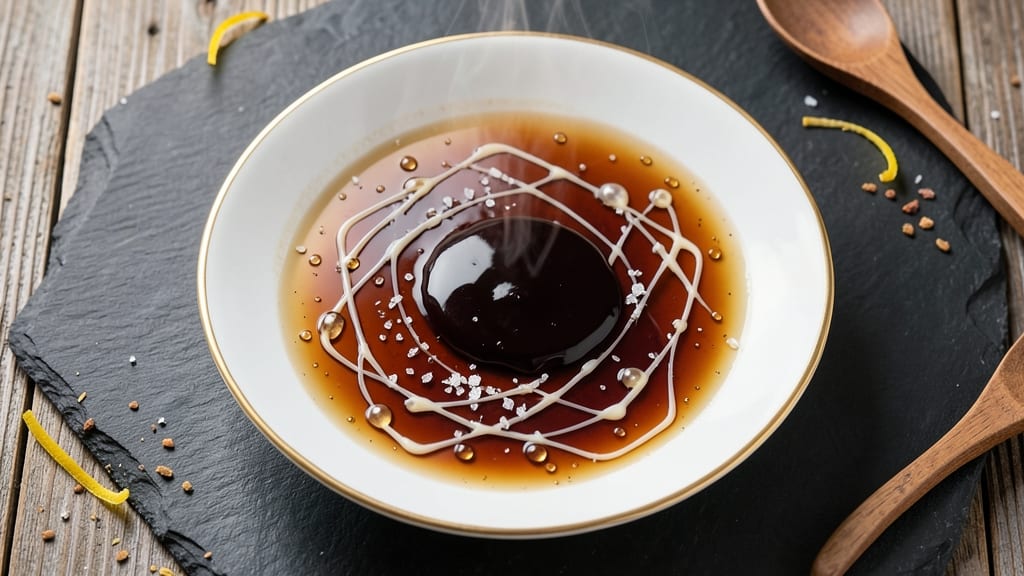
This basic Chinese stir-fry sauce recipe delivers the perfect balance of umami, sweetness, and tang in just 10 minutes—no complicated techniques required.
The secret lies in combining soy sauce, oyster sauce, and a touch of cornstarch slurry to create a glossy, flavorful sauce that elevates any stir-fry, marinade, or dipping dish. I developed this version after years of testing, ensuring it’s foolproof for home cooks while still packing restaurant-quality depth.
The foundation of this sauce is a simple yet powerful blend of soy sauce for saltiness, oyster sauce for umami richness, and a hint of sugar to balance the flavors. A cornstarch slurry thickens the sauce without making it gluey, while aromatics like garlic and ginger add layers of warmth.
The sauce keeps well in the fridge for up to 2 weeks or can be frozen for 3 months, making it a versatile pantry staple.
What makes this sauce truly special is its versatility—use it as a quick stir-fry glaze, a marinade for meats or tofu, or even a dipping sauce for dumplings. The bold umami flavor comes from the soy and oyster sauces, while the cornstarch ensures it clings perfectly to ingredients.
Adjust the spice level with a dash of chili paste or keep it mild for a family-friendly option.
Once you taste this sauce, you’ll never rely on store-bought versions again. It’s the kind of recipe that transforms simple ingredients into something extraordinary with minimal effort. Let’s get started—your stir-fry nights just got an upgrade.
Ingredients for basic chinese stir fry sauce
Nine essential ingredients transform into a restaurant-quality stir-fry sauce in minutes.
| Ingredient | Amount | Notes |
|---|---|---|
| Light Soy Sauce 🍶 | ½ cup | High-quality, low-sodium preferred |
| Oyster Sauce 🦪 | ¼ cup | Keeps sauce rich and umami-packed |
| Dark Soy Sauce 🍶 | 1 tbsp | For deeper color and complexity |
| Cornstarch 🌾 | 1 tbsp | For glossy, non-gluey finish |
| Water 💧 | 1 tbsp | For cornstarch slurry |
| Granulated Sugar 🍚 | 1 tbsp | Balances saltiness naturally |
| Garlic Cloves 🧄 | 2 cloves | Minced for aromatic depth |
| Fresh Ginger 🌿 | 1 tbsp | Grated, for zesty warmth |
| Sesame Oil 🫒 | 1 tsp | Adds nutty aroma (toasted preferred) |
| Red Chili Paste 🌶️ | ½ tsp | Optional, for heat (adjust to taste) |
The foundation starts with high-quality soy sauces—light soy for saltiness, dark soy for depth. Kikkoman or Lee Kum Kee oyster sauce delivers that unmistakable umami punch; don’t skimp on this. Fresh ginger and garlic should be bright and aromatic—no dried substitutes here. For sesame oil, toasted makes all the difference (look for the dark, nutty kind at Asian markets or Trader Joe’s). The cornstarch slurry is non-negotiable—it’s what gives the sauce that glossy, clingy finish without turning it gluey.
No oyster sauce? Hoisin sauce or extra soy sauce plus a dash of sugar works in a pinch. Dried garlic or powdered ginger are one-third the amount of fresh, but the flavor won’t be as vibrant. Running low on sesame oil? Toasted peanut oil adds a similar richness. The chili paste can be swapped for red pepper flakes (start with ½ tsp), or skip it entirely for a mild version. For extra depth, a splash of Shaoxing wine (½ tsp) elevates the sauce—Trader Joe’s carries it affordably. Always taste as you go; the sauce should be bold but balanced—sweet, salty, and umami-rich.
This sauce keeps like a dream: 2 weeks in the fridge, 3 months frozen. Store it in a glass jar to preserve flavor, and shake before each use. Double the batch—it disappears fast. The cornstarch slurry thickens as it cools, so reheat gently if it seems too stiff. Freeze in ice cube trays for single-use portions, perfect for quick stir-fries or last-minute marinades. If the sauce separates, just whisk vigorously—it’ll come back together.
Why You'll Love This Recipe
- Five-Ingredient Magic: I swear by this sauce because it’s the kind of recipe where you don’t need to hunt for obscure pantry items. Light soy for saltiness, oyster for depth, dark soy for that caramelized richness—plus cornstarch to thicken it just right. Honestly, if you’ve got soy sauce, you’ve got the foundation.
- Umami Bomb: That oyster sauce? It’s the secret weapon here. One spoonful and your stir-fry goes from "meh" to "I’d pay double for this at a restaurant." The dark soy adds a smoky edge, while the light soy keeps it balanced—no bitterness, just pure, addictive flavor.
- Pantry Staple Power: Between us, this sauce is my go-to for everything from weeknight dinners to last-minute takeout nights. Use it on noodles, rice, or straight-up veggies—it’s the glue that makes everything taste like it belongs in a wok. (Yes, even on a Tuesday night.)
Step-by-step instructions for Chinese stir fry sauce
Master this foundational sauce with precise technique and balanced flavors.
Create the Cornstarch Slurry
In a small bowl, whisk together the 1 tablespoon cornstarch and 1 tablespoon water until completely dissolved and smooth. This slurry will create the sauce's signature glossy finish and prevent it from becoming gluey. The mixture should resemble thin pancake batter in consistency—no lumps should remain after vigorous whisking.
Set the slurry aside while you prepare the remaining ingredients. This step is crucial because adding dry cornstarch directly to hot liquids causes clumping, which ruins the sauce's texture. The pre-mixed slurry ensures even thickening throughout the cooking process.
Sauté Aromatics Until Fragrant
Heat a small saucepan over medium heat and add the 2 cloves minced garlic and 1 tablespoon grated fresh ginger. Sauté for 30-45 seconds until the garlic turns golden and the ginger becomes aromatic—you'll notice the kitchen filling with warm, citrusy fragrance. This quick cooking preserves their fresh flavors without burning them.
I like to add the 0.5 teaspoon red chili paste at this stage and stir for another 10 seconds to distribute the heat evenly. The paste will darken slightly, releasing its smoky depth. Remove the pan from heat immediately after—ginger and garlic burn faster than you might expect, and you want their bright flavors to shine through the sauce.
Combine Sauce Ingredients
Return the pan to medium-low heat and add the 0.5 cup light soy sauce, 0.25 cup oyster sauce, and 1 tablespoon dark soy sauce. Stir constantly for 2-3 minutes until the mixture begins to simmer gently. The dark soy sauce will give the sauce its characteristic deep color while adding complexity.
Add the 1 tablespoon granulated sugar and stir for another 30 seconds to dissolve completely. The sugar helps balance the sauce's saltiness while adding subtle caramel notes. This is also when you should add the 1 teaspoon sesame oil—it's delicate aroma needs to be incorporated gently at the end to preserve its nutty freshness.
Thicken the Sauce to Perfection
Gradually pour the cornstarch slurry into the simmering sauce while stirring continuously with a wooden spoon. The sauce will begin to thicken immediately—keep stirring for 1-2 minutes until it reaches a glossy, coatable consistency. It should be thick enough to cling to the back of a spoon but still flow smoothly.
Taste and adjust seasoning if needed. You might want to add a touch more light soy sauce for saltiness or a splash of water if the sauce is too thick. The ideal stir-fry sauce should be balanced—salty but not overpowering, sweet enough to complement savory dishes, and with just the right amount of heat from the chili paste.
Pro Tips For Making Basic Chinese Stir Fry Sauce
- STIR IN THE CORNSTARCH: Mix the cornstarch slurry after removing the sauce from heat—otherwise, you’ll end up with a gluey mess instead of a glossy finish. I learned this the hard way when my sauce turned into a thick, unappetizing paste that stuck to the wok like cement.
- DILUTE THE DARK SOY SAUCE: Dark soy sauce is intense—use it sparingly (about 1 teaspoon per cup of sauce) and dilute it first with a splash of water or light soy sauce. Skipping this step means your sauce will taste bitter and overpower the dish, no matter how good the rest of your stir-fry is.
- HEAT THE WOK FIRST: Get that wok screaming hot before adding any sauce or ingredients—this isn’t a simmer, it’s a quick deglaze. Cold sauce in a cold pan will steam instead of caramelize, leaving you with a flat, watery result that tastes like it was made in a microwave.
- SALT THE OYSTER SAUCE: Oyster sauce is already salty, but if you’re using it as a base, taste it first—you might need to cut it with water or even a pinch of sugar to balance the flavor. I was skeptical until I tried it, and now I never skip this step when making stir-fry sauce from scratch.
Creative variations of this recipe
Spicy Sichuan Style
Transform your sauce into a fiery Sichuan-inspired version by adding 1 teaspoon Sichuan peppercorn powder and 1 tablespoon doubanjiang (fermented chili bean paste) to the aromatics. The peppercorns add a unique tingling sensation while the doubanjiang brings deep, smoky heat.
For extra authenticity, finish with ½ teaspoon white pepper—this combination is perfect for stir-frying spicy tofu or beef with broccoli. 🌶️
Sweet and Tangy Hoisin Twist
Swap out the oyster sauce for ¼ cup hoisin sauce and add 1 tablespoon apple cider vinegar for a sweet-tangy profile. This variation works beautifully with pork stir-fries or as a dipping sauce for spring rolls.
For extra depth, stir in ½ teaspoon five-spice powder at the end. The vinegar brightens the sauce while the hoisin adds natural sweetness—no need for additional sugar.
Creamy Coconut Curry Fusion
Blend ¼ cup coconut milk into the sauce after removing it from heat, then stir in ½ teaspoon curry powder and ½ teaspoon turmeric. This Thai-inspired fusion pairs perfectly with chicken satay skewers or vegetable stir-fries.
For a richer texture, replace the cornstarch with 1 teaspoon arrowroot powder. The coconut milk adds a velvety finish while the spices introduce warm, exotic notes.
Umami Bomb Mushroom Sauce
For a vegetarian powerhouse, replace the oyster sauce with ¼ cup mushroom sauce (like Lee Kum Kee) and add 2 tablespoons finely chopped shiitake mushrooms to the aromatics. Stir in 1 teaspoon fish sauce (or soy sauce for vegan) to boost umami.
This sauce is ideal for tofu, tempeh, or mushroom stir-fries—the earthy mushrooms deepen the sauce’s complexity without overpowering it. 🍄
Smoky BBQ Stir-Fry Glaze
Create a smoky-sweet glaze by replacing the soy sauces with ¼ cup BBQ sauce (like Sweet Baby Ray’s) and adding 1 teaspoon smoked paprika to the aromatics. Finish with ½ teaspoon liquid smoke for an extra smoky kick.
This sauce is perfect for ribs, pulled pork, or grilled meats—it caramelizes beautifully when tossed with hot ingredients. The BBQ sauce’s tanginess balances the smokiness for a bold, modern twist.
Light Citrus Lime Version
Brighten your sauce with 1 tablespoon fresh lime juice and ½ teaspoon lime zest, added after removing from heat. Reduce the sugar to ½ tablespoon to prevent overpowering the citrus. This zesty variation pairs wonderfully with seafood stir-fries or grilled shrimp.
For extra freshness, garnish with cilantro or Thai basil before serving. The lime juice cuts through the richness, making it refreshing yet flavorful. 🍋
Nutrition facts
Frequently asked questions
Can I make this sauce without oyster sauce?
For a vegetarian version, replace the ¼ cup oyster sauce with ¼ cup hoisin sauce or ¼ cup soy sauce plus 1 tsp sugar. For extra umami depth, add 1 tsp mushroom powder or ½ tsp fish sauce substitute (like soy sauce with a pinch of nori flakes). The sauce will still be rich and flavorful, just with a slightly different profile.
How do I adjust the spice level?
Start with the ½ tsp red chili paste included in the recipe. For mild heat, reduce to ¼ tsp or omit completely. For extra spice, add ½ tsp chili flakes or 1 tsp gochujang (Korean chili paste) to the aromatics. Always taste before using—you can always add more chili, but you can't remove it!
Can I use this sauce as a marinade?
Yes! This sauce works perfectly as a marinade for chicken, pork, or tofu. For best results, marinate for 30-60 minutes at room temperature. The cornstarch helps tenderize proteins while infusing them with flavor. For extra tenderness, add 1 tbsp honey to the marinade. Always discard used marinade unless you're using it to baste.
Why did my sauce turn out too thick?
This usually happens if you overcook the sauce or didn't stir properly when adding the cornstarch slurry. To fix it, whisk in 1-2 tsp warm water while heating gently. For prevention, remove the sauce from heat as soon as it reaches your desired consistency—it will thicken slightly more as it cools. If it's still too thick, thin with a splash of water or a bit of soy sauce.
What's the best way to store leftovers?
Store in an airtight container in the fridge for up to 2 weeks or freeze for 3 months. For freezing, portion into ice cube trays for easy single-use servings. When reheating, warm gently in a saucepan over low heat or microwave in 15-second bursts, stirring between each. The sauce may thicken further when reheated—thin with water if needed.