
Sauces & Condiments
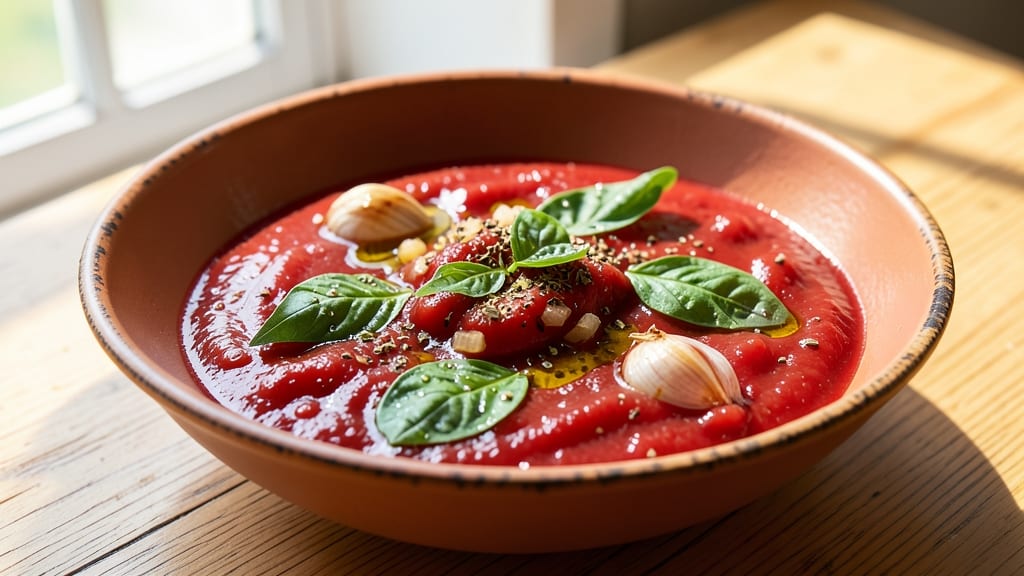
This basic Italian sauce recipe is the foundation of every authentic pasta dish—simmered tomatoes, aromatic herbs, and a touch of sweetness that transforms simple ingredients into something extraordinary.
The secret lies in slow cooking, which allows the flavors to meld into a rich, velvety consistency perfect for coating al dente noodles or topping crispy pizza crusts.
What makes this sauce truly perfect is its versatility. Start with a simple tomato base, then customize it with garlic, onions, or even a splash of red wine for depth.
The key technique is patience—letting the sauce reduce naturally on the stove creates that signature Italian intensity without needing fancy ingredients.
By the end, you’ll have a vibrant, aromatic sauce with just the right balance of acidity and sweetness. It’s the kind of recipe that becomes a pantry staple, ready to elevate any meal from ordinary to restaurant-quality in minutes.
Use it immediately for pasta or pizza, or store it in the fridge for up to a week—this sauce only gets better with time as the flavors deepen. Let’s create it step by step.
Ingredients for basic italian sauce
Simmered tomatoes, aromatic herbs, and a touch of sweetness create this restaurant-quality sauce.
| Ingredient | Amount | Notes |
|---|---|---|
| Canned San Marzano Tomatoes 🍅 | 28 oz | Crushed by hand or blended smooth |
| Extra-Virgin Olive Oil 🫒 | ½ cup | High quality, fruity flavor preferred |
| Yellow Onion 🧅 | 1 whole | Finely diced, about 1 cup |
| Garlic Cloves 🧄 | 4 cloves | Minced or finely chopped |
| Fresh Basil Leaves 🌿 | ½ cup | Packed, stems removed |
| Dried Oregano 🍃 | 1 tsp | Italian or Mediterranean preferred |
| Salt 🧂 | 1 ½ tsp | Diamond Crystal kosher preferred |
| Black Pepper 🌶️ | ½ tsp | Freshly ground for best flavor |
| Granulated Sugar 🍚 | 1 tsp | Balances acidity, optional |
| Dry Red Wine 🍷 | ¼ cup | Bold variety like Chianti, optional |
San Marzano tomatoes are the gold standard for Italian sauces—their sweetness and low acidity make them ideal. Look for the official San Marzano DOP label at Italian markets or well-stocked grocery stores like Whole Foods or Trader Joe's. The extra-virgin olive oil should be fruity and peppery—avoid the cheap stuff that tastes like soap. Fresh basil is ideal, but if you're using dried, reduce to one-third the amount of fresh. For the onion, yellow or red both work, but yellow has a slightly sweeter flavor that complements the tomatoes better.
No San Marzano tomatoes? Crushed tomatoes in a high-quality jar (like Muir Glen) will work in a pinch, but you may need to add a pinch more sugar to balance the acidity. Running out of fresh basil? Dried basil or oregano at half the amount keeps the Italian flavor profile. The red wine is optional but adds incredible depth—if you skip it, a splash of balsamic vinegar gives a similar tang. For the garlic, roasted garlic adds sweetness, while raw garlic gives a sharper bite. The sugar is truly optional but helps balance the acidity for a more refined sauce.
This sauce tastes even better the next day as the flavors meld. Store it in an airtight container in the fridge for up to 1 week, or freeze for 6 months in portion-sized containers. I like to make a double batch—one for immediate use and one to freeze for lazy weeknights. The sauce thickens as it cools, so you can thin it with a splash of water or pasta water when reheating. Always taste before serving and adjust seasoning if needed.
Why You'll Love This Recipe
- Pantry Magic: I swear by this sauce because it lives in my cupboard. Open a can of San Marzano tomatoes, add olive oil and garlic—boom, you’ve got dinner’s base covered. No fancy shopping lists, no last-minute grocery runs.
- Garlic-Basil Bomb: That first bite of warm onion, caramelized just enough, with garlic sizzling and fresh basil floating on top? It’s the kind of flavor that makes you pause. Simple ingredients, but the combination is ridiculously good.
- Weeknight Swiss Army: This sauce works for pasta, eggs, grilled chicken—even as a dip. I’ve used it for breakfast hash, Sunday roasts, and lazy weeknight dinners. Honestly, it’s my secret weapon for when I can’t decide what to make.
- Leftovers That Don’t Suck: Make a big batch, and it only gets better. The flavors meld overnight, and reheating it is effortless—just a splash of water, a minute in the pan. Between us, this is the only sauce I trust to last five days without tasting sad.
Step-by-step instructions for simmered tomato base
A rich, balanced tomato sauce starts with patience and proper technique. Here's how to build flavor layer by layer.
Sauté Onion Until Transparent
Heat the 0.5 cup extra-virgin olive oil in a large saucepan over medium-low heat. Add the finely diced yellow onion and cook for 8-10 minutes, stirring occasionally, until completely soft and just turning translucent. This gentle cooking prevents burning while developing sweetness.
Real talk: If the onions brown too quickly, your sauce will taste bitter. Keep the heat consistent—you're not searing, you're sweating. I like to stir every 2 minutes to ensure even cooking. Once the onions are translucent, they'll release their natural sugars, forming the foundation for your sauce's depth of flavor.
Add Garlic and Cook Briefly
Push the onions to one side of the pan and add the 4 minced garlic cloves. Cook for 30-45 seconds until fragrant but not browned. Garlic burns in seconds, so watch closely—you want that sweet, nutty aroma without bitterness.
Stir the garlic into the onions and cook for another 1 minute to distribute the flavors. This step might seem small, but it's where the aromatic magic happens. If you smell smoke, immediately remove the pan from heat and let it cool for 30 seconds before continuing. The goal is to infuse the onions with garlic's essence, not char them.
Deglaze with Red Wine
Pour in the 0.25 cup dry red wine and scrape up any browned bits from the bottom of the pan with a wooden spoon. Let the wine simmer for 3-4 minutes until reduced by half. This deglazing step captures all those concentrated flavors you worked so hard to develop.
The wine's acidity will brighten the sauce and cut through the richness of the olive oil. If you notice the wine reducing too quickly, reduce the heat slightly. You want it to bubble gently, not boil furiously. This reduction step is where the sauce begins to concentrate and develop complexity.
Build the Tomato Base
Add the 28 oz canned San Marzano tomatoes (crushed by hand or blended smooth), 1 tsp dried oregano, 1.5 tsp salt, 0.5 tsp black pepper, and 1 tsp granulated sugar. Stir well to combine all ingredients. Bring to a gentle simmer over medium heat and cook uncovered for 25-30 minutes, stirring occasionally.
During this time, the sauce will thicken naturally as moisture evaporates. I like to stir every 5 minutes to prevent sticking and ensure even cooking. The sugar helps balance the acidity of the tomatoes, while the oregano adds that classic Italian herb note. If the sauce gets too thick before the 25 minutes are up, add 2-3 tablespoons of water to loosen it.
Finish with Fresh Basil and Adjust Seasoning
Remove the pan from heat and stir in the 0.5 cup fresh basil leaves. Let the sauce sit for 5 minutes to allow the basil's vibrant flavor to infuse. Taste and adjust seasoning if needed—add more salt if the sauce tastes flat, or a splash of water if it's too thick.
The basil should be added off the heat to preserve its bright, fresh flavor. I like to tear the leaves by hand rather than chopping them to maintain their texture. This final step transforms your sauce from good to exceptional, adding that fresh herbal note that defines authentic Italian tomato sauce. Let the sauce cool slightly before serving over your favorite pasta.
Pro Tips For Making Basic Italian Sauce
- CRUSH THE ONIONS: Dice them small—no bigger than 1/4-inch pieces—so they melt into the sauce instead of lingering as chewy chunks. I used to leave them in larger pieces, and they’d turn to mush or stay stubbornly identifiable. Tiny dice = even cooking, no surprises.
- SWEAT DON’T BROWN: Cook the onions over medium-low heat until translucent, then add garlic and let it whisper, not scream. High heat burns garlic before it releases flavor, and that bitter bite ruins everything. Keep the pan steady—this isn’t a race.
- SALT THE TOMATOES: Drain the San Marzanos, then sprinkle a pinch of salt directly over them in the pot. Let it sit for 5 minutes before stirring—this breaks down the skins slightly and deepens the flavor. Skipping this means a sauce that tastes like it’s missing something.
- STIR IN BASIL LATE: Toss in the basil leaves only in the last 30 seconds of cooking. Overcooking turns them bitter and slimy, and you’ll end up with a sad, brown mush instead of bright, fragrant freshness. Think of it as the last-minute garnish, not a simmering ingredient.
Flavor customization for this dish
Sweet & Tangy Twist
Add 1 tbsp balsamic glaze during the final 5 minutes of simmering to deepen the sauce’s complexity. For extra sweetness, stir in ½ cup diced ripe pear or apple with the tomatoes—the fruit’s natural pectin helps thicken the sauce while adding a subtle jammy richness.
I love this variation for pasta e fagioli or as a topping for grilled chicken. 🍐
Herb-Forward Variations
Swap the basil for thyme and rosemary (each 1 tbsp) for a rustic, earthy flavor perfect for roasted meats or polenta. For a brighter profile, add 1 tbsp fresh parsley along with the basil.
If you’re feeling adventurous, try a pinch of crushed fennel seeds (about ½ tsp) for a licorice-like depth that pairs beautifully with sausage or seafood.
Spicy Heat Kick
Increase the heat with 1-2 dried arbol chiles (seeds removed) or 1 tbsp Calabrian chili paste simmered with the tomatoes. For smoky depth, add ½ tsp smoked paprika or 1 tsp chipotle powder.
I recommend testing the heat level before serving—start with ½ tsp red pepper flakes and adjust to taste. This spicy version works amazingly with creamy pasta dishes like pappardelle or gnocchi. 🌶️
Creamy & Rich Upgrades
For a Alfredo-style sauce, stir in ½ cup heavy cream or mascarpone cheese (about ¼ cup) during the last 10 minutes of simmering. For a lighter option, blend in ½ cup ricotta cheese after the sauce is off the heat.
These variations elevate the sauce for fettuccine Alfredo or as a pizza sauce base with a velvety finish. 🧀
Umami Bomb Options
Boost the sauce’s depth with 1 tbsp soy sauce or 1 tsp fish sauce (trust me, it disappears into the sauce). For a meaty flavor without actual meat, add 1 tbsp tomato paste or 1 tsp mushroom powder.
I also love adding 1 anchovy fillet (finely chopped) to the onions at the start—it dissolves completely but adds an incredible savory punch. 🍣
Regional Italian Styles
For a Roman-inspired sauce, add 1 tsp fennel pollen and ½ cup chopped mint at the end. A Neapolitan twist includes ½ cup finely chopped pancetta (cooked with the onions) and 1 tsp dried marjoram.
For a Sicilian version, stir in 1 tsp cinnamon and 1 orange zest with the tomatoes. Each variation transforms the sauce into a regional specialty. 🗺️
Nutrition facts
Frequently asked questions
Can I make this sauce without fresh basil?
Use 1 teaspoon dried basil instead, but reduce the amount by one-third compared to fresh. For a different flavor profile, try 1 teaspoon dried oregano or a mix of thyme and rosemary for a rustic touch. The key is balancing the herbs to avoid overpowering the tomato flavor.
How do I prevent the sauce from getting too thick?
Add 2-3 tablespoons of water or pasta water during cooking if it thickens too quickly. For a smoother texture, blend the sauce briefly before serving. The natural reduction happens over time, so don't rush the simmering process—this is what creates that rich, velvety consistency.
What’s the best way to store leftover sauce?
Let it cool completely, then transfer to an airtight container. It keeps in the fridge for up to 1 week, with flavors deepening over time. For longer storage, freeze in portion-sized containers for up to 6 months. Thaw overnight in the fridge and reheat gently on low heat, stirring occasionally.
Can I use this sauce for dishes other than pasta?
Definitely! This versatile sauce works beautifully on pizza crusts, grilled chicken, roasted vegetables, or as a dip for garlic bread. For a richer topping, mix in a dollop of cream cheese or sprinkle with grated Parmesan before serving. The possibilities are endless!
Why does my sauce taste too acidic?
Tomatoes can be naturally acidic, but you can balance it with 1 teaspoon sugar or ½ teaspoon baking soda (just a pinch!). For a more refined flavor, add a splash of red wine or balsamic vinegar during cooking. Always taste as you go—adjusting gradually gives you better control over the final flavor.