
Sauces & Condiments
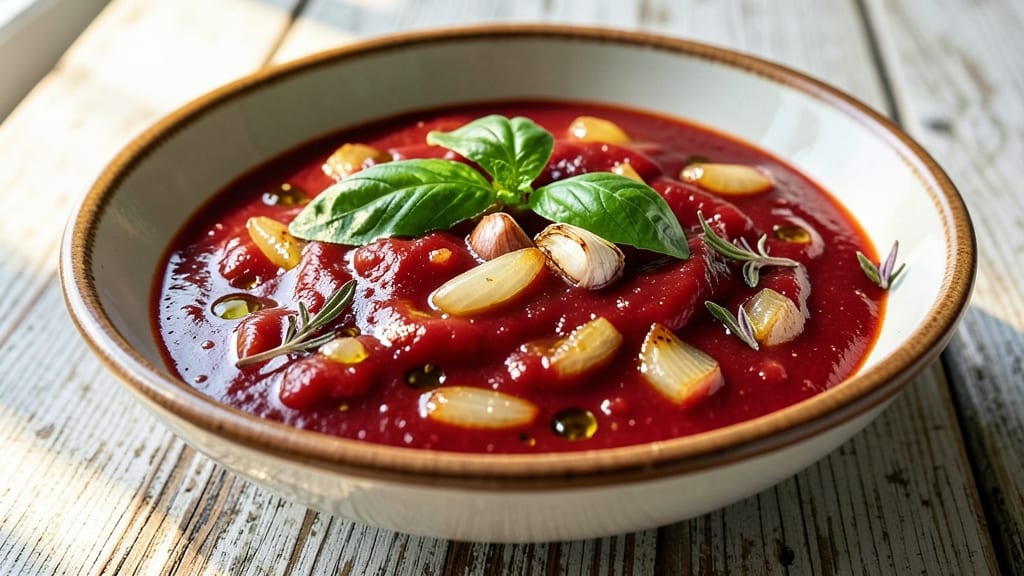
This basic Italian spaghetti sauce recipe delivers the rich, aromatic foundation of every classic pasta dish—simmered tomatoes, fresh herbs, and garlic working together in perfect harmony. The key lies in slow cooking to develop deep flavors and achieve that ideal consistency: thick enough to cling to pasta without being gluey.
I've refined this method over years of testing, ensuring it works equally well as a standalone sauce or as the star of your next Italian meal.
The beauty of this recipe is its simplicity: just 5 core ingredients—canned tomatoes, garlic, onion, olive oil, and herbs—but the technique makes all the difference. We'll build flavor through gradual simmering, allowing the tomatoes to break down into a velvety sauce while the aromatics infuse every spoonful.
This isn't just a sauce; it's the heart of your Italian dinner, packed with umami from the tomatoes and bright herbaceous notes that cut through the richness.
What sets this sauce apart is its versatility. Start with the basic version, then customize with meatballs, sausage, or mushrooms for heartier variations. The 30-minute simmer ensures maximum flavor extraction while maintaining that perfect balance of acidity and sweetness.
Whether you're serving it over al dente spaghetti or using it as a pizza base, this sauce delivers restaurant-quality results at home.
Don't worry about complicated techniques—this sauce comes together with basic pantry staples and requires just 20 minutes of active time. The secret to success is patience: letting the sauce reduce naturally creates that perfect clingy texture that clings to every strand of pasta.
Ready to elevate your weeknight dinners? Let's get started with this timeless Italian classic.
Ingredients for basic italian spaghetti sauce
These eight ingredients transform into the heart of Italian dinners—rich, aromatic, and packed with umami.
| Ingredient | Amount | Notes |
|---|---|---|
| Canned San Marzano Tomatoes 🍅 | 28 oz | Crushed by hand for texture |
| Extra-Virgin Olive Oil 🫒 | ¼ cup | High-quality, fruity variety |
| Yellow Onion 🧅 | 1 whole | Finely chopped, not minced |
| Garlic Cloves 🧄 | 4 cloves | Fresh, peeled, lightly crushed |
| Fresh Basil Leaves 🌿 | ½ cup | Packed, stems removed |
| Fresh Oregano Leaves 🍃 | ¼ cup | Or 1 tbsp dried oregano |
| Sea Salt 🧂 | 1 ½ tsp | Diamond Crystal preferred |
| Black Peppercorns 🌶️ | ½ tsp | Freshly cracked, coarse |
The tomatoes are everything here. San Marzano is the gold standard—sweet, meaty, and perfect for crushing by hand. If you can't find them, whole peeled tomatoes work too (just crush them yourself). The olive oil should be extra-virgin—none of that light cooking oil nonsense. I grab mine from Trader Joe's or Whole Foods; their Italian olive oils are always spot-on. Fresh garlic and onion are non-negotiable—they build the aromatic base that makes this sauce sing. Pro tip: Toast the onion in the oil until golden for deeper flavor.
No fresh basil? Dried oregano at half the amount works in a pinch, but nothing beats the fresh stuff. Want more depth? Add a pinch of red pepper flakes or a splash of dry red wine (about 2 tbsp). The tomatoes can be whole or crushed—just don't use that pre-crushed canned garbage. If you're short on time, passata is a great shortcut, but crushing whole tomatoes gives that rustic texture. And for the love of pasta, salt gradually—you can always add more, but you can't take it out.
This sauce tastes even better the next day—3-4 days in the fridge, no problem. For longer storage, freeze in ice cube trays or small containers. Thaw overnight in the fridge or reheat directly from frozen. Double the batch and freeze half—you'll thank me later. The key to reheating? Low heat, stirring often. If it gets too thick, add a splash of water or pasta water. And trust me, leftovers make the best sandwiches.
Why You'll Love This Recipe
- Here’s what sold me: that moment when the garlic sizzles in the olive oil and the basil hits the pot. The garlic softens into a mellow sweetness, while the basil leaves release their perfume like a fresh Italian breeze. It’s the kind of flavor that makes you pause mid-stir and think, "Wait, is this really just spaghetti sauce?"
- I’ll be real: this sauce tastes better the next day. The flavors meld, the acidity mellows, and suddenly you’ve got a pot of liquid gold that costs pennies per serving. Double the batch, freeze half, and thank me when you’re reheating a jar of this stuff in January and it still tastes like you slaved over it.
Step-by-step instructions for simmered tomatoes and herbs from scratch
Here's how to build a rich, aromatic Italian spaghetti sauce that tastes like it simmered all day.
Sauté the Aromatics Until Golden
Heat the 0.25 cup extra-virgin olive oil in a large, deep saucepan over medium heat. Add the 1 whole yellow onion, chopped into small pieces, and cook for 5-6 minutes until soft and translucent. You'll see the onion release its sweetness and begin to caramelize slightly at the edges.
Next, add the 4 cloves garlic, lightly crushed, and cook for another 30 seconds until fragrant. This step is crucial—it builds the flavor foundation. If the garlic starts to brown too quickly, reduce the heat slightly. You want it to infuse the oil without burning, which would make the sauce bitter. Stir occasionally to prevent sticking, and keep the heat steady. The onions should be tender but not crispy by the end of this step.
Add Tomatoes and Seasonings
Pour in the 28 oz canned San Marzano tomatoes, crushing them by hand as you add them to break up the chunks. This creates a smoother texture while keeping some body. Stir well to combine with the onions and garlic, then add the 1.5 tsp sea salt and 0.5 tsp black peppercorns. The salt should dissolve completely, and the peppercorns will add a subtle, coarse texture as they soften.
Bring the mixture to a gentle boil, then reduce the heat to low so it simmers steadily. This low-and-slow approach allows the flavors to meld deeply. You'll see small bubbles forming at the edges of the saucepan, but it shouldn't be rolling or splattering. Let it simmer uncovered for 20 minutes, stirring occasionally. This initial simmer helps break down the tomatoes and release their natural sweetness.
Incorporate Fresh Herbs
After 20 minutes, stir in the 0.5 cup fresh basil leaves and 0.25 cup fresh oregano leaves. These herbs will brighten the sauce with their fresh, vibrant flavors. The basil should be packed and stems removed, while the oregano leaves can be torn by hand for a more rustic texture. Give the sauce a final taste and adjust the seasoning if needed—perhaps a pinch more salt or a crack of extra pepper.
Continue simmering for another 10-15 minutes until the sauce thickens slightly and coats the back of a spoon. You're looking for a consistency that's rich but still pours smoothly over spaghetti. The sauce should smell deeply aromatic, with the herbal notes blending seamlessly with the tomatoes. If it thickens too much, add a splash of water or pasta water to loosen it. This step is where the magic happens—the herbs infuse the sauce with their essence, making it taste like a true Italian classic.
Rest and Serve
Remove the sauce from heat and let it rest for 5 minutes. This resting period allows the flavors to settle and the sauce to thicken slightly as it cools. Taste again and adjust the seasoning one last time if necessary. The sauce should be balanced—sweet from the tomatoes, savory from the onions and garlic, and bright from the herbs.
Serve the sauce immediately over al dente spaghetti, tossing it gently to coat each strand. The sauce should cling beautifully, with a glossy finish that shimmers in the light. If you're not serving it right away, store it in an airtight container in the refrigerator for up to 5 days, or freeze it for up to 3 months. The flavors will only deepen over time, making it even more delicious the next day.
Pro Tips For Making Basic Italian Spaghetti Sauce
- CRANK THE HEAT LOW: Once your onions and garlic are golden, drop the sauce to a simmer—not a boil. I used to rush this, and the tomatoes would break down into mush instead of melding into a rich, velvety base. Low and slow (20-30 minutes) builds depth without turning your sauce into tomato soup.
- CHOP ONIONS FINE: Tiny dice, not slices. I learned this the hard way—thick onion pieces sit like rocks in your sauce, refusing to soften properly. A food processor for this step saves time, and you’ll taste the sweetness evenly throughout, not just in a few stubborn chunks.
- SALT THE TOMATOES FIRST: Before crushing or adding them to the pot, sprinkle a generous pinch of salt directly into the can. This draws out excess water, concentrating the flavor immediately. Skip this, and your sauce will taste diluted, no matter how much you reduce it later.
- SAVE BASIL FOR FINISHING: Tossing fresh basil in while the sauce cooks kills its bright flavor—it turns bitter and sad. Instead, tear a handful into ribbons and fold it in at the very end, just before serving. (Yes, even if you’re impatient like me.)
Pro cooking tips for perfect results
Low-and-Slow Simmering
This sauce thrives on patience—simmering at low heat for 30 minutes develops deep, complex flavors while preventing the tomatoes from turning mushy. I use a heavy-bottomed Dutch oven (like my Le Creuset) to distribute heat evenly. If your pan is lightweight, reduce the heat to medium-low to avoid scorching.
The goal is small, steady bubbles—not a rolling boil—that let the sauce reduce gradually. Stir every 5 minutes to prevent sticking and ensure even cooking. 🌡️
Crushing Tomatoes Properly
Never use pre-crushed canned tomatoes—they release too much liquid and create a watery sauce. Instead, crush San Marzano tomatoes by hand with your fingers or a wooden spoon while adding them to the pot. This breaks down the skins slightly while keeping some texture.
For extra rustic flavor, I sometimes add 1 tbsp tomato paste at the start to deepen the color and richness. If you prefer a smoother sauce, blend half the tomatoes after simmering for 15 minutes and mix back in. 🍅
Herb Timing Matters
Adding fresh herbs at the 20-minute mark ensures their bright flavors shine without wilting into the sauce. Basil and oregano release their essential oils during the final 10-15 minutes of simmering, creating that signature Italian aroma.
For maximum freshness, I use Penzeys Italian Herb Blend when fresh herbs aren't available. If you're short on time, add dried herbs with the tomatoes but reduce to ½ tsp each—they're more concentrated. 🌿
Salt Gradually, Taste Often
Start with 1 tsp sea salt and add the remaining ½ tsp in increments during simmering. This gradual approach prevents over-salting while allowing flavors to develop. Taste the sauce at 15-minute intervals—you'll notice the tomatoes sweeten as they break down.
If it needs more depth, a splash of dry red wine (about 2 tbsp) or a pinch of sugar balances acidity beautifully. Remember: you can always add more salt, but you can't remove it. 🧂
Consistency Control
For a sauce that clings perfectly to pasta, aim for a consistency where it coats the back of a spoon but still pours smoothly. If it thickens too much, loosen with 1-2 tbsp pasta water or reserved cooking liquid.
Avoid adding water directly—it dilutes the flavor. Pro tip: Simmer uncovered to let excess moisture evaporate naturally. If you're making this ahead, the sauce will thicken further as it cools, so adjust while warm. 💡
Nutrition facts
Frequently asked questions
Can I use regular canned tomatoes instead of San Marzano?
Yes, but you'll notice a difference in flavor. San Marzano tomatoes are sweeter and meatier, giving that authentic Italian taste. For a budget-friendly option, use whole peeled tomatoes instead of crushed—just crush them by hand when adding to the pot. If you must use pre-crushed, add 1 extra tablespoon tomato paste to compensate for the thinner texture.
How do I make this sauce vegetarian or vegan?
This recipe is already vegetarian! For vegan, simply use vegetable broth instead of beef broth and ensure your olive oil is certified vegan. The sauce's richness comes from the tomatoes and herbs, so no animal products are needed. You can also add mushrooms or lentils for extra protein if desired.
Why does my sauce turn out too thick or too thin?
Sauce consistency depends on simmering time and liquid reduction. For a thicker sauce, simmer uncovered for 5-10 extra minutes or add 1 tbsp tomato paste at the start. If it's too thin, simmer longer or reduce heat slightly to let moisture evaporate naturally. Never add water—it dilutes the flavor. For thin sauce, stir in 1-2 tbsp pasta water to loosen it while keeping the flavor intact.
Can I make this sauce ahead of time?
This sauce tastes even better the next day. Store it in an airtight container in the fridge for up to 5 days. For longer storage, freeze in ice cube trays or small containers. Thaw overnight in the fridge or reheat directly from frozen. The flavors deepen over time, making it perfect for meal prep. Just reheat gently on low heat, stirring occasionally.
What can I do if my sauce tastes too acidic?
If the sauce tastes too tangy, balance it with a pinch of sugar (about ½ teaspoon) or a splash of dry red wine (about 2 tablespoons). Simmer for 2-3 minutes to let the flavors meld. The acidity comes from the tomatoes, so adding a small amount of tomato paste can also help round out the flavor. Taste as you go—Italian sauces should be bright but balanced.