Sauces & Condiments
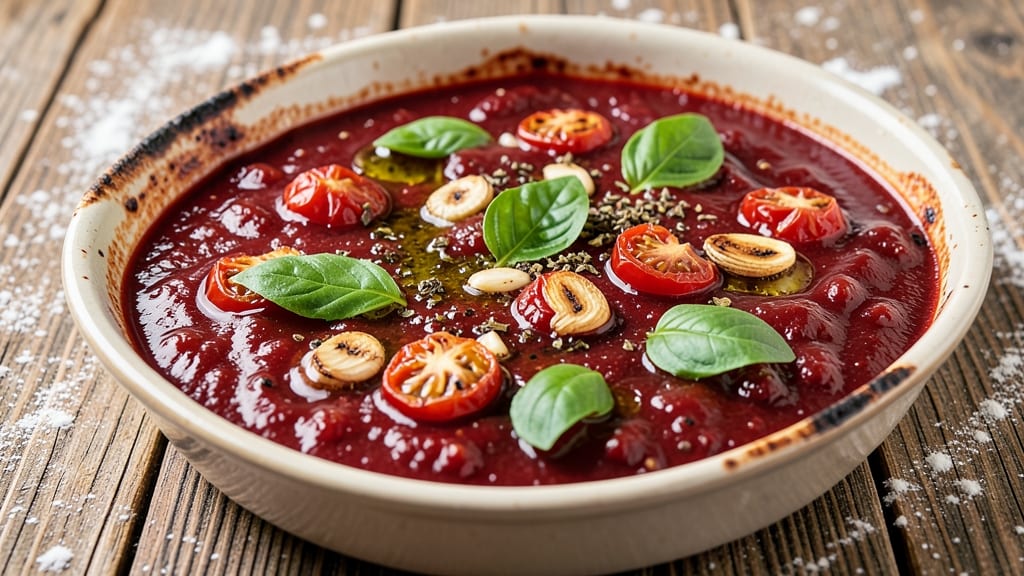
A basic lasagna sauce recipe doesn’t require hours of simmering—just a few simple ingredients and a method that builds deep, savory layers. This sauce delivers the perfect balance of tomato sweetness and aromatic herbs, with optional meat or cheese for extra depth.
The secret lies in slow-cooked tomatoes and garlic, which meld into a velvety, flavorful base that works for lasagna or any pasta dish.
What sets this sauce apart is its versatility and simplicity. You’ll start with canned tomatoes for convenience, but the real magic happens when you toast garlic and herbs to release their natural oils.
A splash of red wine (optional) adds complexity, while a sprinkle of cheese or ground meat at the end creates that signature lasagna richness. The result? A sauce that’s bold enough to stand alone but flexible enough to adapt to any recipe.
This sauce develops even better the next day, as flavors deepen and the texture becomes luxuriously thick. It’s perfect for meal prepping—simmer a big batch, store it in the fridge, and use it all week in lasagna, stuffed shells, or as a marinara for spaghetti.
The key is patience; letting it simmer low and slow ensures every bite is packed with flavor without overpowering your dish.
Whether you’re making lasagna for a crowd or just want a reliable sauce on hand, this recipe is your go-to. It’s the foundation of countless Italian classics, and with just a few pantry staples, you’ll have a sauce that tastes like it came straight from a family kitchen.
Let’s get started—your lasagna layers are waiting.
Ingredients for basic lasagna sauce
Just eleven ingredients for lasagna sauce that tastes homemade but takes less than 30 minutes.
| Ingredient | Amount | Notes |
|---|---|---|
| Canned San Marzano Tomatoes 🍅 | 28 oz | Crushed by hand or with fork |
| Garlic Cloves 🧄 | 4 cloves | Minced after toasting |
| Extra-Virgin Olive Oil 🫒 | ¼ cup | For toasting garlic |
| Dried Oregano 🌿 | 1 tbsp | Or 1 tbsp fresh chopped |
| Dried Basil 🌿 | 1 tbsp | Or 1 tbsp fresh chopped |
| Red Wine 🍷 | ½ cup | Dry variety, optional |
| Vegetable Broth 💧 | 1 cup | Low-sodium preferred |
| Salt 🧂 | 1 tsp | Diamond Crystal preferred |
| Black Pepper 🌶️ | ½ tsp | Freshly ground |
| Ground Beef 🥩 | ½ lb | 80% lean, optional |
| Parmesan Cheese 🧀 | ¼ cup | Freshly grated, optional |
San Marzano tomatoes are the gold standard for lasagna sauce—their sweetness and low acidity make all the difference. Grab a can from Trader Joe's or Whole Foods if you want to splurge, but any good-quality crushed tomatoes work. The garlic? Toast it in olive oil first—this releases its natural oils and deepens the flavor. I usually grab a head of garlic from the store's fresh produce section, but pre-minced works in a pinch. For the herbs, dried is fine but fresh basil and oregano give that bright, fresh taste that jarred sauces can't match.
No red wine? Skip it or use beef broth—it adds depth but isn't essential. The vegetable broth keeps things vegetarian-friendly, and it's a great way to stretch the sauce if you're making a big batch. Want to make this meatless? Omit the ground beef entirely or swap it for mushrooms or lentils. The Parmesan is optional but adds that signature lasagna richness—freshly grated is key—pre-grated gets clumpy. If you're prepping ahead, make a double batch and freeze half. The flavors only get better with time, and you'll have sauce ready for your next pasta night.
This sauce tastes even better the next day—plan ahead. Store it in an airtight container in the fridge for up to 5 days, or freeze for 3 months. I like to portion it into 2-cup containers so I can grab exactly what I need for lasagna or spaghetti. If the sauce gets too thick, just add a splash of water or broth. And if it's too thin? Simmer it uncovered for another 5-10 minutes to reduce. The key is patience—let it develop its flavors, and you'll have a sauce that rivals any restaurant-quality dish.
Why You'll Love This Recipe
- Pantry Magic: I swear by this sauce because it turns five ingredients into something restaurant-worthy. No fancy prep—just crush garlic, simmer, and let the San Marzano tomatoes shine. That’s it.
- Garlic-Basil Bomb: Between us, the slow-simmered garlic and fresh basil (or dried, if you’re lazy) make this sauce ridiculously good. It’s the kind of flavor that lingers—like a hug from your favorite nonna.
- Meal Prep MVP: This sauce doubles perfectly for lasagna and ravioli, or even a quick skillet dinner. I make a big batch on Sundays and freeze half—because who has time for last-minute shopping?
- Budget Buster: San Marzano tomatoes and olive oil might sound fancy, but they stretch farther than store-brand sauce. Plus, dried herbs cost pennies and last forever. My wallet thanks me every time.
Step-by-step instructions for basic lasagna sauce
Here's how to build a rich, flavorful lasagna sauce that delivers restaurant-quality depth.
Toast the Garlic in Olive Oil
Heat the 0.25 cup extra-virgin olive oil in a large Dutch oven or heavy pot over medium-low heat. Add the 4 cloves garlic cloves and cook until they're golden brown and fragrant, about 3-4 minutes. Watch carefully—they'll burn quickly once they turn golden.
This toasting step is crucial—it deepens the garlic flavor and prevents a raw taste in your sauce. Remove the pan from heat immediately after the garlic turns golden, then set it aside for now. I like to keep the garlic in the oil because those crispy bits add incredible flavor later.
Brown the Ground Beef
Return the pot to medium-high heat and add the 0.5 lb ground beef, breaking it apart with a wooden spoon. Cook until the beef is well browned and no longer pink, about 5-7 minutes. Drain any excess fat that accumulates, leaving about 1 tablespoon in the pot for flavor.
Don't skip this browning step—it creates a rich, meaty foundation for your sauce. If your beef cooks too quickly, reduce the heat slightly to prevent burning. You're looking for small, crispy brown bits that'll dissolve into the sauce later.
Build the Tomato Base
Pour in the 0.5 cup red wine and scrape up all those browned bits from the bottom of the pot. Let it simmer for 2-3 minutes until mostly evaporated. Then add the 28 oz crushed San Marzano tomatoes, 1 cup vegetable broth, 1 tbsp dried oregano, 1 tbsp dried basil, 1 tsp salt, and 0.5 tsp black pepper. Stir well to combine.
Bring everything to a gentle simmer over medium heat. The sauce should bubble steadily but not vigorously. Here's the thing—San Marzano tomatoes are sweeter and less acidic than regular canned tomatoes, so you'll get a naturally balanced flavor without needing extra sugar or acid.
Simmer and Develop Flavor
Reduce the heat to low and let the sauce simmer uncovered for 30-45 minutes, stirring occasionally. You're looking for the sauce to thicken slightly and develop deep, complex flavors. The alcohol from the wine will cook off completely during this time.
If the sauce gets too thick, add 1-2 tablespoons water to loosen it. I like to taste it as it simmers—this is where you can adjust seasoning. The sauce should be rich, slightly sweet, and well-seasoned. For extra depth, you can add the toasted garlic back in during the last 5 minutes of cooking.
Finish with Parmesan
Once the sauce has thickened to your desired consistency (it should coat the back of a spoon), remove it from heat. Stir in the 0.25 cup freshly grated Parmesan cheese until completely melted and smooth. Let the sauce sit for 5-10 minutes to allow all the flavors to meld together.
This final step adds a beautiful umami depth and creamy texture. The sauce should be rich, flavorful, and ready to layer between your lasagna noodles. If you're making lasagna, use about 3 cups of this sauce for a standard 9x13-inch pan, reserving some for the top layer.
Pro Tips For Making Basic Lasagna Sauce
- CRUSH THE GARLIC: After burning three batches, I finally figured out—smash those garlic cloves with the flat side of your knife before mincing. This releases more flavor and prevents them from burning into bitter bits while you’re sautéing in the olive oil. (Yes, even if you’re impatient like me.)
- SIMMER LOW AND LONG: I used to rush this sauce, thinking it’d be fine at a rolling boil. Wrong. Let it bubble gently for at least 30 minutes—uncovered—to let the tomatoes break down and deepen in flavor. The longer it simmers, the richer the sauce, and that’s non-negotiable for lasagna.
- SALT THE CANNED TOMATOES: San Marzano tomatoes are low-sodium, but lasagna sauce needs bold flavor. Drain the crushed tomatoes into a colander, rinse briefly, then toss them back in the pot with 1½ teaspoons of salt right at the start. This guarantees seasoning from the get-go, not just at the end.
- TOAST THE HERBS FIRST: Dry toast the oregano and basil in the olive oil for 30 seconds before adding the garlic. This blooms their aroma and prevents them from turning bitter as the sauce cooks. (Sounds weird, but it works—trust the process.)
Health benefits of this dish
Lycopene-Rich Tomato Base
This lasagna sauce is packed with lycopene, a powerful antioxidant found in tomatoes that supports heart health and may reduce the risk of certain cancers. Cooking tomatoes actually increases lycopene absorption—San Marzano tomatoes provide the highest concentration.
A 1-cup serving delivers about 25% of your daily lycopene needs, making this sauce a heart-smart choice. 💪
Herb-Packed Antioxidants
The combination of oregano and basil in this sauce brings more than just flavor—they're loaded with antioxidants like rosmarinic acid and quercetin. Fresh herbs contain even more antioxidants than dried, but either works.
These compounds help fight inflammation and support your immune system. I always keep fresh basil on hand for this reason.
Protein Boost Options
Adding ground beef (or plant-based alternatives) transforms this into a complete protein source. A ½ lb serving provides about 25 grams of protein, perfect for muscle repair and satiety.
For vegetarians, mushrooms or lentils offer similar benefits while keeping the dish heart-healthy. The Parmesan cheese adds extra protein and calcium for bone strength.
Low-Sodium Advantage
Using low-sodium vegetable broth and controlling salt additions keeps this sauce heart-friendly. The Diamond Crystal salt (coarse texture) dissolves more slowly, giving you better control over seasoning.
This matters because excess sodium can raise blood pressure. I often reduce the salt to ½ tsp if using low-sodium broth and adjust to taste.
Fiber for Digestion
The crushed tomatoes provide dietary fiber (about 3 grams per cup), which supports digestive health and helps stabilize blood sugar. Fiber also makes this sauce more filling, helping you feel satisfied after meals.
For extra fiber, add chickpeas or lentils to the sauce while simmering. The texture remains smooth while boosting nutritional value.
Meal Prep Nutrition
This sauce's thick, rich texture makes it perfect for meal prep while maintaining nutritional benefits. The tomato base provides vitamin C and potassium, while the herbs add vitamin K. Freezing preserves these nutrients—just thaw in the fridge overnight for best results.
I make double batches to have healthy sauce ready for lasagna or pasta all week. ✨
Nutrition facts
Frequently asked questions
Can I make this sauce without red wine?
Skip the wine or substitute ½ cup beef broth instead. The wine adds depth but isn't essential—your sauce will still be flavorful. For extra richness, add 1 tablespoon tomato paste when building the tomato base. The key is balancing sweetness and acidity, so taste as you go.
How do I adjust the thickness of the sauce?
If your sauce is too thick, add 1-2 tablespoons water or broth while simmering. For a thicker texture, simmer uncovered for 5-10 extra minutes to reduce. The ideal consistency coats the back of a spoon but remains smooth. Pro tip: Let it rest 10 minutes after cooking—it thickens further as it cools.
Can I use fresh tomatoes instead of canned?
Yes, but you'll need to prep them first. Use 4-5 large ripe tomatoes, roast them at 400°F for 20 minutes, then peel, seed, and crush. Fresh tomatoes are more acidic, so add ½ teaspoon sugar to balance. Canned San Marzano tomatoes are still ideal—they're sweeter and less watery.
What's the best way to store leftover sauce?
Store in an airtight container in the fridge for up to 5 days or freeze for 3 months. For freezing, portion into 2-cup containers to thaw exactly what you need. The flavors deepen when refrigerated, making it perfect for meal prep. Label with the date—frozen sauce lasts longest when used within 3 months.
Why does my sauce taste bland?
Bland sauce usually means under-seasoned tomatoes or insufficient simmering. Boost flavor by adding 1 extra garlic clove, ½ teaspoon red pepper flakes, or a pinch of sugar to balance acidity. Always simmer uncovered for at least 30 minutes—this lets flavors meld. Taste as you go and adjust salt, pepper, or herbs gradually.