
Sauces & Condiments
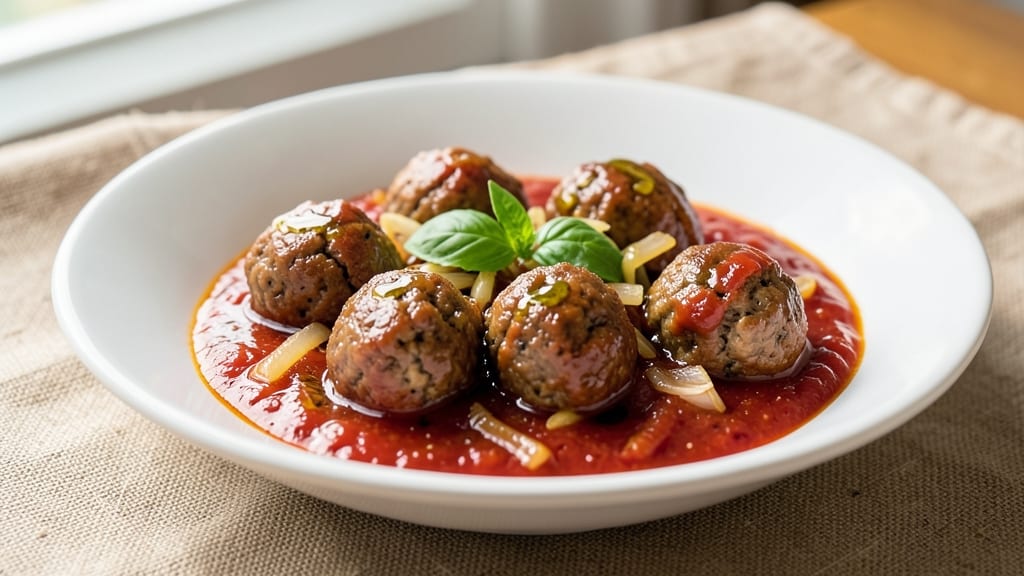
A basic meatball sauce recipe transforms simple ingredients into rich, aromatic tomato goodness that clings perfectly to meatballs. This simmered sauce delivers deep flavor in just 20 minutes—no complicated techniques required. The key lies in balancing sweet tomatoes, aromatic herbs, and a touch of acidity that brightens every bite.
What makes this sauce truly special is its versatility and simplicity. With just a handful of pantry staples—canned tomatoes, garlic, onion, and herbs—you'll create a sauce that's both restaurant-quality and effortless.
The slow simmer allows flavors to meld beautifully, while a splash of red wine or broth adds depth without overpowering the natural tomato taste.
By the time you're done, you'll have a velvety, slightly thickened sauce with layers of sweetness and acidity that perfectly complement meatballs. The aroma alone will have everyone anticipating dinner, and the texture—smooth yet slightly chunky—ensures every spoonful is packed with flavor.
This sauce elevates any meal, whether served over pasta, with meatballs, or as a dip for crusty bread.
Perfect for meal prep or a quick weeknight dinner, this recipe scales effortlessly. Store leftovers in the fridge for up to five days, or freeze for longer storage. The simplicity of the ingredients and the foolproof method make it ideal for both beginners and seasoned cooks alike.
Ingredients for basic meatball sauce
Pantry staples and fresh aromatics combine for restaurant-quality meatball sauce in minutes.
| Ingredient | Amount | Notes |
|---|---|---|
| Canned San Marzano Tomatoes 🍅 | 2 cups | Crushed by hand for texture |
| Yellow Onion 🧅 | 1 whole | Finely diced for even cooking |
| Garlic Cloves 🧄 | 4 cloves | Minced for aromatic release |
| Extra-Virgin Olive Oil 🫒 | 2 tbsp | High quality for richness |
| Dry Red Wine 🍷 | ½ cup | Bold Cabernet Sauvignon preferred |
| Tomato Paste 🍅 | 2 tbsp | Squeeze tube preferred |
| Fresh Basil Leaves 🌿 | ¼ cup | Chopped for fresh aroma |
| Dried Oregano 🍃 | 1 tsp | Mediterranean variety preferred |
| Ground Black Pepper 🌶️ | ½ tsp | Freshly cracked preferred |
| Diamond Crystal Kosher Salt 🧂 | 1 ½ tsp | Adjust to taste |
The tomatoes are the foundation—San Marzano delivers the sweet, meaty flavor that makes this sauce exceptional. If you can't find them, any high-quality canned tomatoes work, but avoid those with added salt or preservatives. Whole Foods or Trader Joe's carry excellent options. For the onion, yellow or red both work, but yellow has a slightly sweeter profile. The garlic should be fresh—peeled and minced just before adding to prevent bitterness. Extra-virgin olive oil makes all the difference here; California Extra Virgin or Colavita are reliable brands that elevate the sauce's richness.
No red wine? Substitute with beef broth or additional tomato juice—the acidity remains key. Fresh basil is ideal, but dried basil at one-third the amount works in a pinch. If you're using a squeeze tube of tomato paste, Trader Joe's or Muir Glen are both excellent choices. For the herbs, Italian seasoning blends can replace oregano, but the flavor will be slightly different. The sauce's depth comes from balancing sweet, acid, and umami—don't skip the tomato paste, even if it's just a tablespoon.
This sauce thickens as it simmers, but you can adjust consistency with a splash of water or a cornstarch slurry if needed. Store in airtight containers for up to 5 days in the fridge, or freeze for 3 months. For meal prep, make a double batch—it reheats beautifully and tastes even better the next day. The sauce pairs perfectly with meatballs, pasta, or crusty bread, making it a versatile pantry staple. Always taste as you go; adjust salt gradually to avoid over-seasoning.
Why You'll Love This Recipe
- Wine-Infused Depth: I swear by the splash of dry red wine—it cuts through the acidity of the tomatoes and adds a richness that store-bought sauce just can’t match. That first sip of aroma when you stir it? Pure reward for five minutes of work.
- Pantry Magic: Honestly, this is the kind of recipe that turns "I don’t feel like cooking" into "I’ll have dinner ready before the kids even notice." One can of tomatoes, one onion, a few cloves of garlic—no fancy prep, no second-guessing. The San Marzano tomatoes alone make it taste like you slaved over it.
- Leftovers That Beg: Between us, this sauce only gets better after it sits. The flavors meld overnight, so you’re left with a pot that’s actually worth reheating—no sad, watery second helpings here. I freeze half the batch; it’s my go-to for lazy Mondays or when company drops by unannounced.
- Weeknight Workhorse: This isn’t just for spaghetti nights. Toss it with roasted chicken, spoon it over polenta, or use it as a marinara base for baked ziti. (Yes, even on a Tuesday night.) The wine and olive oil combo keeps it flexible enough to play backup for whatever’s on the menu.
Step-by-step instructions for simmered tomato meatball sauce
Aromatic, balanced, and built on quality ingredients—this sauce delivers restaurant-style depth in minutes.
Sauté Onion and Garlic Until Translucent
Heat the 2 tablespoons extra-virgin olive oil in a medium saucepan over medium heat. Add the finely diced yellow onion and cook for 5-6 minutes, stirring occasionally, until soft and translucent. This foundational step develops sweetness that carries through the entire sauce.
Reduce heat to medium-low and add the minced garlic cloves. Cook for 30 seconds until fragrant—you'll smell the aroma immediately. Be careful not to let the garlic brown; it should remain pale gold. This prevents bitterness and ensures a clean flavor profile for your sauce.
Deglaze with Wine and Add Tomato Paste
Pour in the ½ cup dry red wine and scrape up any browned bits from the bottom of the pan using a wooden spoon. This deglazing technique captures all the concentrated flavors you've built. Let the wine simmer for 2-3 minutes until reduced by half, intensifying its depth.
Lower heat to medium-low again and stir in the 2 tablespoons tomato paste. Cook for 1 minute, stirring constantly, until the paste dissolves completely. This creates a rich, velvety base that prevents the sauce from being too watery. The paste also adds natural sweetness that balances the acidity of the tomatoes.
Build the Sauce with Tomatoes and Seasonings
Add the 2 cups crushed San Marzano tomatoes, 1 teaspoon dried oregano, ½ teaspoon ground black pepper, and 1½ teaspoons Diamond Crystal kosher salt. Stir well to combine all ingredients. Bring the mixture to a gentle simmer over medium heat, then reduce to low heat to maintain a slow, steady simmer.
Let the sauce cook uncovered for 8-10 minutes, stirring occasionally. You'll notice the sauce thickens slightly as the tomatoes break down and release their juices. This simmering process develops the sauce's complexity—allowing flavors to meld and the acidity to mellow.
Finish with Fresh Basil and Adjust Seasoning
Remove the pan from heat and stir in the ¼ cup chopped fresh basil leaves. The basil's bright, fresh aroma will elevate the sauce's flavor profile. Taste and adjust seasoning if needed—you may need to add a pinch more salt or pepper to balance the flavors.
Let the sauce rest for 5 minutes before serving. This brief resting period allows the flavors to fully integrate, resulting in a sauce that's rich, balanced, and ready to pair perfectly with your meatballs. The sauce should coat the back of a spoon with a velvety texture, not be overly thick or watery.
Pro Tips For Making Basic Meatball Sauce
- SAUTÉ THE ONION LOW: I used to blast the onion on high heat, and it turned bitter before it ever softened. For this sauce, keep it at a gentle simmer—just enough to make the edges translucent without any browning. That way, the onion melts into the tomatoes smoothly, not leaving you with a burnt aftertaste that ruins the whole dish.
- DEGLAZE WITH WINE, THEN WAIT: Pour in that red wine, but don’t stir right away—let it sit for 30 seconds to loosen the browned bits. Then scrape and stir. This step actually pulls more flavor from the pan than just dumping and mixing. (Yes, even if you’re impatient like me.)
- CRUSH TOMATOES BY HAND: Skip the blender—use your fingers or a wooden spoon to break up the San Marzano tomatoes right in the pot. This keeps the sauce chunkier and releases more juice, so you’re not left with a thick, gluey mess. (Your future self will thank you.)
- SALT THE TOMATOES FIRST: Before adding anything else, toss a big pinch of salt into the crushed tomatoes and let them sit for 5 minutes. This softens them and draws out the water, so your sauce reduces properly without turning watery halfway through cooking. (I learned this the hard way after three sauces that needed more time to thicken.)
Storing and reheating this recipe
Refrigerator Storage
Store your meatball sauce in an airtight glass container—I prefer Pyrex with a snap-on lid—and refrigerate for up to 5 days. The sauce actually improves overnight as the flavors meld together more deeply.
Always let it cool completely before sealing to prevent condensation, which can dilute the sauce. 🌡️
Freezer-Friendly Tips
For longer storage, freeze the sauce in quart-sized freezer bags or glass jars with 1-inch headspace to prevent cracking. Label with the date—it stays fresh for 3 months without significant quality loss. I recommend portioning into 1-cup servings for easy reheating later. Thaw overnight in the fridge for best results.
Stovetop Reheating
My preferred method is reheating on the stovetop to maintain texture. Pour the sauce into a saucepan, add 2 tablespoons water or broth, and simmer over medium-low heat for 5-7 minutes, stirring occasionally.
This prevents sticking and restores the sauce's velvety consistency. Taste and adjust seasoning—it often needs a pinch of salt after reheating.
Microwave Shortcuts
For quick meals, transfer sauce to a microwave-safe bowl, cover loosely with a damp paper towel, and heat on 50% power for 1-2 minutes. Stir halfway through to ensure even heating.
Avoid overcooking—this can make the sauce watery. If it thickens too much, add a splash of water or broth to restore the perfect consistency.
Sauce Consistency Fixes
If your reheated sauce is too thick, stir in 1 tablespoon water or broth at a time until it reaches a smooth, spoonable consistency. For sauces that are too thin, simmer uncovered for 2-3 extra minutes to reduce.
I’ve found that adding ½ teaspoon cornstarch mixed with 1 tablespoon water works like magic for instant thickening. 💡
Meal Prep Pro Tips
Double the recipe and freeze half for future meals—this sauce reheats beautifully and tastes even better the next day. When reheating, always add a splash of liquid to prevent drying out.
Store leftovers in the fridge for up to 5 days, but I recommend using them within 3 days for peak flavor. The sauce pairs perfectly with meatballs, pasta, or even as a dip for garlic bread.
Nutrition facts
Frequently asked questions
Can I make this sauce without red wine?
Replace the ½ cup red wine with ½ cup beef broth or tomato juice for the same acidity and depth. The wine adds complexity, but these substitutes work beautifully. For extra richness, add 1 teaspoon soy sauce or balsamic vinegar to mimic the wine's umami notes.
How do I adjust the thickness of my sauce?
If your sauce is too thin, simmer uncovered for 2-3 extra minutes to reduce. For instant thickening, mix ½ teaspoon cornstarch with 1 tablespoon water, stir into the sauce, and simmer for 1 minute until it reaches your desired consistency. If it's too thick, add 1 tablespoon water or broth at a time until smooth.
Can I use fresh tomatoes instead of canned?
Yes, but you'll need 4-5 large ripe tomatoes (about 2 cups chopped). Roast them at 400°F for 20 minutes first to concentrate their flavor, then blend or crush before adding to the sauce. Fresh tomatoes work best when cooked down significantly to avoid wateriness.
What herbs can I substitute for basil?
Fresh basil is ideal, but you can use ½ teaspoon dried basil or 1 teaspoon Italian seasoning as substitutes. For a different twist, try thyme or rosemary (use ¼ teaspoon each) for an earthy depth. The key is balancing the sauce's bright tomato flavor with complementary herbs.
Why did my sauce turn out too acidic?
This usually happens when using too many tomatoes or not enough sugar to balance the acidity. Add ½ teaspoon sugar or 1 teaspoon tomato paste to sweeten the sauce, or stir in ½ teaspoon balsamic vinegar to mellow the sharpness. Taste as you go—acidity should be bright, not overpowering.