
Sauces & Condiments
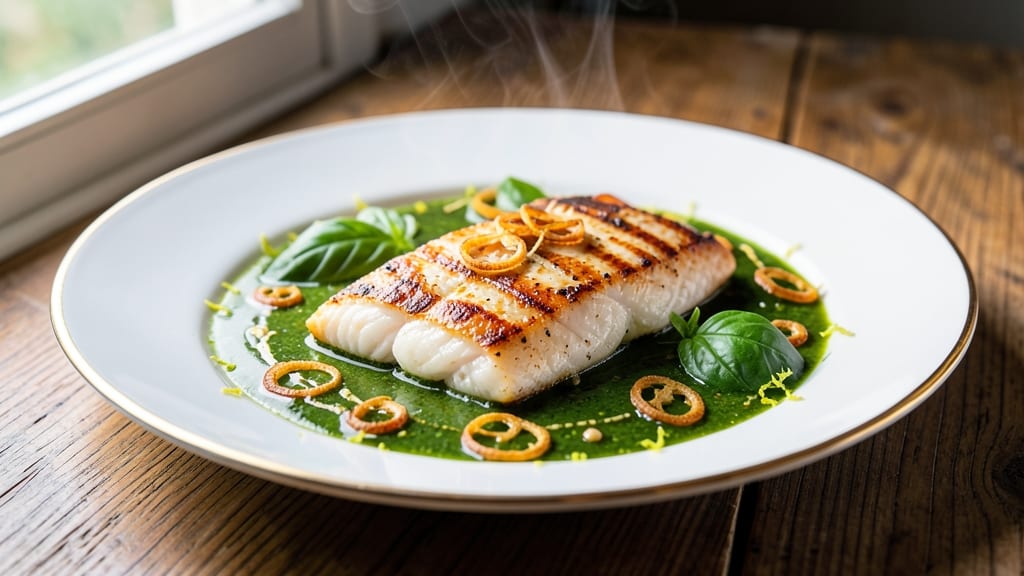
This basil fish sauce recipe transforms simple grilled fish into a restaurant-worthy masterpiece with its vibrant herbal glaze. The secret lies in balancing fresh basil, bright lemon, and aromatic garlic—creating a sauce that enhances delicate fish flavors without overpowering them.
Professional chefs rely on this technique to elevate even the most basic fillets into gourmet creations.
The sauce begins with a fragrant base of olive oil, garlic, and shallots, gently simmered until fragrant but never burnt. Fresh basil and lemon juice are added last to preserve their bright, herbal qualities.
This versatile glaze works perfectly on grilled salmon, pan-seared cod, or even baked sea bass, adding a sophisticated touch to any seafood dish.
What sets this sauce apart is its ability to complement rather than compete with the natural taste of fish. The acidity from the lemon cuts through richness, while the basil adds an aromatic freshness that pairs beautifully with grilled or seared seafood.
Ready in just 10 minutes, this sauce delivers professional results without requiring advanced techniques.
Use it as a finishing glaze, drizzled over cooked fish, or mix it into a light marinade for extra flavor penetration. The possibilities are endless, making this the ultimate herbal companion for any seafood preparation. Let's create this bright, flavorful sauce that will elevate your fish dishes to new heights.
Ingredients for basil sauce recipe for fish
Nine carefully selected ingredients create this restaurant-quality basil fish sauce glaze.
| Ingredient | Amount | Notes |
|---|---|---|
| Extra-Virgin Olive Oil 🫒 | ½ cup | High-quality, fruity variety preferred |
| Garlic Cloves 🧄 | 4 cloves | Freshly minced for optimal aroma |
| Shallots 🧅 | ¼ cup | Finely diced, 2-3 medium shallots |
| Fresh Basil Leaves 🌿 | 1 ½ cups | Packed, stems removed for purity |
| Fresh Lemon Juice 🍋 | ¼ cup | Strained for smooth texture |
| Fish Sauce 🐟 | 1 tbsp | Red Boat preferred for authentic umami |
| Diamond Crystal Kosher Salt 🧂 | ½ tsp | Adjust to taste, fine grain preferred |
| Black Peppercorns 🌶️ | ¼ tsp | Freshly cracked for robust flavor |
| Honey 🍯 | 1 tsp | Optional, balances acidity |
The quality of your olive oil and basil makes all the difference here. Extra-virgin olive oil should have a peppery finish and be harvested within the last year for optimal freshness. For basil, seek out vibrant green leaves at your local farmers market—avoid wilted or yellowing stems. Red Boat fish sauce provides the authentic umami depth that elevates this sauce beyond basic herb blends. Shallots should be firm with papery skins, and any discoloration indicates age. Freshly cracked black peppercorns from Penzeys Spices deliver superior flavor compared to pre-ground alternatives. The honey, while optional, adds subtle sweetness that balances the sauce's acidity beautifully.
No fresh basil? Dried basil at one-third the amount works in a pinch, though texture will differ. Substitute shallots with finely diced red onion if needed, though flavor will be slightly sharper. For a vegan alternative to honey, agave nectar maintains the same sweetness profile. If fish sauce isn't available, soy sauce or coconut aminos provide a reasonable substitute though with different flavor nuances. The sauce can be made with or without honey—omit if you prefer a more tart profile. For a richer version, add 1 teaspoon of capers along with the fish sauce, though this alters the flavor balance.
This sauce maintains peak freshness for 5 days when refrigerated in an airtight container with a thin layer of olive oil poured over the top to preserve the basil's vibrant color. For longer storage, freeze in ice cube trays for up to 3 months, thawing at room temperature before use. The glaze reheats beautifully—simply warm gently in a small saucepan over low heat, stirring occasionally. Portion into small containers for convenient use with individual fish fillets. The sauce's acidity means it's best used within 24 hours of preparation for optimal flavor balance.
Why You'll Love This Recipe
- No-Chop Nightmare: I swear by this sauce because it’s the only time I don’t dread chopping. Slice two shallots and three garlic cloves—that’s it. The rest is just tearing basil and squeezing lemon, which even my toddler could handle (and sometimes does).
- Bright, Herby Magic: That lemon juice cuts through the richness of the olive oil, while the basil and garlic sing together. It’s not just a sauce—it’s the kind of flavor that makes you pause mid-bite, wondering how something so simple could taste this good.
- Weeknight to Dinner Party: I’ve drizzled this over grilled trout for lazy Tuesdays and seared sea bass for date night. The same sauce works for both—just adjust the fish, not the effort. Honestly, it’s the kind of dish that makes you look like a pro without trying.
- Leftovers That Don’t Suck: The sauce keeps for days in the fridge, and it only gets better. Use it to toss with pasta, dollop on toast, or stir into grain bowls. Between us, I’ve had it last me four meals without getting tired of it. That’s a win.
Step-by-step instructions for basil fish sauce
This vibrant sauce transforms simple grilled fish into a restaurant-worthy dish with minimal effort.
Sauté Shallots and Garlic Until Translucent
Heat the 0.5 cup extra-virgin olive oil in a medium saucepan over medium-low heat. Add the 0.25 cup finely diced shallots and cook for 3-4 minutes, stirring occasionally, until they become soft and just beginning to turn golden. This gentle cooking prevents bitterness and develops their natural sweetness.
Add the 4 cloves freshly minced garlic and cook for another 30-45 seconds until fragrant but not browned. The garlic should release its aroma without developing a bitter edge. Remove the pan from heat immediately after—garlic burns faster than you think, and that's when flavors turn harsh. Let the aromatics cool slightly before proceeding.
Blend Basil and Lemon for Herbal Foundation
In a separate bowl, combine the 1.5 cups packed fresh basil leaves (stems removed) with the 0.25 cup fresh lemon juice. Use a fork to gently mash the basil, releasing its oils while preserving texture. This pre-blending ensures even distribution of flavor in the final sauce.
Transfer the basil-lemon mixture to a blender or food processor. Add the sautéed shallot and garlic mixture (allow it to cool for 2 minutes first to prevent splattering). Pulse the blender until the mixture is completely smooth—about 15-20 seconds. The sauce should have a vibrant green hue with no visible chunks. Taste at this stage; the lemon should brighten the flavors while the basil provides fresh herbal notes.
Simmer and Balance Flavors
Return the blended mixture to the saucepan and place it over low heat. Add the 1 tbsp fish sauce and 1 tsp honey, stirring constantly to incorporate. The fish sauce will deepen the umami profile while the honey subtly balances the acidity from the lemon. Let the sauce simmer gently for 3-4 minutes, stirring occasionally, until it reduces slightly and coats the back of a spoon.
Season with the 0.5 tsp Diamond Crystal kosher salt and 0.25 tsp freshly cracked black peppercorns, tasting as you go. The sauce should be vibrant, slightly tangy, and deeply herbal with a savory backbone. If the sauce appears too thick, add 1-2 tablespoons of water to achieve a glossy, pourable consistency. Remove from heat immediately after seasoning—further cooking will intensify flavors beyond balance.
Strain and Finish the Sauce
Line a fine-mesh strainer with cheesecloth or a coffee filter and place it over a clean bowl. Pour the warm sauce through the strainer, pressing gently with a spoon to extract every drop of liquid. This step removes any remaining basil fibers, resulting in a silky, professional-quality sauce. Discard the solids in the strainer.
Taste the strained sauce one final time and adjust seasoning if needed. The sauce should be bright, herbaceous, and perfectly balanced between sweet, salty, and umami notes. Transfer to a small bowl or sauceboat and serve immediately alongside grilled fish. For best results, use within 2 hours—the sauce's freshness is key to its vibrant flavor.
Pro Tips For Making Basil Sauce Recipe For Fish
- Cook Garlic Low: I used to blast garlic in olive oil like it was a race, and it always turned bitter. For this sauce, keep the heat gentle—just until the cloves turn golden and smell sweet, not nutty. That’s the difference between a bright sauce and one that tastes like it lost a fight with a garlic press.
- Pulse Shallots Fine: Skip chopping shallots and pulse them in a food processor until they’re almost paste-like. This keeps them from burning and blends seamlessly into the sauce—no chewy bits to ruin the texture. (Yes, even if you’re not a food processor person, a sharp knife takes 30 seconds longer.)
- Add Lemon Last: The moment you mix in lemon juice, the basil starts to wilt and the sauce loses its vibrancy. Wait until the very end—right before serving—to keep the color bright and the flavor popping. Trust me, the difference in presentation (and taste) is night and day.
- Toast Basil Leaves: Tear the basil leaves and let them sit in the warm oil for 10 seconds before adding anything else. This softens their edges and deepens their flavor without cooking them to death. (Pro move: Use the largest, most fragrant leaves—discard the tough stems.)
Perfect pairings for this basil sauce recipe for fish
Herbal Glaze Pairings
This basil fish sauce shines brightest when drizzled over grilled or pan-seared white fish like halibut or cod. For extra vibrancy, serve alongside lemon wedges and steamed asparagus—the acidity cuts through the sauce's richness while the asparagus adds a fresh, crisp contrast. 🍋
Wine Complements
Pair this sauce with crisp white wines that mirror its herbal brightness. A chilled Sauvignon Blanc from New Zealand brings citrusy notes that harmonize beautifully, while a Pinot Grigio from Italy adds subtle minerality. For red wine lovers, a light Pinot Noir with its delicate berry flavors works surprisingly well.
Bread and Crudités
Serve with warm crusty bread or baguette slices for dipping—it soaks up the sauce perfectly while adding a satisfying texture. For a fresh crunch, arrange sliced cucumbers, radishes, and cherry tomatoes on the side. The cool, crisp vegetables balance the sauce's warmth beautifully.
Seafood Fusion Ideas
Use this sauce as a marinade for shrimp skewers—brush on before grilling for a fragrant, herby crust. It also elevates baked sea bass when spooned over the top in the final minutes of cooking. For a fusion twist, mix with sriracha for a spicy-sweet glaze on grilled mahi-mahi.
Vegetable Harmony
Roasted zucchini or eggplant pairs wonderfully with this sauce, especially when tossed with a sprinkle of feta cheese and toasted pine nuts. The sauce's acidity complements the vegetables' natural sweetness, creating a balanced, flavorful dish. 🌱
Dessert Surprise
Yes, you read that right! Drizzle this sauce lightly over vanilla ice cream or panna cotta for a surprising herbal twist. The bright lemon and basil notes cut through the creaminess, creating a refreshing palate cleanser. Just use sparingly—this is more of a garnish than a primary flavor.
Nutrition facts
Frequently asked questions
Can I use this basil sauce for cooked fish only, or does it work as a marinade too?
This sauce works beautifully as both a finishing glaze AND a marinade! For marinating, combine 1/4 cup of the sauce with 1/4 cup olive oil and let fish soak for 15-20 minutes max—any longer and the acidity can start to "cook" the fish. For delicate varieties like sole, use it only as a glaze to preserve texture.
How do I adjust the sauce if I don't have fish sauce?
No problem! Replace the 1 tbsp fish sauce with either 1 tbsp soy sauce (for umami depth) or 1 tbsp coconut aminos (for a lighter profile). For extra brightness, add 1/2 tsp white miso paste instead—it adds complexity without overpowering the herbal notes.
Why does my basil sauce look cloudy after straining?
Cloudiness usually means some basil oils or tiny particles slipped through. For a crystal-clear sauce, strain through a fine-mesh sieve lined with cheesecloth instead of coffee filters. If you prefer the authentic rustic look, leave it slightly cloudy—it actually enhances the sauce's fresh, herbaceous character!
Can I make this sauce ahead of time?
Yes, but with a few key tips! Store in an airtight container with a thin layer of olive oil on top to preserve freshness. It keeps well in the fridge for 3-4 days, though flavor peaks within 24 hours. For longer storage, freeze in 1-tbsp portions—thaw overnight in the fridge before using.
What fish works best with this sauce?
This sauce excels with mild, flaky fish that won't overpower its bright flavors. Top choices include halibut, cod, sea bass, or mahi-mahi. For richer fish like salmon, reduce the lemon slightly (2 tbsp instead of 1/4 cup) to avoid competing flavors.