
Sauces & Condiments
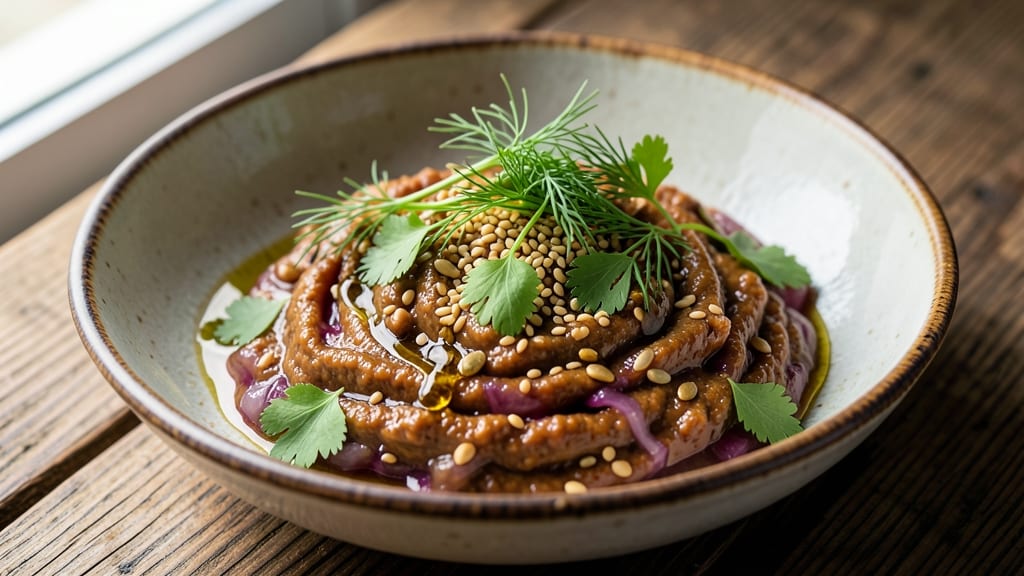
This brassica special sauce transforms simple ingredients into a complex, herb-infused dip with a satisfying nutty crunch. The secret lies in fermented cabbage—its tangy depth and umami richness form the base, while toasted seeds and fresh herbs add texture and brightness.
I developed this sauce after years of experimenting with fermented brassicas, and it’s become a staple in my kitchen for everything from sandwiches to roasted vegetables.
The recipe balances bold flavors without overpowering, making it versatile enough for both hearty meals and delicate dishes. Toasted sesame and pumpkin seeds provide that coveted crunch, while a touch of honey and Dijon mustard rounds out the sharpness of the fermented cabbage.
It’s a foolproof method that delivers restaurant-quality results with minimal effort—no fancy techniques required.
What you’ll end up with is a rich, velvety sauce with pockets of crunch and layers of herbaceous flavor. The tangy-sweet profile makes it perfect for dipping, drizzling over grilled meats, or even as a marinade.
Unlike store-bought versions, this sauce stays fresh for weeks in the fridge, allowing flavors to deepen over time.
Whether you’re serving it alongside charcuterie, using it as a glaze for roasted vegetables, or slathering it on sandwiches, this sauce elevates every dish it touches. The best part? You can adjust the spice level and seed mix to suit your taste—making it as customizable as it is delicious.
Ingredients for brassica special sauce
Fermented cabbage, toasted seeds, and fresh herbs—this sauce delivers restaurant-quality depth with minimal effort.
| Ingredient | Amount | Notes |
|---|---|---|
| Fermented Sauerkraut 🥬 | 1 ½ cups | Drained, juices reserved |
| Toasted Sesame Seeds 🌰 | ½ cup | Lightly browned in dry pan |
| Toasted Pumpkin Seeds 🎃 | ½ cup | Skin-on, lightly salted |
| Fresh Dill 🌿 | ⅓ cup | Chopped, stems removed |
| Fresh Parsley 🌿 | ¼ cup | Chopped, flat-leaf preferred |
| Extra-Virgin Olive Oil 🫒 | ½ cup | High-quality, fruity |
| Raw Honey 🍯 | 2 tbsp | Local preferred for depth |
| Dijon Mustard 🍯 | 1 tbsp | Mild or hot variety |
| Apple Cider Vinegar 🍏 | 1 tbsp | For tangy brightness |
| Garlic Cloves 🧄 | 3 cloves | Minced, fresh preferred |
| Diamond Crystal Kosher Salt 🧂 | 1 tsp | For seasoning balance |
| Fresh Lemon Juice 🍋 | 1 tbsp | From organic lemons |
The fermented sauerkraut is the heart of this sauce—look for bright, crunchy kraut with no slimy texture. Local farms or specialty grocery stores often carry the best quality, but the refrigerated section at Whole Foods or Trader Joe's works too. Avoid anything with a strong vinegar smell. Toasting the seeds is non-negotiable: dry toast them in a pan until golden—3-4 minutes at medium heat—for that nutty crunch. Fresh herbs are a must, but if you're short on time, dried dill at one-third the amount will work in a pinch. The honey should be raw and local if possible—local co-ops or farmers markets often have great options.
No sauerkraut? Fermented green beans or kimchi can stand in, but adjust the vinegar to taste. Swap sesame seeds for sunflower or walnuts if you're avoiding nuts. The Dijon mustard can be skipped entirely if you prefer a sweeter profile, but it adds that perfect tangy depth. For extra richness, stir in 1 tbsp tahini at the end. The garlic can be roasted for a milder flavor—just wrap the whole cloves in foil and bake at 400°F for 10 minutes. And if you're worried about the honey being too sweet, agave nectar works beautifully too.
This sauce tastes better with age—24 hours in the fridge lets the flavors meld beautifully. Store it in a clean glass jar with a tight lid, and it’ll keep for 2-3 weeks. The seeds stay crunchy for days, but if they soften, just toast fresh seeds and mix them in. Portion into small containers for easy drizzling—it’s perfect for sandwiches, roasted veggies, or even as a glaze for grilled meats. Freezes well for up to 3 months, though the texture might change slightly after thawing.
Why You'll Love This Recipe
- No-Chop Necessary: I swear by this—just dump the sauerkraut juice, toss in whole dill sprigs, and let the seeds do the work. The pumpkin seeds add crunch without any extra effort, and honestly? The parsley just gets a rough chop if I’m feeling fancy.
- Umami Bomb: That fermented sauerkraut juice is where the magic happens—tangy, funky, and packed with flavor. The toasted seeds add a nutty depth, while the fresh herbs cut through it like a bright summer breeze. It’s the kind of sauce that makes you go back for seconds without even thinking.
- Sauce for Everything: Slather it on grilled fish, drizzle it over roasted veggies, or mix it into a grain bowl—this stuff sticks to anything. I’ve even used it as a quick marinade for chicken. Between us, it’s my secret weapon for turning simple meals into something special.
- Lasts a Week: Make a big batch and store it in the fridge—it only gets better with time. The flavors meld together, and the acidity mellows out just enough to make it even more addictive. Plus, it’s cheap to make, so you’re not breaking the bank for something this good.
Step-by-step instructions for brassica special sauce
Here's how to create this vibrant, herb-infused dip with perfect texture and bold flavor.
Toast the Seeds for Maximum Crunch
Heat a dry skillet over medium-low heat and add the 0.5 cup toasted sesame seeds and 0.5 cup toasted pumpkin seeds. Toast for 3-4 minutes, stirring constantly until they turn a light golden brown and release their nutty aroma. You want them fragrant but not burnt—just until they smell like a warm autumn day.
Transfer the toasted seeds immediately to a small bowl and set aside. The key here is to toast them just until they're aromatic but still retain their crunch. If you let them sit in the pan too long, they'll lose their texture and become greasy. Work quickly so they stay crisp for when you add them to the sauce.
Blend the Sauce Base
In a food processor, combine the 1.5 cups drained fermented sauerkraut, 0.33 cup fresh dill, 0.25 cup fresh parsley, 3 cloves minced garlic, 1 tbsp Dijon mustard, 1 tbsp apple cider vinegar, 1 tbsp fresh lemon juice, and 1 tsp kosher salt. Pulse until the mixture is finely chopped but not completely smooth—you want some texture to carry through to the final sauce.
Scrape down the sides of the processor bowl with a spatula to ensure everything is evenly incorporated. The sauerkraut will release some liquid as it processes, which is perfect for creating a balanced, spreadable sauce. This step is where all the bright, tangy flavors come together—don't rush it, as the herbs need to be finely chopped to blend seamlessly.
Emulsify with Olive Oil and Honey
With the processor running, slowly drizzle in the 0.5 cup extra-virgin olive oil through the feed tube. This gradual addition helps create a smooth, emulsified sauce. Once the oil is fully incorporated, add the 2 tbsp raw honey and process for an additional 30 seconds until everything is perfectly combined and the sauce has a velvety consistency.
The honey not only adds sweetness but also helps balance the tanginess of the vinegar and sauerkraut. The sauce should now have a thick, dip-like consistency—similar to hummus but with a more complex flavor profile. If it's too thick, add 1-2 tablespoons of the reserved sauerkraut juice to loosen it to your desired consistency.
Fold in Toasted Seeds for Texture
Transfer the sauce to a medium bowl and gently fold in the 0.5 cup toasted sesame seeds and 0.5 cup toasted pumpkin seeds using a silicone spatula. Be careful not to overmix—just enough to distribute the seeds evenly throughout the sauce. The seeds should remain whole and provide that satisfying crunch with every bite.
Taste the sauce and adjust the seasoning if needed. You might want to add a pinch more salt or a splash of lemon juice to balance the flavors. This sauce is incredibly versatile—serve it immediately with crusty bread, as a dip for vegetables, or as a topping for grilled meats. The contrast of the creamy sauce with the crunchy seeds makes it irresistible.
Pro Tips For Making Brassica Special Sauce
- DRAIN AND RINSE SAUERKRAUT: Fermented sauerkraut is salty—like, way salty. Drain it, then rinse under cold water for 30 seconds to cut the brine. This keeps the tang but makes the sauce actually palatable, not a salt bomb.
- TOAST SEEDS LOW AND SLOW: Skip the high-heat pan until they burn. Toast sesame and pumpkin seeds at 300°F (150°C) for 8–10 minutes, stirring often. They’ll brown evenly without bitterness—no need to babysit the stove.
- CHOP HERBS AT THE END: Fresh dill and parsley lose their vibrancy when cooked. Stir them in just before serving, or toss them in raw at the last second. This keeps their bright flavor from wilting into nothingness.
- USE A MORTAR FOR SEEDS: No food processor? Crush toasted seeds in a mortar with a pinch of salt. The friction releases oils and deepens flavor—way better than just sprinkling them whole. (Yes, even if you’re impatient like me.)
Pro cooking tips for brassica special sauce
Seed Toasting Secrets
Toast your seeds in a dry skillet over medium-low heat for 3-4 minutes—this is where the magic happens. I use a 10-inch cast iron skillet from Lodge because it distributes heat evenly. Stir constantly to prevent burning, and listen for that nutty aroma—it’s your cue to stop.
Over-toasting makes seeds bitter, while under-toasting leaves them bland. The goal is light golden brown with maximum crunch. 🌰
Emulsification Mastery
Slowly drizzle the 0.5 cup extra-virgin olive oil into the food processor while it’s running—this prevents a greasy mess. I use California Olive Ranch oil for its fruity notes. If your sauce breaks or separates, add 1 tsp lemon juice to help re-emulsify.
The honey should be added last to balance flavors without making the sauce too sweet. For extra richness, pulse in 1 tbsp tahini after adding the oil. ✨
Sauerkraut Quality Check
Not all sauerkraut is created equal. Look for bright, crunchy kraut with no slimy texture—Rehr’s or Bubbies are my go-to brands. If your sauerkraut is watery, drain it thoroughly and reserve the juice for thinning later.
The flavor should be tangy but not overpoweringly vinegary. If it’s too sharp, balance it with an extra ½ tsp honey or 1 tsp maple syrup. 🥬
Texture Control Tips
For a smooth sauce, pulse the sauerkraut and herbs until finely chopped but not pureed. For chunky texture, leave larger pieces intact. If the sauce is too thick after blending, thin it with 1-2 tbsp reserved sauerkraut juice or a splash of apple cider vinegar.
The seeds should be folded in just before serving to preserve their crunch—overmixing makes them soggy. 💡
Flavor Balancing
Taste as you go! The sauce should have a tangy-sweet balance with herbal notes. If it’s too sharp, add 1 tsp honey or ½ tsp sugar. If it’s too mild, boost the acidity with ½ tsp more vinegar or a pinch of smoked paprika for depth.
The Dijon mustard adds complexity, but if you skip it, the sauce will taste sweeter. Adjust salt last—Diamond Crystal kosher salt dissolves easily and enhances all flavors. 🧂
Storage Hacks
Store in a glass jar with a tight lid in the fridge for up to 3 weeks. The flavors deepen over time, so it tastes even better after 24 hours. For long-term storage, freeze in ice cube trays—thawed portions work great for drizzling or marinades.
If the seeds lose crunch, toast fresh seeds and fold them in before serving. The sauce also freezes well for 3 months, though texture may soften slightly. ❄️
Nutrition facts
Frequently asked questions
Can I use store-bought sauerkraut instead of homemade fermented cabbage?
Store-bought sauerkraut works perfectly—just make sure it's bright, crunchy, and not waterlogged. Brands like Rehr's or Bubbies are ideal. Drain it thoroughly and reserve the juice for thinning if needed. The fermentation process in store-bought kraut is already complete, so no extra prep is required.
What can I substitute if I don't have toasted sesame or pumpkin seeds?
Try toasted sunflower seeds, pine nuts, or even crushed walnuts for a different texture. If you're avoiding nuts entirely, use toasted coconut flakes or extra crispy fried shallots for crunch. Just toast them the same way—3-4 minutes at medium heat—until golden and fragrant.
How do I fix a sauce that's too thick or too thin?
For a thick sauce, add 1-2 tbsp reserved sauerkraut juice or a splash of apple cider vinegar to loosen it. If it's too thin, pulse in 1 tbsp more drained sauerkraut or a pinch of cornstarch mixed with water. The goal is a spreadable, dip-like consistency—similar to hummus but with more texture.
Can I make this sauce ahead of time?
Yes! This sauce tastes even better after 24 hours in the fridge as flavors meld. Store it in a glass jar with a tight lid for up to 3 weeks. For long-term storage, freeze in ice cube trays—thawed portions work great for drizzling. Just fold in fresh toasted seeds before serving to restore crunch.
What are the best ways to use this sauce?
This versatile sauce shines as a dip for veggies, sandwich spread, or glaze for grilled meats. Try it on open-faced rye bread with smoked salmon, drizzled over roasted Brussels sprouts, or mixed into pasta salads. The tangy-sweet balance makes it perfect for both savory and slightly sweet dishes.