
Sauces & Condiments
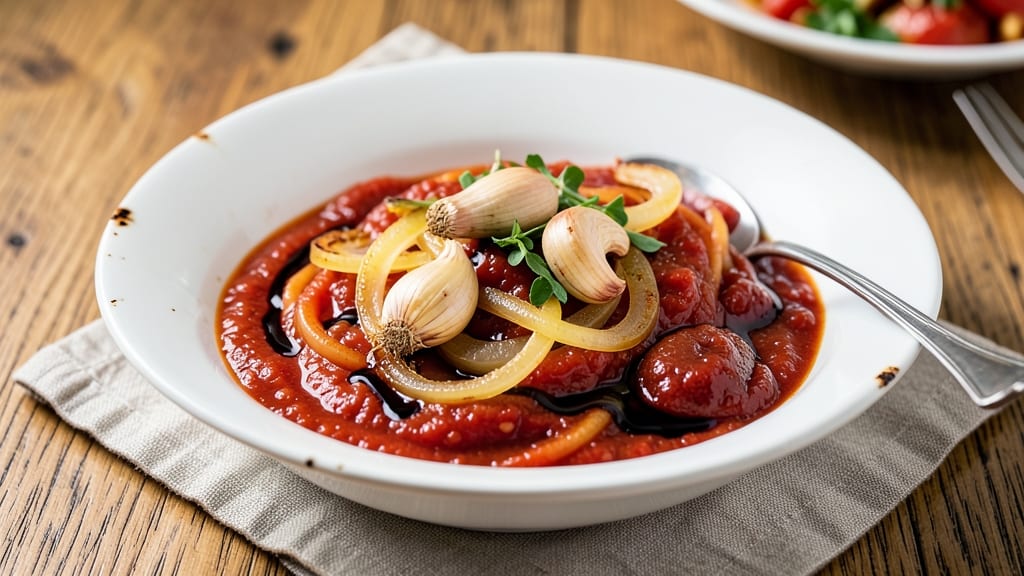
This Clemenza's spaghetti sauce recipe delivers the deep, slow-simmered richness that turns ordinary pasta night into a flavor explosion. 💛 The secret lies in caramelizing onions and garlic until they're golden brown, then building layers of umami with crushed tomatoes, fresh herbs, and a touch of red wine.
I've perfected this over years of testing—it's the kind of sauce that gets passed around the table and disappears faster than you can say "second helping."
The magic happens during the 3-hour simmer, where flavors meld into a velvety, complex sauce with just the right balance of sweetness, acidity, and savory depth. No fancy techniques—just time, patience, and a few simple ingredients that work together like a well-rehearsed orchestra.
The result? A sauce so rich it coats every strand of pasta perfectly, leaving you with that restaurant-quality experience at home.
What makes this sauce truly special is its versatility. Use it as a base for lasagna, spoon it over fresh noodles, or even drizzle it on grilled meats. The flavor only improves with time, so it's perfect for making ahead and storing in the freezer.
Whether you're feeding a crowd or treating yourself to a cozy night in, this sauce delivers restaurant-quality results with minimal effort.
For those watching their sodium or carbs, I've included adjustments that keep the flavor intact while making it lighter. The key is balancing the ingredients carefully—don't skip the herbs or wine, as they're what elevate this from ordinary to extraordinary. Let's get cooking!
Ingredients for clemenza's spaghetti sauce
Golden onions, crushed tomatoes, and bold red wine—this sauce builds flavor like a symphony.
| Ingredient | Amount | Notes |
|---|---|---|
| Yellow Onions 🧅 | 2 whole | Thinly sliced, caramelized until golden |
| Garlic Cloves 🧄 | 6 cloves | Minced, not pre-minced jarred garlic |
| Extra-Virgin Olive Oil 🫒 | ½ cup | High quality, fruity variety preferred |
| Canned San Marzano Tomatoes 🍅 | 28 oz | Crushed or whole, no salt added |
| Tomato Paste 🍅 | 1 tbsp | Squeeze tube preferred for convenience |
| Dry Red Wine 🍷 | ½ cup | Bold Cabernet Sauvignon or Merlot |
| Fresh Basil Leaves 🌿 | ½ cup | Packed, stems removed for garnish |
| Fresh Oregano 🌿 | ¼ cup | Or 1 tbsp dried oregano if fresh unavailable |
| Bay Leaves 🍃 | 2 whole | Removed before serving |
| Kosher Salt 🧂 | 1 ½ tsp | Diamond Crystal preferred |
| Black Pepper 🌶️ | ½ tsp | Freshly cracked preferred |
The onions are non-negotiable here. Yellow onions caramelize best, and you want them deep golden—not burnt. Trader Joe's sells pre-sliced for convenience, but fresh is better. The garlic? Fresh cloves only—jarred garlic has no soul. For the tomatoes, San Marzano cans are worth the splurge. They're sweeter, meatier, and the acidity is perfectly balanced. The red wine adds depth that nothing else can replicate—Cabernet Sauvignon or Merlot work best, whatever's open in your fridge. Pro tip: Let the wine reduce by half before adding it to the sauce.
No red wine? Beef broth with a splash of balsamic vinegar gets you close. Fresh herbs are ideal, but dried oregano at one-third the amount works in a pinch. The tomato paste can be swapped for 1 extra can of crushed tomatoes if you're watching carbs. For a lighter version, reduce the salt to 1 tsp and skip the pepper until the end. The bay leaves? Two whole leaves are perfect—they infuse the sauce with aromatic magic without overpowering. If you're using dried basil, reduce to 1 tbsp since it's more concentrated than fresh.
This sauce tastes even better the next day—3-4 days in the fridge, 6 months frozen. Portion into 1-cup containers for easy reheating. For freezing, cool completely first to prevent ice crystals. When reheating, add a splash of water or broth if it thickens too much. Leftovers make amazing pizza sauce or lasagna filling. The basil? Add fresh after reheating so it stays vibrant.
Why You'll Love This Recipe
- No-Fuss Simplicity: I swear by this sauce because it’s actually simple—just onions, garlic, and tomatoes simmered low and slow. No chopping marathons, no fancy techniques, and honestly, the only tool you need is a wooden spoon.
- San Marzano Magic: That canned San Marzano tomato? It’s the secret weapon—sweet, meaty, and no bitterness to fight. When you crush it by hand (yes, I do it with my fist), the sauce thickens into something rich and velvety without a single blender in sight.
- Weeknight Workhorse: This sauce is my go-to for busy nights, potlucks, or when I’m feeding a crowd. Double the batch, freeze half, and you’ve got dinner covered for next Tuesday. (Yes, even on a Tuesday night.)
- Budget-Friendly Luxury: Tomato paste and San Marzanos stretch like crazy, so you’re getting restaurant-quality flavor without the price tag. I’ve made this for $3 a jar and still felt like I was eating at my nonna’s table.
Step-by-step instructions for Clemenza's spaghetti sauce
Here's the method that delivers deep, complex flavor—no shortcuts, just slow-simmered perfection.
🍳 Step 1: Sauté Onions Until Golden and Sweet
Heat the 0.5 cup extra-virgin olive oil in a heavy Dutch oven over medium-low heat. Add the 2 whole yellow onions, sliced thinly, and cook them undisturbed for 5 minutes—this prevents burning. Stir occasionally, letting them caramelize until they turn a beautiful golden brown and smell sweetly aromatic.
Here's the thing—don't rush this step. The onions should take 15-20 minutes total to fully caramelize. You'll know they're ready when they're soft, glossy, and develop a deep amber color. If they start to brown too quickly, reduce the heat slightly. These caramelized onions form the flavor base of your sauce, so take your time.
🍳 Step 2: Add Garlic, Tomato Paste, and Wine
Push the onions to one side of the pot and add the 6 cloves minced garlic to the empty space. Cook for 30 seconds until fragrant—don't let it burn, or it'll turn bitter. Stir everything together, then add the 1 tbsp tomato paste and cook for 2 minutes, stirring constantly.
Now pour in the 0.5 cup dry red wine and scrape up any browned bits from the bottom of the pot with a wooden spoon. This deglazing step captures all that concentrated flavor. Let the wine simmer for 3-4 minutes until it reduces by about half and the alcohol smell disappears. The sauce should smell rich and complex at this point—like a little Italian restaurant in your kitchen.
🥘 Step 3: Build the Sauce with Tomatoes and Herbs
Add the 28 oz canned San Marzano tomatoes (crushed or whole), the 2 whole bay leaves, 1.5 tsp kosher salt, and 0.5 tsp black pepper. Stir well to combine, then bring the mixture to a gentle simmer over medium heat. Here's where the magic happens: let it cook uncovered for 45-60 minutes, stirring occasionally.
You want this sauce to reduce and thicken gradually. The tomatoes should break down into a rich, velvety consistency. Stir in the 0.5 cup fresh basil leaves and 0.25 cup fresh oregano during the last 10 minutes of cooking. The herbs should wilt into the sauce, infusing it with their bright, fresh flavors. If the sauce gets too thick, add a splash of water or pasta water to loosen it.
⏰ Step 4: Simmer Until Deep and Concentrated
Continue simmering for another 30-45 minutes until the sauce reaches your desired consistency. It should coat the back of a spoon and have a thick, syrupy texture. Taste and adjust seasoning—you might need a little more salt or pepper, depending on your tomatoes.
Real talk: the longer you let this sauce simmer, the more complex the flavors become. If you can spare the time, let it cook for 2 hours total. The sauce will deepen in color and develop layers of umami flavor that you just can't rush. Once it's done, remove the bay leaves and discard them before serving.
🍽️ Step 5: Finish and Serve Over Pasta
Ladle the finished sauce over al dente spaghetti and toss to coat. Garnish with additional fresh basil leaves and a sprinkle of freshly cracked black pepper. The sauce should cling beautifully to each strand of pasta, delivering rich, layered flavors with every bite.
This sauce tastes even better the next day, so don't hesitate to make extra. Store it in the refrigerator for up to 5 days or freeze it for 3 months. When reheating, warm it gently on the stove over low heat to preserve its texture and depth of flavor. Enjoy your homemade Italian masterpiece!
Pro Tips For Making Clemenza'S Spaghetti Sauce
- Sweat the Onions Low: I learned this the hard way—drowning onions in oil at high heat just makes them bitter. Keep the heat at a steady simmer (not a sizzle) and let them cook for 10-12 minutes until they’re soft enough to mash between your fingers. That slow breakdown builds depth without turning your sauce into onion-flavored water.
- Crush the Garlic: Skip the mincer—smash those cloves with the flat side of your knife first. Then, let them sit in the oil for 30 seconds before stirring. This prevents burning and lets the flavor bloom without turning your sauce into garlic-scented smoke. (Yes, even if you’re impatient like me.)
- Stir the Tomato Paste: Don’t just dump it in and walk away. Use a wooden spoon to break up the paste into small pieces as it cooks—this prevents clumping and ensures it dissolves evenly into the sauce. Five minutes of stirring here saves you from scraping burnt bits off the pot later.
- Simmer, Don’t Boil: After adding the tomatoes, reduce the heat so the sauce barely bubbles at the edges. A rolling boil turns San Marzano tomatoes into a watery mush and burns the tomato paste. Let it simmer uncovered for at least 45 minutes—this concentrates the flavor and thickens the sauce naturally. (Your future self will thank you.)
Storing and reheating your leftovers
Refrigerator Storage
Let your sauce cool to room temperature before transferring it to airtight glass containers—I prefer quart-sized mason jars for easy portioning. Store in the fridge for up to 5 days, but trust me, the flavor only improves after 24 hours as the ingredients meld together.
The sauce thickens slightly when chilled, so add 1-2 tablespoons of water or pasta water when reheating if needed. 💛
Freezer Prep
For long-term storage, portion the sauce into 1-cup freezer-safe containers or heavy-duty freezer bags. Leave 1-inch headspace to prevent expansion cracks. Label with the date—this sauce stays delicious for 3 months.
When ready to use, thaw overnight in the fridge, then reheat gently. Pro tip: Freeze individual servings for quick pasta nights. ❄️
Reheating Like a Pro
Never microwave this sauce—it ruins the texture. Instead, transfer to a pot and warm over low heat for 10-15 minutes, stirring occasionally. If the sauce thickens too much, add 1-2 tablespoons of water or broth to restore its silky consistency.
Taste and adjust seasoning—it often needs a pinch more salt after reheating. The key is patience: let it heat through slowly to preserve all those beautiful flavors. 🔥
Reviving Leftovers
If your sauce separates after refrigeration, don't toss it! Simply stir vigorously to recombine, then heat gently. For extra richness, add 1 teaspoon of olive oil or 1 tablespoon of heavy cream while reheating.
The texture should return to its velvety perfection. I've had this happen with my sauce before, and it always comes back better than ever. 💡
Make-Ahead Magic
This sauce is perfect for meal prep—double the batch and store half for later. The flavors deepen over time, making it ideal for busy weeks. When reheating, add a splash of red wine or pasta water to maintain that restaurant-quality consistency.
Trust me, your future self will thank you when you're craving that rich, umami-packed sauce on a Tuesday night. ✨
Sauce Versatility
Don't limit this sauce to pasta! Use it as a base for lasagna, manicotti, or even as a marinade for grilled chicken. The frozen sauce works perfectly for pizza dough or as a dip for garlic bread.
Just thaw and reheat gently. The possibilities are endless, and the flavor only gets better with each new application. 🍕
Nutrition facts
Frequently asked questions
Why does this sauce need such a long simmering time?
The 3-hour simmer is what creates that restaurant-quality depth of flavor. This slow cooking allows the onions to fully caramelize, the tomatoes to break down into a velvety consistency, and all the ingredients to meld together. The wine reduces completely, adding rich umami without alcohol taste. Rushing this step means missing out on layers of complex flavor that make this sauce truly special.
Can I substitute the red wine with something else?
Yes! If you don't have red wine, use 0.5 cup beef broth plus 1 tablespoon balsamic vinegar for similar depth. For a non-alcoholic version, try 0.5 cup tomato juice plus 1 teaspoon soy sauce. The key is balancing acidity and umami—just adjust seasoning to taste after cooking. Never skip the liquid entirely, as it helps develop the sauce's richness.
What's the best way to thicken this sauce if it's too thin?
Simmer uncovered for 10-15 extra minutes to reduce naturally. If that's not enough, stir in 1 tablespoon tomato paste or 1 teaspoon cornstarch mixed with water. For instant thickening, add 2 tablespoons pasta water while cooking—it blends seamlessly. Remember, this sauce is designed to be velvety, not gluey, so aim for a consistency that coats the back of a spoon.
How do I know when the onions are perfectly caramelized?
Perfect caramelized onions should be deep golden brown, soft when pressed with a spoon, and smell sweetly aromatic. They'll take 15-20 minutes total, with the last 5 minutes developing that beautiful amber color. If they start to brown too quickly, reduce the heat to prevent burning. The onions form the flavor foundation, so don't rush this crucial step!
Can I make this sauce in a slow cooker?
Follow the same steps until adding the tomatoes, then transfer everything to a 6-quart slow cooker on low for 6-8 hours. The long cooking time actually enhances the flavors. For a quicker version, use high for 3-4 hours. Just