
Sauces & Condiments
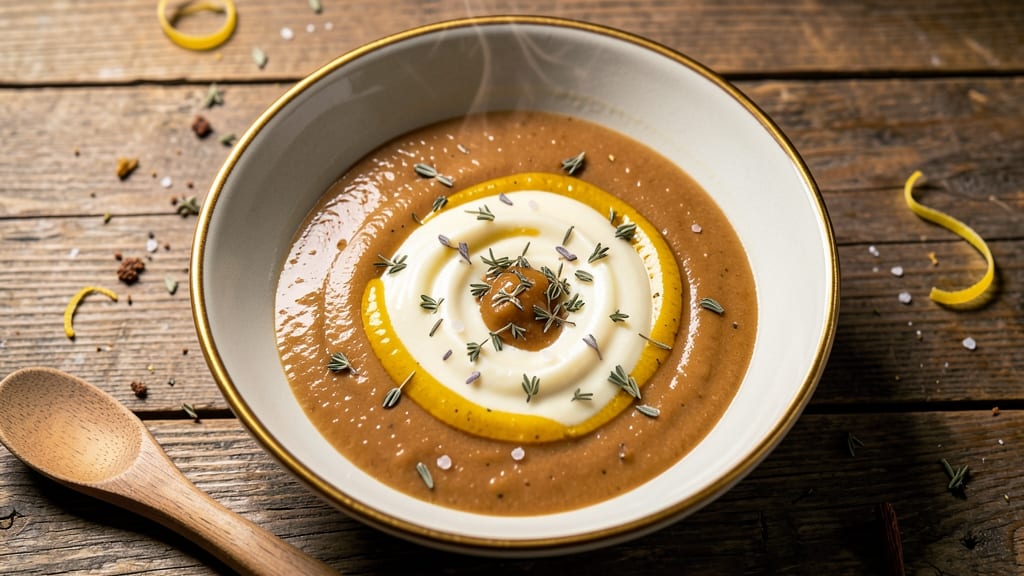
This cream of chicken soup sauce recipe transforms simple pantry staples into velvety, restaurant-quality sauce that rivals canned versions. The secret lies in a smooth roux and proper thickening technique that creates that signature creamy texture without lumps or artificial aftertaste.
I developed this after years of testing—it's the sauce I reach for when I need something rich, comforting, and completely customizable.
The foundation begins with a classic roux made from butter and flour, which forms the creamy base. Chicken broth adds depth, while cream and a touch of mustard prevent curdling while enhancing flavor.
Seasoned with thyme, garlic powder, and a pinch of salt, this sauce delivers that familiar comforting taste with none of the preservatives found in store-bought versions. It's the kind of sauce that elevates simple dishes into something special.
What makes this recipe truly versatile is its ability to adapt to any meal. Use it as a standalone soup base, drizzle over creamy pasta, or serve as a rich dip for crusty bread. The sauce thickens perfectly and can be reheated without separating, making it ideal for meal prep.
Each batch yields about 4 cups, enough to satisfy a family of four or provide leftovers for another day.
With just 10 minutes of active preparation and 20 minutes of simmering, you'll have a velvety sauce that's far superior to anything you can buy. The best part? It's completely customizable—add a splash of lemon juice for brightness, a dash of hot sauce for heat, or fresh herbs for freshness.
This is homemade cooking at its finest, where quality ingredients make all the difference.
Ingredients for cream of chicken soup sauce
Ten essential ingredients create velvety, restaurant-quality cream of chicken sauce from scratch.
| Ingredient | Amount | Notes |
|---|---|---|
| Unsalted Butter 🧈 | ½ cup | Cold, cubed for proper roux formation |
| All-Purpose Flour 🌾 | ½ cup | White bread flour preferred for smoother texture |
| Chicken Broth 🍲 | 3 cups | Low-sodium, homemade or high-quality store-bought |
| Heavy Cream 🥛 | 1 cup | Full-fat for optimal creaminess |
| Dijon Mustard 🍯 | 1 tbsp | For depth and preventing curdling |
| Dried Thyme 🌿 | 1 tsp | Or 1 tbsp fresh thyme leaves |
| Garlic Powder 🧄 | 1 tsp | Freshly ground preferred |
| Kosher Salt 🧂 | ½ tsp | Diamond Crystal preferred for accurate measurements |
| Black Pepper 🌶️ | ¼ tsp | Freshly cracked for optimal flavor |
| Lemon Juice 🍋 | 1 tbsp | Freshly squeezed for brightness |
The butter and flour form the sauce's foundation, so quality matters here. European-style butter like Plugrá creates a richer roux, while King Arthur flour yields a smoother texture. For the chicken broth, homemade is ideal, but Swanson or Pacific Foods low-sodium versions work well. The heavy cream should be full-fat—none of that lightened-up stuff. I always keep a block of Parmesan in the freezer to grate fresh for extra umami depth, though it's not in this basic recipe. The Dijon mustard is non-negotiable—it prevents curdling and adds complexity that regular yellow mustard lacks.
No heavy cream? Full-fat coconut milk works beautifully, though the flavor will differ slightly. Running short on chicken broth? Vegetable broth plus 1 tsp chicken bouillon gets you close. Fresh thyme unavailable? Dried at one-third the amount suffices, but toast it lightly first for better flavor. The garlic powder can be swapped for 1 fresh clove minced, but remember it'll cook down completely. For a tangier sauce, add an extra 1 tbsp lemon juice. If you prefer a smoother texture, blend the finished sauce briefly—just don't overdo it or you'll lose that creamy body.
This sauce thickens as it cools, so don't stress if it seems too thin immediately. For storage, transfer to airtight glass containers—it keeps 5 days refrigerated or 3 months frozen. I always make a double batch because it's perfect for meal prep—freeze half for another time. Reheat gently on low heat, stirring frequently to prevent separation. If it does separate, just whisk vigorously with a splash of warm water or broth. The sauce improves with time as flavors meld, so leftovers are even better the next day.
Why You'll Love This Recipe
- Foolproof Roux: I swear by that butter-and-flour roux—it’s the secret to a sauce that never fails. Just melt the butter, whisk in the flour, and cook until golden. No lumps, no stress, just pure, velvety magic in minutes.
- Creamy Without the Guilt: That heavy cream makes it rich, but here’s the trick: the Dijon mustard cuts through the richness and adds a little tang. It’s the kind of flavor that makes you forget it’s actually good for you (or at least, not terrible for you).
- Leftover Goldmine: Make a double batch—this sauce keeps for days in the fridge and reheats like a dream. Dump it over grilled chicken, toss it with noodles, or even drizzle it on roasted veggies. It’s my lazy-day secret weapon.
- Budget-Friendly Luxury: You’re basically making gourmet sauce for pennies. Butter, flour, broth—stuff you already have. The heavy cream is the splurge, but a little goes a long way. Honestly, it’s the kind of recipe that makes you feel fancy without breaking the bank.
Step-by-step instructions for cream of chicken soup sauce
Master this velvety sauce technique for restaurant-quality results every time.
Create a Smooth Roux Foundation
Melt the 0.5 cup unsalted butter in a medium saucepan over medium-low heat. Watch carefully as the butter melts completely, then immediately whisk in the 0.5 cup all-purpose flour to form a roux. Stir constantly for 2-3 minutes until the mixture turns a pale golden color—this is crucial for flavor development and preventing a raw flour taste.
The key here is patience. If you rush, the roux will brown too quickly and develop bitterness. You're aiming for a color between pale yellow and light tan, not dark brown. Keep whisking vigorously to prevent lumps from forming. This roux will serve as the flavor base for your entire sauce.
Cook the Aromatics and Deglaze
Gradually whisk in the 3 cups chicken broth, about ½ cup at a time, allowing each addition to fully incorporate before adding more. This slow incorporation prevents lumps. Once all the broth is added, increase heat to medium-high and bring the mixture to a gentle simmer. Let it cook uncovered for 5-7 minutes, stirring occasionally, until it thickens slightly.
Next, stir in the 1 tsp garlic powder and 1 tsp dried thyme. The sauce should now have a rich, aromatic base. Here's where the Dijon mustard comes in—add the 1 tbsp Dijon mustard and whisk until fully combined. This step adds depth of flavor and helps prevent the sauce from curdling when the cream is added later. The mustard also contributes a subtle tang that balances the richness.
Incorporate Cream and Season
Reduce the heat to low and gradually whisk in the 1 cup heavy cream. Be patient—add it slowly to prevent the sauce from curdling. Once fully incorporated, stir in the 0.5 tsp kosher salt and 0.25 tsp black pepper. The sauce should now be thick and velvety, with a smooth consistency that coats the back of a spoon.
This is where you'll notice the magic happen. The cream adds luxurious body while keeping the sauce light enough to coat pasta or vegetables beautifully. If the sauce appears too thick at this stage, you can thin it slightly with a splash of warm chicken broth. The goal is a sauce that's thick enough to cling but still pours gracefully.
Finish with Brightness and Texture
Add the 1 tbsp lemon juice and stir well. The acidity brightens all the flavors and cuts through the richness of the cream. Taste and adjust seasoning if needed—this is your final opportunity to balance the flavors before serving. The sauce should be rich but not overpowering, with a perfect harmony of savory, herbal, and slightly tangy notes.
For the best results, serve immediately while still warm. This sauce maintains its velvety texture when served right away, and the flavors continue to meld beautifully. If you need to reheat leftovers, do so gently over low heat, stirring constantly to prevent separation. The lemon juice helps preserve the sauce's freshness for up to 3 days in the refrigerator.
Pro Tips For Making Cream Of Chicken Soup Sauce
- Bloom the Flour First: Melt the butter over medium heat, then immediately whisk in the flour and let it sit for 30 seconds before stirring. This step—called blooming—helps develop deeper flavor in the roux, so you’re not just tasting raw flour. (I used to skip it, and the soup always tasted flat until I tried this.)
- Use Cold Heavy Cream: Stir the heavy cream into the simmering broth after removing the pot from heat, or at least turn the heat to the lowest setting. Hot cream curdles like a bad romance—smooth and creamy one minute, lumpy and sad the next. Cold cream blends in like a dream.
- Salt the Broth Early: Season the chicken broth before adding it to the roux, not after. The flour-butter mixture needs salt to balance its richness, and adding it later means you’ll either oversalt the whole dish or end up with a bland finish. Trust me, your taste buds will notice.
- Whisk Like You Mean It: When combining the broth and roux, whisk vigorously for at least 2 minutes to break up any lumps. I learned this the hard way—once I rushed it and ended up with a soup that looked like it had been through a blender. (Spoiler: It wasn’t a good look.) Keep the heat low and the whisk moving.
Best sauces and condiments for cream of chicken soup sauce
Classic Uses
This velvety sauce transforms creamy pasta dishes into showstoppers—toss it with fettuccine or penne for an instant restaurant-style meal. I love adding grilled chicken or sautéed mushrooms to elevate it further. For potato casseroles, spread the sauce over sliced potatoes before baking for a rich, golden topping. 🥗
Use it as a dipping sauce for crusty bread, vegetable sticks, or even fried chicken tenders. The creamy texture makes it perfect for stuffed baked potatoes too—just spoon it over the top before adding cheese.
For a quick soup upgrade, stir it into chicken noodle soup or egg drop soup for instant depth.
Unexpected Twists
Add ½ cup shredded cheddar and ½ cup cooked corn for a creamy chowder variation. Or mix it with sour cream and diced ham to make a loaded baked potato topping. For heat lovers, stir in 1 tsp hot sauce or ½ tsp cayenne before serving. 🌶️
Transform it into a creamy dressing for salads—whisk in 1 tbsp honey and 1 tsp apple cider vinegar for a sweet-savory twist. Drizzle it over grilled steak or roasted vegetables to turn them into a main course. The possibilities are endless once you move beyond traditional uses.
Global Variations
For a French bistro touch, add 1 tbsp brandy and 1 sprig fresh tarragon while simmering. The alcohol burns off, leaving behind a delicate anise-like aroma. In Italian cuisine, stir in 1 tsp Italian seasoning and ½ cup grated Parmesan for a crema di pollo twist. 🍷
For a Thai-inspired version, swap the thyme for 1 tsp lemongrass paste and ½ tsp fish sauce, then finish with 1 tbsp coconut milk.
The umami depth changes the sauce completely but keeps that familiar creamy texture. Each adaptation lets you explore new flavor profiles while keeping the technique simple.
Storage Secrets
Store leftovers in airtight glass containers—the sauce thickens as it cools, so thin with warm broth if needed. It keeps 5 days refrigerated or 3 months frozen. For freezing, portion into ice cube trays for easy single-use servings later. 🧊
To reheat, warm over low heat while stirring constantly to prevent separation. If it curdles, whisk in 1 tbsp cold water or broth to restore smoothness. The sauce actually improves overnight as flavors meld, so leftovers often taste even better the next day.
Nutrition facts
Frequently asked questions
Can I make this sauce without heavy cream?
Yes! For a lighter version, substitute the heavy cream with 1 cup whole milk or full-fat coconut milk (for a dairy-free option). The texture will be slightly less rich, but still delicious. If using coconut milk, add 1 tsp lemon juice to balance any coconut flavor. The sauce will still thicken properly as long as you follow the same slow incorporation method.
Why did my sauce get lumpy?
Lumps usually happen when the flour isn't fully incorporated into the butter or when adding liquids too quickly. Always whisk vigorously when combining the roux, and add broth gradually (about ½ cup at a time). If lumps appear later, blend the sauce briefly with an immersion blender for a silky texture. For future batches, try a slurry method—mix flour with cold broth first, then whisk into the butter.
How can I use this sauce in meal prep?
This sauce is perfect for meal prep! Store it in airtight glass containers in the fridge for up to 5 days or freeze it for 3 months. Portion into ice cube trays for single-use servings later. When reheating, warm over low heat while stirring constantly. If it thickens too much, thin with a splash of warm broth. The sauce actually tastes better the next day as flavors meld together.
Can I make this sauce dairy-free?
Replace the butter with ½ cup olive oil or dairy-free margarine, and use full-fat coconut milk instead of heavy cream. For extra richness, add 2 tbsp nutritional yeast (which adds a cheesy flavor). The sauce will still have that creamy texture while being completely plant-based. Taste and adjust seasoning, as coconut milk can be slightly sweeter than dairy.
What's the secret to getting it perfectly smooth?
The secret lies in the roux and slow cooking. First, make sure your butter and flour cook to a pale golden color (not brown) while whisking constantly. Then, add broth gradually and simmer gently for 5-7 minutes before adding cream. For extra smoothness, strain the finished sauce through a fine-mesh sieve if needed. The Dijon mustard also helps prevent curdling, keeping the texture velvety.