
Sauces & Condiments
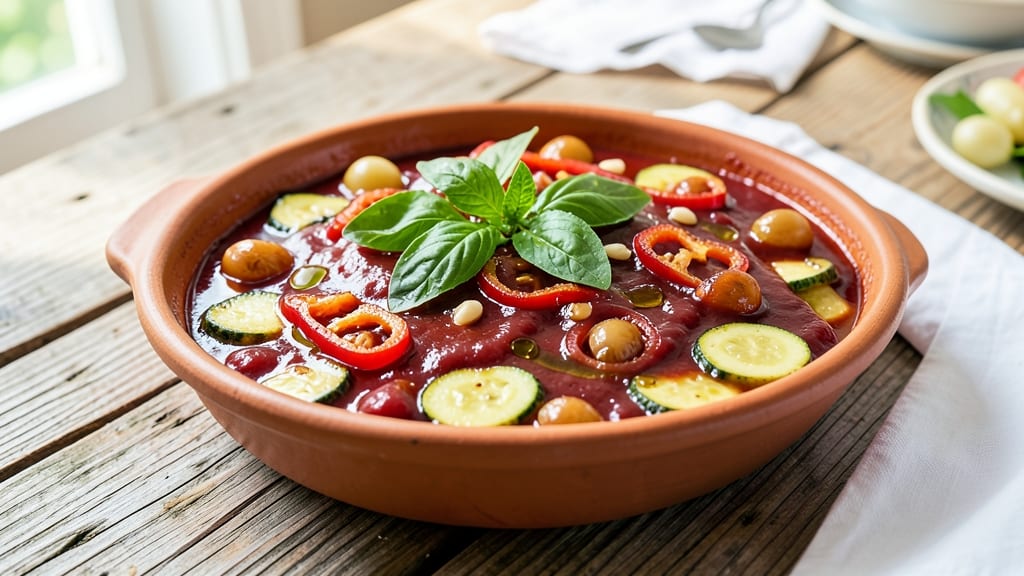
This garden vegetable spaghetti sauce transforms summer's bounty into a rich, herb-infused tomato simmer that rivals any jarred version. 🌿 After years of perfecting vegetarian sauces, I've developed a method that balances fresh vegetables with aromatic herbs, creating depth without relying on meat.
The key lies in slow simmering to develop flavors and blending just enough to achieve that perfect sauce consistency.
What sets this sauce apart is its versatility—use it as a classic pasta accompaniment or serve it as a hearty standalone dish with crusty bread. I focus on seasonal vegetables like zucchini, bell peppers, and fresh tomatoes, but you can adapt with whatever your garden produces.
The sauce builds flavor through gradual simmering, allowing the vegetables to soften while maintaining their natural sweetness and acidity balance.
By the time you're done, you'll have a vibrant sauce with layers of tomato sweetness, herbaceous notes, and subtle vegetable flavors that make every bite sing. The texture is just thick enough to cling to pasta without being gluey, and the seasoning is perfectly balanced for maximum flavor impact.
This is the kind of sauce that transforms simple meals into something special.
One of my favorite discoveries is how well this sauce holds up when made ahead—flavors actually deepen over time, making it perfect for meal prep.
Whether you're serving it over spaghetti or using it as a base for other dishes, this garden vegetable spaghetti sauce delivers restaurant-quality results with minimal effort. Let's get started on creating your own batch!
Ingredients for garden vegetable spaghetti sauce
Fresh garden veggies and aromatic herbs create this vibrant, herb-infused tomato sauce that's perfect for pasta or bread.
| Ingredient | Amount | Notes |
|---|---|---|
| Fresh Roma Tomatoes 🍅 | 2 lb | Ripe, halved for even cooking |
| Zucchini 🥒 | 2 medium | Diced into 0.5-inch pieces |
| Bell Pepper 🧅 | 1 medium | Any color, diced small |
| Yellow Onion 🧅 | 1 medium | Finely chopped |
| Garlic Cloves 🧄 | 4 cloves | Minced or pressed |
| Fresh Basil Leaves 🌿 | ½ cup | Chopped, stems removed |
| Fresh Oregano Leaves 🌿 | ¼ cup | Chopped, or 1 tbsp dried |
| Extra-Virgin Olive Oil 🫒 | ½ cup | High quality, fruity |
| Tomato Paste 🍅 | ¼ cup | Squeeze tube preferred |
| Vegetable Broth 💧 | 1 cup | Low-sodium preferred |
| Red Wine Vinegar 🍷 | 1 tbsp | For brightness |
| Sea Salt 🧂 | 1 ½ tsp | Diamond Crystal preferred |
| Black Pepper 🌶️ | ½ tsp | Freshly ground |
| Sugar 🍚 | 1 tsp | Balances acidity |
The tomatoes are the foundation—Roma are ideal because they're meaty and less watery than other varieties. Trader Joe's and local farmers markets usually have them in summer, but regular grocery stores carry them too. Look for ones that are firm but yield slightly when pressed. Zucchini and bell peppers should be fresh from the garden or the produce section—avoid pre-cut veggies since they lose flavor fast. The basil and oregano? Fresh is non-negotiable here—dried just won't give you that bright, summery flavor, though you can use it in a pinch if you're desperate.
No Roma tomatoes? Regular vine-ripened tomatoes work, but you might need to drain them more. Bell pepper colors don't matter—just pick what looks freshest. The tomato paste can be the squeeze tube kind from Trader Joe's—it's perfect for small batches and keeps forever. Running low on basil? Substitute with parsley or more oregano, but reduce the amount by half. The red wine vinegar adds brightness—balsamic works in a pinch, but it's sweeter so you might want to cut back slightly. For the sugar, it's all about balancing the acidity—skip it if your tomatoes are very ripe.
This sauce tastes even better the next day as the flavors meld. Store it in a glass jar in the fridge for up to 5 days—the acidity helps preserve it. For longer storage, freeze portions in ice cube trays or small containers for 3 months. I always make extra because it disappears fast—great for meal prep! The sauce thickens as it cools, so you can always add a splash of water or broth when reheating if it gets too thick.
Why You'll Love This Recipe
- No Chopping Chaos: I swear by this recipe because you only need to dice the onion and mince the garlic—everything else gets tossed in whole. The zucchini and bell pepper soften into sweet, tender chunks without overworking you (or your knife skills).
- Summer in a Bowl: That first bite of bright tomato, the slight crunch of the bell pepper, and the deep garlic punch? It’s like a hug from your garden. Honestly, the Roma tomatoes make all the difference—they’re sweeter and less watery than canned, so the sauce stays rich without thinning out.
- Leftovers That Lie: Between us, this sauce actually tastes better the next day. I make a big batch on Sunday, and by Wednesday, it’s still the star of the show—whether I’m reheating it for pasta or freezing it for lazy nights. No sad, watery leftovers here.
- Pantry on a Budget: I use what’s fresh from the garden, but even if you’re working with store-bought veggies, this recipe won’t break the bank. Onions, garlic, and bell peppers last forever, and the tomatoes? You can even use bruised ones—they just add more depth. My wallet (and my freezer) thank me.
Step-by-step instructions for garden vegetable spaghetti sauce
Here's how to transform fresh garden veggies into a vibrant, herb-infused sauce that'll make your pasta shine.
🍳 Step 1: Sauté the Aromatic Base
Heat the 0.5 cup extra-virgin olive oil in a large Dutch oven over medium heat. Add the finely chopped yellow onion and cook for 5 minutes until soft and translucent. You'll know it's ready when it smells sweet and the edges start to turn golden.
Add the 4 cloves minced garlic and cook for just 30 seconds—don't let it brown or it'll turn bitter. Here's the thing—garlic burns fast, so keep an eye on it. Stir constantly until you smell that irresistible aroma. This aromatic base is the flavor foundation for your entire sauce.
🍳 Step 2: Cook the Vegetables Until Tender
Add the diced zucchini and diced bell pepper to the pot. Cook for 8-10 minutes over medium heat, stirring occasionally, until the vegetables soften but still retain some texture. You want them to break down slightly but not turn to mush—this ensures your sauce has nice vegetable pieces throughout.
I like to press down gently on the zucchini with a wooden spoon during the first few minutes—this prevents it from curling up and ensures even cooking. The bell pepper should soften but still hold its shape. If you notice the vegetables are releasing a lot of liquid, reduce the heat slightly to medium-low to prevent steaming.
🍳 Step 3: Build the Sauce with Tomatoes and Herbs
Add the halved fresh Roma tomatoes, 0.25 cup tomato paste, 1.5 tsp sea salt, 0.5 tsp black pepper, and 1 tsp sugar to the pot. Stir well to combine, then add the 1 cup vegetable broth and 1 tbsp red wine vinegar. Bring the mixture to a gentle simmer over medium heat.
Let it cook uncovered for 15 minutes, stirring occasionally, until the tomatoes break down and the sauce thickens slightly. Here's where the magic happens—the acidity from the vinegar and sweetness from the sugar balance the tomatoes' natural acidity. You'll see the sauce reduce and develop a deeper color as it simmers.
🍳 Step 4: Finish with Fresh Herbs
Reduce the heat to low and stir in the 0.5 cup chopped fresh basil leaves and 0.25 cup chopped fresh oregano leaves. Let the sauce simmer for another 5-7 minutes to allow the flavors to meld together. The herbs will release their essential oils and infuse the sauce with their bright, aromatic qualities.
Taste and adjust the seasoning if needed—you might want to add a pinch more salt or a splash more vinegar for brightness. The sauce should be well-balanced with sweet, tangy, and herbal notes. If it's too thick, add a splash of water or broth to reach your desired consistency. Let it cool slightly before serving over your favorite pasta.
Pro Tips For Making Garden Vegetable Spaghetti Sauce
- Char the Onions Properly: I used to walk away after the onions softened, but that’s where the flavor gets lost. Cook them over medium-high heat until they’re deep golden brown—almost caramelized—before adding anything else. The bitterness mellows into sweetness, and that’s what makes the sauce sing.
- Salt the Tomatoes Twice: Roma tomatoes need two rounds of salting: once when you chop them (a pinch per handful) and again when they hit the pot. The first draw out excess water, the second builds flavor. Skip this, and your sauce will taste thin and bland, no matter how long you simmer.
- Cut Zucchini Small: Big chunks of zucchini turn mushy and release too much water, drowning your sauce. Dice them into ¼-inch pieces—they’ll soften quickly but still hold shape, blending into the sauce without turning it into soup.
- Simmer Low and Long: Garden veggie sauces taste best when they’ve had time to develop. After the initial 15 minutes of cooking, drop the heat to a gentle simmer and let it bubble away for at least 30 minutes. The flavors meld, and the acidity mellows—rushing this step leaves the sauce sharp and underdeveloped.
Health benefits of this recipe
Vegetarian Protein Boost
This sauce delivers a surprising amount of plant-based protein through its tomato and vegetable base. A 1-cup serving contains about 4 grams of protein, thanks to the tomatoes and zucchini.
The fresh herbs and garlic also contribute to amino acid diversity, making this a more complete protein source than many vegetarian sauces. 💪
Rich in Antioxidants
The combination of tomatoes, bell peppers, and herbs creates an antioxidant powerhouse. Tomatoes provide lycopene, especially when cooked, while bell peppers contribute vitamin C and beta-carotene.
Fresh basil and oregano add flavonoids that combat oxidative stress. I've noticed my skin looks brighter after eating this sauce regularly during summer months.
Digestive Benefits
The fiber from fresh vegetables aids digestion and promotes gut health. Zucchini and bell peppers contain soluble fiber that feeds beneficial gut bacteria, while tomatoes provide pectin that helps regulate digestion.
The red wine vinegar adds probiotic benefits when consumed regularly. This sauce is particularly gentle on digestion compared to heavy cream-based sauces.
Low-Calorie Comfort
At only about 80 calories per cup, this sauce delivers rich flavor without the calorie bomb of traditional meat sauces. The vegetable broth base keeps it light while the olive oil adds healthy fats.
I love serving this over whole wheat pasta for a satisfying meal under 400 calories total—perfect for weeknight dinners that still feel indulgent.
Hydration Support
The high water content from fresh vegetables makes this sauce naturally hydrating. Tomatoes and zucchini are particularly water-rich, helping you meet daily hydration needs while enjoying a flavorful meal.
The vegetable broth adds electrolytes that support cellular function. This is my go-to sauce when I need something nourishing but light, especially during hot summer days.
Vitamin Powerhouse
You'll get a complete vitamin spectrum from this sauce. Tomatoes provide vitamin K and folate, while bell peppers contribute vitamin A and vitamin C. The garlic adds vitamin B6, and fresh herbs provide vitamin A and vitamin K.
This makes it one of the most nutrient-dense vegetarian sauces I've developed over the years. 🌿
Nutrition facts
Frequently asked questions
Can I use canned tomatoes instead of fresh?
For a similar texture, use 2 (14 oz) cans crushed tomatoes instead of fresh. Drain them well first to reduce excess liquid, then proceed with the recipe. The canned version works especially well if you're making this sauce in winter when fresh tomatoes aren't available. Just add 1 extra tablespoon of tomato paste to compensate for the different texture.
How do I adjust the thickness of the sauce?
If your sauce is too thick after simmering, add 1-2 tablespoons of water or vegetable broth at a time while stirring. For a thicker sauce, simmer uncovered for 5-10 extra minutes to let the liquid reduce naturally. Pro tip: The sauce will thicken more as it cools, so start with your desired consistency slightly thinner than you want it to be.
What if I don't have fresh basil or oregano?
No problem! For basil, try parsley or cilantro (use half the amount) or 1 teaspoon dried basil. For oregano, you can substitute with thyme or marjoram. If you're missing both, add 1 extra clove of garlic and ½ teaspoon red pepper flakes for depth. The sauce will still taste great—just with slightly different herbal notes.
Can I make this sauce in a slow cooker? Yes! Use the same ingredients but cook on low for 6-8 hours or high for 3-4 hours. The slow cooking enhances the flavors even more. Just add the fresh herbs in the last 30 minutes of cooking to preserve their brightness.
What's the best way to store leftovers?
Store in an airtight glass container in the fridge for up to 5 days. The flavors actually improve overnight! For freezing, portion into ice cube trays or small containers and freeze for up to 3 months. Thaw overnight in the fridge before reheating. When reheating, add a splash of water or broth to restore the perfect consistency.