
Sauces & Condiments
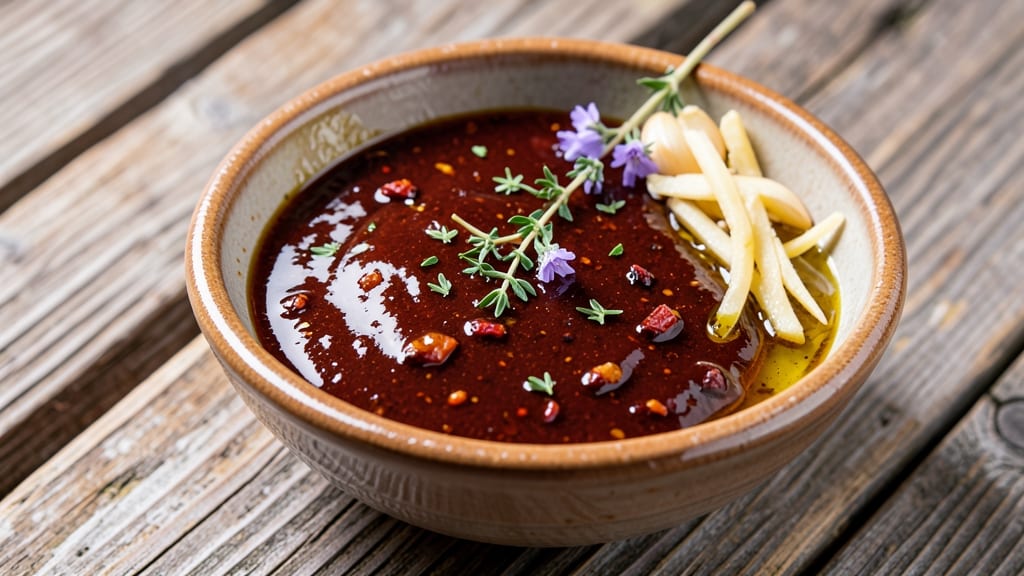
This jerk barbecue sauce recipe delivers the bold, fiery flavors of Caribbean street food with every brush or dip. The secret lies in balancing Scotch bonnet peppers for heat, allspice for depth, and pineapple for natural sweetness—creating a glaze that caramelizes beautifully on grilled meats or bastes like liquid fire.
I developed this version after testing dozens of recipes, ensuring the right ratio of umami from soy sauce and tang from vinegar without overpowering the spices.
The sauce begins with a simmered base of fresh ginger, garlic, and thyme, then builds layers of complexity through slow reduction. Pineapple juice adds brightness while preventing the sauce from becoming too heavy, and a touch of brown sugar enhances the caramelization.
Unlike many bottled versions, this recipe uses fresh Scotch bonnet peppers (or habaneros) for authentic heat—adjustable to your tolerance.
What you’ll end up with is a sticky, aromatic glaze that transforms grilled chicken into tender, charred perfection or turns roasted pork into a restaurant-worthy centerpiece. The sauce keeps well in the fridge for up to 2 weeks, making it perfect for meal prep or batch cooking.
Whether you’re marinating, basting, or serving as a dipping sauce, this jerk glaze delivers professional-level flavor with minimal effort.
For best results, let the sauce reduce until it coats the back of a spoon—this ensures maximum flavor impact. The recipe scales perfectly for parties, so double the batch if you’re feeding a crowd. Ready to elevate your grilling game? Here’s how to make it.
Ingredients for jerk barbecue sauce
Bold flavors start with these 10 ingredients—fresh peppers, pineapple, and spices that caramelize into liquid fire.
| Ingredient | Amount | Notes |
|---|---|---|
| Fresh Scotch Bonnet Peppers 🌶️ | 2 whole | Seeds removed for milder heat |
| Fresh Garlic Cloves 🧄 | 6 cloves | Minced for aromatic base |
| Fresh Ginger Root 🌿 | 2 tbsp | Finely grated, skin on |
| Fresh Thyme Leaves 🌿 | ¼ cup | Stems removed, loosely packed |
| Pineapple Juice 🍍 | 1 cup | Freshly squeezed preferred |
| Light Soy Sauce 🥢 | ½ cup | For umami depth |
| Apple Cider Vinegar 💧 | ¼ cup | For tangy brightness |
| Brown Sugar 🍯 | ¼ cup | Lightly packed |
| Ground Allspice 🌶️ | 1 tsp | Freshly ground preferred |
| Extra-Virgin Olive Oil 🫒 | ¼ cup | For richness and balance |
The Scotch bonnet peppers are non-negotiable for authentic heat. Local Latin markets usually carry them fresh, but Trader Joe's or Whole Foods often stock them too. If you can't find Scotch bonnet, habaneros work perfectly—just use one whole pepper for similar heat. For the ginger and garlic, fresh is essential—jarred or powdered versions lack the depth. I always grab extra ginger root because it keeps for weeks in the freezer. The thyme? Fresh leaves make all the difference over dried, but if you're in a pinch, dried thyme at one-third the amount will work.
No pineapple juice on hand? Fresh pineapple puréed and strained gives the best flavor, but coconut water or even orange juice can stretch you in a bind. The soy sauce matters here—light soy for balance, not dark. For the vinegar, apple cider adds complexity, but white vinegar or lime juice will keep the tang. The brown sugar isn't just for sweetness—it helps the sauce caramelize beautifully. Coconut sugar or turbinado can swap in if you prefer. And if you're sensitive to heat, reduce the pepper amount by half—the sauce will still pack a punch.
This sauce gets better with time—let it reduce for at least 30 minutes until it coats the back of a spoon. Store in a glass jar in the fridge for up to 2 weeks, or freeze for 6 months in ice cube trays for single-use portions. I always make a double batch because it disappears fast—great for grilling, roasting, or even drizzling over tacos. The flavors meld beautifully overnight, so plan ahead if you're feeding a crowd.
Why You'll Love This Recipe
- No Blender Needed: Honestly, I just pulse the Scotch bonnet, garlic, and ginger in a food processor—no fine straining, no fuss. The sauce stays chunky and vibrant, like someone actually took the time, but I’m done in five minutes.
- Sweet Heat Magic: That pineapple juice cuts through the fire of the Scotch bonnet so smoothly, you’ll forget how much heat you’re handling. The thyme adds this earthy depth that makes it taste like a Jamaican sunset in a bottle.
- Weeknight to Party: Slather it on grilled chicken for Tuesday dinners, toss it with tofu for a potluck, or drizzle it over roasted veggies when friends drop by. It’s the one sauce that works everywhere without apology.
- Pantry Goldmine: A little goes a long way—this batch lasts me three meals, and the leftovers just get better as the flavors meld. Plus, the ginger and garlic bulk it up, so you’re not just paying for liquid. Smart, simple, and always useful.
Step-by-step instructions for jerk barbecue sauce
This fiery pineapple-spiced glaze brings authentic Jamaican flavor to your grill or stovetop.
Prepare the Aromatic Base
Heat the 0.25 cup extra-virgin olive oil in a medium saucepan over medium-low heat. Add the 6 cloves fresh garlic cloves and 2 tablespoons fresh ginger root, stirring constantly for 2-3 minutes until the garlic becomes golden and fragrant. This step builds the foundation of your sauce, so don't rush it—you'll know it's ready when the aromatics smell deeply aromatic and slightly sweet.
Next, add the 2 whole fresh Scotch bonnet peppers (seeds removed) and cook for 1-2 minutes until softened but not charred. Remove the pan from heat and let it cool slightly—this prevents the thyme from burning when you add it. The peppers should be pliable but still hold their shape, releasing their fiery essence into the oil.
Build the Sauce with Sweet and Tangy Elements
Return the pan to medium heat and stir in the 0.25 cup fresh thyme leaves, 0.5 cup light soy sauce, and 0.25 cup apple cider vinegar. Let the mixture simmer gently for 5 minutes, stirring occasionally, until the thyme releases its earthy aroma and the vinegar's sharpness begins to mellow. This is where the sauce starts to come together—you'll notice the liquid reduce slightly and the colors deepen.
Add the 0.25 cup brown sugar and 1 teaspoon ground allspice, stirring until the sugar dissolves completely. The sauce should begin to thicken slightly as the sugar caramelizes. Taste at this stage—you want a balance of sweetness, tang, and heat. If the sauce is too sweet, add a splash more vinegar; if it's too sharp, add a pinch more sugar.
Incorporate the Pineapple Juice and Simmer
Pour in the 1 cup pineapple juice and bring the mixture to a gentle boil. Once boiling, reduce the heat to low and let it simmer uncovered for 15-20 minutes, stirring occasionally. You're looking for the sauce to reduce by about one-third, thickening into a glossy, syrupy consistency. The color should deepen to a rich amber, and the aroma should be complex—smoky, sweet, and undeniably spicy.
During this time, taste the sauce frequently. The pineapple juice adds brightness and balances the heat, while the long simmer allows the flavors to meld. If the sauce thickens too much, add 1-2 tablespoons water to reach your desired consistency. The final sauce should coat the back of a spoon but still pour smoothly.
Strain and Finish
Once the sauce reaches the perfect consistency, remove it from heat and let it cool for 5 minutes. Then, strain it through a fine-mesh sieve into a clean bowl or jar, pressing gently on the solids to extract every last drop of flavor. This step ensures a smooth, velvety texture without any fibrous bits. The strained sauce should be vibrant, glossy, and packed with layers of flavor—smoky from the peppers, sweet from the pineapple and sugar, and tangy from the vinegar.
Let the sauce cool completely before storing. It will thicken further as it sits, so you can adjust the consistency with a splash of water if needed. This jerk barbecue sauce keeps well in the refrigerator for up to 2 weeks or can be frozen for 3 months, making it perfect for batch cooking and future grilling sessions.
Pro Tips For Making Jerk Barbecue Sauce
- CHAR THE PEPPERS RIGHT: Remove the seeds and membranes from Scotch Bonnets first—this cuts the heat by half without losing flavor. Then, char them directly over a gas flame (no oil needed) until blackened in spots. That smoky depth is what separates homemade jerk sauce from store-bought.
- GRATE GINGER FINE: Skip the microplane if you’re impatient, but don’t just chop it—grate it as finely as you can. Fresh ginger loses punch when it’s in big chunks, and you want that zing to mingle with the garlic and thyme. (Yes, even if it looks like you’re making confetti.)
- SIMMER LOW AND SLOW: After blending everything, reduce the sauce on low heat for at least 20 minutes. High heat turns pineapple juice into syrup too fast, making the sauce cloying. You’re not racing—you’re building layers of flavor.
- STRAIN THE THYME STEMS: Toss the thyme stems into the pot, but strain them out before blending. They’re bitter and gummy, and they’ll turn your sauce into a thick paste if left in. (I learned this after making sauce that looked like glue.)
Troubleshooting this recipe
Sauce Too Thin?
If your jerk sauce isn’t thickening enough during simmering, reduce the heat to lowest setting and let it bubble gently for an extra 10-15 minutes. The longer it simmers, the more water evaporates.
For faster results, remove the pan and place it in a 350°F oven for 10 minutes—this concentrated heat helps thicken without burning. Just watch closely to avoid over-reducing. 🔥
Heat Level Off?
The Scotch bonnet peppers are the heat source, but if your sauce tastes bland, the peppers may have lost potency. For extra kick, add ½ tsp cayenne pepper or 1 dried habanero pepper while simmering.
If the heat is too intense, balance it with 1 extra tablespoon brown sugar or 1 tablespoon honey to mellow the spice. Always taste as you go!
Sauce Too Sweet?
Too much brown sugar can overpower the sauce’s complexity. Fix it by adding 1-2 tablespoons apple cider vinegar or lemon juice to cut the sweetness. If the sauce is still cloying, simmer it uncovered for an extra 5 minutes to evaporate excess moisture.
The acidity will also help brighten the flavors. 💫
Grainy Texture?
If your sauce has a gritty texture, it likely means the sugar didn’t fully dissolve. Stir in 1-2 tablespoons water and simmer for another 5 minutes to help it integrate.
For a smoother finish, strain the sauce again through a fine-mesh sieve before serving. This ensures a silky, restaurant-quality consistency every time.
Flavor Fading Fast?
Store your sauce in an airtight glass jar in the fridge to preserve freshness. If the heat dissipates quickly, add a pinch of ground allspice or smoked paprika before reheating. For long-term storage, freeze in ice cube trays—thaw only what you need to keep the spice vibrant.
The flavors actually improve over time, so don’t rush to use it all at once!
Nutrition facts
Frequently asked questions
Can I substitute Scotch bonnet peppers?
Yes! If you can't find Scotch bonnet peppers, use 2 habaneros (seeds removed) for similar heat. For milder sauce, try 1 jalapeño + 1 serrano pepper, but reduce the amount by half. Always taste as you go—fresh peppers pack more heat than dried powders.
How long should I marinate meat in this sauce?
For best results, marinate chicken or pork for 4-6 hours (or overnight for deeper flavor). The sauce is also great as a glaze—brush it on during the last 10-15 minutes of grilling or roasting. Never marinate for longer than 24 hours to prevent over-softening.
Can I make this sauce without soy sauce?
Yes, but the umami depth will change. Replace the ½ cup soy sauce with ¼ cup coconut aminos (for gluten-free) or ½ cup fish sauce (for stronger flavor). If avoiding both, use ½ cup tomato paste + 1 tbsp Worcestershire sauce for a tangy alternative. The sauce will still work but taste different.
Why does my sauce separate when stored?
This happens when oils and liquids separate naturally. Stir well before using, or heat gently on the stove until smooth. For long-term storage, store in a glass jar and shake before each use. The sauce will recombine fully when warmed. Never refrigerate in plastic containers—glass preserves flavor best.
What's the best way to reheat this sauce?
Gently warm in a saucepan over low heat for 3-5 minutes, stirring constantly. Avoid high heat—it can burn the sugar and make the sauce bitter. For quick reheating, microwave in 30-second bursts, stirring between each. Always taste and adjust heat/sweetness after reheating.