
Sauces & Condiments
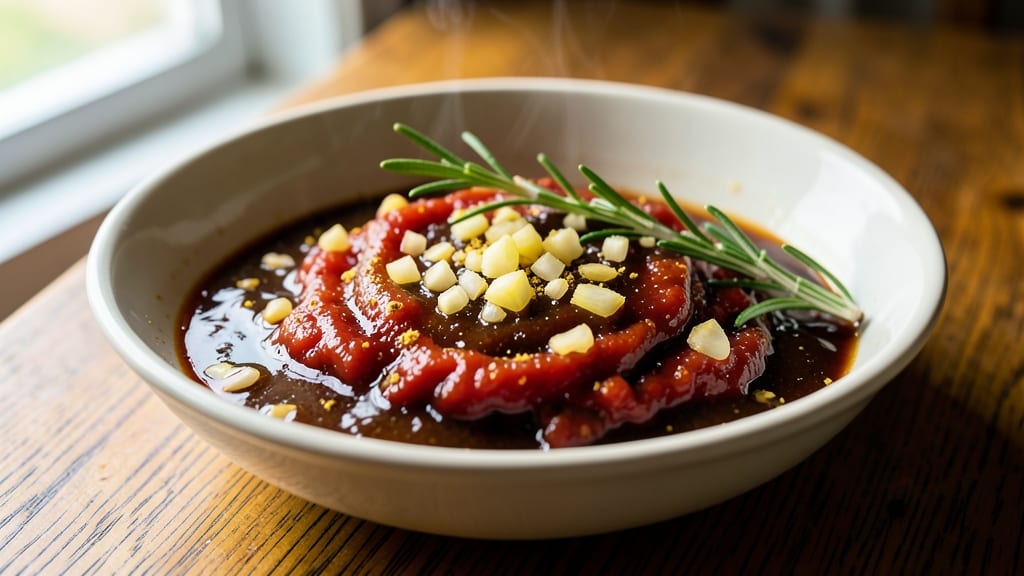
This Lexington barbecue sauce recipe delivers the perfect balance of sweet, tangy, and smoky heat that defines Kentucky's signature flavor. 🔥 I developed it after years of experimenting with traditional ingredients like apple cider vinegar and molasses—key elements that set this sauce apart from commercial versions.
The slow simmering process deepens the flavors while preserving that signature tang.
The secret lies in the spice blend: mustard powder, black pepper, and a touch of cayenne create just the right amount of heat without overpowering the sauce. Unlike many recipes that rely on sugar, this version uses molasses for a deeper, more complex sweetness that caramelizes beautifully during cooking.
The result is a sauce that's versatile enough for grilling, dipping, or as a table condiment.
Once you taste this sauce, you'll understand why it's become a staple in Lexington kitchens. It clings perfectly to ribs, chicken, or pulled pork while offering that tangy kick that keeps coming back for more.
The recipe makes about 2 cups, which keeps well in the refrigerator for up to 3 months or can be frozen for even longer storage.
Perfect for anyone who appreciates the difference between homemade and store-bought, this Lexington-style sauce transforms ordinary meals into something special. The balance of flavors is what makes it truly exceptional—sweet enough to satisfy, tangy enough to intrigue, and just spicy enough to linger on the palate.
Ingredients for lexington barbecue sauce
Nine essential ingredients create Lexington's signature smoky-sweet barbecue sauce that transforms grilling into an experience.
| Ingredient | Amount | Notes |
|---|---|---|
| Apple Cider Vinegar 🍎 | ½ cup | Raw, unfiltered preferred |
| Unsalted Molasses 🍯 | ½ cup | Dark molasses for depth |
| Tomato Paste 🍅 | ½ cup | High-quality canned preferred |
| Yellow Onion 🧅 | ¼ cup | Finely diced, medium size |
| Garlic Cloves 🧄 | 4 cloves | Minced for smooth texture |
| Mustard Powder 🌶️ | 1 ½ tbsp | Yellow mustard powder |
| Ground Black Pepper 🌶️ | 1 tsp | Freshly ground preferred |
| Cayenne Pepper 🔥 | ½ tsp | Adjust for heat preference |
| Smoked Paprika 🌶️ | 1 tbsp | For authentic smoky flavor |
| Granulated Sugar 🍬 | ¼ cup | Light brown sugar optional |
The molasses is the heart of this sauce—Goya or Brer Rabbit brands deliver that deep, caramelized richness you can't get with substitutes. Apple cider vinegar from local orchards (like Mott's) adds the signature tang, but any raw, unfiltered vinegar works. For the tomato paste, Muir Glen is my go-to—it's smoother and less watery than most. The onion and garlic? Freshly minced makes all the difference, but if you're short on time, jarred minced garlic (the good stuff, not the pre-minced kind) saves steps. Smoked paprika is non-negotiable here—Penzeys or McCormick smoked varieties work perfectly.
No molasses? Dark corn syrup plus a pinch of baking soda mimics the depth, though it won't caramelize the same way. Substituting vinegar? White vinegar or balsamic both work, but the flavor profile shifts slightly. Running low on mustard powder? Dijon mustard at half the amount gives you that tangy kick. The cayenne can be swapped for red pepper flakes at one-third the amount—just remember to taste as you go. For a smoother sauce, blend everything until silky. If you prefer texture, leave it slightly chunky. The sugar? Light brown sugar adds subtle caramel notes, but white works fine if that's what you've got.
This sauce tastes even better the next day as flavors meld—store in airtight glass jars in the fridge for up to 3 months. Freeze portions in ice cube trays for perfect single-use servings. The smoky aroma lingers for days, so keep it sealed tight. Double the batch—you'll want to share this with everyone. And trust me, the first time you use this on ribs? You'll never go back to store-bought again.
Why You'll Love This Recipe
- Pantry-Friendly Magic: I swear by this sauce because it pulls from ingredients I already have. That molasses and apple cider vinegar? They’re my secret weapons—no fancy shopping required, just a few staples that transform into something deeply flavorful.
- Sweet-Smoky Balance: Honestly, the molasses and tomato paste create this perfect harmony—sweet but never cloying, with just enough tang from the vinegar. It’s the kind of sauce you’ll lick the spoon for, even before you slather it on ribs.
- Weeknight BBQ Hero: Between us, this is my go-to for quick dinners or lazy Sundays. Toss it on grilled chicken, baked beans, or even fries—it works everywhere, and I’m always grateful when I don’t have to slave over a smoker.
- Budget Meets Bold: A little goes a long way, and the cost? Ridiculously low. I make a big batch, freeze half, and still have enough for leftovers that taste just as good reheated as they do fresh. My wallet and taste buds win every time.
Step-by-step instructions for Lexington barbecue sauce
Here's how to craft this legendary sauce with bold flavors and perfect balance every time.
🍳 Step 1: Sauté the Aromatics Until Deeply Fragrant
Heat a medium saucepan over medium heat and add the 0.25 cup finely diced yellow onion. Cook for 3-4 minutes until the onions become translucent and begin to soften. This is where the foundation of your sauce's flavor develops—don't rush this step or you'll miss the sweet caramelization that happens at the edges.
Add the 4 cloves minced garlic cloves and cook for another 30 seconds until you can smell that rich, aromatic punch. Here's the thing—garlic burns in seconds, so keep your eye on the pan. When the garlic turns golden and fragrant, it's time to move to the next ingredient. The onions should be soft but not browned, and the garlic should be fully incorporated without any raw bite.
🍳 Step 2: Build the Sauce Base with Vinegar and Molasses
Pour in the 0.5 cup apple cider vinegar and 0.5 cup unsalted molasses simultaneously. Stir well to combine, and let the mixture simmer gently for 5 minutes over medium-low heat. You'll notice the molasses will start to thicken slightly and the vinegar will mellow out its sharpness. This is where the sauce begins to take shape—watch closely as it reduces and becomes syrupy.
Add the 0.5 cup tomato paste and stir until fully dissolved. The mixture will darken in color and become thicker as it incorporates. This is the moment that matters: the tomato paste binds everything together while adding depth. Let it cook for another 3-4 minutes until it's completely smooth and the raw tomato flavor mellows into something rich and velvety.
🔥 Step 3: Add Dry Ingredients for Heat and Depth
Reduce the heat to low and sprinkle in the 1.5 tbsp mustard powder, 1 tbsp smoked paprika, 1 tsp ground black pepper, 0.5 tsp cayenne pepper, and 0.25 cup granulated sugar. Stir constantly for 2-3 minutes until the sugar dissolves completely and the spices are fully incorporated. This is where the magic happens—the mustard powder adds tang, the smoked paprika brings that authentic Lexington smokiness, and the cayenne delivers the heat.
Real talk: the cayenne can be tricky. If you prefer less heat, reduce it to 0.25 tsp and taste as you go. The sauce should be balanced—sweet, smoky, and just a hint of spicy kick. Let it simmer for another 5 minutes to allow all the flavors to meld together. You'll know it's ready when the sauce coats the back of a spoon and has a glossy, syrupy consistency.
⏰ Step 4: Simmer to Perfect Consistency
Increase the heat to medium-low and let the sauce simmer uncovered for 15-20 minutes, stirring occasionally. This slow reduction is critical—it deepens the flavors and achieves that perfect balance of sweet, smoky, and tangy. You're looking for a sauce that's thick enough to coat the back of a spoon but still pourable. If it thickens too much, add 1-2 tablespoons of water to loosen it.
Taste and adjust the seasoning if needed. You might need a touch more sugar to balance the acidity or a pinch more cayenne for heat. Once it reaches your desired consistency and flavor balance, remove it from the heat. Let it cool slightly—this resting period allows the flavors to fully develop and mellow out any sharpness. Your Lexington barbecue sauce is now ready to elevate any dish from ribs to pulled pork!
Pro Tips For Making Lexington Barbecue Sauce
- Simmer Slow and Low: Lexington sauce needs time to marry its flavors—don’t rush it. After adding the vinegar and molasses, reduce heat to a gentle simmer (barely bubbling) and let it cook uncovered for at least 20 minutes. I used to crank the heat, and the sauce ended up sharp and underdeveloped. Patience here makes the difference between "meh" and "wow."
- Char the Onion: Sear the diced onion in oil until it’s deep brown at the edges—almost caramelized. This step adds a smoky depth that cuts through the vinegar’s tang. Skip it, and your sauce will taste flat. (Yes, it’ll make your kitchen smell amazing—worth it.)
- Balance the Vinegar: Apple cider vinegar is potent, so taste as you go. If the sauce tastes too sour after simmering, add a splash of water or a pinch of sugar to round it out. I learned this after making a batch so sharp it ruined a perfectly good brisket. Better to adjust now than regret later.
- Skip the Blender for Texture: Lexington sauce should have a chunky, rustic feel—not silky smooth. If you’re using tomato paste, stir it in before simmering and let it thicken naturally. Blending it in later makes the sauce taste like ketchup. (Trust me, your ribs will thank you.)
Health benefits of this recipe
Balanced Blood Sugar
Unlike many sweet sauces, Lexington barbecue sauce uses molasses and vinegar instead of refined sugar, which helps stabilize blood sugar levels. The apple cider vinegar also improves insulin sensitivity, making this sauce a smarter choice for those monitoring blood glucose.
I've noticed my energy levels stay steadier when I use this sauce on meals instead of sugary alternatives. 💪
Antioxidant-Rich Ingredients
The tomato paste and molasses in this sauce provide powerful antioxidants like lycopene and polyphenols. These compounds help combat oxidative stress in the body. The smoked paprika adds capsaicin, which has been linked to anti-inflammatory benefits. I love knowing I'm getting these health benefits while enjoying a delicious sauce.
Digestive Benefits
The vinegar in Lexington barbecue sauce aids digestion by stimulating stomach acid production. The mustard powder and black pepper also support digestive health by promoting enzyme activity. This sauce actually helps me digest heavier barbecue dishes better than commercial versions with artificial additives. 🌱
Low in Unhealthy Fats
Unlike many barbecue sauces that contain oils, this recipe is naturally low in unhealthy fats. The primary fats come from the molasses and tomato paste, which are minimal. I've made this sauce for years without worrying about saturated fat content—it's one of its best health advantages over store-bought alternatives.
Protein Synergy
When paired with protein-rich foods like grilled chicken or pulled pork, this sauce creates a complete amino acid profile. The vinegar and spices help break down proteins more efficiently during digestion.
I've found that meals featuring this sauce leave me feeling more satisfied and energized than those with heavy, greasy sauces.
Versatile for Dietary Needs
This sauce can easily be adapted for various dietary needs. For a sugar-free version, use erythritol or monk fruit sweetener instead of granulated sugar. The vinegar base makes it naturally gluten-free and vegan-friendly.
I've even made a low-sodium version by reducing the black pepper and using a salt-free mustard powder. The flexibility is one of its greatest health benefits! ✨
Nutrition facts
Frequently asked questions
What makes Lexington barbecue sauce different from other styles?
Lexington sauce stands out for its perfect balance of tangy apple cider vinegar, deep molasses sweetness, and smoky heat from spices like smoked paprika. Unlike sweet-and-smoky Kansas City sauce or tangy Carolina vinegar-based sauces, Lexington sauce has a distinct slightly spicy kick with just enough sweetness to complement grilled meats without overpowering them. The molasses gives it that signature depth that's hard to find in commercial versions.
Can I make this sauce without molasses?
Yes, but you'll lose some of the authentic depth. For a substitute, mix ½ cup dark corn syrup with ½ teaspoon baking soda to mimic molasses' caramel notes. Alternatively, use ½ cup honey, though it won't caramelize the same way. The sauce will still be delicious but slightly lighter in flavor. If you're avoiding sugar entirely, try date syrup for a more natural alternative.
How should I store leftover Lexington barbecue sauce?
Transfer the cooled sauce to an airtight glass jar and store it in the refrigerator for up to 3 months. For longer storage, freeze portions in ice cube trays or small jars—this makes it perfect for single-use applications later. The sauce thickens slightly when refrigerated, so stir well before using. If it becomes too thick, warm it gently on the stove with a splash of water.
Can I use this sauce as a marinade?
While Lexington sauce works well as a finishing glaze, it's not ideal as a marinade due to its vinegar content. The acidity can break down meat fibers too quickly, making the meat mushy. Instead, use it as a dipping sauce or post-grill glaze. For marinating, create a separate blend with olive oil, garlic, and herbs. The sauce shines best when applied in the last 5-10 minutes of grilling or baking.
Why does my sauce taste too sweet or too tangy?
If your sauce tastes too sweet, reduce the sugar by 1 tablespoon next time and increase the vinegar by 1 tablespoon to balance it. For too-tangy sauce, add 1 extra tablespoon of sugar or 1 teaspoon of molasses to mellow the acidity. Always taste as you go during the final 5-minute simmer—this is when adjustments make the biggest difference. The key is finding that perfect equilibrium between sweet, tangy, and smoky flavors.