
Sauces & Condiments
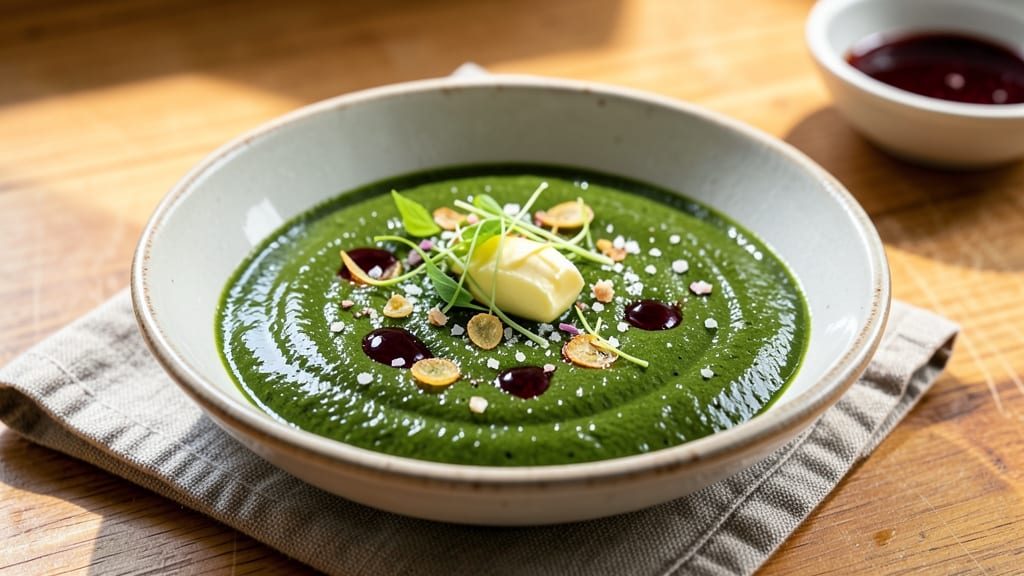
This sorrel sauce recipe transforms vibrant summer sorrel into a bright, tangy condiment that elevates everything from grilled fish to fresh salads. The key lies in balancing sorrel's sharp acidity with rich butter and a touch of sweetness—creating a sauce that's both complex and refreshing.
I developed this version after years of experimenting with restaurant-style preparations, simplifying it for home cooks without sacrificing depth.
What makes this sauce special is its versatility—it works as a bold dressing, a rich fish topping, or even a tangy element in creamy soups.
The process is straightforward: wilt fresh sorrel leaves, blend with butter (or olive oil for a lighter option), and finish with vinegar and sugar for balance. The result is a velvety sauce with layers of herbal brightness and subtle sweetness that lingers on the palate.
Perfect for summer dishes, this sauce pairs beautifully with grilled salmon, roasted chicken, or even as a zesty addition to creamy pasta. The recipe yields about 1 cup, making it ideal for small batches or meal prep.
Store any leftovers in the refrigerator for up to 5 days, though it's likely to disappear faster than that.
For a vegan version, simply replace the butter with olive oil or a plant-based butter substitute. The sauce's natural acidity and herbal notes make it a standout addition to any summer menu—simple yet sophisticated enough for special occasions.
Ingredients for sorrel sauce
Nine ingredients balance sorrel's tartness with rich butter and bright acidity for a velvety summer sauce.
| Ingredient | Amount | Notes |
|---|---|---|
| Fresh Sorrel Leaves 🌿 | 2 cups | Packed, stems removed |
| Unsalted Butter 🧈 | ½ cup | Cold, cubed for blending |
| Extra-Virgin Olive Oil 🫒 | ¼ cup | For vegan option only |
| White Wine Vinegar 🍷 | 2 tbsp | Dry, high-quality preferred |
| Granulated Sugar 🍚 | 1 tbsp | Adjust to taste |
| Shallots 🧅 | 2 whole | Minced, about 1 tbsp total |
| Fresh Chives 🌱 | 2 tbsp | Finely chopped, for garnish |
| Diamond Crystal Kosher Salt 🧂 | ½ tsp | Adjust to taste |
| Freshly Ground Black Pepper 🌶️ | ¼ tsp | Freshly cracked preferred |
Sorrel's quality makes or breaks this sauce. Seek bright green, crisp leaves from specialty markets or well-stocked grocery stores like Whole Foods—avoid wilted or yellowing leaves. The butter should be cold and unsalted (like Plugrá or Land O'Lakes) to emulsify properly. Shallots add depth; organic shallots from the produce section work best. For vinegar, French white wine vinegar provides the cleanest acidity, but any dry vinegar suffices. Sugar should be fine granulated to dissolve completely.
No fresh sorrel? Spinach or Swiss chard at half the amount works in a pinch, though flavor will differ. Substitute butter with olive oil for vegan version—use the same 0.5 cup measurement. Short on shallots? 1 tbsp finely minced yellow onion provides similar base notes. The sugar can be swapped for honey or maple syrup (reduce to 1 tsp). For extra brightness, add 1 tsp lemon juice alongside the vinegar. Chives are optional but recommended—they add a delicate onion note that complements the sorrel's herbal profile.
This sauce keeps best in an airtight glass jar in the fridge for 5-7 days, though texture may separate. To re-emulsify, whisk vigorously or blend briefly. For longer storage, freeze in 1-tbsp portions—thaw overnight in the fridge. The sauce thickens as it chills, so thin with 1 tsp water or vinegar before serving if needed. Garnish with extra chives and a pinch of salt just before serving to enhance freshness.
Why You'll Love This Recipe
- Five-Ingredient Magic: I swear by this recipe because it’s that simple—just a handful of ingredients, no fancy techniques. You’ll have that bright, tangy sorrel punch in minutes, no chopping wars or last-minute grocery runs.
- Tangy Brightness: That first sip of sorrel sauce—sharp, citrusy, with just a touch of sweetness—is like a wake-up call for your taste buds. The white wine vinegar cuts through the butter’s richness, leaving you craving more.
- Game-Changer for Meals: Slather it on grilled fish, drizzle it over roasted veggies, or toss it with greens—this sauce works everywhere. Honestly, I’ve even used it as a marinade for chicken, and it’s become my go-to for summer dishes.
- Budget-Friendly Luxury: Fresh sorrel is cheap (and often free if you forage), and the rest of the ingredients are pantry staples. Plus, it keeps for days in the fridge, so you’re not scrambling to use it up before it spoils.
Step-by-step instructions for sorrel sauce
This bright, herbaceous sauce transforms humble ingredients into summer's perfect condiment.
Prepare the Sorrel and Shallots
Rinse the 2 cups of fresh sorrel leaves thoroughly under cold water to remove any dirt, then pat them completely dry with paper towels. Remove and discard any thick stems. Finely chop the leaves into small pieces—about the size of a pea—using a sharp knife or food processor for consistency. This preparation ensures maximum surface area for flavor extraction.
Peel and mince the 2 whole shallots into a fine texture, aiming for about 1 tablespoon of minced shallot. The shallots will provide a delicate sweetness that balances the sorrel's tartness. Set both prepared ingredients aside until ready to use. I like to work with them immediately to preserve their freshness and vibrant flavors.
Sauté the Shallots in Butter
In a medium saucepan, melt the 0.5 cup of cold, cubed unsalted butter over medium heat. Once the butter has fully melted and begins to foam, add the minced shallots. Cook them for 3-4 minutes until they become translucent and just beginning to turn golden—this indicates they're softening properly without burning.
This step is crucial for developing the sauce's foundation. The butter's richness will carry the sorrel's bright acidity, while the shallots add depth. Watch the pan carefully—the butter burns easily, and that would impart a bitter taste to your sauce. If the butter starts to brown too quickly, reduce the heat slightly to maintain gentle cooking.
Add Sorrel and Simmer
Add the chopped sorrel leaves to the pan with the shallots and butter. Stir well to combine, then increase the heat to medium-high. Allow the mixture to come to a gentle boil, then immediately reduce the heat to medium-low. Let it simmer uncovered for 5-7 minutes until the sorrel leaves have softened and the mixture has reduced by about one-third.
During this time, you'll notice the sorrel releasing its vibrant green color and tart juices. The sauce should become thickened but still have a slightly loose consistency. If it reduces too quickly, you can add 1-2 tablespoons of water to maintain the proper texture. The key is to let the sorrel's natural acidity mellow slightly while preserving its bright character.
Incorporate Vinegar and Sugar
Remove the pan from heat and stir in the 2 tablespoons of white wine vinegar and 1 tablespoon of granulated sugar. The vinegar will enhance the sorrel's tartness, while the sugar provides a subtle sweetness that balances the overall flavor profile. Return the pan to low heat and let the mixture simmer gently for an additional 2-3 minutes to allow the flavors to meld together.
Taste the sauce at this point. You should notice a bright, herbaceous flavor with a pleasant tang. The sugar should have just enough time to dissolve completely. If you find the sauce needs more balance, you can adjust by adding a pinch more sugar or a splash more vinegar, but at this stage, it should be approaching perfection.
Finish and Garnish
Once the sauce has reached the desired balance of flavors, remove it from heat and let it cool slightly. Transfer it to a blender or food processor and blend until completely smooth. For an extra-silky texture, you can add the 0.25 cup of extra-virgin olive oil during blending—this creates a luxurious finish that's perfect for drizzling over dishes.
Season the sauce to taste with the 0.5 teaspoon of Diamond Crystal kosher salt and 0.25 teaspoon of freshly ground black pepper. Finally, stir in the 2 tablespoons of finely chopped fresh chives just before serving. These delicate herbs add a final touch of freshness that elevates the sauce's overall appeal. The chives should be visible as garnish, adding both color and flavor.
Pro Tips For Making Sorrel Sauce
- Wilt Leaves Slowly: Dump chopped sorrel into boiling water for 30 seconds—no more. I used to rush this and end up with a watery mess. The leaves need just enough time to soften enough to release their tang without turning to mush.
- Use Cold Butter: Cut unsalted butter into chunks and add it cold at the end. This keeps the sauce from breaking and gives you those glossy ribbons that scream "fancy." I learned this after my sauce turned into a greasy blob the first five times.
- Strain Twice: First pass through a fine-mesh strainer catches the big bits. Then, press the pulp through a cheesecloth for a silky texture. The first time I skipped this, my sauce looked like it had gravel in it.
- Balance Vinegar Gradually: Add white wine vinegar a teaspoon at a time while tasting. Sorrel’s sharpness varies by harvest, and you want the acidity to brighten—not overpower. I’ve ruined a batch by dumping in too much too fast.
Flavor customization for this dish
Sweet-Tart Balance
Adjust the sugar-to-vinegar ratio based on your sorrel's tartness. If your leaves are particularly sharp, reduce sugar to ½ tablespoon and add 1 extra teaspoon of vinegar for brightness. For milder sorrel, increase sugar to 1½ tablespoons and keep vinegar at 2 tablespoons.
I find French sorrel often needs less sugar than American varieties—always taste before blending. 🍯
Herb Variations
Swap chives for 1 tablespoon fresh tarragon or 1 teaspoon dried thyme for a Mediterranean twist. Tarragon adds an anise-like sweetness, while thyme brings earthy depth.
For a garden-fresh version, blend in 1 tablespoon chopped dill or 1 teaspoon lemon zest alongside the chives. These herbs complement sorrel's acidity beautifully. 🌿
Spicy Kick
Add ½ teaspoon smoked paprika or ¼ teaspoon cayenne pepper during the final blending for heat. For a smoky profile, stir in ½ teaspoon chipotle powder with the vinegar. I recommend testing first—some sorrel varieties are naturally spicier. A pinch of ground coriander also adds complexity without overpowering. 🌶️
Creamy Upgrade
For a richer texture, blend in 2 tablespoons crème fraîche or 1 tablespoon sour cream after blending. This creates a luxurious, almost mousseline-like consistency perfect for seafood.
For a vegan alternative, use 1 tablespoon cashew cream (soaked cashews blended with water). The tanginess of sorrel pairs wonderfully with dairy's creaminess. 🥛
Citrus Brightness
Infuse the sauce with 1 teaspoon lemon juice or ½ teaspoon orange zest during blending for a refreshing twist. The citrus enhances sorrel's natural acidity while adding floral notes. For a tropical variation, add ½ teaspoon grated ginger with the zest. This works especially well with summer grilled dishes. 🍋
Smoky Depth
Sauté the shallots in 1 tablespoon olive oil instead of butter, then add ½ teaspoon liquid smoke (like La Boîte's) with the vinegar. This creates a smoky-sweet base that pairs perfectly with grilled meats.
For a more pronounced smoky flavor, char the shallots slightly in a dry pan before adding butter. 🔥
Nutrition facts
Frequently asked questions
Can I use dried sorrel instead of fresh?
Fresh sorrel is ideal for this sauce because it provides the brightest flavor. However, if you must use dried sorrel, substitute 1 tablespoon for each 1 cup of fresh leaves. Rehydrate dried sorrel in warm water for 5 minutes before using, then drain well. The texture and flavor will be less vibrant, but it still works in a pinch.
How do I store leftover sorrel sauce?
Store your sorrel sauce in an airtight glass jar in the refrigerator for up to 5-7 days. The sauce may separate slightly—just whisk or blend briefly before using. For longer storage, freeze in 1-tablespoon portions for up to 3 months. Thaw overnight in the fridge for best results.
What are the best dishes to pair with this sauce?
This versatile sauce shines with grilled fish (especially salmon or trout), roasted chicken, and creamy soups. It also works as a tangy salad dressing or drizzle for pasta. The bright acidity cuts through rich proteins, while the herbal notes complement delicate flavors. Try it with summer vegetables like zucchini or asparagus too!
What if my sauce tastes too tart?
If the sauce is overly tart, balance it by adding ½ teaspoon more sugar or 1 teaspoon olive oil to mellow the acidity. Simmer gently for 1-2 minutes to let flavors meld. For a quicker fix, stir in ½ teaspoon honey or maple syrup instead. Always taste as you go—adjust gradually!
Can I make this sauce without butter?
For a lighter version, replace the butter with ½ cup extra-virgin olive oil during the sautéing step. The sauce will have a different texture but still deliver bright, tangy flavor. For a vegan option, use olive oil and add 1 tablespoon nutritional yeast for depth. The sauce may be slightly thinner, so reduce it longer if needed.