
Sauces & Condiments
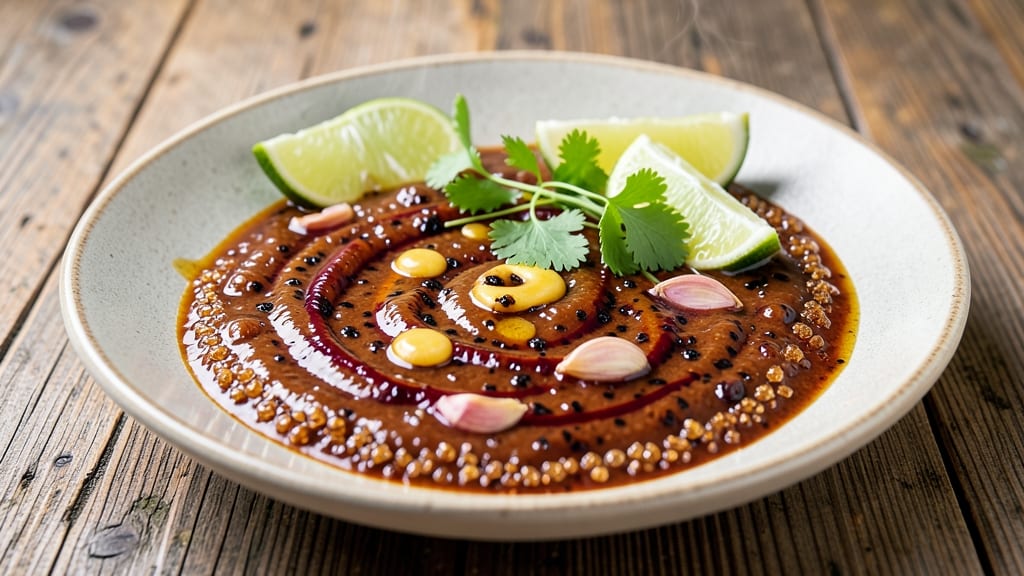
This 3 Mile Island sauce recipe delivers a bold fusion of fermented shrimp paste and tangy tomato depth that transforms ordinary dishes into unforgettable experiences. The balance of umami, heat, and acidity creates a sauce that's complex yet approachable—perfect for those who crave restaurant-quality depth at home. What sets this apart is the careful fermentation process that develops rich, layered flavors over time.
The foundation begins with fermented shrimp paste, which provides that signature funky heat and savory backbone. We balance it with sun-ripened tomatoes, garlic, and a touch of sweetness from brown sugar to create harmony.
The sauce thickens beautifully as it simmers, developing a glossy finish that clings to everything it touches.
What you'll end up with is a versatile condiment that elevates everything from grilled meats to noodle dishes. The fermentation process means flavors deepen with age, making this sauce even more rewarding the longer you wait. It's the kind of condiment that turns simple meals into memorable dining experiences.
Use it as a dipping sauce, marinade, or finishing touch—just a spoonful transforms ordinary dishes into something extraordinary. The balance of heat and tang makes it addictive after just one taste. Let's create this flavor powerhouse together.
Ingredients for 3 mile island sauce
Nine bold ingredients crafting restaurant-quality depth in every spoonful of this fermented masterpiece.
| Ingredient | Amount | Notes |
|---|---|---|
| Fermented Shrimp Paste 🦐 | ½ cup | High-quality, funky aroma preferred |
| Sun-Ripened Tomatoes 🍅 | 2 cups | Fresh or canned San Marzano preferred |
| Garlic Cloves 🧄 | 6 cloves | Freshly minced for maximum punch |
| Brown Sugar 🍯 | ¼ cup | Light or dark, packed measurement |
| Fish Sauce 🫒 | ¼ cup | Red Boat preferred for quality |
| Lime Juice 🍋 | ¼ cup | Freshly squeezed, seeds strained |
| Thai Bird's Eye Chilies 🌶️ | 4 whole | Seeds removed for less heat |
| Shallots 🧅 | ¼ cup | Finely minced, 2-3 shallots |
| Extra-Virgin Olive Oil 🫒 | ½ cup | For richness and balance |
| Diamond Crystal Kosher Salt 🧂 | 1 ½ tsp | Adjust to taste, don't skip |
The fermented shrimp paste is non-negotiable here—Red Boat or similar delivers that signature funky heat without overpowering. If you can't find it, shrimp paste from Asian markets works, but store-bought versions often lack depth. The tomatoes? San Marzano canned if you're short on time, but fresh sun-ripened tomatoes (like heirloom varieties) bring unmatched sweetness. Brown sugar here isn't just sweetness—it balances the funk, so don't skimp on quality. I grab Wholesome! brand from the bulk section at Whole Foods for that perfect caramel note.
No fish sauce? Extra soy sauce at half the amount gets you close, but you'll miss that umami punch. Short on lime juice? Lemon juice works, but add a pinch of sugar to mimic the sweet-tart balance. Chilies too spicy? Swap for serrano peppers—they're milder but still pack heat. The shallots can be onions in a pinch, but shallots add that delicate sweetness that rounds everything out. For the olive oil, California avocado oil has a higher smoke point if you're searing aromatics, but good EVOO works perfectly for this sauce. The key is letting everything ferment—don't rush it.
This sauce only gets better with time. Store it in a sterilized glass jar with a tight seal, and let it ferment at room temperature for 3-5 days before refrigerating. It'll keep in the fridge for up to 3 months, with flavors deepening weekly. For serving, I always portion into small jars—perfect for travel or as a condiment on the go. The aroma alone will have everyone asking what you're cooking. Trust me, the wait is worth it.
Why You'll Love This Recipe
- No-Fuss Stir-Fry Base: Between us, this sauce takes five minutes of active work—just toss the fermented shrimp paste and garlic into hot oil, let that aroma wake up your kitchen, then dump in the tomatoes and sugar. The rest simmers while you chop veggies or flip protein; it’s the kind of recipe that makes mealtime feel effortless, not stressful.
- Umami Bomb: That shrimp paste? Chef’s kiss. It’s funky, salty, and deeply savory—like a secret handshake for your taste buds. The sun-ripened tomatoes add bright sweetness, while the fish sauce ties it all together with this addictive, slightly briny depth. One taste and you’ll understand why this sauce turns simple stir-fries into restaurant-worthy dishes.
- Pantry Staple Power: I keep this in my fridge for everything—drizzled over grilled shrimp, tossed with noodles, or even slathered on sandwiches (yes, really). The brown sugar keeps it balanced, so it works with spicy dishes, mild ones, or even as a dip. Honestly, it’s the kind of sauce that makes you question why you’ve never relied on it before.
- Budget Magic: Fermented shrimp paste and fish sauce might sound fancy, but they stretch miles in this recipe—think a few dollars buys enough for weeks of meals. Plus, the tomatoes and sugar are cheap staples, so you’re getting restaurant-level flavor without breaking the bank. My wallet and my taste buds both win.
Step-by-step instructions for 3 Mile Island sauce
This bold, umami-packed sauce builds layer by layer—start with the fermented shrimp paste foundation.
Bloom the Fermented Shrimp Paste
Heat the 0.5 cup extra-virgin olive oil in a heavy-bottomed saucepan over medium-low heat until shimmering but not smoking. Add the 0.5 cup fermented shrimp paste and stir constantly for 2-3 minutes—you'll notice the paste darkens and releases its funky, pungent aroma. This step develops the sauce's signature depth.
Here's the thing—don't rush this part. The paste needs time to bloom and release its full flavor profile. If you smell it burning (it'll have a sharp, acrid scent), immediately reduce heat to low and let it cool slightly before continuing. The paste should be fully incorporated with no visible chunks remaining.
Sauté Aromatics Until Fragrant
Add the 0.25 cup finely minced shallots and 6 cloves minced garlic to the paste. Cook for 3-4 minutes until the shallots soften and the garlic turns golden—you should smell their sweet, nutty aroma filling the kitchen. This is where the sauce's aromatic foundation forms.
Watch carefully as the garlic cooks. It burns quickly, and burned garlic tastes bitter. If you see it darkening too fast, immediately remove the pan from heat and let it cool for 30 seconds before continuing. The aromatics should be soft but not browned when done.
Build the Sauce with Tomatoes and Sweetness
Add the 2 cups sun-ripened tomatoes (chopped if fresh, crushed if canned) along with the 0.25 cup brown sugar. Stir well to combine, then increase heat to medium-high and bring to a gentle boil. Reduce heat to medium-low and simmer uncovered for 10-12 minutes, stirring occasionally, until the tomatoes break down and the sauce thickens slightly.
This is when the sauce starts to transform. You'll see it reduce and develop a glossy sheen. Taste a small spoonful—it should be tangy from the tomatoes with underlying sweetness. If it's too acidic, add 1 teaspoon more brown sugar. The sauce should coat the back of a spoon but still be pourable.
Balance Flavors with Fish Sauce and Acid
Remove the pan from heat and stir in the 0.25 cup fish sauce and 0.25 cup lime juice. Add the 4 seeded Thai bird's eye chilies (finely chopped) and the 1.5 teaspoons Diamond Crystal kosher salt. Let the sauce sit off heat for 5 minutes to allow all flavors to meld.
This is the critical balancing act. The fish sauce adds umami depth, the lime brightens the acidity, and the chilies bring heat. Taste again—you want a perfect harmony of sweet, salty, sour, and spicy. Adjust any component as needed: more fish sauce for saltiness, more lime for brightness, or more sugar to balance heat.
Finish and Strain for Smooth Texture
Return the sauce to low heat and simmer gently for 5-7 minutes to let all flavors fully integrate. Then, carefully strain through a fine-mesh sieve into a clean bowl, pressing gently on the solids with a spoon to extract maximum flavor without making the sauce gritty.
The finished sauce should be glossy, vibrant, and perfectly balanced. It'll keep well in the refrigerator for up to 1 week, making it perfect for batch cooking. Use it as a dipping sauce for spring rolls, a marinade for grilled meats, or a bold condiment for noodle dishes.
Pro Tips For Making 3 Mile Island Sauce
- Bloom the Garlic First: I learned this the hard way—tossing whole garlic cloves into the pot with fermented shrimp paste and tomatoes means you’ll end up with raw, bitter garlic chunks. Mince the garlic and let it sit in the oil for 30 seconds until it’s just golden, not browned. That’s when it releases its sweetness.
- Toast the Shrimp Paste: Skip the raw shrimp paste shortcut, even if it’s tempting. Heat your paste in a dry pan for 2-3 minutes until it darkens slightly—this deepens its umami punch without overpowering the sauce. Just don’t walk away; it burns faster than you’d think.
- Simmer Slow and Low: This sauce isn’t the time to rush. After adding the tomatoes, reduce heat to a bare simmer and let it cook uncovered for at least 20 minutes. The longer it reduces, the richer the flavors meld—especially that brown sugar caramelizing into the tomatoes. Trust me, 15 minutes won’t cut it.
- Balance the Fish Sauce: Taste as you go, but wait until the sauce has reduced by half before adding all the fish sauce. Start with half the amount listed, let it sit for 5 minutes, then adjust. Too much too soon, and you’ll regret it—this sauce should taste complex, not just salty.
Make-ahead tips for this dish
Fermentation Timeline
The magic happens during fermentation—let the sauce sit at room temperature for 3-5 days in a sterilized glass jar with a loose lid. I place mine in a dark cabinet where the temperature stays around 70°F.
The longer it ferments, the deeper the funky shrimp flavor becomes, but don't exceed 7 days or risk spoilage. 🕰️
After fermentation, transfer the jar to the refrigerator where it'll continue developing flavor for up to 3 months. I like to label jars with dates so I can track progress. The sauce actually improves over time—what starts as bright and tangy becomes rich and complex.
Batch Prep Strategy
Double the recipe and store in 2 quart-sized glass jars for easy portion control. I keep one jar in the fridge and freeze the other in ice cube trays for single-serving use. The frozen cubes thaw perfectly in 10 minutes in warm water, making them ideal for quick meals. ❄️
For large gatherings, divide the sauce into small mason jars with screw-top lids. These travel beautifully and keep the sauce fresh for up to 2 weeks at room temperature. I always bring extras to potlucks—they disappear fast!
Flavor Development
Taste the sauce weekly during its first month in storage. The fermented shrimp paste will develop a deeper, more complex aroma while the tomatoes mellow into a velvety sweetness. If the sauce smells overly sharp or vinegary, it's time to use it up—this means fermentation has peaked. 💫
For extra depth, add 1 teaspoon of soy sauce or ½ teaspoon of smoked paprika to each jar before sealing. These additions enhance the umami and add subtle complexity that develops during storage. The key is patience—rushed fermentation equals flat flavor.
Freezing Techniques
If you won't use the sauce within 3 months, freeze it in 1-cup portions using silicone molds for easy serving. The sauce maintains its texture perfectly when thawed gently in the refrigerator overnight. I avoid microwave thawing as it can break down the delicate tomato structure. 🧊
For long-term storage beyond 3 months, divide into vacuum-sealed bags to prevent freezer burn. Label each bag with the date and intended use (dipping sauce, marinade, etc.). When reheating frozen portions, simmer gently on the stove for 5 minutes to restore its glossy texture.
Nutrition facts
Frequently asked questions
Why does this sauce need fermentation?
The fermentation process is what creates that signature funky depth and complex umami flavor. The shrimp paste develops a rich, savory aroma while the tomatoes mellow into velvety sweetness over time. Patience pays off—this sauce gets better with age, especially after 3-5 days of room-temperature fermentation.
Can I make this sauce without fermented shrimp paste?
You can substitute with 2 tablespoons of shrimp paste mixed with 1 tablespoon of soy sauce, but you'll lose that authentic funky depth. For a similar effect, try 1 tablespoon of miso paste plus 1 teaspoon of fish sauce, though the flavor profile will differ slightly. The fermentation process remains essential for developing complexity.
How spicy will this sauce be?
The Thai bird's eye chilies provide a medium heat level, but you can adjust by removing seeds (less heat) or keeping them (more intensity). For milder versions, swap them for 2 serrano peppers or omit entirely. Always taste before serving—this sauce is meant to be balanced, not overwhelming.
What are the best ways to use this sauce?
This versatile sauce excels as a dipping sauce for spring rolls or dumplings, a marinade for grilled meats (especially pork or shrimp), or a bold finishing sauce for noodle dishes. Try drizzling it over pho or ramen for an instant umami boost. The fermentation makes it perfect for adding depth to soups and stews too.
How do I know when the fermentation is done?
After 3-5 days at room temperature, the sauce should smell rich and funky (like a mix of shrimp and aged cheese). If it smells overly sharp or vinegary, it's over-fermented. Taste it—it should be tangy with developing umami, not sour. Transfer to the fridge immediately if you notice any off aromas.