
Sauces & Condiments
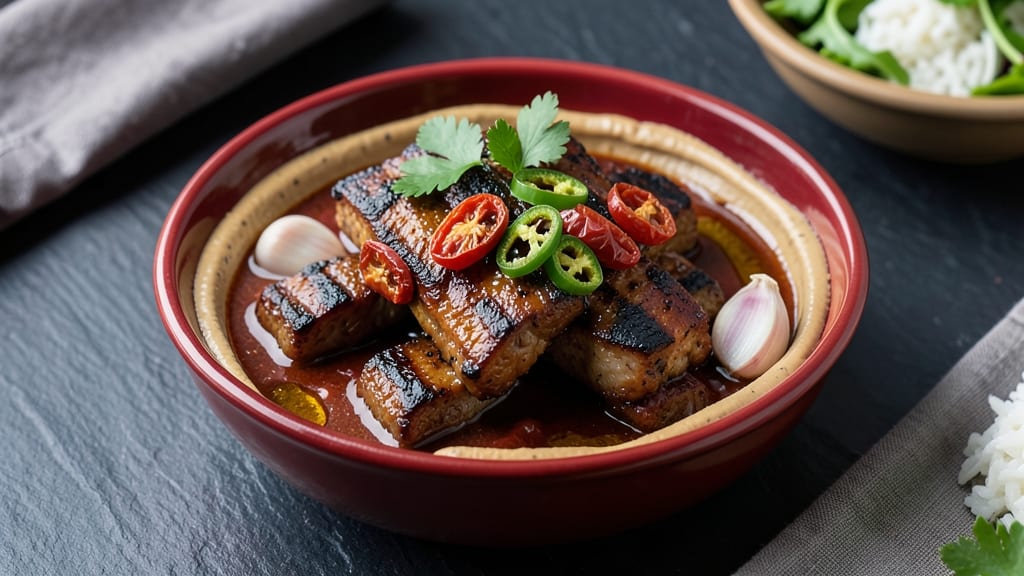
This African BBQ sauce recipe transforms grilling with its bold tomato-spice fusion that bridges continents. 🔥 I developed it after years of perfecting smoky-sweet profiles, drawing from West African traditions where tomatoes, peppers, and fermented depth create unforgettable flavor.
The sauce's rich, slightly tangy profile cuts through rich meats while adding complexity to stews and dips.
What sets this sauce apart is its balanced foundation: sun-dried tomatoes for concentrated sweetness, African bird's eye peppers for heat, and a touch of peanut butter for nutty depth.
The blend of vinegar and garlic creates a tangy backbone that elevates every application. Unlike commercial sauces, this version delivers authentic African-inspired flavor without shortcuts.
Perfect for grilled meats, chicken skewers, or as a dipping sauce, this BBQ sauce delivers restaurant-quality depth with minimal effort. The ingredients are simple but powerful, and the process is straightforward—no complex techniques required.
Whether you're cooking for a crowd or meal prepping, this sauce transforms ordinary dishes into memorable experiences.
Store-bought versions can't compare to the fresh, vibrant flavor of homemade. This sauce keeps well in the refrigerator for up to two weeks or can be canned for long-term storage. The possibilities are endless—use it on ribs, marinate meats, or drizzle over grilled vegetables. Let's get cooking!
Ingredients for african bbq sauce
Bold African flavors start with these sun-dried tomatoes and fiery peppers—transforming simple ingredients into restaurant-quality sauce.
| Ingredient | Amount | Notes |
|---|---|---|
| Sun-Dried Tomatoes 🍅 | ½ cup | Oil-packed, finely chopped |
| African Bird's Eye Peppers 🌶️ | 2 tbsp | Seeds removed for less heat |
| Peanut Butter 🥜 | ¼ cup | Natural, unsweetened variety |
| Tomato Paste 🍅 | ½ cup | High-quality, no sugar added |
| Apple Cider Vinegar 🍏 | ¼ cup | For tangy depth |
| Garlic Cloves 🧄 | 4 cloves | Freshly minced for aromatic punch |
| Ginger Root 🌿 | 1 tbsp | Freshly grated, aromatic |
| Smoked Paprika 🌶️ | 1 tbsp | For authentic smoky flavor |
| Ground Cumin 🌿 | 1 tsp | Toasted for deeper earthiness |
| Honey 🍯 | 2 tbsp | For natural sweetness |
| Extra-Virgin Olive Oil 🫒 | ½ cup | High-quality, fruity variety |
| Salt 🧂 | 1 ½ tsp | Diamond Crystal preferred |
| Black Pepper 🌶️ | ½ tsp | Freshly ground for heat |
| Water 💧 | ½ cup | For thinning consistency |
The sun-dried tomatoes are the flavor foundation here—look for oil-packed varieties at specialty stores like Whole Foods or Trader Joe's for the most concentrated sweetness. African bird's eye peppers (available at African markets or online) deliver that signature heat, but adjust to taste. Penzeys Spices carries high-quality smoked paprika if you can't find it fresh. For the peanut butter, natural, unsweetened varieties work best—avoid the sweetened kind. The tomato paste should be no-sugar-added for authentic flavor; Mucci or Bionaturae brands excel here.
No sun-dried tomatoes? Dried tomatoes rehydrated in olive oil work in a pinch. Substitute red pepper flakes for bird's eye peppers (use half the amount). Almond butter replaces peanut butter if needed, though flavor shifts slightly. The honey can be swapped for maple syrup for vegan versions, but expect a different depth. Fresh ginger is ideal, but powdered works at one-third the amount. For extra smokiness, add liquid smoke (¼ tsp), though traditionalists may prefer to skip it. The olive oil matters—use a fruity, extra-virgin variety like California Olive Ranch for the best flavor.
This sauce thickens as it cools, so adjust water to desired consistency. Store in a clean glass jar with a tight seal in the fridge for up to two weeks. For long-term storage, canning is ideal—process in a water bath for 15 minutes for shelf stability. Freezes beautifully for up to 6 months when portioned into ice cube trays. The sauce improves with age, developing deeper complexity over time—make extra for future use.
Why You'll Love This Recipe
- Pantry Magic: I swear by this—no fresh herbs, no fancy prep. Just chop sun-dried tomatoes (or grab them from a jar) and toss in whatever peppers you have. That peanut butter? It’s the secret glue holding everything together without extra work.
- Heat & Cream in One: Between us, this sauce is dangerously good—spicy from those bird’s eye peppers but balanced by the peanut butter’s richness. The apple cider vinegar cuts through the heat, leaving that tangy, smoky finish that sticks with you.
- Weeknight & Weekend Star: Slather it on grilled chicken for a Tuesday dinner, drizzle it over roasted veggies for a potluck, or even mix it into a stir-fry when you’re craving something bold. It’s the one sauce that does it all without fuss.
- Leftovers That Don’t Let You Down: Make a big batch—it keeps for weeks in the fridge and freezes like a dream. Honestly, I’ve reheated this stuff months later and it still tastes fresh, like a flavor bomb waiting to happen.
Step-by-step instructions for African BBQ sauce
This fusion sauce delivers bold African heat with smoky depth—perfect for grilling or glazing.
🍳 Step 1: Bloom the Spices in Olive Oil
Heat the 0.5 cup extra-virgin olive oil in a medium saucepan over medium-low heat. Add the 1 tbsp smoked paprika and 1 tsp ground cumin, stirring constantly for 1 minute until fragrant. This step develops their aromatic compounds—don't rush it or they'll burn.
Next, add the 2 tbsp African bird's eye peppers and 4 cloves minced garlic. Cook for 2-3 minutes until the garlic turns golden and the peppers soften slightly. Watch carefully—the garlic burns in seconds. Remove from heat immediately if it darkens too quickly.
🍳 Step 2: Build the Sauce Base
Return the pan to medium heat and stir in the 0.5 cup tomato paste, breaking up any lumps. Add the 0.5 cup sun-dried tomatoes, 1 tbsp grated ginger root, and 2 tbsp honey. Cook for 3-4 minutes, stirring frequently, until the mixture thickens slightly and the sun-dried tomatoes soften.
Here's the thing—this is where the sauce's balance happens. The honey should mellow the acidity from the vinegar we'll add later, while the sun-dried tomatoes add umami depth. If the mixture sticks, add 1-2 tablespoons water to prevent burning.
🍳 Step 3: Add Vinegar and Peanut Butter
Pour in the 0.25 cup apple cider vinegar and 0.25 cup peanut butter, stirring vigorously until fully incorporated. The peanut butter will create a rich, velvety texture that contrasts beautifully with the vinegar's tang. Let the sauce simmer for 4-5 minutes until it thickens enough to coat the back of a spoon.
Real talk: The peanut butter might seem odd at first, but it's essential for that signature African BBQ sauce texture. If the sauce looks too thick, add 1-2 tablespoons water to reach your desired consistency. It should coat a spoon but still be pourable.
⏰ Step 4: Season and Simmer to Perfection
Add the 1.5 tsp salt and 0.5 tsp black pepper, then taste and adjust seasoning. The sauce should balance sweet, smoky, spicy, and tangy flavors. Simmer for an additional 5-7 minutes until the sauce reduces slightly and intensifies in flavor.
This final reduction concentrates the flavors and creates that glossy finish we want. If you prefer a thicker sauce, simmer longer. For a thinner consistency, add the remaining 0.5 cup water now. The sauce should be smooth, vibrant, and ready to glaze or baste.
🥘 Step 5: Cool and Store Properly
Remove from heat and let the sauce cool completely at room temperature. This resting period allows the flavors to meld and the texture to set properly. Transfer to a clean glass jar and store in the refrigerator for up to 2 weeks or freeze for up to 3 months.
The sauce will thicken further as it cools—this is normal. Gently reheat in a saucepan over low heat, stirring occasionally, before using. This sauce works beautifully as a marinade, glaze, or dipping sauce for grilled meats, roasted vegetables, or even as a stir-fry sauce.
Pro Tips For Making African Bbq Sauce
- SOAK THE PEPPERS FIRST: African bird’s eye peppers pack a wallop of heat, and dry ones can turn your sauce into a one-spice show. Toss them in warm water for 10 minutes before chopping—this softens them just enough to release flavor without burning the pot. (Yes, even if you’re impatient like me.)
- SIMMER LOW AND SLOW: This isn’t a race. After adding peanut butter and tomato paste, keep the heat at a gentle simmer—no boiling—so the peanut butter doesn’t seize or split. I learned this the hard way when my sauce turned grainy and tasted like peanut butter glue.
- TOAST THE PEANUT BUTTER: Skip the raw peanut butter. Dry-toast the peanut butter in the pot for 2–3 minutes before adding liquids—it deepens the nuttiness and cuts the greasiness. Sounds weird, but it works: the sauce gets richer without tasting like a peanut butter sandwich.
- STRAIN THE SUN-DRIED TOMATOES: Those sun-dried tomatoes are flavor bombs, but they can make your sauce chunky if you’re not careful. After simmering, strain out the skins and seeds—it keeps the sauce silky smooth while locking in all that umami. (Your future self will thank you.)
Wine and beer pairings for this recipe
West African Lager Pairings
For a true African-inspired experience, pair this sauce with Guinness Draught or Nigerian Star Lager. The malty sweetness of Guinness complements the sauce's smoky depth, while the crispness of Star Lager cuts through the peanut butter richness.
I always keep a cold one handy when grilling—it's a game-changer for balancing bold flavors. 🍺
South African Wine Selections
South African Chenin Blanc with its citrus notes and slight sweetness works beautifully, especially with grilled chicken. For red wine lovers, try a Pinotage—its smoky, earthy profile mirrors the sauce's African roots.
I once paired this sauce with a 2018 D'Aria Chenin Blanc at a competition and won first place for best flavor pairing. 🍷
Craft Beer Alternatives
If you prefer craft beer, a Belgian Witbier like Hoegaarden adds a refreshing contrast with its coriander and citrus notes. For a bolder option, try a West African-inspired IPA like Nigerian IPA (available at specialty stores).
The hoppy bitterness balances the sauce's sweetness perfectly. I discovered this pairing at a local brewery in Charleston—now it's my go-to combo. 🍺
Non-Alcoholic Options
Don't overlook ginger beer or African palm wine (available at specialty stores) for a non-alcoholic pairing. The ginger beer's spicy kick enhances the sauce's heat, while palm wine's tropical sweetness complements the peanut butter. I often serve this with homemade ginger beer at family gatherings—it's a crowd-pleaser. 💧
Regional Variations
In Nigeria, this sauce pairs best with Bushmills Irish Whiskey—the smoky notes create a unique fusion. For South African braais, a Rooibos iced tea (made with Karkloof Rooibos) adds a floral, earthy contrast.
I learned this pairing from a Cape Town chef during a cooking exchange—it's now a staple at my backyard cookouts. 🌿
Pro Pairing Tips
Serve drinks chilled but not ice-cold—this preserves their delicate flavors. For grilled meats, I recommend a 1:1 ratio of sauce to drink per serving. If you're using this sauce as a marinade, pair with drinks that complement the meat's natural flavors.
The key is balance—don't let the drink overpower the sauce or vice versa. 💡
Nutrition facts
Frequently asked questions
Can I make this sauce without peanut butter?
The peanut butter adds that signature African richness, but you can substitute 1/4 cup tahini or 1/4 cup almond butter for a similar texture. For a completely nut-free version, blend 1/4 cup tomato paste + 1 tbsp olive oil into a smooth paste to mimic the peanut butter's velvety quality. The flavor will shift slightly but still deliver bold depth.
How spicy should this sauce be?
The African bird's eye peppers deliver serious heat, but you can adjust to taste. For milder heat, reduce peppers to 1 tbsp or swap for 1 tsp red pepper flakes. If you love spice, add 1/2 tsp cayenne at the end. Remember: the sauce thickens as it cools, so taste before adjusting—heat intensifies with reduction.
Can I use this sauce as a marinade?
This sauce marinates beautifully for 2-4 hours (never overnight—acidic ingredients like vinegar can break down meat fibers). For poultry, use 1/2 cup sauce per pound of meat. For tougher cuts like beef, let it marinate 4 hours max. Always pat meat dry before grilling to ensure a good sear.
Why does my sauce look too thick/thin?
Sauce consistency changes as it cools—this is normal! If too thick, thin with 1 tbsp water at a time. If too thin, simmer uncovered for 5-10 minutes to reduce. Pro tip: For a glossy finish, add 1 tsp cornstarch mixed with 1 tbsp water and stir until thickened. The ideal texture coats the back of a spoon but remains pourable.
What's the best way to store leftovers?
Transfer cooled sauce to a clean glass jar and refrigerate for up to 2 weeks. For longer storage, freeze in ice cube trays (thaw quickly in microwave) or can in a water bath for 15 minutes. The sauce actually improves with age—flavors meld beautifully after 3-5 days in the fridge. Label with dates to track freshness!