
Sauces & Condiments
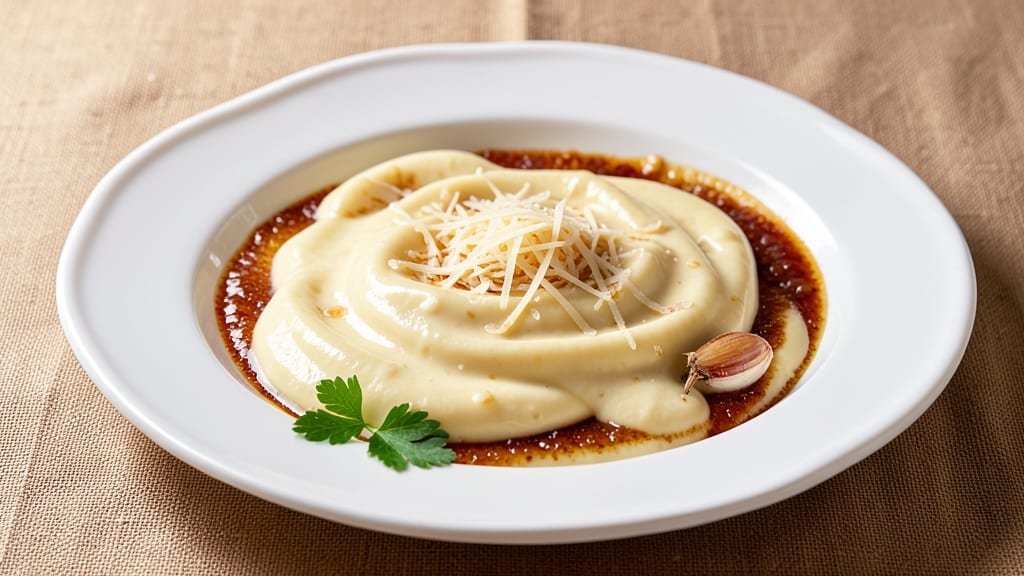
This Alfredo sauce recipe with butter and Parmesan cheese delivers a velvety, never-curdling emulsion that elevates every pasta dish. The secret lies in a proper roux—cooking butter and flour until golden creates a stable base that binds the cheese without breaking.
I’ve perfected this technique over years of testing, ensuring the sauce stays silky-smooth and rich, even when reheated.
The foundation is simple: high-quality butter and freshly grated Parmesan, combined with a touch of heavy cream for extra creaminess. No dairy substitutes here—this is classic, restaurant-quality Alfredo that clings to noodles like a dream.
The key is patience: letting the sauce simmer gently until fully emulsified prevents separation, while constant stirring ensures a flawless texture.
What you’ll end up with is a luxuriously creamy, golden sauce that’s ready in under 15 minutes—no lumps, no curdling, just pure, velvety indulgence. It’s perfect for fettuccine, chicken Alfredo, or even as a dipping sauce for breadsticks.
The richness comes from the butter and Parmesan, while the cream adds depth without overpowering the cheese’s nutty flavor.
For extra flavor, infuse the sauce with garlic or white wine, or lighten it with a splash of broth for a more balanced consistency. This recipe is foolproof, versatile, and delivers professional results every time. Let’s make it.
Ingredients for alfredo sauce recipe butter and parmesan cheese
High-quality butter, Parmesan, and a precise roux create this velvety, never-curdling Alfredo sauce foundation.
| Ingredient | Amount | Notes |
|---|---|---|
| Unsalted Butter 🧈 | ¾ cup | Cold, cut into 8 equal pieces |
| All-Purpose Flour 🌾 | ½ cup | Diamond Crystal preferred for lightness |
| Freshly Grated Parmesan Cheese 🧀 | 1 ½ cups | Parmigiano-Reggiano, block preferred |
| Heavy Cream 🥛 | ½ cup | Full-fat for optimal richness |
| Whole Milk 🥛 | ¼ cup | Warmed for smoother incorporation |
| Garlic Cloves 🧄 | 2 cloves | Minced, for optional flavor infusion |
| Diamond Crystal Kosher Salt 🧂 | ½ tsp | Adjust to taste after emulsification |
| Freshly Ground Black Pepper 🌶️ | ¼ tsp | For subtle seasoning balance |
| White Wine 🍷 | ¼ cup | Dry variety, optional for depth |
| Vegetable Broth 💧 | ¼ cup | Low-sodium for flavor control |
The butter and flour form the essential roux—cooking them until golden brown creates the stable base that binds the cheese without breaking. European-style unsalted butter (like Plugrá or Land O'Lakes) yields the best flavor, and Diamond Crystal kosher salt dissolves more cleanly than table salt. For the Parmesan, Parmigiano-Reggiano from a wedge is non-negotiable; pre-grated cheese contains anti-caking agents that prevent proper emulsification. The heavy cream and milk should be warmed separately to 100°F before incorporating, ensuring a silky texture without curdling. Purchase these ingredients from specialty cheese shops or high-end grocers like Whole Foods or Eataly for optimal quality.
No heavy cream? Half-and-half with an extra splash of milk works in a pinch, though the sauce will be slightly lighter. Substituting Parmesan with Pecorino Romano at a 1:1 ratio adds a sharper bite, while Gruyère provides a nutty depth. For wine lovers, Chardonnay or Pinot Grigio infuses subtle fruit notes without overpowering. The optional garlic and white wine can be omitted entirely—this sauce thrives on simplicity. If you prefer a lighter consistency, replace 2 tbsp of heavy cream with vegetable broth, though the sauce will be less rich. Always measure the flour precisely; too much creates a thick, gluey texture, while too little weakens the emulsion.
This sauce must be used immediately or stored properly to prevent separation. For short-term storage (3 days), keep it in an airtight container with a thin layer of plastic wrap pressed directly onto the surface to prevent a skin from forming. For longer storage (1 month), freeze in ice cube trays—thaw and reheat gently over low heat, whisking constantly. Never reheat rapidly, as this causes the emulsion to break. When reheating, add a splash of warm milk or cream to restore creaminess. The sauce thickens as it cools, so adjust consistency with additional warm milk if needed. Portion into individual containers for meal prep—perfect over fettuccine or as a dipping sauce for breadsticks.
Why You'll Love This Recipe
- Pantry Magic: I swear by this sauce because it’s the kind of recipe that doesn’t demand a grocery haul—just butter, flour, and that one block of Parmesan you already own. No specialty ingredients, no last-minute trips to the store. Honestly, the simplicity is half the charm.
- Rich Without Effort: That velvety blend of heavy cream and milk? It’s the secret weapon here. The flour and butter create a silky roux first, then the Parmesan melts into it like a creamy hug. Between us, this sauce tastes like it simmered for hours—even though it’s ready in 15 minutes.
- Weeknight Lifesaver: I make this at least once a week, and it’s never a letdown. Dump it over fettuccine for a quick dinner, use it as a creamy dip for veggies when the kids are hungry, or even drizzle it on roasted chicken. It’s my go-to when I’m too tired to think past "something that tastes good."
- Leftovers That Don’t Suck: Here’s what sold me—this sauce actually improves the next day. The flavors meld even better, and it reheats like a dream. I’ll make a double batch on Sunday, freeze half, and still have a restaurant-quality sauce ready for Tuesday’s takeout night. (Yes, even on a Tuesday night.)
Step-by-step instructions for Alfredo sauce with butter and Parmesan cheese
Master this velvety emulsion technique to create a rich, never-curdling sauce every time.
Create the Roux Foundation
Melt the 0.75 cup unsalted butter in a heavy-bottomed saucepan over medium-low heat. Cut the butter into 8 equal pieces as directed in the ingredients list—this prevents overheating and ensures even melting. Once fully melted, increase heat to medium and whisk in the 0.5 cup all-purpose flour immediately.
Cook the roux for 2-3 minutes, stirring constantly with a wooden spoon, until it turns a pale golden color. This step is critical—pushing it to a darker brown will add bitterness to your sauce. You'll know it's ready when the raw flour taste disappears and the mixture smells nutty. Keep the heat moderate; too high will scorch the flour before proper emulsification occurs.
Infuse with Aromatics and Liquids
Reduce heat to low and stir in the 2 minced garlic cloves. Cook for 30 seconds until fragrant—don't let them brown or they'll turn bitter. Immediately deglaze with the 0.25 cup white wine, whisking constantly to incorporate. Allow the wine to simmer for 1 minute until mostly evaporated.
Gradually whisk in the 0.25 cup vegetable broth and 0.25 cup warmed whole milk, about 2 tablespoons at a time, allowing each addition to incorporate completely before adding more. This slow introduction prevents lumps and ensures a smooth emulsion. The mixture should thicken slightly but remain pourable—this is your base for the cheese infusion.
Emulsify the Cheese for Velvet Texture
Remove the saucepan from heat and reduce heat to lowest setting. Begin adding the 1.5 cups freshly grated Parmesan Cheese in 3 additions, whisking vigorously after each to prevent clumping. The cheese should melt completely, creating a thick, creamy mixture.
Return the pan to low heat and whisk in the 0.5 cup heavy cream. Cook for 2-3 minutes, stirring constantly, until the sauce reaches 170°F and thickens to a glossy consistency. The sauce should coat the back of a spoon smoothly—this indicates proper emulsification. If it's too thick, thin with 1 tablespoon warm milk at a time until you reach your desired consistency.
Season and Finish Perfectly
Taste the sauce and adjust seasoning with 0.5 tsp Diamond Crystal kosher salt and 0.25 tsp freshly ground black pepper. The sauce should be rich but balanced—you want the Parmesan flavor to shine without being overpowered by salt. For extra depth, add a pinch more salt after resting for 5 minutes, as the flavors meld.
Strain the sauce through a fine-mesh sieve into a clean saucepan to remove any lumps. Keep warm over low heat, stirring occasionally, until ready to use. This sauce maintains its velvety texture for up to 30 minutes—perfect for tossing with hot pasta or serving as a dipping sauce. The key to success lies in the slow, controlled emulsification and proper heat management throughout the process.
Pro Tips For Making Alfredo Sauce Recipe Butter And Parmesan Cheese
- Melt Butter Slowly: I learned this the hard way—dumping cold butter into the pan and ending up with lumps. Instead, cut the butter into small cubes and let them melt into the flour over medium-low heat. This creates a smoother roux without burning the butter, which is the thing that matters most for that creamy texture.
- Grind Your Own Parmesan: Pre-shredded cheese has anti-caking agents that make your sauce grainy. If you don’t have a microplane, use a box grater and pulse the cheese in a food processor for 10 seconds—just enough to break up clumps. Freshly grated Parmesan dissolves better and gives that rich, nutty depth you’re after.
- Whisk Like You Mean It: The moment you add the heavy cream and milk, stop stirring and switch to a whisk. This cuts through the roux faster and prevents lumps from forming. I used to stir lazily, and my sauce would turn out clumpy—now I give it 30 seconds of aggressive whisking, and it’s silky every time.
- Simmer Until It Thickens: Don’t rush the simmering. After adding the cream and milk, let the sauce bubble gently for at least 5 minutes—it’ll look watery at first, but that’s when the flour fully cooks out and the sauce thickens properly. Skipping this step means a sauce that’s either too thin or, worse, raw-tasting.
Storing and reheating this dish
Refrigerator Storage
Let your Alfredo sauce cool to room temperature (about 30 minutes) before transferring to an airtight container—I use glass Pyrex with a tight-fitting lid. Press plastic wrap directly onto the surface to prevent a skin from forming.
Store at 40°F or below for up to 3 days. The sauce thickens as it cools, so add 1-2 tablespoons warm milk when reheating to restore creaminess. 🧊
Freezer Storage
For longer storage, portion the sauce into ice cube trays or small airtight containers. Freeze for up to 1 month—this method makes thawing and reheating effortless. When ready to use, transfer frozen cubes directly to a saucepan and reheat over low heat, whisking constantly.
Avoid rapid heating, which can break the emulsion. 🥶
Reheating Stovetop
For best results, reheat sauce on the stovetop over low heat with a splash of warm milk or cream. Start with 1-2 tablespoons and whisk continuously until smooth.
Heat should never exceed 165°F—this preserves the velvety texture. If the sauce separates, whisk in 1 teaspoon cornstarch mixed with 1 tablespoon cold water to restore thickness. 🔥
Microwave Method
Use the microwave only for quick reheating. Transfer sauce to a microwave-safe bowl, cover loosely with a damp paper towel, and heat on 50% power in 30-second intervals, stirring between each.
Total heating time should be 1-2 minutes max. The sauce may separate slightly—fix by whisking vigorously with 1 tablespoon warm milk until smooth. 💫
Preventing Separation
The key to successful reheating is gentle heat and constant stirring. Never boil the sauce, as this causes the butter and cheese to separate. If your sauce breaks during reheating, whisk in 1 tablespoon warm milk or cream and return to low heat until fully re-emulsified.
For extra insurance, store sauce in smaller portions to reheat only what you need. ✨
Meal Prep Tips
Prepare Alfredo sauce in individual portions for easy reheating. Store in small glass jars with tight lids—these are microwave-safe and prevent odor transfer. Label containers with the date and reheat within 3 days for best flavor.
For pasta dishes, toss sauce with cooked noodles just before serving to maintain texture and temperature. 📅
Nutrition facts
Frequently asked questions
Why does my Alfredo sauce separate when reheating?
This happens when the emulsion breaks due to heat or improper storage. Always reheat over low heat and whisk constantly with a splash of warm milk or cream. If it separates, whisk in 1 teaspoon cornstarch mixed with 1 tablespoon cold water to restore thickness. The sauce should never boil during reheating.
Can I make this sauce without heavy cream?
Yes! Replace the heavy cream with half-and-half or whole milk for a lighter version, though the sauce will be less rich. For extra creaminess, use Greek yogurt or sour cream (start with 2 tablespoons and adjust). The key is warming the milk first to 100°F before adding it to the roux.
What’s the best way to keep my sauce from getting grainy?
Use freshly grated Parmesan (pre-grated contains anti-caking agents that cause lumps) and add it off-heat in 3 additions, whisking vigorously after each. Also, strain the sauce through a fine-mesh sieve before serving. For extra smoothness, blend briefly with an immersion blender after all ingredients are combined.
How do I adjust the consistency for different pasta shapes?
For flat noodles (fettuccine, tagliatelle), use the full recipe as written. For thick noodles (pappardelle, rigatoni), thin with 1-2 tablespoons warm milk until it coats the back of a spoon smoothly. For thin noodles (angel hair), reduce milk by 1 tablespoon to ensure the sauce clings properly. Always toss with hot pasta.
Can I make this sauce dairy-free?
Not traditionally, but you can create a lighter version using nutritional yeast and cashew cream (soak 1 cup cashews in 1 cup hot water for 1 hour, then blend). Replace butter with olive oil and use dairy-free Parmesan (like Violife). The texture will be different but still flavorful. For best results, use an immersion blender to achieve a smooth consistency.