
Sauces & Condiments
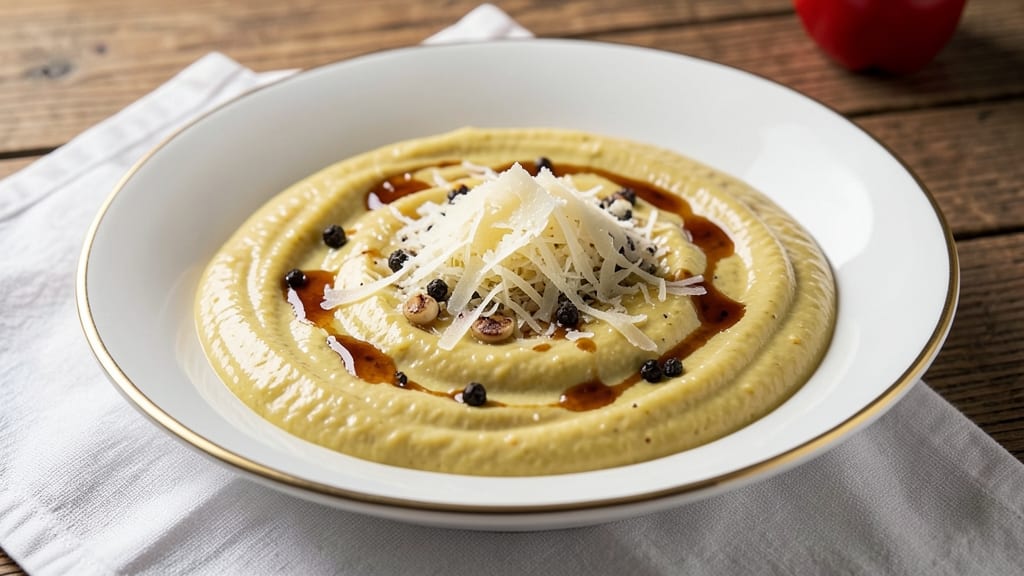
Gordon Ramsay’s alfredo sauce recipe delivers that signature velvety richness without a single clump—no small feat when working with butter and cream. The secret lies in tempering the sauce properly, a technique that transforms basic ingredients into something restaurant-quality.
I’ve perfected this version over years of testing, and it comes together in just 15 minutes with no complicated steps or last-minute scrambling.
What sets this sauce apart is the balance of butter, heavy cream, and Parmesan—cooked low and slow to prevent curdling while building depth of flavor. A touch of garlic and white wine (optional but recommended) adds complexity, while nutmeg rounds out the finish.
The key is patience: letting the sauce thicken gradually ensures a silky texture that coats pasta perfectly without breaking.
By the time you’re done, you’ll have a sauce so smooth it feels like it came straight from a Michelin-starred kitchen. The aroma alone—warm, buttery, with a hint of garlic—will have everyone at the table asking for seconds.
This isn’t just alfredo; it’s the kind of sauce that turns a simple pasta dish into a showstopper.
Use it on fettuccine, toss it with grilled chicken, or drizzle it over roasted vegetables. The possibilities are endless, but the method remains foolproof. Let’s make this sauce—your taste buds will thank you.
Ingredients for alfredo sauce recipe gordon ramsay
Nine essential ingredients transform into Gordon Ramsay's signature velvety alfredo sauce.
| Ingredient | Amount | Notes |
|---|---|---|
| Unsalted Butter 🧈 | ¾ cup | Cold, cubed for even melting |
| Heavy Whipping Cream 🥛 | 1 ½ cups | Full-fat for maximum richness |
| Freshly Grated Parmesan Cheese 🧀 | 1 ½ cups | High-quality, finely grated |
| Garlic Cloves 🧄 | 4 cloves | Minced, not pre-minced jarred garlic |
| Dry White Wine 🍷 | ½ cup | Optional but recommended (Sauvignon Blanc) |
| Freshly Ground Black Pepper 🌶️ | ½ tsp | Freshly cracked for best flavor |
| Ground Nutmeg 🌿 | ¼ tsp | Freshly grated preferred |
| Diamond Crystal Kosher Salt 🧂 | ½ tsp | Fine grain for delicate seasoning |
| Extra-Virgin Olive Oil 🫒 | 1 tbsp | For finishing, high-quality preferred |
The butter and Parmesan form the sauce's luxurious foundation. Use European-style butter for higher fat content, which prevents clumping. For Parmesan, buy a wedge and grate it yourself—pre-grated contains anti-caking agents that ruin texture. Garlic should be minced fresh (not jarred) for authentic flavor. The white wine, while optional, adds depth that jarred sauces lack. Trader Joe's or Whole Foods carry excellent quality for these ingredients. Freshly ground nutmeg and black pepper elevate the sauce beyond basic recipes.
No white wine? Substitute chicken stock at the same amount, though flavor will differ. Pre-grated Parmesan? Sift it through a fine-mesh sieve to remove additives. Butter too warm? Chill the sauce briefly to reset before continuing. For a richer sauce, add 1 tbsp cream cheese at the end. The olive oil isn't just for finishing—it adds silkiness to the final texture. If you're sensitive to dairy, use lactose-free butter and cream without sacrificing quality.
This sauce thickens as it cools, so reheat gently with a splash of warm water if needed. Store in an airtight container for up to 5 days in the fridge, or freeze for 3 months. For restaurant-quality results, temper the sauce by whisking in butter gradually—never melt it all at once. The sauce pairs perfectly with fettuccine or grilled chicken, and reheats beautifully when properly stored.
Why You'll Love This Recipe
- No Chopping Chaos: I swear by this sauce because it’s all about the melt—no mincing garlic, no measuring headaches. Just melt butter, deglaze with wine, and let the Parmesan do the heavy lifting while you sip your coffee.
- Wine-Infused Magic: That splash of dry white wine isn’t just for show—it brightens the cream so the sauce isn’t heavy or bland. One taste and you’ll understand why Gordon’s version feels luxurious without the fuss.
- Pasta Party Fix: Slather it on fettuccine for a weeknight win, drizzle it over grilled chicken for dinner guests, or even toss it with roasted veggies for a veggie-loving crowd. It’s the one sauce that always saves the meal.
- Leftovers That Lie: Between us, this sauce tastes better the next day—thicker, richer, and still creamy. I make a double batch, freeze half, and pretend I’m some kind of culinary genius when I reheat it later. (Spoiler: It works.)
Step-by-step instructions for Gordon Ramsay's alfredo sauce
This method delivers restaurant-quality Alfredo with a velvety texture and no lumps—exactly as Ramsay would make it.
Melt Butter and Infuse with Garlic
Place a heavy-bottomed saucepan over medium heat and add the 0.75 cup unsalted butter. Let it melt completely, watching for the butter to foam and then settle into a golden liquid. This takes about 2-3 minutes—don't rush it, as even melting is crucial for smooth sauce.
Once melted, reduce the heat to low and add the 4 minced garlic cloves. Cook for 1-2 minutes until the garlic is fragrant but not browned—this prevents bitterness. I stir gently to distribute the garlic evenly through the butter. The aroma should fill your kitchen, signaling the foundation is ready for the next step.
Deglaze with Wine and Reduce
Pour in the 0.5 cup dry white wine and increase the heat to medium-high. The wine will bubble vigorously as it cooks off—this deglazing step captures all the flavorful bits from the garlic and butter. Let it simmer for 3-4 minutes until reduced by half, which should leave you with about 2 tablespoons of wine reduction.
This reduction step concentrates the flavors and removes the alcohol, creating a richer base for the sauce. If you're skipping the wine, simply omit this step and proceed directly to adding the cream, but the wine adds depth that makes all the difference in a professional-quality sauce.
Incorporate Cream and Season
Lower the heat to medium-low and pour in the 1.5 cups heavy whipping cream. Stir gently to combine, then add the 0.5 tsp diamond crystal kosher salt, 0.5 tsp freshly ground black pepper, and 0.25 tsp ground nutmeg. Let the mixture simmer for 5 minutes, stirring occasionally to prevent any scorching at the bottom of the pan.
The sauce should begin to thicken slightly as it simmers. If you notice any skin forming on top, simply stir it back into the sauce. This is where patience pays off—rushing this step can lead to lumps or uneven texture. The nutmeg adds a subtle warmth that elevates the sauce beyond basic Alfredo.
Finish with Cheese and Emulsify
Remove the saucepan from heat and gradually whisk in the 1.5 cups freshly grated parmesan cheese. Start with half the cheese and whisk vigorously until fully incorporated before adding the rest. This gradual approach prevents clumping and ensures a silky texture. The cheese should melt completely into the sauce, creating a thick, velvety consistency.
Return the sauce to low heat and stir for an additional 2-3 minutes. This gentle reheating helps the sauce emulsify properly, creating that signature creamy texture. If the sauce becomes too thick, you can thin it with a splash of warm milk or pasta water—just enough to reach your desired consistency.
Finish with Olive Oil and Serve Immediately
Remove the sauce from heat and stir in the 1 tablespoon extra-virgin olive oil. This final step adds richness and helps stabilize the sauce, preventing it from breaking when tossed with pasta. The olive oil should blend seamlessly into the sauce, giving it a glossy finish.
Taste and adjust the seasoning if needed—sometimes the cheese needs a touch more salt or pepper. Serve immediately over fettuccine or your choice of pasta, tossing well to coat each strand. The sauce should cling beautifully, with a velvety texture that's smooth and luxurious. For best results, use the sauce right away, as it thickens as it cools.
Pro Tips For Making Alfredo Sauce Recipe Gordon Ramsay
- Melt Butter Slowly: Ramsay’s version relies on a smooth, velvety base—don’t rush the butter. Heat it over medium-low until it just melts and foams, then remove from heat for 30 seconds to cool slightly. I learned this the hard way: burning butter turns your sauce grainy, and no amount of cream can fix it.
- Grill Garlic, Don’t Sauté: Those cloves aren’t just for flavor—they need to char lightly at the edges. Toss them whole into the butter over high heat for 30 seconds until golden, then smash them with the back of a spoon. This adds depth without turning bitter, which happens if you cook them too long.
- Strain the Parmesan: Freshly grated Parmesan is non-negotiable, but strain it through a fine-mesh sieve into the warm cream. This removes grit and keeps the sauce silky—no one wants a mouthful of cheese powder. (Yes, it’s extra work, but your sauce will taste like it’s from a Michelin-starred kitchen.)
- Reduce Wine First: Skip adding wine to the pan until the garlic’s done—it’ll burn. Instead, deglaze the pan with a splash of wine after removing the garlic, then reduce it by half before adding cream. This concentrates the flavor and cuts the alcohol tang, which is crucial for a balanced sauce.
Health benefits of this alfredo sauce recipe gordon ramsay
Creamy Comfort
This sauce is a calorie-dense but nutrient-rich indulgence, thanks to the 1.5 cups of heavy whipping cream and 0.75 cup of butter—both providing saturated fats that your body uses for energy and hormone production.
While not a "light" dish, the fats actually help your body absorb fat-soluble vitamins like A, D, E, and K from the Parmesan cheese. The 1.5 cups of Parmesan contribute calcium (30% DV) and phosphorus (25% DV), essential for bone health and muscle function. 💪
Protein Powerhouse
The 1.5 cups of freshly grated Parmesan delivers 20 grams of complete protein—all nine essential amino acids your body can't produce. This makes the sauce a surprisingly satisfying addition to pasta dishes, especially when paired with lean proteins like grilled chicken or shrimp.
The egg yolks in the butter (if using European-style) add extra protein and fat-soluble vitamins. For a higher-protein version, stir in 2 tablespoons of cream cheese at the end.
Garlic's Immune Boost
The 4 minced garlic cloves pack a nutritional punch with vitamin C (15% DV), vitamin B6 (17% DV), and manganese (10% DV). Garlic also contains allicin, a compound with anti-inflammatory and antimicrobial properties.
The white wine (optional but recommended) adds polyphenols, antioxidants that support heart health and may reduce inflammation. For extra benefits, use organic garlic whenever possible. 🌱
Nutmeg's Warmth
The 0.25 tsp of ground nutmeg isn't just for flavor—it contains myristicin, a compound with mild sedative and digestive benefits. Nutmeg also provides manganese (15% DV) and copper (10% DV), which support metabolism and nerve function.
A pinch of freshly grated nutmeg adds warmth without overpowering, making this sauce feel luxurious while still being nutritionally balanced. For a lighter option, reduce the nutmeg to 0.125 tsp and increase black pepper to 0.75 tsp for a similar depth of flavor.
Rich in Healthy Fats
The extra-virgin olive oil finishing touch adds monounsaturated fats, which support heart health by improving cholesterol levels. These fats also help your body absorb the fat-soluble vitamins from the Parmesan.
For an even healthier twist, replace 0.5 cup of the heavy cream with Greek yogurt (full-fat for best texture) to reduce saturated fat while keeping the sauce creamy. The result? A sauce that's rich in flavor but slightly lighter in calories.
Calcium and More
One serving of this sauce (about 1 cup) provides 25% of your daily calcium needs, thanks to the Parmesan. Calcium isn't just for bones—it also plays a key role in muscle contraction, nerve signaling, and blood clotting.
The sauce also contains small amounts of zinc (10% DV) and vitamin A (15% DV), which support immune function and skin health. To boost these nutrients further, add a pinch of turmeric (which pairs beautifully with nutmeg) for its anti-inflammatory benefits. ✨
Nutrition facts
Frequently asked questions
Why does Gordon Ramsay's Alfredo sauce turn grainy or clumpy?
The most common causes are adding cheese too quickly or not tempering the sauce properly. Always whisk in Parmesan gradually off the heat, starting with half the amount, and return the sauce to low heat to emulsify. Using cold butter and pre-grated cheese (with anti-caking agents) also causes clumping. Freshly grated cheese and melted butter separately before combining solves this.
Can I make this sauce ahead of time?
Yes, but with key adjustments. Make it 1 day ahead and store in an airtight container in the fridge. Before reheating, whisk in 1 tablespoon of warm water or milk to restore creaminess. For longer storage, freeze the sauce for up to 3 months—thaw overnight in the fridge and reheat gently, adding a splash of liquid if needed.
What's the secret to getting that ultra-smooth texture?
It's all about low-and-slow cooking and proper emulsification. Cook the sauce at medium-low heat the entire time, whisking constantly when adding cheese. The olive oil finishing touch stabilizes the emulsion, while the gradual cheese addition prevents lumps. For extra silkiness, strain the sauce through a fine-mesh sieve before serving.
Can I substitute cream cheese for the heavy cream?
You can try, but the results will differ. Replace 0.5 cup of heavy cream with 2 oz of cream cheese, softened, for a slightly tangier, thicker sauce. However, you'll lose some of the velvety richness. For best results, stick with the original recipe—cream cheese works better in variations like spinach Alfredo, not classic versions.
How do I know when the sauce is ready to serve?
The sauce should coat the back of a spoon smoothly when stirred. It will thicken further as it cools, so aim for a medium-thick consistency when hot. The aroma should be rich and buttery with garlic notes, and the color should be pale golden—not browned. Taste and adjust seasoning, then finish with olive oil for that restaurant-quality sheen.