
Sauces & Condiments
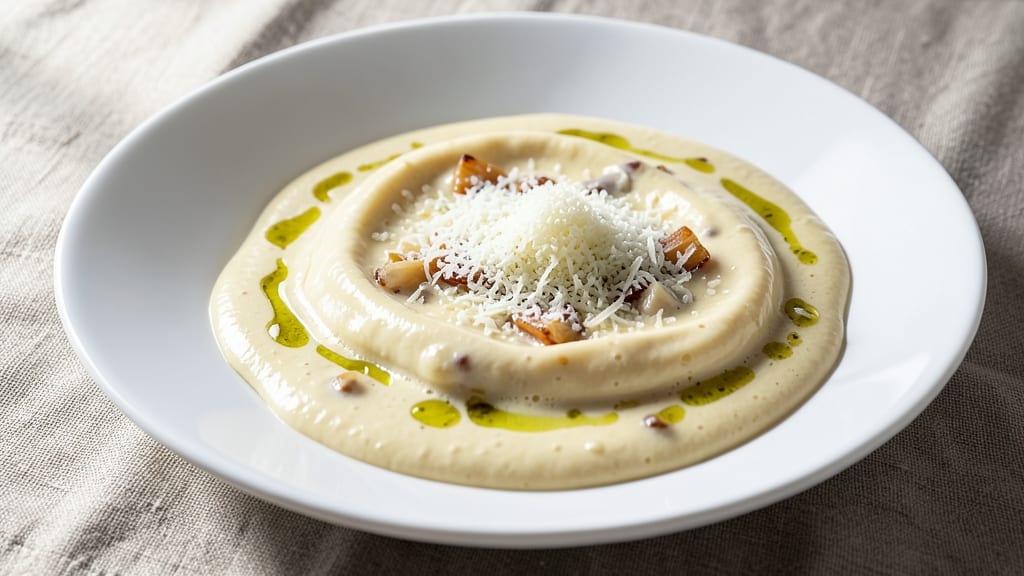
This alfredo sauce recipe list transforms ordinary dishes into restaurant-quality meals with just a few simple ingredients and a foolproof technique. This collection of five variations ensures you’ll have the perfect sauce for every occasion—whether you’re coating fettuccine, drizzling over chicken, or tossing with roasted vegetables.
The secret to a silky, velvety texture lies in proper emulsification and patience, not shortcuts.
From the classic buttery, cheesy version to lighter alternatives like garlic-herb and vegan cashew-based sauces, each recipe maintains that signature richness while adapting to dietary needs. You’ll learn how to balance creaminess with flavor, avoid lumps, and even repurpose leftovers into creamy soups or dips.
No special equipment is required—just a saucepan and a whisk.
The best part? These sauces are versatile and adaptable. Use them as a pasta sauce, a creamy dip, or a glaze for grilled meats. Each recipe includes clear instructions for achieving a smooth, lump-free finish, so you can focus on enjoying the results.
Whether you’re feeding a family or hosting a dinner party, these creamy variations will elevate your dishes effortlessly.
Ready to master the art of Alfredo? Let’s dive into the recipes—each one designed to simplify your cooking while delivering professional-level flavor.
Ingredients for alfredo sauce recipe list
Creamy, velvety, and packed with restaurant-quality flavor—just ten ingredients transform any dish.
| Ingredient | Amount | Notes |
|---|---|---|
| Unsalted Butter 🧈 | ¾ cup | Cold, cubed for emulsification |
| Heavy Cream 🥛 | 1 ½ cups | Full-fat for richness |
| Parmesan Cheese 🧀 | 1 ½ cups | Freshly grated from block |
| Garlic Cloves 🧄 | 4 cloves | Minced for aromatic depth |
| Shallots 🧅 | 2 whole | Finely chopped, not minced |
| Extra-Virgin Olive Oil 🫒 | ¼ cup | For finishing, fruity variety |
| Diamond Crystal Kosher Salt 🧂 | 1 tsp | Adjust to taste |
| Freshly Ground Black Pepper 🌶️ | ½ tsp | For brightness |
| Fresh Parsley 🌿 | ¼ cup | Chopped, for garnish |
| Freshly Squeezed Lemon Juice 🍋 | 1 tbsp | Brightens flavor |
The butter and heavy cream are non-negotiable for that signature Alfredo texture—full-fat versions only. Trader Joe's carries excellent heavy cream, but any brand works if it's not ultra-pasteurized. For the Parmesan, always grate it yourself—pre-shredded has anti-caking agents that make the sauce grainy. I grab a wedge from the deli counter (the Parmigiano-Reggiano section) and keep it in the freezer for up to 3 months. Shallots add subtle sweetness without overpowering the garlic—substitute with 3 tbsp finely chopped red onion if needed.
No heavy cream? Full-fat coconut milk works for a dairy-free version (though texture differs slightly). Short on Parmesan? Pecorino Romano has a sharper bite, or use nutritional yeast for a vegan option (though flavor won't be identical). The olive oil finish is crucial—avoid light or refined oils. For extra richness, add 1 tbsp cream cheese at the end. Fresh parsley is ideal, but dried works at one-third the amount if you're in a pinch. Lemon juice cuts through the heaviness—skip it if you prefer ultra-rich sauce.
This sauce peaks after 2-3 days in the fridge—flavors meld beautifully. Store in an airtight container with a thin layer of olive oil on top to preserve freshness. Freezes for up to 3 months, though texture may separate slightly upon thawing (just whisk vigorously to restore creaminess). For leftovers, thin with a splash of milk or broth before reheating. Double the batch—it disappears faster than you'd expect.
Why You'll Love This Recipe
- No Fuss, Big Payoff: I swear by this sauce because it’s the kind of recipe that lets you almost multitask. You melt butter, toss in minced shallots and garlic—no fancy knife skills needed—and let the heavy cream do the heavy lifting. By the time the Parmesan’s melted in, you’ve got a velvety sauce with zero stress.
- Rich Without Trying: That first bite? Pure decadence. The butter and cream create this luxurious mouthfeel, while the nutty Parmesan adds depth. Honestly, I’ve made it three ways—smooth, slightly chunky, even with a splash of pasta water—and every version tastes like a restaurant’s secret.
- Pasta’s Best Friend: Slather it on fettuccine for a classic, but I’ve also used it to coat roasted chicken, drizzle over grilled veggies, or even mix into mashed potatoes. The sauce clings like glue, so it’s perfect for lazy nights or when you’re feeding a crowd. (Yes, even on a Tuesday night.)
- Leftovers That Don’t Suck: Unlike some sauces that turn gloppy, this one reheats like a dream—just warm it gently with a splash of cream. I make a double batch on Sundays because it’s cheaper than takeout, and it freezes beautifully. My freezer’s always stocked with jars of this stuff, saving me time and money.
Step-by-step instructions for classic Alfredo sauce
Master this velvety foundation—rich, smooth, and perfectly balanced every time.
Melt Butter and Sauté Aromatics
In a medium saucepan over medium heat, melt the 0.75 cup unsalted butter until it foams but doesn't brown. Add the 2 whole finely chopped shallots and 4 cloves minced garlic, stirring constantly for 3-4 minutes until the shallots soften and become translucent.
Here's the thing—don't rush this step. You want the shallots to caramelize slightly, which builds depth of flavor. If they start to brown too quickly, reduce the heat to medium-low. The garlic should be fragrant but not colored—just a hint of golden hue is perfect.
Incorporate Parmesan Gradually
Reduce heat to low and begin adding the 1.5 cups freshly grated Parmesan cheese in 3 additions, whisking vigorously after each to prevent clumping. This gradual approach ensures smooth emulsification rather than grainy texture.
I press the cheese through a fine-mesh sieve as I add it—this removes any hard bits and creates an ultra-smooth sauce. If you notice the mixture thickening too quickly, add 1-2 tablespoons of heavy cream to loosen it. The goal is a thick but pourable consistency at this stage.
Simmer with Cream and Season
Pour in the 1.5 cups heavy cream and stir to combine completely. Increase heat to medium-low and let the sauce simmer gently for 5-7 minutes, stirring occasionally. You'll see the sauce transform from thick to silky as the butter and cheese fully incorporate.
Season with 1 teaspoon Diamond Crystal kosher salt and 0.5 teaspoon freshly ground black pepper, then add the 1 tablespoon freshly squeezed lemon juice. The acidity brightens the richness—trust me, it makes all the difference. Taste and adjust seasoning if needed, remembering that Parmesan is already salty.
Finish with Olive Oil and Parsley
Remove the sauce from heat and stir in the 0.25 cup extra-virgin olive oil. This final step creates the signature Alfredo sheen and adds a touch of brightness. The oil should be fully incorporated, creating a glossy, velvety finish.
Garnish immediately with 0.25 cup chopped fresh parsley and cover the surface with plastic wrap to prevent a skin from forming. For best results, use the sauce within 2 hours—it's at its peak when fresh and creamy. If storing, refrigerate in an airtight container for up to 3 days, re-warming gently over low heat with a splash of cream.
Pro Tips For Making Alfredo Sauce Recipe List
- Melt Butter Slowly: Start with a low flame—yes, even when you’re eager to get going. I used to rush this step, and the butter would brown before the shallots and garlic could soften properly. A gentle simmer (about 3-4 minutes) lets the aromatics release their flavor without burning, which is the foundation of your sauce.
- Shred Cheese Fresh: Skip the pre-shredded stuff—it’s coated with anti-caking agents that make your sauce grainy. Use a microplane or fine grater for Parmesan, and do it right before adding it to the sauce. The cheese loses its sharpness fast, and pre-shredded just won’t cut it.
- Temper the Cream: Warm the heavy cream first—just enough to take the chill off (about 10 seconds in a microwave or over a separate pot). Pouring cold cream into hot butter can cause it to curdle, and nobody wants a lumpy Alfredo. A quick check with your finger (should feel warm, not hot) is all you need.
- Salt in Stages: Taste as you go—especially after adding the cream. Unsalted butter and Parmesan are both mild on their own, so you’ll need more salt than you think. Start with a pinch, then adjust. Adding all the salt at once is a rookie move; balance matters here.
Common mistakes when making perfect results
Overcooking the Cream
The biggest mistake is letting the cream boil or simmer too vigorously, which causes it to curdle and break. I’ve ruined more Alfredo sauces than I’d admit by walking away for just a minute—always maintain medium-low heat and stir frequently.
If you see bubbles forming at the edges, reduce the heat immediately. The sauce should gently bubble, not roar. 🔥
Adding Cheese Too Quickly
Dumping all the Parmesan at once creates lumps that are nearly impossible to whisk out. Instead, add it gradually in 3 additions, whisking vigorously between each. I learned this the hard way after making a batch with clumps the size of marbles.
For extra smoothness, press the cheese through a fine-mesh sieve before adding it to the pan.
Skipping the Olive Oil Finish
Many recipes stop at the cream stage, but the olive oil finish is what gives Alfredo its signature gloss and prevents a skin from forming. Without it, the sauce can taste flat and lack that restaurant-quality sheen.
Use extra-virgin olive oil—cheaper varieties can add bitterness. Stir it in just before serving for the best results.
Using Pre-Shredded Cheese
Pre-shredded Parmesan contains anti-caking agents that make the sauce grainy, no matter how much you whisk. Always grate your own cheese—it’s worth the extra effort. If you’re in a pinch, use Pecorino Romano instead, as it grates more smoothly than some Parmesan varieties. A microplane works best for this task.
Not Tasting as You Go
Many home cooks add all the seasoning at the end, only to realize the sauce needs more salt or acid. Taste the sauce after adding the cream and adjust the seasoning before finishing.
Remember, Parmesan is already salty, so you might not need as much extra salt as you think. A splash of lemon juice at the end brightens the flavor—don’t skip it!
Storing Improperly
Alfredo sauce thickens significantly when refrigerated, making it nearly impossible to reheat smoothly. Always store it in an airtight container with a thin layer of olive oil on top to preserve freshness.
When reheating, add a splash of heavy cream or milk to loosen the texture. If the sauce separates, whisk vigorously over low heat until fully re-emulsified. 💡
Nutrition facts
Frequently asked questions
Can I make Alfredo sauce without heavy cream?
Yes! For a lighter version, substitute heavy cream with 1 cup whole milk plus 0.5 cup unsalted butter—it’ll still be creamy but less rich. For vegan Alfredo, use 1 cup full-fat coconut milk (though texture differs slightly) or blend 1 cup soaked cashews with 1 cup water until smooth. The key is maintaining fat content for emulsification.
Why does my Alfredo sauce get grainy?
Graininess usually comes from pre-shredded cheese (anti-caking agents) or adding cheese too quickly. Always grate your own Parmesan with a microplane and add it in 3 gradual additions, whisking vigorously between each. If lumps appear, strain the sauce through a fine-mesh sieve before serving.
How can I use Alfredo sauce beyond pasta?
This versatile sauce works as a creamy dip for breadsticks or veggies, a glaze for grilled chicken or fish, or even a filling for stuffed shells. For extra flavor, stir in 1 tbsp Dijon mustard or 0.5 cup chicken broth to thin it for saucy dishes. It also makes an excellent base for creamy soups—just add 2 cups broth and simmer gently.
What’s the secret to restaurant-quality Alfredo?
Three things: low-and-slow heat (never boil), gradual cheese addition (whisk constantly), and the olive oil finish (adds shine and prevents skin). Also, use freshly grated Parmesan and full-fat dairy—no shortcuts! The sauce should coat the back of a spoon but still be pourable.
Can I freeze Alfredo sauce?
Yes, but expect slight texture changes upon thawing. Freeze in an airtight container with a layer of olive oil on top to preserve freshness. Thaw overnight in the fridge, then whisk vigorously over low heat with a splash of heavy cream to restore creaminess. For best quality, use within 3 months—it’s not ideal for long-term storage.