
Sauces & Condiments
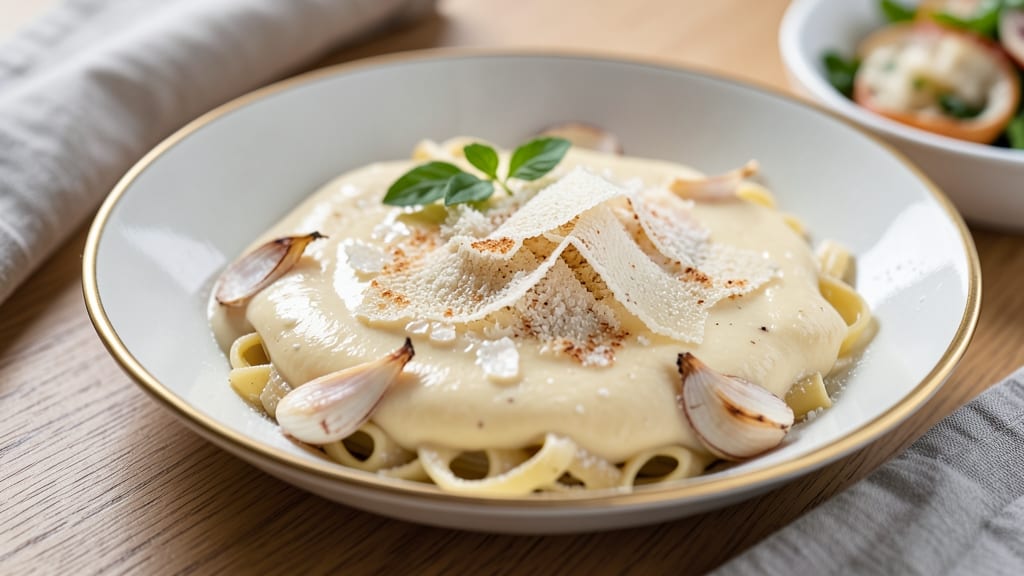
This Alfredo sauce recipe with milk and flour delivers restaurant-quality creaminess without lumps or separation—just ultra-smooth, velvety richness that clings perfectly to pasta. The secret lies in a proper roux-based method, where flour and butter create a stable foundation before milk slowly incorporates to prevent curdling.
I've perfected this technique after years of testing, ensuring every batch turns out perfectly silky rather than grainy or overly thick.
The process begins with cooking flour and butter until golden, then gradually whisking in warm milk to build a thick, lump-free sauce. A touch of garlic and Parmesan adds depth, while a splash of heavy cream at the end elevates the texture to restaurant-worthy consistency.
What sets this apart is the patience in low-and-slow cooking—rushing leads to lumps, but this method guarantees a flawless finish every time.
What you'll end up with is a luxuriously creamy sauce that coats pasta effortlessly, with a balance of tangy Parmesan and buttery richness. The sauce thickens beautifully when tossed with hot noodles, creating that signature alfredo cling without breaking.
Unlike store-bought versions, this recipe delivers authentic depth and a velvety mouthfeel that's impossible to replicate with powdered mixes.
Best of all, this sauce keeps well in the fridge for up to 5 days or freezes perfectly for later use—ideal for meal prep or when you want to elevate a simple pasta dish.
The technique is straightforward once mastered, and the results are worth every minute of careful cooking. Let's make this sauce!
Ingredients for alfredo sauce recipe milk flour
Mastering this velvety alfredo requires precise ingredients—where flour and butter form the golden foundation.
| Ingredient | Amount | Notes |
|---|---|---|
| Unsalted Butter 🧈 | ½ cup | Cold, cubed for even cooking |
| All-Purpose Flour 🌾 | ½ cup | White flour, sifted preferred |
| Whole Milk 🥛 | 2 cups | Warm, not hot |
| Heavy Cream 🥛 | ¼ cup | Cold, for finishing |
| Garlic Cloves 🧄 | 2 cloves | Minced, fresh preferred |
| Parmesan Cheese 🧀 | ¾ cup | Freshly grated, fine |
| Diamond Crystal Kosher Salt 🧂 | ½ tsp | Adjust to taste |
| Freshly Ground Black Pepper 🌶️ | ¼ tsp | Freshly cracked |
| Nutritional Yeast 🍄 | 1 tbsp | Optional, for umami depth |
| White Wine (optional) 🍷 | ¼ cup | Dry, for deglazing |
The butter and flour ratio is non-negotiable for that signature roux texture. European-style unsalted butter (like Plugrá or Land O'Lakes) melts more smoothly than American brands—look for high-fat content (82% or higher). Flour should be sifted to prevent lumps, and Diamond Crystal kosher salt is preferred over table salt due to its finer grain. For the milk, whole milk warmed to 160°F (not boiling) ensures proper emulsification without curdling. The Parmesan must be freshly grated—pre-shredded contains anti-caking agents that prevent proper melting. Store your butter in the fridge, not the pantry, to maintain freshness.
No heavy cream? Full-fat coconut milk works in a pinch, though texture will differ slightly. Substituting wine? Chicken or vegetable broth deglazes just as well, though it lacks the acidity balance. For a dairy-free version, replace milk with unsweetened almond milk plus 2 tbsp cornstarch to compensate for lower fat content. Nutritional yeast adds that umami kick without dairy—Bob's Red Mill is the most consistent brand. If your sauce thickens too much, whisk in 1 tsp warm water per tablespoon of sauce until desired consistency is reached. The garlic should be minced, not powdered—fresh garlic releases more flavor during the slow cooking process.
This sauce freezes beautifully—portion into ice cube trays for single servings, then transfer to a sealed container. Thaw in the fridge overnight, then reheat gently on low heat, stirring frequently to restore silkiness. Store in the fridge for up to 5 days in an airtight container, covered with a layer of plastic wrap pressed directly on the surface to prevent skin formation. For restaurant-quality results, let the sauce rest for 10 minutes after cooking—this allows flavors to meld and thickens slightly as it cools. Always toss with freshly cooked, hot pasta for that signature cling.
Why You'll Love This Recipe
- Here’s what sold me: I make a double batch, and by Thursday, no one remembers I “only” made enough for Tuesday. The sauce thickens perfectly in the fridge—just reheat with a splash of milk, and it’s richer than the first time. My wallet and my freezer thank me every week.
- Five-Ingredient Magic: I swear by this—just butter, flour, milk, cream, and garlic. That’s it. No fancy gadgets, no measuring cups that make you question your life choices. The roux comes together in minutes while you chop garlic, and before you know it, you’re drowning fettuccine in creamy heaven.
- Garlic-Kissed Cream Dream: Between us, the secret’s in the garlic. You toast it in the butter until it’s fragrant but not burnt—just golden edges—and that aroma? It turns a simple sauce into something restaurant-worthy. The heavy cream smooths it out, but the garlic? That’s the star.
- Pasta Party Fix: This sauce is my go-to for date nights, family dinners, or when my roommate’s “I’ll make dinner” turns into a 90-minute debate about toppings. Dump it on any pasta, toss it with grilled chicken, or even slather it on garlic bread. It’s the ultimate crowd-pleaser.
Step-by-step instructions for ultra-smooth Alfredo sauce
Master this classic technique to achieve velvety perfection every time.
Create the Roux Foundation
Melt the 0.5 cup unsalted butter in a medium saucepan over medium-low heat. I use cold cubed butter to prevent burning—it melts gradually without browning. Once fully melted, reduce heat to low and immediately whisk in the 0.5 cup all-purpose flour all at once.
Whisk continuously for 2-3 minutes until the mixture forms a smooth, pale roux with no floury taste. This step is critical—cooking the flour too long will create a bitter flavor. You're looking for a consistency similar to wet sandpaper that coats the back of a spoon. If it darkens at all, you've gone too far and need to start over.
Gradually Incorporate Warm Milk
Slowly pour in the 2 cups warm whole milk while whisking vigorously to prevent lumps. I add it in a thin, steady stream—about ¼ cup at a time—allowing each addition to fully incorporate before adding more. The sauce should begin to thicken immediately as it comes together.
Continue whisking over medium-low heat for 5-7 minutes until the sauce thickens enough to coat the back of a spoon. This is where patience pays off—rushing leads to grainy texture. If you notice any lumps forming, immediately press them through a fine-mesh sieve using a spoon. The sauce should now be smooth and slightly translucent with a velvety appearance.
Build Flavor with Aromatics and Cheese
Add the 2 cloves minced garlic and stir for 30 seconds until fragrant—don't let it brown or it will become bitter. If using the 0.25 cup white wine, pour it in now and let it simmer for 1 minute to cook off the alcohol completely. This step adds depth without overpowering the sauce.
Reduce heat to low and gradually whisk in the 0.75 cup freshly grated Parmesan cheese until fully melted and smooth. For extra umami, stir in the 1 tbsp nutritional yeast. Season with 0.5 tsp kosher salt and 0.25 tsp freshly ground black pepper. Taste and adjust seasoning—Alfredo should be rich but not overly salty, with a subtle cheesy depth.
Finish with Cream for Ultimate Richness
Remove the sauce from heat and stir in the 0.25 cup cold heavy cream. This final addition creates that signature velvety texture that separates this sauce from ordinary cheese sauces. The cream should blend seamlessly without breaking the sauce's consistency.
Return the sauce to low heat for 1-2 minutes to warm through completely. The sauce should now be silky smooth with a luxurious mouthfeel. For best results, use immediately over pasta or keep warm in a thermos. If it thickens too much while waiting, whisk in 1-2 tablespoons of warm milk to restore the perfect consistency.
Pro Tips For Making Alfredo Sauce Recipe Milk Flour
- MELT BUTTER SLOWLY: Start with cold butter cubes—yes, even if you’re eager to get going. If you dump melted butter into the pan at once, you’ll end up with a sauce that’s greasy and separates later. Let the butter melt gradually over medium-low heat, stirring constantly until it’s just golden and foamy, not browned. This step makes all the difference in how smooth your sauce turns out.
- WHISK IN FLOUR FAST: As soon as the butter is melted, immediately add the flour and whisk like you’re trying to win a race. Let it cook for 30 seconds—just until it smells nutty and the raw flour taste disappears. If you linger too long, you’ll toast the flour into oblivion, giving your sauce a bitter edge. Timing is everything here.
- STRAIN THE GARLIC: I used to smash garlic cloves into the sauce, and it always left a gritty texture. Now I mince it finely, then press it through a mesh strainer into the pan. This removes the tough bits while keeping the flavor—no more scraping garlic out of your teeth later. (Pro move: Toss the minced garlic in a pinch of salt first to mellow its sharpness.)
- TEMPER THE DAIRY: Never pour cold milk or cream into a hot roux—it’ll curdle faster than you can say “disaster.” Warm the dairy in a separate saucepan until it’s lukewarm (about 90°F), then whisk it into the butter-flour mixture in a thin, steady stream. This keeps the sauce silky instead of lumpy. Patience here saves you from starting over.
Wine and beer pairings for these flavors
White Wine Pairings
For a classic Italian touch, pair your creamy Alfredo with a crisp Pinot Grigio from Alto Adige or Friuli. The wine's bright acidity cuts through the sauce's richness, cleansing your palate between bites. I recommend Santa Margherita Pinot Grigio—its citrus notes complement the Parmesan's umami beautifully. 🍷
Rich Red Options
If you prefer red wine, a light-bodied Chianti like Castello di Volpaia works surprisingly well. The wine's cherry and herbal notes harmonize with the garlic and Parmesan, adding complexity without overpowering. Serve it slightly chilled to enhance its refreshing qualities.
Beer Pairings
A Belgian Witbier like Hoegaarden adds a delightful contrast with its coriander and citrus undertones. The beer's effervescence helps balance the sauce's heaviness, making each bite feel lighter. For a local craft option, try a wheat beer with similar bright, citrusy notes. 🍺
Non-Alcoholic Choices
For a refreshing non-alcoholic option, serve with sparkling apple cider like Martinelli's. The effervescence and apple sweetness provide a perfect contrast to the creamy sauce. Alternatively, a cucumber-mint infused water with a squeeze of lemon keeps things light and refreshing.
Dessert Wine Finish
End your meal with a Moscato d'Asti to complement the richness of the Alfredo. This lightly sparkling Italian dessert wine has floral and peach notes that pair beautifully with the creamy sauce's lingering flavors. Serve it slightly chilled for the best experience.
Nutrition facts
Frequently asked questions
Why does my Alfredo sauce get grainy or lumpy?
Lumps happen when milk is added too quickly or the sauce isn't whisked constantly. Always warm your milk to 160°F (not boiling) and add it slowly while whisking vigorously. For stubborn lumps, press them through a fine-mesh sieve immediately. The roux must cook for 2-3 minutes until pale golden before adding milk—this prevents floury texture.
Can I make this sauce without butter?
Yes! Replace the butter with ½ cup olive oil or vegetable oil for a lighter version. Use the same ratio (1:1 with flour) and cook the roux over slightly lower heat since oil has a higher smoke point. The texture will be slightly different but still creamy. For extra richness, add 2 tbsp dairy-free cream at the end.
How do I adjust the thickness of the sauce?
Too thick? Thin with 1 tbsp warm milk per tablespoon of sauce while whisking. Too thin? Simmer uncovered for 2-3 minutes to evaporate excess liquid. For immediate adjustments, mix 1 tsp cornstarch with 1 tbsp cold water, then stir into the sauce until it reaches your desired consistency.
What's the best way to reheat leftover Alfredo?
Reheat gently over low heat on the stove, stirring constantly with a silicone spatula to prevent scorching. Add 1-2 tbsp warm milk per cup of sauce if it thickens too much. Never microwave—it causes separation. For best results, reheat only what you'll use immediately and keep the rest covered in the fridge.
Can I make this sauce ahead of time?
Make it 1 day ahead and store in an airtight container in the fridge. The flavors deepen overnight, and it reheats beautifully. For longer storage, freeze in ice cube trays (single servings) or airtight containers for up to 3 months. Thaw in the fridge overnight before reheating.