
Sauces & Condiments
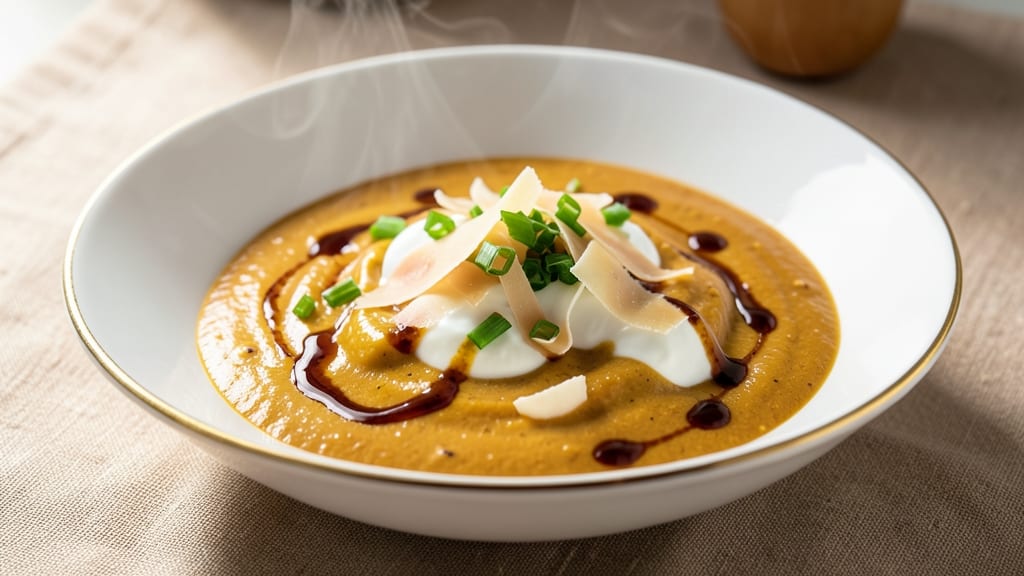
This Alfredo sauce recipe Panlasang Pinoy transforms classic Italian creaminess into something uniquely Filipino—rich, garlicky, and just slightly umami with a touch of soy and chili.
The secret lies in balancing traditional parmesan and cream with Filipino flavors like toasted garlic and a hint of soy sauce, creating a sauce that clings to pasta, seafood, or meat like a dream.
I developed this version after craving that familiar creamy comfort but wanting the bold, savory depth of homegrown flavors.
The beauty of this sauce is its versatility—it works as a luscious pasta topping, a decadent seafood partner, or a meaty glaze, all while keeping the creamy texture you love.
Unlike standard Alfredo, this version incorporates a slow-cooked garlic base and a splash of soy sauce for that unmistakable Panlasang Pinoy depth. The result? A sauce that’s restaurant-quality but feels like a home-cooked hug, with just the right balance of richness and complexity.
What sets this apart is the layering of flavors: the garlic caramelizes for a nutty sweetness, the parmesan adds sharpness, and the soy sauce ties it all together with umami warmth. The sauce thickens just enough to coat without being gluey, ensuring every bite is velvety and satisfying.
Perfect for weeknight dinners or special occasions, this recipe proves you don’t need to sacrifice authenticity for creativity.
Ready in just 15 minutes, this sauce is foolproof and customizable—add chili flakes for heat, extra cream for richness, or even a dash of fish sauce for an extra layer of depth.
Whether you're tossing it with spaghetti, drizzling it over grilled squid, or using it as a marinade, this Panlasang Pinoy Alfredo will elevate any dish with minimal effort.
Ingredients for alfredo sauce recipe panlasang pinoy
Nine ingredients that blend Italian richness with bold Filipino flavors for the ultimate creamy sauce.
| Ingredient | Amount | Notes |
|---|---|---|
| Extra-Virgin Olive Oil 🫒 | ½ cup | High quality, fruity variety preferred |
| Garlic Cloves 🧄 | 12 whole | Peeled, lightly toasted for depth |
| Heavy Cream 🥛 | 1 ½ cups | Full-fat for maximum creaminess |
| Parmesan Cheese 🧀 | 1 ½ cups | Freshly grated, aged minimum 24 months |
| Unsalted Butter 🧈 | ½ cup | Cold, cubed for slow melting |
| Soy Sauce 🍶 | 1 tbsp | Light or regular, not dark |
| Chili Flakes 🌶️ | ½ tsp | Adjust for desired heat level |
| Salt 🧂 | 1 tsp | Diamond Crystal preferred |
| Black Pepper 🌶️ | ½ tsp | Freshly ground for best flavor |
| Fish Sauce 🐟 | ½ tsp | Optional for extra umami depth |
The garlic is where the magic happens—toast it lightly in olive oil until golden for that nutty sweetness that defines this sauce. Costco or Trader Joe's sell pre-minced garlic in jars, but fresh is always better if you've got the time. For the Parmesan, buy a wedge from the deli counter—pre-grated gets clumpy and lacks flavor. The heavy cream should be cold when you add it to prevent curdling, and full-fat is non-negotiable here. If you're feeling adventurous, Red Boat fish sauce adds that extra layer of umami that makes this sauce truly Panlasang Pinoy.
No soy sauce? Coconut aminos at double the amount works in a pinch, though it won't have the same depth. Running out of chili flakes? Crushed red pepper flakes do the trick, but taste them first—some brands are way hotter. The butter can be swapped for vegan butter if needed, though the sauce won't be quite as rich. For a lighter version, reduce the cream to 1 cup and add an extra splash of water or broth. The fish sauce is optional but worth it if you love that salty, funky depth—just a half teaspoon makes a difference.
This sauce keeps beautifully in the fridge for 5-6 days, though it tastes best within 2-3 days. To reheat, warm gently on low heat, stirring constantly to prevent separation. For longer storage, freeze in ice cube trays—perfect for adding to dishes later. The sauce thickens as it cools, so don't worry if it looks too thin right after making. If it gets too thick later, just whisk in a splash of warm water or milk. And trust me, leftovers are even better—the flavors meld into something truly special.
Why You'll Love This Recipe
- No Chopping Nightmare: I swear by this sauce because it only needs three minced garlic cloves—no dicing, no peeling stress. Just crush, heat, and let that olive oil work its magic while you stir.
- Creamy but Not Heavy: That perfect balance of heavy cream and butter? It’s rich without being cloying, thanks to the Parmesan’s sharp bite cutting through. Honestly, my picky husband actually finishes his bowl—rare.
- Weeknight to Party Fix: Same sauce works over garlic shrimp for a quick dinner or drizzled on roasted chicken for guests. I keep a jar in the fridge because it’s my go-to for anything needing a fancy touch.
- Budget-Friendly Luxury: Parmesan and butter might sound fancy, but a little goes a long way here. I stretch it over veggie noodles or toasted bread for leftovers, and it still tastes like a restaurant dish. (Yes, even on a Tuesday night.)
Step-by-step instructions for creamy garlic Parmesan Alfredo with Pinoy twist
This sauce delivers rich, velvety texture with bold Pinoy flavors—here's how to nail it every time.
Toast the Garlic Until Golden and Fragrant
Heat the 0.5 cup extra-virgin olive oil in a medium saucepan over medium-low heat. Add the 12 whole peeled garlic cloves and cook them gently, stirring occasionally, for 8-10 minutes until they turn a beautiful golden brown color. You'll know they're ready when the oil shimmers and the garlic releases an intense, nutty aroma.
Here's the thing—don't rush this step. Overcooking turns garlic bitter, while undercooked garlic adds raw flavor. I like to press the garlic cloves gently with a wooden spoon to help them crisp evenly. Remove the garlic from the oil using a slotted spoon and set aside—you'll add it back later for maximum flavor impact.
Melt Butter and Build the Base
Pour the 0.5 cup unsalted butter into the same saucepan over medium heat. Let it melt completely, then add the 1 tbsp soy sauce and 0.5 tsp fish sauce. Stir constantly for 1-2 minutes until the butter is fully incorporated and the sauce begins to bubble gently. This step develops the umami foundation that makes this sauce distinctly Pinoy.
Here's where it gets fun—toss in the 0.5 tsp chili flakes and 0.5 tsp black pepper. Stir for another 30 seconds to bloom the spices. The chili flakes add subtle heat that balances the richness, while the pepper enhances depth. Keep the heat at medium to prevent burning those delicate spices.
Combine Cream and Cheese for Creamy Perfection
Reduce the heat to low and slowly pour in the 1.5 cups heavy cream while whisking continuously. Let the mixture simmer gently for 3-4 minutes until it begins to thicken slightly. This gradual warming prevents the cream from curdling—a common mistake that ruins silky texture.
Now for the star: gradually whisk in the 1.5 cups freshly grated Parmesan cheese. Start with a small amount and whisk vigorously until fully melted before adding more. This prevents clumping and ensures a smooth, velvety consistency. The sauce should thicken noticeably as the cheese melts completely, typically taking 4-5 minutes of constant whisking.
Finish with Garlic and Season to Taste
Return the reserved golden garlic cloves to the saucepan and stir for 1 minute to infuse their flavor. The garlic should soften slightly but still retain some texture. Remove from heat and stir in the 1 tsp salt. Taste and adjust seasoning—you might need a bit more salt to balance the richness, especially if you used aged Parmesan.
Let the sauce rest for 5 minutes off the heat. This resting period allows the flavors to meld completely. The sauce should coat the back of a spoon smoothly, with no graininess from unmelted cheese. If it's too thick, whisk in 1-2 tablespoons of warm water or pasta water to reach your desired consistency for serving.
Serve Immediately Over Pasta or Noodles
This sauce is best served immediately over freshly cooked pasta or noodles. The heat from the pasta will help melt any remaining cheese and create that perfect creamy coating. For extra richness, toss in a handful of the reserved garlic cloves from the sauce when serving—it adds a delightful textural contrast.
Remember, this sauce tastes best when used fresh. The Pinoy twist of soy and fish sauce adds complexity that works beautifully with Asian-inspired dishes like pad see ew or chow mein. Store any leftovers in an airtight container in the refrigerator for up to 3 days, but reheat gently over low heat with a splash of cream to restore its silky texture.
Pro Tips For Making Alfredo Sauce Recipe Panlasang Pinoy
- Infuse Garlic Slowly: Don’t dump minced garlic all at once—add it in batches while stirring constantly. I learned this the hard way after burning three batches; the oil heats unevenly, and garlic turns bitter fast. Let each addition sizzle for 10-15 seconds before adding more.
- Use Cold Heavy Cream: Whisk the heavy cream into the warm (not boiling) sauce off the heat—cold cream curdles when shocked by high heat. Pour it in a slow, steady stream while stirring like your life depends on it. Trust me, your sauce will thank you later.
- Grate Parmesan Fresh: Pre-shredded cheese has anti-caking agents that make Alfredo grainy. Grate your own Parmesan using the large holes of a box grater right before mixing—it dissolves smoothly and adds real depth. (Yes, even if you’re impatient like me.)
- Balance Butter and Oil: Skip the extra-virgin olive oil if you’re using unsalted butter—it’s already rich enough. But if you’re adding oil, use it to bloom the garlic first, then turn the heat low before adding butter. This prevents burning and keeps the sauce silky.
Flavor customization for this recipe
Spicy Heat Boost
For a kick, add 1 tbsp sambal oelek or 1 tsp gochujang when combining cream and cheese. These fiery pastes add depth and heat that pairs perfectly with seafood like grilled squid or shrimp. Start with ½ tsp if you're sensitive to spice—you can always add more later. 🌶️
Umami Depth
Enhance the savory profile by adding 1 tsp oyster sauce or ½ tsp miso paste during the butter base step. These ingredients amplify the soy and fish sauce flavors, creating a richer, more complex sauce that works wonderfully with meat dishes like beef stroganoff or pork chops.
Sweet-Savory Balance
Balance the richness with 1 tbsp honey or 1 tsp brown sugar when melting the butter. This subtle sweetness complements the garlic and soy perfectly, making it ideal for dishes like chicken adobo or even as a dipping sauce for spring rolls.
The caramelized garlic already adds sweetness, so adjust to taste.
Herbaceous Freshness
Finish with 1 tbsp chopped fresh cilantro or thyme leaves for a bright, herbal note. These herbs cut through the creaminess and add a fresh dimension that pairs beautifully with grilled vegetables or as a topping for garlic bread.
I like to add them just before serving to preserve their vibrant flavor.
Creamy Variations
For a lighter version, replace ½ cup heavy cream with ½ cup coconut milk—it adds a subtle tropical note that works surprisingly well with the Pinoy flavors. For extra decadence, stir in 2 oz cream cheese with the Parmesan for a thicker, velvety texture that clings perfectly to noodles.
Regional Twist
Give it a Visayan touch by adding ½ tsp calamansi juice or 1 tsp vinegar at the end for a tangy brightness. This works amazingly with seafood dishes or even as a marinade for grilled fish. The acidity balances the richness and adds a refreshing finish that feels distinctly Filipino.
Nutrition facts
Frequently asked questions
Can I make this sauce without heavy cream for a lighter version?
Yes! Replace ½ cup heavy cream with ½ cup coconut milk for a lighter but still creamy texture that pairs beautifully with Filipino flavors. For even more richness, try ½ cup Greek yogurt instead—it adds tanginess that balances the garlic and soy perfectly.
What's the best way to store leftover sauce?
Store in an airtight container in the fridge for up to 5-6 days. To reheat, warm gently on low heat with a splash of cream or water to restore its silky texture. For longer storage, freeze in ice cube trays—perfect for adding to dishes later without thawing.
Can I use this sauce for dishes other than pasta?
This sauce works beautifully as a marinade for grilled chicken or pork, a dipping sauce for spring rolls, or even a topping for baked potatoes. The Pinoy twist makes it especially great with seafood like shrimp or squid—just toss it with your favorite protein and serve immediately.
Why did my sauce get grainy?
Graininess usually happens when cheese doesn't melt completely or the sauce cools too quickly. To fix it, whisk in 1-2 tbsp warm water or pasta water while reheating on low heat. For prevention, whisk constantly when adding cheese and keep heat at low-medium to melt it gradually.
How can I make this sauce spicier?
Add 1 tbsp sambal oelek or 1 tsp gochujang when combining cream and cheese for a fiery kick. For heat control, start with ½ tsp—you can always add more later. The chili flakes in the original recipe provide subtle warmth, so adjust based on your spice tolerance.