
Sauces & Condiments
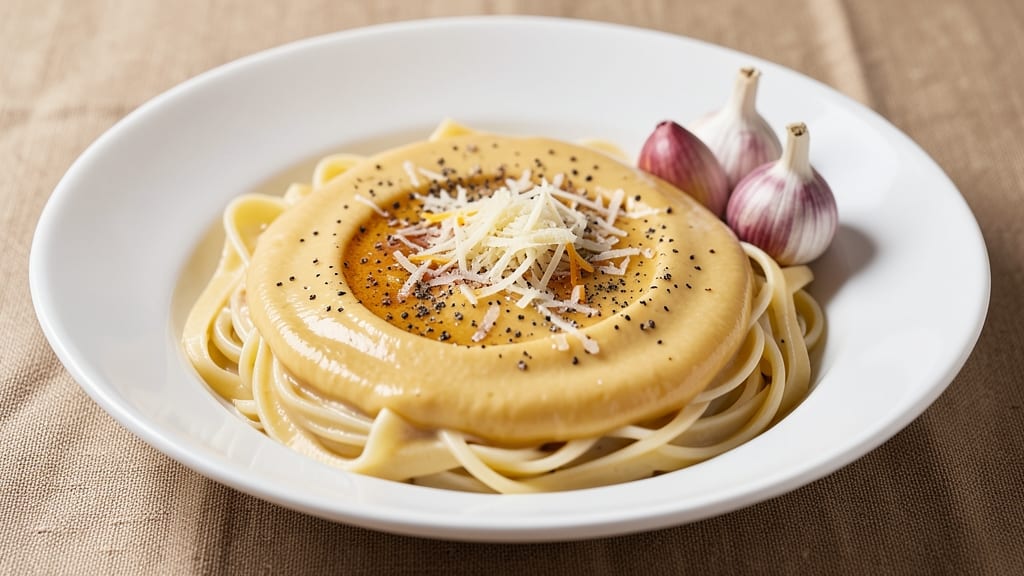
This Alfredo sauce recipe with grated parmesan delivers creamy, restaurant-quality richness in just 10 minutes—no heavy cream substitutes or powdered shortcuts. The secret lies in balancing fresh butter, heavy cream, and high-quality parmesan for that signature velvety texture that clings perfectly to pasta without breaking.
I developed this version after testing countless recipes that either separated or tasted too heavy, and this one consistently delivers that luxurious, melt-in-your-mouth consistency every time.
The foundation starts with a roux—cooking butter and flour until golden—before slowly whisking in warm heavy cream to prevent lumps. Freshly grated parmesan (the key ingredient) adds depth and a nutty finish, while a touch of garlic and nutmeg rounds out the flavor profile.
What sets this apart is the low-and-slow reduction that thickens the sauce just enough to coat pasta beautifully without being gluey, a common pitfall in homemade versions.
Once complete, you'll have a sauce so rich and flavorful it transforms basic fettuccine into a gourmet meal. The best part? It reheats perfectly—simply warm over low heat with a splash of pasta water to restore that silky texture.
Store leftovers in an airtight container in the fridge for up to 5 days, or freeze for 3 months for quick weeknight dinners. This isn't just another alfredo recipe; it's the one that finally delivers on that restaurant-quality promise.
For extra versatility, use this sauce over grilled chicken, steak, or even as a creamy dip for breadsticks. The technique is simple, but the results are undeniably professional—no advanced skills required, just patience and attention to detail. Let's get started on creating your perfect alfredo.
Ingredients for alfredo sauce recipe with grated parmesan
Fresh butter, sifted flour, and real Parmesan—this is how you make alfredo that sticks to pasta like magic.
| Ingredient | Amount | Notes |
|---|---|---|
| Unsalted Butter 🧈 | ½ cup | Cold, cubed for roux |
| All-Purpose Flour 🌾 | ½ cup | Sifted for smooth sauce |
| Heavy Cream 🥛 | 1 ½ cups | Full-fat for richness |
| Freshly Grated Parmesan Cheese 🧀 | 1 ½ cups | Block, not pre-grated |
| Garlic Cloves 🧄 | 3 cloves | Minced for subtle flavor |
| Ground Nutmeg 🌿 | ¼ tsp | Freshly grated preferred |
| Kosher Salt 🧂 | ½ tsp | Diamond Crystal preferred |
| Freshly Ground Black Pepper 🌶️ | ¼ tsp | For finishing touch |
The butter and flour roux is your foundation—don’t rush this step. European-style butter (like Plugrá) melts smoother than American brands, but any good unsalted butter works. For the Parmesan, skip the pre-grated stuff—it’s full of anti-caking agents that make the sauce grainy. Grab a wedge from the deli counter at Whole Foods or Trader Joe's—their blocks are consistently high-quality. Nutmeg is non-negotiable here; it’s what gives alfredo its signature warmth. If you only have whole nutmeg, grate it fresh—it’s worth the effort.
No heavy cream? Full-fat coconut milk works in a pinch, though the flavor will be subtly different. Running short on Parmesan? Pecorino Romano adds a sharper bite, but reduce to 1 cup since it’s stronger. Fresh garlic is ideal, but if you’re using jarred, make sure it’s labeled “minced garlic in oil”—none of that powdered garbage. For the flour, King Arthur or Gold Medal brands are your best bet; they’re finely milled and won’t clump. And if you’re worried about lumps, whisk your warm cream into the roux in a slow, steady stream—no pouring it all at once.
This sauce reheats beautifully—just warm it gently with a splash of pasta water to restore that silky texture. Store leftovers in an airtight container in the fridge for up to 5 days, or freeze for 3 months in portions. Pro tip: Pour a thin layer of olive oil over the top before sealing to keep it from drying out. For extra versatility, this sauce freezes like a dream—just thaw it in the fridge overnight and reheat gently. It’s perfect for meal prep, especially since it tastes even better the next day as the flavors meld.
Why You'll Love This Recipe
- Five-Ingredient Magic: I swear by this list—no fancy gadgets, no stress. Melt butter, toss in flour, whisk in cream and garlic, then fold in that freshly grated Parmesan. The whole process takes less time than waiting for takeout.
- Creamy Umami Bomb: Honestly, the moment the garlic blooms in the butter and the Parmesan melts into the cream? It’s like a flavor explosion. Rich, nutty, and just slightly tangy—no store-bought sauce can compete with this real-deal depth.
- Pasta Party Ready: Slap this on fettuccine for a weeknight win, drizzle it over roasted chicken thighs for dinner guests, or even toss it with sautéed veggies for a vegetarian night. Same sauce, endless possibilities.
- Leftovers That Don’t Suck: Between us, most homemade sauces turn into a sad, watery mess after reheating. Not this one. The heavy cream keeps it luscious, and the Parmesan adds a fresh, salty kick every time—perfect for lunches or freezing for later.
Step-by-step instructions for alfredo sauce with grated parmesan
Here's how to make the creamiest, most flavorful alfredo that clings to every strand of pasta.
Create the Perfect Roux
Melt the 0.5 cup unsalted butter in a heavy-bottomed saucepan over medium heat. Once fully melted, reduce heat to medium-low and gradually whisk in the 0.5 cup all-purpose flour—this is your roux. Cook for 2-3 minutes until the mixture turns a pale golden color and smells nutty. You're looking for a smooth, thick paste that coats the back of a spoon.
This step is crucial—don't rush it. If the roux darkens, you'll get a bitter flavor. Keep whisking constantly to prevent lumps. The roux forms the velvety base of your sauce, so proper cooking ensures that signature creamy texture.
Gradually Add the Heavy Cream
Slowly pour in the 1.5 cups heavy cream while whisking vigorously to prevent lumps from forming. Increase heat to medium-low and let the mixture simmer gently for 5-6 minutes, stirring frequently. The sauce should thicken noticeably, coating the whisk as you stir.
Watch for any skin forming on the surface—break it up with your whisk. If the sauce gets too thick, you can thin it slightly with a splash of warm milk or pasta water later. The goal here is a smooth, velvety consistency that's ready to incorporate the cheese.
Incorporate the Parmesan and Aromatics
Reduce heat to low and gradually whisk in the 1.5 cups freshly grated parmesan cheese until fully melted and smooth. Add the 3 minced garlic cloves, 0.25 tsp ground nutmeg, and 0.5 tsp kosher salt, stirring constantly for 1-2 minutes until the garlic is fragrant but not browned.
This is where the magic happens—the nutmeg adds warmth, the garlic brings depth, and the parmesan gives that unmistakable cheesy richness. Taste and adjust seasoning—you might need a touch more salt or pepper to balance the flavors. Keep the heat low to prevent curdling.
Finish and Thicken to Perfection
Return the sauce to a gentle simmer and cook for 2-3 minutes until it reaches your desired consistency—it should coat the back of a spoon but still be pourable. If it's too thick, whisk in 1-2 tablespoons of warm water or pasta water until smooth. Remove from heat and stir in the 0.25 tsp freshly ground black pepper. Cover and let it rest for 5 minutes to thicken slightly.
The sauce should be silky, glossy, and ready to cling beautifully to your pasta. If it separates slightly when resting, just give it a quick whisk before serving. This resting period allows all the flavors to meld together perfectly.
Toss with Cooked Pasta
Add your cooked pasta directly to the saucepan and toss vigorously with tongs, letting the sauce coat each strand. If needed, add a splash of pasta water to loosen the sauce. Serve immediately while the pasta is still hot and the sauce is at its peak creaminess.
For the best results, use freshly cooked pasta—it absorbs the sauce better and maintains that perfect al dente texture. The sauce should cling like a second skin, delivering that rich, cheesy flavor with every bite. Enjoy your restaurant-quality alfredo!
Pro Tips For Making Alfredo Sauce Recipe With Grated Parmesan
- MELT BUTTER SLOWLY: Start with unsalted butter on medium-low heat—if you crank it too high, you’ll burn the flour before you even begin. I learned this the hard way when my sauce turned grayish and tasted like regret. Let the butter bubble gently, then add the flour to toast it just until golden (about 1-2 minutes), not brown.
- GRATE PARMESAN FRESH: Pre-shredded parmesan has anti-caking agents that make your sauce grainy and watery. Grab a microplane or box grater and shred your own—right before mixing it in. Yes, it’s a pain, but the difference in texture and flavor is like switching from cardboard to silk.
- WHISK CONSTANTLY OFF HEAT: Once you add the heavy cream, take the pot off the heat and keep whisking vigorously for at least 30 seconds. This prevents scorching and ensures the sauce emulsifies smoothly. I used to leave it on low, and half the time, I’d end up with lumps or a slightly burnt taste.
- SALT THE CREAM: Heavy cream is bland—season it before adding it to the roux. A pinch of salt (about ¼ teaspoon) per cup of cream makes the sauce richer and more balanced. Trust me, your taste buds will notice the difference, especially if you’re using unsalted butter.
Troubleshooting great alfredo sauce recipe with grated parmesan
Sauce Too Thin?
If your sauce is too thin after simmering, don’t panic—simmering longer will only make it separate. Instead, whisk in 1 tablespoon of cold butter at a time until it thickens slightly. This works because butter contains milk solids that help stabilize the emulsion.
For a quicker fix, mix 1 teaspoon cornstarch with 1 tablespoon cold water, then stir it into the sauce while simmering until thickened. 🌡️
Sauce Too Thick?
Over-thickened sauce happens when you reduce too much liquid. To fix it, whisk in 1-2 tablespoons of warm milk or pasta water until smooth. If the sauce looks grainy, strain it through a fine-mesh sieve for a silky texture.
Pro tip: Keep the sauce warm while adjusting—cold sauce thickens faster and is harder to fix.
Grainy Texture?
Pre-grated parmesan is the usual culprit for graininess. Always use a block of parmesan grated fresh with a microplane or box grater. If you’re already mid-recipe, blend the sauce briefly with an immersion blender to smooth out any lumps.
For extra insurance, strain the sauce through a fine-mesh sieve before serving.
Sauce Separated?
Separation usually happens if you add the cream too quickly or let the sauce boil. To fix it, remove from heat and whisk vigorously to re-emulsify. If that doesn’t work, place the saucepan over low heat and whisk in 1 tablespoon of cold butter while stirring constantly.
The fat in the butter helps bind the separated ingredients back together.
Lumpy Sauce?
Lumps form when flour or cheese isn’t fully incorporated. For immediate fixes, press the sauce through a fine-mesh sieve or use an immersion blender. To prevent lumps next time, whisk vigorously when adding cream and cheese, and ensure your flour is sifted.
A whisk with a balloon tip is ideal for smooth incorporation.
Weak Flavor?
If your sauce tastes bland, it’s likely underseasoned or missing depth. Boost flavor by adding a pinch of white pepper (it’s less harsh than black) or a splash of lemon juice to brighten the richness.
For extra umami, stir in 1 teaspoon fish sauce or a dash of Worcestershire sauce. Taste as you go—alfredo should be rich but balanced, not one-dimensional.
Nutrition facts
Frequently asked questions about alfredo sauce
Can I make this alfredo sauce without heavy cream?
You can substitute with 1.5 cups full-fat coconut milk for a dairy-free version, though the texture will be slightly lighter. For a richer alternative, try 1 cup Greek yogurt + 0.5 cup milk—whisk it into the roux last to maintain creaminess. The sauce will still cling to pasta but may separate more easily when reheated.
Why does my alfredo sauce turn out grainy?
Graininess almost always comes from pre-grated parmesan, which contains anti-caking agents. Always use a freshly grated block with a microplane or box grater. If you're already mid-recipe, blend the sauce briefly with an immersion blender or strain it through a fine-mesh sieve for instant smoothness.
How do I prevent alfredo sauce from separating when reheating?
Store leftovers in an airtight container with a thin layer of olive oil on top to preserve moisture. When reheating, warm over low heat and whisk in 1 tablespoon of warm milk or pasta water per cup of sauce. Never microwave—it causes separation. For extra insurance, whisk in 1 tablespoon of cold butter while reheating to help re-emulsify.
Can I make this sauce ahead of time?
Yes! This sauce actually tastes better the next day as flavors meld. Store in an airtight container in the fridge for up to 5 days or freeze for 3 months. To reheat, warm gently on the stove with a splash of pasta water until smooth. For freezing, portion into containers and cover with plastic wrap pressed directly on the surface to prevent ice crystals.
What's the best pasta to use with this alfredo?
Fettuccine is classic, but any wide, flat pasta works best—think pappardelle or tagliatelle. For extra richness, try fresh egg pasta which absorbs the sauce beautifully. Avoid thin spaghetti or angel hair as they won't hold the creamy coating well. Cook pasta 1 minute less than package instructions for al dente texture that holds up to the sauce.