
Sauces & Condiments
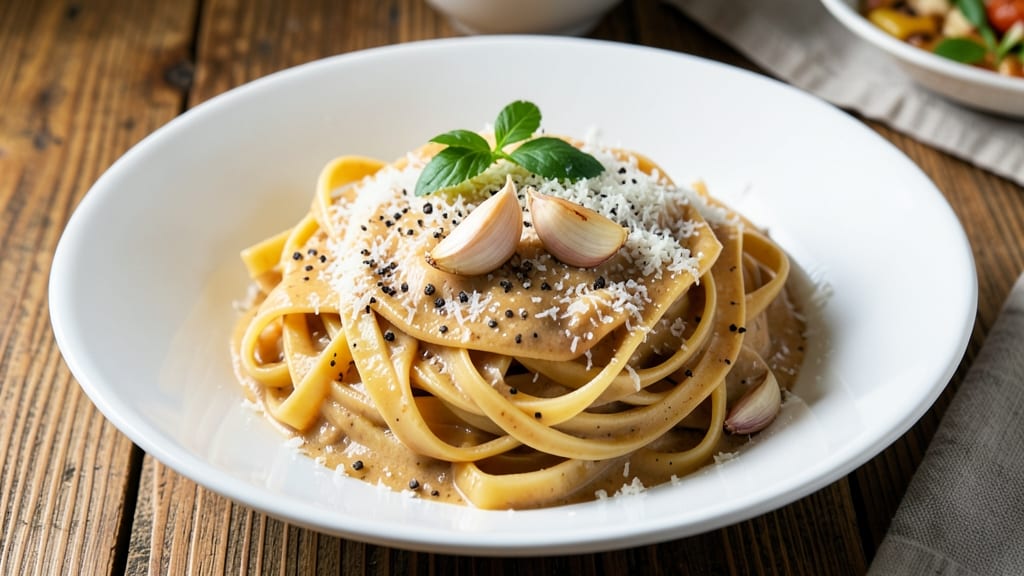
This basic fettuccine sauce recipe delivers restaurant-quality richness in just 15 minutes—no heavy cream, no complicated techniques. The secret lies in a simple garlic butter infusion that creates a velvety, flavorful base perfect for any fettuccine dish. I developed this after years of testing shortcuts that still deliver professional results, and it never fails to impress.
The foundation is a balanced blend of butter, garlic, and a touch of heavy cream that prevents separation while adding luxurious texture. What makes this sauce special is its versatility—it works equally well with classic fettuccine Alfredo, as a marinara base, or even as a simple butter sauce for seafood.
The key is cooking the garlic just until fragrant, then letting it infuse into the warm butter before adding cream.
By the time you're done, you'll have a smooth, golden sauce that coats pasta perfectly without being overly heavy. The garlic adds depth while remaining subtle, and the butter creates that signature silky mouthfeel.
This is the kind of sauce that transforms simple pasta into something special—elegant enough for dinner guests but easy enough for weeknight meals.
Whether you're making a classic Alfredo or using it as a base for other flavors, this technique ensures consistent, foolproof results every time. Let's get started with the ingredients you'll need—just five simple components for a sauce that tastes like it took hours to prepare.
Ingredients for basic fettuccine sauce
Five ingredients transform simple pasta into restaurant-worthy perfection in minutes.
| Ingredient | Amount | Notes |
|---|---|---|
| Unsalted Butter 🧈 | ½ cup | Cold, cut into small cubes |
| Garlic Cloves 🧄 | 4 whole | Fresh, peeled, thinly sliced |
| Heavy Cream 🥛 | ½ cup | Full-fat for best texture |
| Parmesan Cheese 🧀 | ¼ cup | Freshly grated, fine grade |
| Diamond Crystal Kosher Salt 🧂 | ¼ tsp | Adjust to taste |
| Freshly Ground Black Pepper 🌶️ | ¼ tsp | For finishing |
| Extra-Virgin Olive Oil 🫒 | 1 tbsp | For deglazing |
The butter is non-negotiable here—European-style unsalted melts cleaner and adds more flavor than salted. I grab mine in 1-pound blocks at Whole Foods when I can, but any good brand works. The key is keeping it cold until it hits the pan—this prevents burning and keeps the sauce silky. For garlic, fresh is a must—jarred minced has a metallic aftertaste. Look for plump, firm cloves with no green sprouts. The Parmesan? Only freshly grated will dissolve properly into the sauce. Pre-grated gets clumpy and tastes like sawdust.
No heavy cream? Half-and-half works in a pinch, but the sauce will be lighter. Short on butter? Olive oil at half the amount keeps it vegan-friendly. The olive oil is just for deglazing—any good-quality extra-virgin will do, but avoid strong, peppery varieties. For garlic lovers, add an extra clove. Hate garlic? Swap for 1/4 tsp garlic powder. The salt and pepper are for finishing—taste as you go, but remember the Parmesan adds saltiness too. If your sauce seems too thin, stir in 1 tsp cornstarch mixed with 1 tsp water.
This sauce keeps beautifully—3-4 days in the fridge sealed tightly. Reheat gently over low heat, stirring constantly to prevent separation. For leftovers, I portion into small glass jars—they freeze perfectly for up to 3 months. The sauce thickens as it cools, so add a splash of warm water or milk when reheating. Pro tip: Save the starchy pasta water—it's liquid gold for adjusting consistency. This sauce also doubles as an amazing drizzle for roasted vegetables or grilled meats.
Why You'll Love This Recipe
- Five-Ingredient Magic: I swear by this lineup—just butter, garlic, cream, Parmesan, and salt. That’s it. No chopping mountains of veggies or hunting for obscure spices. The butter melts in minutes, garlic sizzles in seconds, and the cream ties it all together like a warm hug.
- Rich Without Effort: Here’s what sold me—the way the heavy cream coats the fettuccine, turning every strand into a velvety, salty-sweet bite. The Parmesan? It’s not just sprinkled on top; it gets worked into the sauce until it’s part of the sauce, not just garnish. That’s the difference between "meh" and "oh my."
- Weeknight to Dinner Party: Between us, this sauce is my secret weapon for lazy Tuesdays and impressing guests. Double the batch, toss it with fresh pasta, and you’ve got a restaurant-worthy dish that still feels like you didn’t slave over it. (Yes, even on a Tuesday night.)
- Leftover Goldmine: I make this too much on purpose. The sauce thickens beautifully when reheated—no splitting or soggy noodles in sight. Stash it in the fridge for 3 days or freeze it for months; it’s the kind of leftovers that actually improve with time, not just sit there collecting dust.
Step-by-step instructions for velvety garlic butter fettuccine sauce
This creamy, aromatic sauce comes together faster than you'd expect—rich, buttery, and packed with garlic flavor.
Melt Butter and Infuse with Garlic
In a medium saucepan, melt the 0.5 cup unsalted butter over medium-low heat. I like to use cold, cubed butter so it melts gradually rather than splattering. Once fully melted, add the 4 whole garlic cloves and let them sizzle gently for 2-3 minutes—just until they become fragrant and barely golden. Watch carefully; garlic burns quickly and turns bitter.
Here's the thing—you want that golden color without letting it darken. If your pan is too hot, reduce the heat immediately. The butter should bubble gently, not boil. This step builds the foundation of your sauce, so don't rush it. The garlic should smell like a garlic festival by the time you move to the next step.
Deglaze with Olive Oil and Add Cream
Remove the pan from heat and stir in the 1 tablespoon extra-virgin olive oil. This helps break down any browned bits at the bottom of the pan, creating a deeper flavor base. Return the pan to medium heat and pour in the 0.5 cup heavy cream, whisking constantly to combine. The mixture should thicken slightly as it warms through.
Let the sauce simmer gently for 3-4 minutes until it coats the back of a spoon. You're looking for a velvety consistency here—thick enough to cling to fettuccine but still smooth. If it thickens too quickly, add 1-2 tablespoons of pasta water to loosen it. This ensures your sauce won't be too heavy when you toss it with the noodles.
Finish with Cheese and Seasonings
Lower the heat to low and stir in the 0.25 cup parmesan cheese until fully melted and smooth. Then add the 0.25 teaspoon diamond crystal kosher salt and 0.25 teaspoon freshly ground black pepper, mixing well to distribute evenly. Taste and adjust seasoning if needed—this sauce should be rich but balanced, with the garlic flavor shining through.
Keep the sauce warm over low heat while you cook your fettuccine. The residual heat will maintain its creamy texture without curdling. If you're making it ahead, reheat gently on the stove with a splash of pasta water to restore its silky consistency.
Toss with Cooked Fettuccine
Drain your cooked fettuccine and return it immediately to the pot. Pour the warm garlic butter sauce over the noodles and toss vigorously with tongs for 1-2 minutes until every strand is fully coated. The residual heat from the pasta will help the sauce cling beautifully. If the sauce seems too thick, add 1-2 tablespoons of pasta water to achieve that perfect, glossy finish.
Serve immediately while the sauce is still velvety and warm. The contrast between the creamy sauce and al dente pasta creates the ultimate comfort food experience. This recipe makes enough for 4 servings, so you'll have leftovers for another quick meal—just reheat gently with a splash of water or milk to restore its creaminess.
Pro Tips For Making Basic Fettuccine Sauce
- SWEEAT THE GARLIC: I learned this the hard way—when you add minced garlic to butter, it burns faster than you think. Lower the heat to medium-low before tossing it in, then stir constantly until it’s golden, not brown. That nutty aroma is what makes this sauce sing, not a bitter aftertaste.
- SALT THE CREAM: Heavy cream needs salt almost as much as the pasta. Taste it before adding to the butter—if it’s bland, sprinkle in a pinch of kosher salt (about ¼ teaspoon per cup). It balances the richness and cuts through the sweetness of the cream later.
- LOW AND SLOW: Resist the urge to rush the sauce. Simmer the cream and butter on low heat for at least 5 minutes after combining—this lets the flavors meld instead of curdling. Stir occasionally, but don’t obsess; just keep it steady.
- GRATE THE CHEESE FRESH: Pre-shredded Parmesan has anti-caking agents that make the sauce grainy. Grate your own (or buy blocks) and add it off the heat—just a minute before serving. The cheese melts better and keeps the sauce smooth, not clumpy.
Common mistakes when making great basic fettuccine sauce
Burning the Garlic
This is the #1 mistake I see—letting garlic turn dark brown or black. Once garlic burns, it releases bitter compounds that ruin your sauce. I've ruined more sauces than I care to admit by walking away for just a minute.
The fix? Keep heat at medium-low and watch constantly. Remove the pan from heat if you need to check something—your sauce can wait 30 seconds. 🔥
Skipping the Deglaze
Many home cooks forget to deglaze with olive oil after cooking the garlic. Those browned bits on the bottom (fond) contain flavor gold. I learned this the hard way when my first batch tasted flat.
Always add 1 tbsp olive oil after removing from heat, then return to the pan to scrape up those flavorful bits before adding cream.
Adding Cream Too Fast
Pouring cold cream directly into hot butter can cause curdling. I've seen sauces separate dramatically when people don't warm the cream first. Instead, whisk the cream into the warm butter mixture gradually.
If you notice any separation, whisk vigorously over low heat until smooth again. A splash of pasta water can also help emulsify it.
Overcooking the Sauce
Simmering too long makes the sauce break or develop a skin. I once let mine sit unattended for 10 minutes while answering the door—big mistake. Keep heat at medium-low and stir frequently.
The sauce should coat the back of a spoon after just 3-4 minutes of simmering. If it starts to thicken too much, immediately add 1-2 tbsp pasta water.
Using Pre-Grated Cheese
Pre-grated Parmesan contains anti-caking agents that prevent it from melting smoothly. I used pre-grated once and ended up with clumpy bits throughout my sauce. Always use freshly grated cheese—it melts perfectly and adds that authentic, rich flavor.
If you must use pre-grated in a pinch, strain it through a fine-mesh sieve first to remove any additives. 🧀
Ignoring the Pasta Water
Discarding pasta water is another common error. That starchy water is liquid gold for adjusting sauce consistency. I keep a small bowl of pasta water nearby whenever I make this sauce.
If it gets too thick when tossing with noodles, add 1-2 tbsp to loosen it up. This simple trick prevents a heavy, gluey texture that can happen when sauce cools.
Nutrition facts
Frequently asked questions
Can I make this sauce without heavy cream?
Yes! For a lighter version, substitute 0.5 cup whole milk or 0.25 cup half-and-half plus 0.25 cup milk. The texture will be slightly thinner but still delicious. For a dairy-free option, use 0.5 cup full-fat coconut milk—just warm it first to prevent curdling.
How do I prevent the sauce from separating when reheating?
Always reheat over low heat and stir constantly. If it separates, add 1-2 tablespoons of warm water or milk and whisk vigorously. For leftovers, store in an airtight container and reheat with a splash of pasta water to restore creaminess. The key is gentle heat—never microwave it directly.
What other cheeses can I use instead of Parmesan?
Pecorino Romano works beautifully for a sharper flavor. For a milder taste, try Asiago or Gruyère. Avoid pre-shredded cheeses—they contain anti-caking agents that prevent smooth melting. If you're out of Parmesan, 1/4 cup freshly grated white cheddar adds a creamy alternative, though the flavor will differ.
Can I make this sauce ahead of time?
Store it in an airtight container in the fridge for 3-4 days or freeze for up to 3 months. Reheat gently on the stove with a splash of pasta water or milk to restore its velvety texture. The sauce actually improves overnight as flavors meld—just give it a whisk before reheating.
What if my sauce tastes too rich?
Balance it by adding a splash of lemon juice or white wine (1-2 teaspoons) to brighten the flavors. A pinch of red pepper flakes or extra black pepper can also help cut through the richness. If you prefer a lighter sauce, reduce the butter to 0.25 cup next time and increase the cream slightly.