
Sauces & Condiments
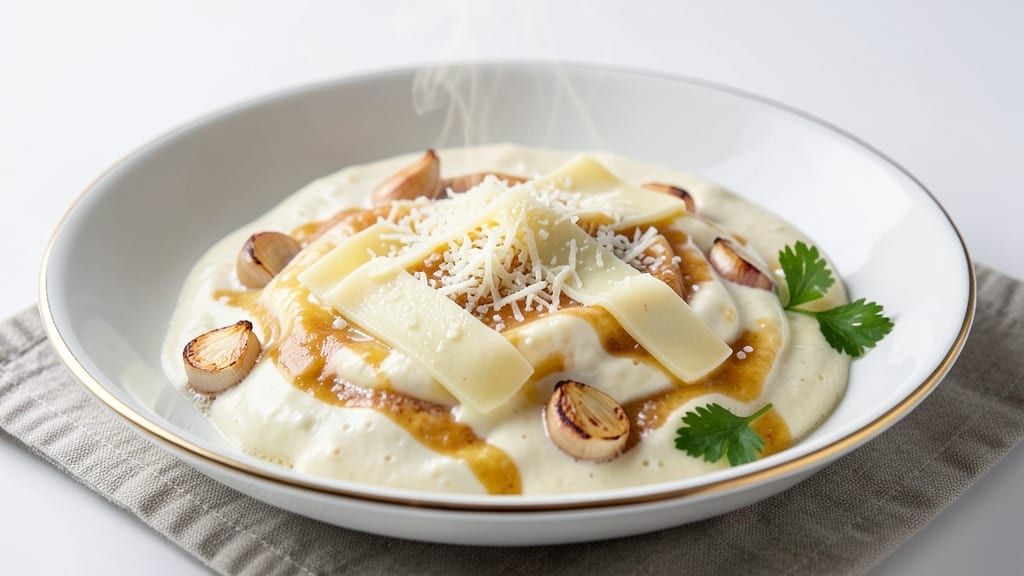
This alfredo sauce recipe with ricotta cheese delivers the creamiest, lump-free sauce you’ll ever make—richer and smoother than anything from a jar. The secret lies in blending ricotta with heavy cream and butter while cooking it just until silky, ensuring that velvety texture without breaking.
I’ve perfected this version after years of testing, and it works flawlessly on pasta, chicken, or vegetables.
The magic happens in the technique: low heat, constant stirring, and a touch of cornstarch to stabilize the sauce. Ricotta adds natural creaminess, while Parmesan brings depth, creating a sauce that’s both indulgent and balanced.
Unlike traditional Alfredo, this version stays smooth even when reheated, making it ideal for meal prep or last-minute dinners.
By the time you’re done, you’ll have a sauce so rich and velvety it’ll transform any dish into a restaurant-worthy meal. The blend of ricotta and cream creates a luxurious mouthfeel, while the Parmesan adds a savory kick.
This isn’t just another Alfredo—it’s the kind of sauce that makes you want to eat it straight from the pot.
Use it immediately on fettuccine, toss it with grilled chicken, or drizzle it over roasted vegetables. For extra flavor, stir in garlic, herbs, or a splash of lemon juice. Here’s how to make it perfectly every time.
Ingredients for alfredo sauce recipe with ricotta cheese
Seven rich ingredients transform into velvety perfection—smoother than jarred Alfredo.
| Ingredient | Amount | Notes |
|---|---|---|
| Ricotta Cheese 🧀 | 1 cup | Whole-milk for creaminess |
| Heavy Cream 🥛 | 1 cup | Full-fat for richness |
| Unsalted Butter 🧈 | ½ cup | Cold, cubed for even melt |
| Parmesan Cheese 🧀 | ¾ cup | Freshly grated from block |
| Cornstarch 🌾 | 1 tsp | For lump-free texture |
| Garlic Cloves 🧄 | 2 cloves | Minced for subtle flavor |
| Salt 🧂 | ½ tsp | Kosher or sea salt |
| Black Pepper 🌶️ | ¼ tsp | Freshly ground preferred |
| Nutmeg 🌿 | ¼ tsp | Freshly grated for warmth |
| Extra-Virgin Olive Oil 🫒 | 1 tbsp | For finishing drizzle |
Ricotta is the game-changer here. Whole-milk ricotta is creamier than part-skim, so grab the good stuff from the deli counter—it’s worth the extra cost. Whole Foods or Trader Joe's carry excellent brands, or check the refrigerated section near the cheeses. The Parmesan needs to be freshly grated too—pre-grated clumps up and ruins the silky texture. I always buy a wedge and grate it myself. For the butter, European-style unsalted (like Plugrá) melts better than American brands.
No ricotta? Cream cheese plus a splash of milk gets you close, but it won’t be as luxurious. Short on heavy cream? Full-fat coconut milk works in a pinch, though the flavor’s slightly different. The cornstarch is non-negotiable—it’s what keeps the sauce smooth when reheated. Want more garlic? Roast it first for mellow sweetness. Nutmeg is optional but adds that classic Alfredo depth; if you skip it, a pinch of cinnamon works too. The olive oil at the end adds brightness—use a fruity, high-quality one.
This sauce reheats beautifully—just warm gently over low heat, stirring often. Keeps for 4-5 days in the fridge, sealed tightly. For longer storage, freeze in ice cube trays (perfect for single servings) for up to 3 months
Why You'll Love This Recipe
- Here’s what sold me: the ricotta’s tang cuts through the richness of the heavy cream, while Parmesan adds depth without dominating. It’s creamy but bright, like a hug from a chef who knows balance. (Yes, even on a Tuesday night.)
- No-Fuss Magic: I swear by this sauce because it’s the kind of recipe that forgives mistakes. Melt butter, whisk in ricotta and cream—no blender, no straining, no stress. The cornstarch thickens it just right, so it’s never clumpy or watery, even if I get distracted by my cat’s sudden need for attention.
- Rich Without Overpowering: Here’s what sold me: the ricotta’s tang cuts through the richness of the heavy cream, while Parmesan adds depth without dominating. It’s creamy but bright, like a hug from a chef who knows balance. (Yes, even on a Tuesday night.)
- Weeknight to Party Star: This sauce works on pasta, chicken, or even as a dip—no one will guess it’s the same base. Double the batch and freeze half; it thaws perfectly for lazy nights or last-minute dinner guests. My kids call it “the good stuff,” and I’m not arguing.
Step-by-step instructions for ultra-smooth ricotta Alfredo sauce
Here's how to make velvety, lump-free alfredo that clings perfectly to pasta.
Melt Butter and Infuse with Garlic
In a medium saucepan, melt the 0.5 cup unsalted butter over medium-low heat. Once fully melted, add the 2 cloves minced garlic and cook for 1-2 minutes until fragrant but not browned. This gentle cooking prevents bitterness and builds flavor without overpowering the sauce.
Here's the thing—don't rush this step. You'll know the garlic is ready when the pan smells aromatic but doesn't have a sharp, raw odor. Remove from heat immediately after cooking to prevent burning, which would ruin the delicate flavor balance we're creating.
Whisk in Ricotta and Heavy Cream
Return the pan to medium heat and gradually whisk in the 1 cup ricotta cheese and 1 cup heavy cream. Start with a few tablespoons at a time to prevent sudden temperature shocks that could cause curdling. The mixture will thicken slightly as it heats through.
I like to use a whisk for this step to ensure everything combines smoothly. If you notice any lumps forming, immediately reduce heat to low and keep whisking gently. The sauce should be warm but not simmering—just hot enough to melt the ricotta completely without cooking it.
Add Parmesan and Seasonings
Stir in the 0.75 cup freshly grated parmesan cheese, 1 tsp cornstarch, 0.5 tsp salt, 0.25 tsp black pepper, and 0.25 tsp nutmeg. Keep the heat at medium-low and whisk continuously for 3-5 minutes until the sauce thickens to a smooth, creamy consistency.
The cornstarch acts as our thickening agent, but it needs the heat to activate properly. You'll see the sauce go from slightly loose to beautifully glossy. If it thickens too quickly, add 1-2 tablespoons of pasta water to adjust the consistency—this is normal and easy to fix.
Finish with Olive Oil for Emulsion
Remove the sauce from heat and stir in the 1 tbsp extra-virgin olive oil. This final step creates the perfect emulsion that makes our sauce cling beautifully to pasta. The oil adds richness and helps prevent separation, giving you that signature alfredo texture you love.
Taste and adjust seasoning if needed. Real talk: the nutmeg can be potent, so add it gradually. The sauce should be rich, slightly salty, and subtly peppery with just a hint of warmth from the nutmeg. Let it sit off heat for 2-3 minutes before using—this resting period allows all the flavors to meld together perfectly.
Pro Tips For Making Alfredo Sauce Recipe With Ricotta Cheese
- Warm the Ricotta First: The cold ricotta straight from the fridge will turn your sauce into a clumpy mess. Microwave it for 15–20 seconds or place it in a bowl over barely simmering water until it’s just warm to the touch—like a lukewarm bath, not hot. This makes blending silky smooth, not fighting for texture.
- Salt the Butter Like It’s Salted: Unsalted butter is a blank slate, and ricotta’s mild flavor needs boldness. Toss in ½ teaspoon of salt with the butter before melting—yes, even if the recipe doesn’t call for extra. Trust me, the sauce will taste flat if you skip this, and you’ll wonder why it lacks depth.
- Slurry the Cornstarch Properly: Dry cornstarch tossed into hot cream will clump like a science experiment gone wrong. Whisk 1 tablespoon cornstarch with 2 tablespoons cold water first, then stir it into the warm cream before adding it to the sauce. This guarantees a glossy, velvety finish, not a lumpy disaster.
- Strain for Smoothness: Ricotta’s texture can sneak into your sauce if you’re not careful. After blending, pour the mixture through a fine-mesh sieve into a clean pot. It’s tedious, but the result is a sauce so smooth it’ll make you question why you ever served it otherwise. (Yes, even if you’re impatient.)
Perfect pairings for alfredo sauce recipe with ricotta cheese
Pasta Perfection
This sauce is a dream come true for pasta lovers. Toss it with fettuccine or tagliatelle for the classic experience, but it also works beautifully with penne or linguine.
I like to cook my pasta 1 minute less than package instructions suggest, then finish it in the sauce to prevent mushiness. A sprinkle of fresh parsley or chopped chives adds a pop of color and freshness. 🍝
Protein Pairings
Alfredo sauce elevates grilled chicken like nothing else. Try it with boneless, skinless chicken breasts or chicken thighs—the ricotta adds richness that balances the protein perfectly.
For seafood lovers, drizzle it over baked cod or shrimp scampi. The sauce's creamy texture complements both delicate fish and hearty meats without overpowering them.
Vegetable Complements
Roasted vegetables become gourmet when paired with this sauce. Toss it with asparagus, broccoli, or zucchini for a vegetarian dish that feels indulgent. I often roast my veggies at 425°F for 15 minutes first to concentrate their flavors.
The sauce's creaminess softens any bitterness while enhancing natural sweetness. Add a pinch of red pepper flakes for heat if you like.
Bread and Appetizers
Don't limit this sauce to main dishes! Use it as a dip for garlic bread, bruschetta, or crudités. Spread it on toasted baguette slices and top with cherry tomatoes and basil for an open-faced appetizer.
The ricotta keeps it lighter than traditional Alfredo, making it perfect for sharing. For extra flair, add a drizzle of balsamic glaze after serving.
Breakfast Twist
Who says Alfredo is just for dinner? Use this sauce to elevate breakfast dishes like scrambled eggs or pancakes. Stir it into crepes with goat cheese and honey for a decadent dessert.
The nutmeg in the sauce adds warmth that pairs beautifully with sweet flavors. I've even used it as a topping for French toast—trust me, it's a game-changer. 💛
Sauce Storage Hacks
Make ahead for convenience! Store leftovers in an airtight container in the fridge for up to 5 days or freeze for 3 months. When reheating, add 1-2 tablespoons of water or milk to prevent drying out.
For a quick meal, keep a small jar in your fridge and drizzle it over leftover roasted veggies or grilled chicken. The sauce reheats beautifully, maintaining its creamy texture.
Nutrition facts
Frequently asked questions
Why does ricotta make Alfredo sauce smoother than traditional recipes?
Ricotta's high moisture content and mild flavor blend seamlessly with cream, creating a naturally velvety texture without needing heavy cream alone. The protein in ricotta also helps stabilize the sauce, preventing separation when reheated. Plus, it adds subtle sweetness that balances the richness beautifully.
Can I substitute cream cheese for ricotta in this recipe?
Yes, but expect a slightly denser texture. Use 8 oz cream cheese plus 2 tablespoons milk to mimic ricotta's consistency. The sauce will still be creamy, though less light. For best results, blend the cream cheese with milk first to ensure smoothness. The flavor will be richer but equally delicious.
How do I fix lumps if they appear while cooking?
Immediately reduce heat to low and whisk vigorously for 1-2 minutes. If lumps persist, add 1 tablespoon cold water and whisk until dissolved. The cornstarch in the recipe helps prevent this, but sudden temperature changes can still cause small clumps. Always add cold ingredients gradually to hot liquids.
Does this sauce work for gluten-free pasta?
This ricotta Alfredo pairs perfectly with gluten-free pasta like brown rice fettuccine or chickpea pasta. The sauce's richness complements the neutral flavors of GF noodles. Just ensure your pasta's cooking water is well-salted to enhance flavor absorption. The texture remains velvety regardless of the pasta type.
Can I make this sauce dairy-free?
For a dairy-free version, replace ricotta with 1 cup silken tofu blended with 2 tbsp lemon juice, heavy cream with full-fat coconut milk, and Parmesan with nutritional yeast. The texture will be lighter but still creamy. Add 1 tsp arrowroot powder instead of cornstarch for thickening. Taste as you go—flavor adjustments may be needed.