
Sauces & Condiments
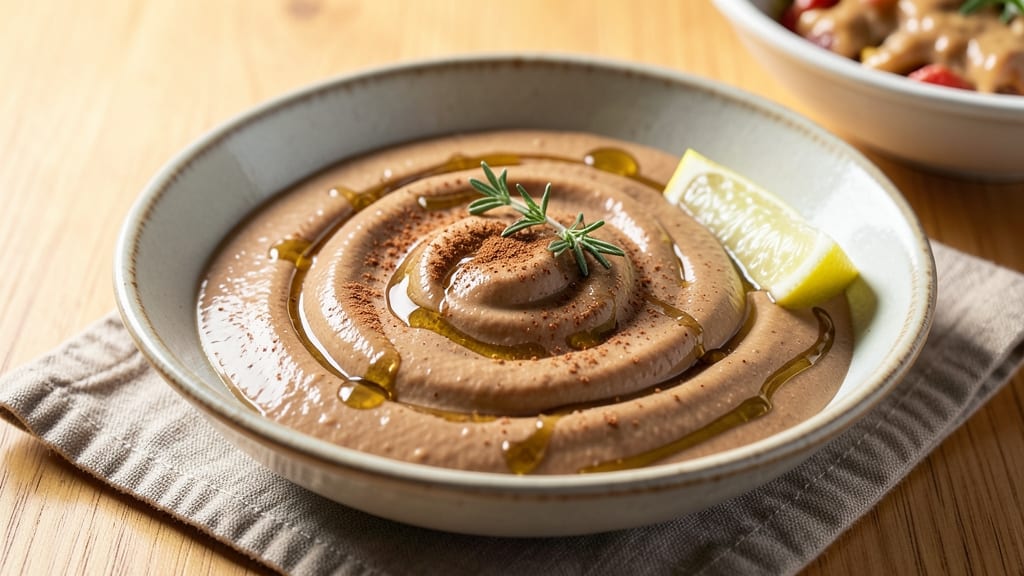
This almond butter sauce recipe transforms simple pantry staples into a smooth, creamy condiment that’s perfect for drizzling, dipping, or baking. 💛 The secret lies in blending almond butter with plant-based liquids and a touch of acidity to prevent clumping, ensuring a velvety texture every time.
Unlike store-bought versions, this sauce is customizable—sweeten it with maple syrup, brighten it with lemon, or spice it with cinnamon for endless flavor possibilities.
What sets this sauce apart is its versatility—use it as a glaze for roasted vegetables, a dip for fresh fruit, or a drizzle over oatmeal and toast. The recipe avoids common pitfalls like graininess by incorporating a liquid base that emulsifies the almond butter seamlessly.
With just 5 ingredients and 5 minutes of prep, you’ll have a sauce that’s richer than nut butter alone but lighter than heavy cream.
The result is a nutty, velvety sauce that adds depth to both sweet and savory dishes without overpowering them. Store it in the fridge for up to 1 week or freeze for longer shelf life, making it a perfect make-ahead condiment.
Whether you’re vegan, nut-allergy-conscious (if using store-bought almond butter), or simply craving a plant-based upgrade, this sauce delivers restaurant-quality flavor at home.
Pair it with everything from savory roasted Brussels sprouts to decadent chocolate desserts—its adaptability makes it a game-changer for any kitchen. Ready to elevate your meals? Let’s make this sauce.
Ingredients for almond butter sauce
Five simple ingredients blend into velvety almond butter sauce for dipping, drizzling, or baking.
| Ingredient | Amount | Notes |
|---|---|---|
| Creamy Almond Butter 🥜 | 1 cup | Natural, unsweetened preferred |
| Unsweetened Almond Milk 🥛 | ½ cup | Cold for smoother texture |
| Extra-Virgin Olive Oil 🫒 | ¼ cup | Light flavor for balance |
| Pure Maple Syrup 🍯 | 2 tbsp | Grade B for richer flavor |
| Fresh Lemon Juice 🍋 | 1 tbsp | Brightens and prevents clumping |
| Ground Cinnamon 🌿 | ½ tsp | Optional for warmth |
| Vanilla Extract 🌸 | ½ tsp | Pure extract preferred |
| Sea Salt 🧂 | ¼ tsp | Fine grain preferred |
The almond butter is the foundation—natural, unsweetened varieties ensure no hidden sugars or oils that can disrupt the sauce’s texture. Trader Joe’s and Whole Foods carry excellent options, but any brand works if it’s creamy and free of additives. For the almond milk, unsweetened versions prevent clumping, and cold milk blends more smoothly. The olive oil isn’t just fat—it’s the emulsifier that keeps the sauce luscious. Extra-virgin adds subtle fruitiness, while regular olive oil works in a pinch. Maple syrup should be Grade B for its deeper molasses notes, but Grade A is fine for a lighter touch.
No almond milk? Coconut milk or oat milk work equally well—just use the same amount. Swap olive oil for avocado oil if you prefer a neutral taste, but olive oil’s fruitiness complements the almond butter beautifully. Out of maple syrup? Agave nectar or date syrup are seamless substitutes, though maple’s caramel depth is unmatched. The lemon juice is non-negotiable—it’s the acid that prevents clumping and brightens the sauce. Freshly squeezed is ideal, but bottled lemon juice in a squeeze bottle works if you’re in a hurry. Skip the cinnamon if you dislike spice, but it adds warmth that pairs perfectly with roasted vegetables or chocolate desserts.
This sauce thickens as it sits, so stir in a splash of almond milk if it becomes too stiff. Store in an airtight jar in the fridge for up to 1 week, or freeze for 3 months—portion into ice cube trays for easy single-use servings. The sauce reheats beautifully; just microwave for 20-30 seconds, stirring until smooth. For a nut-free version, replace the almond butter with sunflower seed butter, though texture may vary slightly.
Why You'll Love This Recipe
- Five-Ingredient Magic: This sauce comes together with just a whisk and a bowl—no cooking, no fuss. Honestly, I’ve made it while waiting for dinner to bake, and it’s still rich and velvety every time.
- Rich Yet Bright: That first swirl of almond butter and olive oil feels indulgent, but the lemon juice cuts through the richness like a zesty wake-up call. Between us, it’s the kind of balance that makes you pour seconds without guilt.
- Dress-Up Any Dish: Drizzle it over roasted veggies, toss it with noodles, or use it as a dip—it’s my go-to for breakfast bowls or even as a marinade. (Yes, even on a Tuesday night when you’re tired of the same old sauce.)
- Pantry Goldmine: You’re already using ingredients you likely have: almond butter, olive oil, and maple syrup. No specialty shopping, no wasted leftovers—just a jar of sauce that lasts for days and costs pennies per serving.
Step-by-step instructions for almond butter sauce
This method guarantees silky-smooth almond butter sauce with no lumps or separation.
🍳 Step 1: Warm the Almond Butter and Milk
Place the 1 cup creamy almond butter in a medium saucepan over low heat. Add the 0.5 cup unsweetened almond milk and stir constantly with a silicone spatula. Keep the heat at low—you're just gently warming, not cooking. The mixture should begin to bubble softly after 2-3 minutes.
Here's the thing—warming the almond butter first prevents clumping. If you add cold milk to room-temperature almond butter, you risk creating a grainy texture. Watch for the mixture to reach 110-115°F on an instant-read thermometer—this is the perfect temperature to prevent separation while ensuring smoothness.
🍳 Step 2: Incorporate the Olive Oil and Maple Syrup
Remove the saucepan from heat and let it cool for 1 minute. Then slowly drizzle in the 0.25 cup extra-virgin olive oil while whisking vigorously. This prevents the sauce from breaking. Add the 2 tbsp pure maple syrup and whisk until fully combined.
The olive oil acts as an emulsifier here, binding the fat from the almond butter with the liquid components. If you add it too quickly, you'll get a split sauce. Return the pan to low heat and stir for another 1-2 minutes until the mixture is completely smooth and homogeneous.
🍳 Step 3: Add the Acid and Seasonings
Remove the saucepan from heat again and stir in the 1 tbsp fresh lemon juice, 0.5 tsp vanilla extract, 0.5 tsp ground cinnamon, and 0.25 tsp sea salt. The lemon juice is critical—it brightens the flavor and prevents the sauce from becoming too rich. Taste and adjust seasoning if needed.
At this stage, the sauce should be thick but still pourable. If it's too thick, whisk in 1-2 tablespoons of hot water to reach your desired consistency. For a glossier finish, you can strain the sauce through a fine-mesh sieve to remove any remaining texture.
⏰ Step 4: Finish and Serve Warm
Return the sauce to low heat and let it simmer gently for 2-3 minutes to meld all the flavors together. The sauce should be warm but not hot—you don't want to cook out the delicate vanilla or lemon notes. Taste again and adjust seasoning if necessary.
Serve the sauce immediately over pancakes, waffles, or fruit, or drizzle it over toasted bagels. For best results, use it within 4 hours of making it. If storing, transfer to an airtight container and refrigerate for up to 5 days. Reheat gently over low heat, adding a splash of almond milk if needed to restore smoothness.
Pro Tips For Making Almond Butter Sauce
- WHISK ALMOND BUTTER FIRST: I learned this the hard way—dumping almond butter straight into hot liquid makes it seize up like glue. Instead, mix it with a splash of almond milk (about 2 tablespoons) in a separate bowl until smooth, then slowly stream it into the warm sauce. This prevents clumps and keeps the texture velvety.
- USE ROOM-TEMP ALMOND MILK: Cold almond milk curdles when heated, turning your sauce grainy. Grab the carton from the fridge 10 minutes before using, or pour it into a glass and let it sit. Trust me, your sauce will thank you—no one wants to scrape lumps off their spoon.
- STOP AT 165°F: This sauce is about balance, not heat. Once it hits 165°F, the olive oil starts to break, and the maple syrup burns. Use a thermometer and pull it off heat just before it reaches that mark—then finish with lemon juice and olive oil to brighten the flavor.
- LEMON JUICE LAST: Add lemon juice after everything else is off the heat. The acid reacts with the heat, making the sauce taste flat or even slightly metallic. Stir it in at the end—it’s the finishing touch that makes this sauce pop, not the base.
Creative variations of this almond butter sauce
Sweet & Savory Twist
Add ½ tsp smoked paprika and ¼ tsp cayenne pepper for a smoky-sweet variation that works beautifully with roasted sweet potatoes or grilled corn. The heat balances the richness of the almond butter while the paprika adds depth that pairs perfectly with savory dishes.
I love using this version as a glaze for baked chicken or as a dip for crispy fries. 🌶️
Chocolate-Dipped Version
Stir in 2 tbsp unsweetened cocoa powder and an extra 1 tbsp maple syrup for a decadent sauce that’s perfect for drizzling over ice cream, brownies, or fresh strawberries. For extra richness, add 1 tbsp coconut cream—this creates a fudgy texture that’s irresistible.
This variation is my go-to dessert sauce, especially during holidays when I crave something indulgent but still plant-based. 🍫
Herb-Infused Savory Sauce
Swap the cinnamon for 1 tsp dried thyme and ½ tsp garlic powder, then add 1 tbsp apple cider vinegar instead of lemon juice. This herby version is perfect for drizzling over roasted Brussels sprouts, mashed sweet potatoes, or even as a marinade for tofu.
The vinegar adds brightness that cuts through the richness, making it a fantastic savory option. 🌿
Spiced Orange Glaze
Zest and juice 1 small orange (about 2 tbsp juice) and add ¼ tsp ground ginger to the base recipe. This citrusy, spiced variation is ideal for glazing roasted vegetables like carrots or beets, or as a drizzle for Asian-inspired dishes like rice bowls.
The orange zest adds a beautiful pop of color while the ginger gives it a warm, aromatic kick. 🍊
Peanut-Almond Fusion
Mix ½ cup almond butter with ½ cup creamy peanut butter and reduce the almond milk to ¼ cup. This fusion sauce has a deeper, nuttier flavor that works wonderfully with satay-style dishes or as a dip for spring rolls.
The peanut butter adds a toasty richness that complements the almond butter’s smoothness perfectly. 🥜🥜
Coffee-Enhanced Version
Add 1 tsp instant coffee granules (dissolved in the almond milk) and a pinch of cinnamon for a mocha-inspired sauce. This is my secret weapon for drizzling over vanilla ice cream or as a glaze for chocolate-dipped fruits.
The coffee deepens the flavor profile, making it feel like a gourmet dessert sauce without any actual chocolate. ☕
Nutrition facts
Frequently asked questions
Why does my almond butter sauce get grainy?
The most common cause is adding cold liquids to room-temperature almond butter. Always warm the almond butter first to 110-115°F before mixing with liquids. The lemon juice also helps prevent clumping by breaking down proteins in the almond butter. If it still happens, whisk in 1 tbsp hot water to restore smoothness.
Can I make this sauce without olive oil?
Yes! Replace the olive oil with 2 tbsp melted coconut oil or 1 tbsp tahini for a similar creamy texture. Avocado oil works too, though it has a neutral flavor. The key is using a fat to emulsify the almond butter—just ensure your substitute has a similar viscosity.
How do I adjust the thickness of the sauce?
If your sauce is too thick, whisk in 1-2 tbsp hot water or almond milk to loosen it. For a thicker consistency, simmer uncovered for 2-3 minutes to evaporate excess moisture. The sauce will naturally thicken as it cools, so adjust while warm for immediate use.
Is this sauce vegan-friendly?
This recipe uses only plant-based ingredients: almond butter, almond milk, olive oil, and natural sweeteners. Always check your almond butter label to ensure it's made in a facility free from dairy/eggs if you have allergies. The vanilla extract should also be vegan-certified.
Can I use this sauce in savory dishes?
Yes! Swap the cinnamon for 1 tsp dried thyme and ½ tsp garlic powder, then add 1 tbsp apple cider vinegar instead of lemon juice. This herby version works beautifully as a glaze for roasted vegetables or a marinade for tofu. The acidity balances the richness perfectly.