
Sauces & Condiments
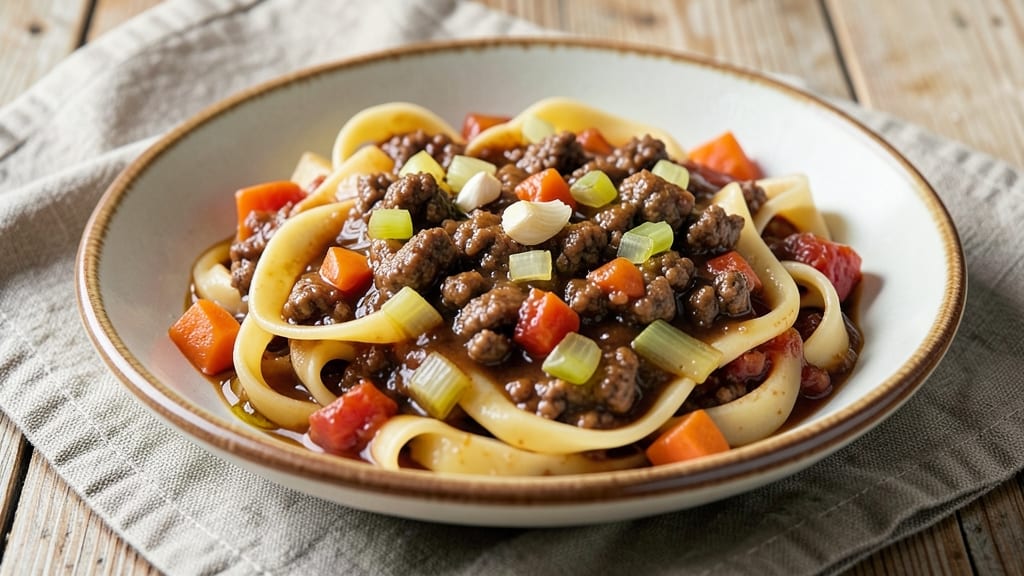
This amazing Bolognese sauce recipe transforms simple ingredients into a rich, slow-simmered masterpiece that tastes like it's been simmering all day—even if it only takes a few hours.
The secret lies in layering flavors: caramelized onions and garlic, deep umami from ground beef, and a touch of red wine that mellows into something velvety. I’ve perfected this version to be foolproof, with a balance of meaty richness and tangy tomato depth that clings to every noodle.
What sets this sauce apart is the slow simmering—it’s where the magic happens. The meat cooks until tender, the tomatoes reduce to a thick, glossy consistency, and the wine’s sharpness softens into complexity.
You’ll need just a few pantry staples: ground beef, canned tomatoes, wine, and broth, but the result is restaurant-quality. The sauce thickens beautifully over time, making it even better the next day.
By the time you’re done, you’ll have a deeply flavorful sauce that’s perfect for twirling onto al dente pasta, spooning over polenta, or even using as a hearty filling for lasagna.
The aroma alone will have everyone gathering at the table—it’s that good. Plus, it keeps well in the fridge for up to a week or freezes beautifully for future meals.
Ready to make something special? This sauce is your ticket to homemade Italian comfort food that tastes like it came from a trattoria. Let’s get cooking!
Ingredients for amazing bolognese sauce
Pantry staples plus a few fresh aromatics—this sauce builds flavor as it simmers.
| Ingredient | Amount | Notes |
|---|---|---|
| Ground Beef 🥩 | 1 ½ lb | 80% lean for best flavor |
| Yellow Onions 🧅 | 2 whole | Medium-sized, finely chopped |
| Garlic Cloves 🧄 | 4 cloves | Peeled and minced |
| Carrots 🥕 | 2 whole | Medium-sized, finely diced |
| Celery Stalks 🥬 | 2 whole | Finely chopped, leafy parts removed |
| Canned Crushed Tomatoes 🍅 | 2 cans | 28 oz each, San Marzano preferred |
| Red Wine 🍷 | ½ cup | Dry, bold variety like Cabernet |
| Beef Broth 💧 | 2 cups | Low-sodium preferred |
| Tomato Paste 🍅 | 2 tbsp | Smooth, not chunky |
| Dried Oregano 🌿 | 1 tsp | Italian or Mediterranean blend |
| Bay Leaves 🍃 | 2 whole | Fresh preferred |
| Salt 🧂 | 1 ½ tsp | Kosher or sea salt |
| Black Pepper 🌶️ | ½ tsp | Freshly ground |
| Olive Oil 🫒 | 2 tbsp | Extra-virgin for richness |
The beef is non-negotiable—80% lean gives you that meaty richness without too much fat. Costco or local butcher shops usually have the best prices for bulk ground beef, but any grocery store should carry it. If you can't find 80% lean, 75% is fine. The San Marzano canned tomatoes make a huge difference—they're sweeter and less acidic than regular canned tomatoes. I always grab a few extra cans because they're worth it. For the aromatics, fresh garlic and onions are a must, but if you're in a pinch, frozen chopped onions work in a squeeze (just thaw first).
No red wine? Beef broth with a splash of balsamic vinegar works in a bind. The tomato paste can be swapped for 1/4 cup extra crushed tomatoes if you're really short on time. Dried oregano is better than none, but fresh basil at the end adds brightness if you've got it. The celery adds depth—skip it only if you're really pressed. For the broth, low-sodium is key so you don't end up with a salty sauce. If you accidentally grab regular, just reduce the added salt. The olive oil matters too—extra-virgin has more flavor than regular cooking oil, and it's worth the splurge for this sauce.
This sauce tastes even better the next day—make it ahead if possible. Keeps for 5-6 days in the fridge, or 3 months frozen. I like to portion it into ziplock bags with a splash of pasta water to keep it from drying out. For serving, just reheat gently and stir in a little pasta water if it's too thick. The longer it simmers, the deeper the flavors get—don't rush it. And if you have leftovers, freeze half right away for future meals.
Why You'll Love This Recipe
- No-Sweat Prep: I swear by the "sofrito shortcut"—just dice the onions, carrots, and celery once, toss them in the pot, and let the beef brown while they simmer. No fancy knife skills, no stress.
- Rich Umami Bomb: That slow-cooked beef with garlic and onions? It develops layers of deep, savory flavor—like a hug in a bowl. Honestly, the carrots and celery add sweetness that balances the richness perfectly.
- Leftovers That Shine: This sauce only gets better the next day. I make a double batch on Sundays, freeze half, and pull it out for lazy nights—just reheat with a splash of water, and it’s restaurant-quality again.
- Budget-Friendly Staple: Ground beef, veggies, and pantry spices? This is my go-to for feeding the family without breaking the bank. Plus, the sauce stretches easily—perfect for pasta, sandwiches, or even stuffed peppers.
Step-by-step instructions for slow-simmered bolognese sauce
Here's how to craft a deeply flavorful bolognese that builds rich umami through patience and technique.
🍳 Step 1: Build the Flavor Base with Olive Oil and Aromatics
Heat the 2 tbsp olive oil in a large, heavy-bottomed pot over medium heat. Once shimmering but not smoking, add the 2 whole yellow onions, 2 whole carrots, and 2 whole celery stalks—this classic combination is called soffritto and forms the sauce's foundation. Cook for 8-10 minutes, stirring occasionally, until the vegetables soften and the onions turn translucent.
Add the 4 cloves garlic cloves and 2 tbsp tomato paste, stirring constantly for 2 minutes until fragrant. The tomato paste will deepen the sauce's color and add concentrated tomato flavor. Real talk: don't rush this step—properly developed aromatics make all the difference in that final umami punch.
🍳 Step 2: Brown the Ground Beef for Maximum Flavor
Increase heat to medium-high and add the 1.5 lb ground beef, breaking it up with a wooden spoon. Cook for 6-8 minutes until the beef loses its raw color and browns deeply—this browning reaction creates the meaty depth we're after. I press down gently with the spoon during the first minute to ensure even contact with the pan.
Once browned, drain excess fat if needed (leave about 1 tbsp for flavor), then add the 0.5 cup red wine. Let it simmer for 3-4 minutes until mostly evaporated, scraping up any browned bits from the bottom. This deglazing step captures all that concentrated beef flavor that would otherwise disappear down the drain.
🥘 Step 3: Simmer with Tomatoes and Broth for Depth
Pour in the 2 cans crushed tomatoes and 2 cups beef broth, then add the 1.5 tsp salt, 0.5 tsp black pepper, 1 tsp dried oregano, and 2 whole bay leaves. Stir well to combine, then reduce heat to low—this sauce needs time to develop its complexity. Let it simmer uncovered for 1 hour, stirring occasionally, until the liquid reduces by about one-third. You'll see the sauce thicken and darken as it develops its signature richness.
Here's the thing—don't walk away. Stir every 10-15 minutes to prevent sticking and ensure even cooking. The sauce should coat the back of a spoon by the end of this time, with the vegetables completely tender and the meat fully cooked through.
⏰ Step 4: Rest and Refine the Sauce
Once the sauce reaches your desired consistency (typically 1½ to 2 hours total cooking time), remove the bay leaves and adjust seasoning if needed. For best results, let the sauce rest for 15-20 minutes off the heat—this allows flavors to meld and the sauce to thicken further. The resting period is crucial for developing that restaurant-quality depth.
For serving, you can use the sauce immediately over pasta or store it in an airtight container in the refrigerator for up to 5 days (or freeze for 3 months). The flavors actually improve with time, so don't hesitate to make extra. This bolognese delivers that perfect balance of meaty richness, tomato sweetness, and herbal complexity that makes it truly amazing.
Pro Tips For Making Amazing Bolognese Sauce
- Sear the Beef Properly: I learned this the hard way—skipping the sear means bland, greasy bolognese. Break the ground beef into chunks first, then cook it in batches over medium-high heat until deeply browned (not just pink). That crust locks in flavor and prevents a mushy sauce later.
- Sweat, Don’t Sauté, the Veggies: Chop onions, carrots, and celery into tiny dice—think "rice-sized" or smaller. Cook them low and slow with a pinch of salt until fully softened (10-12 minutes), not crisp. This builds the sauce’s base without burning, and you’ll barely notice the veggies later—just flavor.
- Deglaze with Wine (Skip Water): After browning the meat, pour in that half-cup of red wine and let it bubble hard for 2 minutes. Scrape every last bit from the pan—this dissolves the flavor bombs stuck to the bottom. Water works, but wine adds depth without extra effort.
- Simmer Slow and Covered: Once everything’s combined, crank the heat to high, then immediately reduce to a low simmer. Cover the pot and walk away for at least 45 minutes (yes, even if the sauce looks thin). This lets the flavors meld and the meat tenderize—no peeking or stirring constantly.
Serving suggestions for this recipe
Classic Pasta Pairings
This rich sauce is a match made in heaven with tagliatelle or fettuccine—the broad, flat noodles cradle the sauce beautifully. I like to cook 1 lb pasta (about 2 servings) in salted boiling water until al dente (check package for timing, usually 8-10 minutes).
Reserve ½ cup pasta water before draining—it's liquid gold for adjusting sauce consistency later. 🍝
For a heartier option, try pappardelle or pici (thick Tuscan noodles). The wider surface area makes every bite saucy and satisfying. If you're feeling adventurous, toss the sauce with farfalle or penne for a fun twist on presentation.
Remember: the sauce should coat the noodles but not be drowned—add a splash of reserved pasta water if needed.
Polenta and Risotto
Creamy polenta transforms this sauce into a comforting meal. Cook 1 cup polenta in 4 cups boiling water for 15-20 minutes, stirring constantly, until thick and creamy.
Spoon the warm polenta onto plates and top generously with bolognese. The contrast of creamy polenta and rich sauce is pure Italian comfort food. 🥣
For risotto lovers, use the sauce as a finishing touch. Cook 1 cup Arborio rice in 4 cups beef broth, stirring frequently until creamy. Stir in ½ cup bolognese at the end for a risotto alla bolognese with deep umami flavor.
Garnish with grated Parmesan and fresh basil for brightness.
Stuffed Pasta and Lasagna
This sauce is the star of lasagna—layer it with no-boil lasagna noodles, ricotta, and mozzarella for a showstopper. I recommend 4-5 layers with sauce between each for maximum flavor.
Bake at 375°F for 25-30 minutes until bubbly and golden. The slow-cooked sauce keeps the lasagna moist and flavorful for days. 🧀
For stuffed pasta, like ravioli or manicotti, use the sauce as both filling and topping. Spoon ½ cup sauce into each ravioli before folding, then bake with additional sauce on top.
The double dose of flavor makes every bite irresistible. For manicotti, spread ¼ cup sauce on each sheet before rolling and baking.
Meat and Bread Pairings
Use the sauce as a topping for grilled meats—brush it on steak or chicken breast before grilling for a Bolognese-glazed finish. The meat absorbs the sauce beautifully, adding moisture and depth. I love this on ribeye steak grilled to medium-rare (130°F internal temp). 🥩
For a quick appetizer, serve the sauce warm with garlic bread or bruschetta. Toast baguette slices until crisp, rub with a garlic clove, and top with sauce and grated Parmesan. The crunchy bread contrasts perfectly with the silky sauce.
Freezer-Friendly Meal Prep
Make a double batch and freeze half for future meals. Portion the sauce into ziplock bags or airtight containers, leaving 1 inch headspace for expansion. Label with the date—it keeps for 3 months in the freezer. Thaw overnight in the fridge before reheating. 🧊
For freezer lasagna, assemble the dish, wrap tightly in plastic wrap, then foil, and freeze before baking. Bake straight from frozen at 375°F for 50-60 minutes. The sauce maintains its richness even after freezing, making it perfect for busy weeknights.
Nutrition facts
Frequently asked questions
Can I make this Bolognese with ground turkey or chicken instead of beef?
Yes, but expect a lighter flavor profile. Ground turkey works well—just use 85% lean to maintain moisture, and add 1 tbsp olive oil to the pan to prevent drying. For chicken, use 93% lean ground chicken and reduce simmering time to 45-60 minutes since it cooks faster. The sauce will still be delicious but less rich.
How do I fix Bolognese that's too thin or too thick?
For thin sauce, simmer uncovered for 15-20 more minutes to reduce. If still too thin, mix 1 tbsp cornstarch with 2 tbsp water, stir into the sauce, and cook for 3-5 minutes until thickened. For thick sauce, stir in 2-3 tbsp reserved pasta water or beef broth while heating. Always adjust gradually!
Why does my Bolognese taste bland? What am I missing?
Most likely, you didn't develop the flavors long enough. Bolognese needs at least 1.5 hours of simmering to build depth. Double-check your seasoning—add ½ tsp more salt or a pinch of red pepper flakes if needed. Also ensure you browned the meat well and deglazed with wine. A splash of balsamic vinegar at the end adds complexity.
Can I make this vegetarian or vegan?
Replace the beef with 1 lb mushrooms (cremini or portobello) and ½ cup lentils or walnuts for texture. Use vegetable broth and swap wine for red wine vinegar. Add 1 tsp soy sauce for umami. The sauce will still be rich but with a different depth.
How do I store and reheat leftovers?
Store in an airtight container in the fridge for 5-6 days or freeze for 3 months. To reheat, warm gently on the stove over low heat with a splash of water or broth. Never microwave directly—it can make the sauce watery. For frozen sauce, thaw overnight in the fridge first.