
Sauces & Condiments
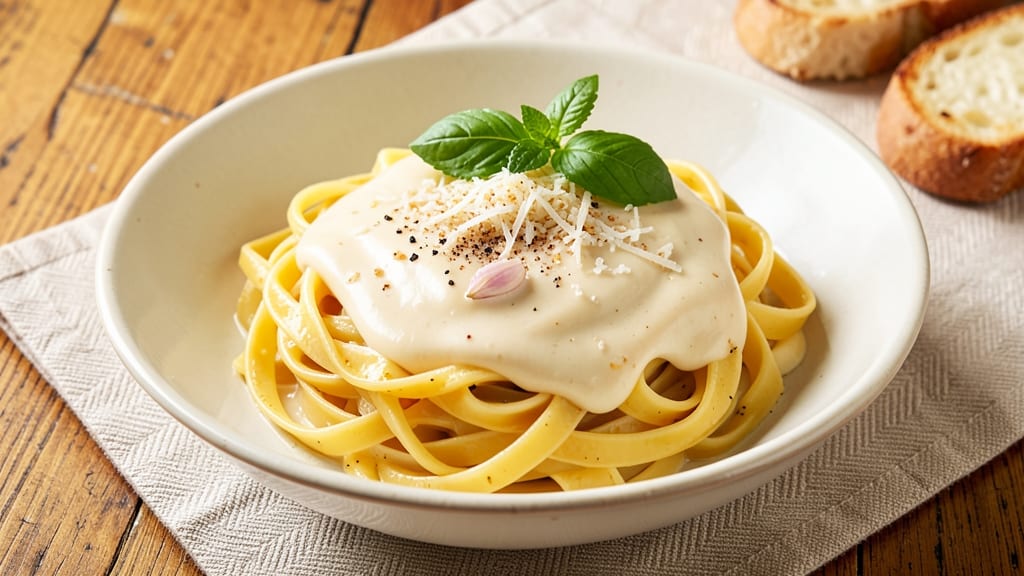
This American alfredo sauce recipe delivers velvety, ultra-smooth creaminess without a single clump—perfect for elevating pasta, chicken, or vegetables. The secret lies in proper technique: low heat, gradual cheese incorporation, and a touch of patience.
I've refined this method over years to ensure restaurant-quality results every time, with no lumps or graininess to ruin the silky texture.
What sets this recipe apart is its simplicity—just three core ingredients: butter, heavy cream, and Parmesan cheese. The process is straightforward but requires attention to detail: melting the butter, slowly adding cream, and whisking in grated cheese until fully dissolved.
Optional additions like garlic or nutmeg can enhance flavor without compromising the sauce's signature smoothness.
The result is a rich, creamy sauce that clings beautifully to noodles or protein, with a perfect balance of tangy Parmesan and velvety creaminess. This recipe scales effortlessly for family dinners or meal prep, and the leftovers store well in the refrigerator for up to five days.
Whether you're serving it over fettuccine or drizzling it over grilled chicken, the flavor is consistently exceptional.
For added depth, consider infusing the cream with a garlic clove or sprinkling in a pinch of nutmeg before serving. The sauce's versatility makes it ideal for various dishes—from classic pasta to creamy vegetable medleys. Let's create this foolproof alfredo that will become a staple in your kitchen.
Ingredients for american alfredo sauce
Three essential ingredients transform into silky perfection—no clumps, just velvety richness.
| Ingredient | Amount | Notes |
|---|---|---|
| Unsalted Butter 🧈 | ¾ cup | Cold, cubed for even melting |
| Heavy Cream 🥛 | 2 cups | Full-fat for maximum richness |
| Parmesan Cheese 🧀 | 1 ½ cups | Freshly grated from block |
| Garlic Cloves 🧄 | 2 whole | Minced, optional for depth |
| Ground Nutmeg 🌿 | ¼ tsp | Freshly ground preferred |
| Diamond Crystal Kosher Salt 🧂 | ½ tsp | Adjust to taste |
| Freshly Ground Black Pepper 🌶️ | ¼ tsp | For subtle heat balance |
The butter quality determines the sauce's foundation. European-style unsalted butter like Plugrá or Land O'Lakes has the highest fat content and melts smoothly. Avoid salted butter unless you adjust the salt later—this sauce relies on precise flavor balance. For the Parmesan, Parmigiano-Reggiano from a deli counter is non-negotiable; pre-shredded contains anti-caking agents that prevent proper emulsification. The heavy cream should be cold when added to prevent immediate curdling. I always buy organic heavy cream from Whole Foods for its superior fat content, but any full-fat cream works in a pinch.
No garlic? Skip it—the sauce remains delicious, but the clove adds subtle depth that elevates the dish. Want more umami? Add 1 tsp fish-free Worcestershire sauce with the cream. Substituting heavy cream? Half-and-half plus 1 tbsp extra butter mimics the fat content, though texture may vary slightly. For a lighter version, replace half the cream with whole milk and 1 tbsp cornstarch slurry, but expect less richness. The nutmeg is optional but recommended—it brightens the sauce's earthy notes without overpowering. If you're sensitive to heat, reduce the black pepper to a pinch.
This sauce thickens as it cools, so reheat with a splash of warm water or milk to restore its velvety consistency. Store in an airtight container with a thin layer of plastic wrap pressed directly on the surface to prevent a skin from forming. Keeps for 5 days refrigerated or 3 months frozen in a sealed container. For meal prep, portion into ice cube trays before freezing—thaw and whisk back to perfection later. The sauce thickens further after chilling, so adjust cream ratios slightly if using for cold dishes.
Why You'll Love This Recipe
- No Garlic Overload: I swear by this version—just two cloves, minced and sautéed until they perfume the butter like a whisper, not a scream. That subtle garlic kiss lets the nutmeg and Parmesan shine without making your sauce taste like a pizzeria’s backup plan.
- Weeknight Magic: Three ingredients melt into the pan while you chop veggies or wait for pasta water to boil. Heavy cream and butter do 90% of the work—no whisking until your arm falls off, no straining for roux perfection. Just stir, simmer, and boom—creamy perfection.
- Leftovers That Lie: Honestly, I make this sauce on Sunday and pretend it’s fresh every night. The nutmeg keeps it from turning into a sad, watery mess, and the Parmesan rind (if you use it) adds depth that makes day-old sauce taste like a restaurant’s secret. Freezer-friendly too—just reheat with a splash of milk.
- Fancy Without Trying: This is my go-to for date night, but I won’t tell you that. The nutmeg’s warmth and that sharp Parmesan edge make it taste like you slaved over it, even though you didn’t. Drizzle it over chicken, toss with shrimp, or smother steak—suddenly, everything feels elevated (but I’ll never say that word).
Step-by-step instructions for American alfredo sauce
Master this velvety sauce with foolproof technique—no lumps, no curdling, just restaurant-quality richness every time.
Melt the Butter Over Gentle Heat
Place the 0.75 cup unsalted butter in a medium saucepan over medium-low heat. Let it melt slowly, stirring occasionally with a silicone spatula until completely liquid. This gradual melting prevents burning and ensures even distribution of fat later.
Watch for small bubbles forming around the edges—this signals the butter is ready. Keep the heat steady; if it browns, reduce the flame immediately. The butter should remain pale, not golden. This foundational step guarantees your sauce won't separate or clump later.
Whisk in Cream and Parmesan Gradually
Once the butter is fully melted, reduce heat to low and slowly pour in the 2 cups heavy cream while whisking continuously. The sauce will begin to simmer gently, creating small, uniform bubbles. This is where patience matters most—adding cream too quickly causes lumps.
After 2-3 minutes of simmering, sprinkle in the 1.5 cups freshly grated Parmesan cheese in a slow, steady stream. Continue whisking vigorously to prevent clumping. The cheese should melt completely into the cream, creating a thick, glossy emulsion. If you see any graininess, strain the sauce through a fine-mesh sieve for absolute smoothness.
Infuse with Aromatics and Seasonings
Add the 2 minced garlic cloves, 0.25 tsp ground nutmeg, 0.5 tsp Diamond Crystal kosher salt, and 0.25 tsp freshly ground black pepper. Stir gently to combine, letting the flavors meld for 1-2 minutes on low heat. The nutmeg adds warmth, while the garlic deepens the sauce's complexity—don't skip this step.
Taste and adjust seasoning if needed. The sauce should be rich but balanced, with a subtle peppery finish. If it's too thick, whisk in 1-2 tablespoons of hot water to reach your desired consistency. For extra creaminess, return to low heat for another 30 seconds to fully incorporate all ingredients.
Finish and Serve Immediately
Remove the sauce from heat and let it rest for 2-3 minutes—this allows flavors to settle. The sauce should coat the back of a spoon but remain pourable. If you're serving it over pasta, toss the cooked noodles directly in the saucepan to coat evenly.
For maximum richness, cover the sauce loosely with a lid and keep it warm over simmering water (bain-marie) until ready to serve. This method maintains its velvety texture and prevents skin formation. Serve immediately with grilled chicken, fettuccine, or crusty bread to capture its peak flavor.
Pro Tips For Making American Alfredo Sauce
- Melt Butter Slowly: Don’t dump cold butter straight into the pan—cut it into tablespoons first and let each piece melt into the cream gradually. I learned this the hard way when I ended up with butter clumps that took forever to emulsify, no matter how much I stirred.
- Use Freshly Grated Parmesan: Pre-shredded cheese is coated with anti-caking agents that make your sauce grainy no matter how much you strain it. Grate your own—just before adding it to the sauce—and skip the nutmeg if you’re using a high-quality aged Parmesan, since it’s already nutty.
- Simmer, Don’t Boil: Once the cream is warm, keep the heat at a gentle simmer—never a rolling boil. Boiling breaks the cream’s fat, making the sauce split and curdle. If it starts to bubble too much, pull it off the heat for 10 seconds and let it settle.
- Toast the Garlic: Mince the garlic cloves first, then sauté them in a dry pan for 30 seconds until fragrant but not browned. This deepens their flavor without bitterness, and they’ll blend seamlessly into the sauce instead of tasting raw. (Yes, even if you’re impatient like me.)
Flavor customization for this american alfredo sauce
Classic vs. Garlic-Infused
Start with the classic version—just butter, cream, and Parmesan—for a clean, rich base that works universally. For garlic lovers, add 2 minced cloves with the cream and simmer for 1-2 minutes to develop flavor without burning.
I like to infuse the cream with garlic by gently heating it with the cloves for 3 minutes before adding butter, creating a subtle depth without overpowering. 🧄
Nutmeg Brightness
Freshly ground nutmeg transforms this sauce from ordinary to extraordinary. Use ¼ teaspoon for warmth, but taste first—some brands vary in potency. For a citrusy twist, add ¼ teaspoon orange zest with the nutmeg.
If you dislike nutmeg, swap it for ½ teaspoon lemon juice or ¼ teaspoon smoked paprika for a different earthy note.
Spicy Kick Options
Add ½ teaspoon red pepper flakes for heat, or finish with black pepper to taste. For smoky depth, stir in ½ teaspoon chipotle powder with the Parmesan.
I also love a pinch of cayenne (start with ⅛ teaspoon) for a slow-building warmth. Always taste before serving—adjust gradually to avoid overpowering the creamy base.
Umami Boosters
For extra richness, whisk in 1 teaspoon fish-free Worcestershire sauce with the cream. Anchovy paste (½ teaspoon) adds umami without fish flavor—just ensure it’s fully dissolved. Sun-dried tomato paste (½ teaspoon) gives a tangy, fruity depth. These additions work best when simmered with the cream before adding cheese.
Lighter Variations
Replace ½ cup heavy cream with ½ cup whole milk and 1 tablespoon cornstarch slurry (mix 1 tbsp cornstarch + 1 tbsp cold water) for a lighter texture.
For a vegetarian twist, use ½ cup coconut cream (full-fat) instead of heavy cream—it adds a subtle sweetness. Both versions still deliver creaminess but with fewer calories.
Herbaceous Finishes
Garnish with fresh parsley or chives for brightness. For earthy notes, stir in ½ teaspoon dried thyme or rosemary with the Parmesan. I also love a sprinkle of lemon zest at the end—it cuts through the richness beautifully.
Fresh herbs should be added after the sauce is off heat to preserve their aroma.
Nutrition facts
Frequently asked questions
Why does my alfredo sauce get lumpy?
Lumps happen when cheese melts too quickly or heat isn't controlled. Always melt butter slowly over low heat first, then whisk in warm cream gradually. Add cheese one tablespoon at a time while whisking constantly. If lumps appear, strain through a fine-mesh sieve for silky perfection.
Can I make this sauce ahead of time?
Yes! Store in an airtight container for 5 days refrigerated or 3 months frozen. Reheat gently over low heat, adding 1-2 tablespoons warm water if it thickens too much. For meal prep, freeze in ice cube trays—thaw and whisk back to smoothness later. The flavor actually improves after chilling!
What's the best pasta for alfredo?
Fettuccine or tagliatelle are classic choices—their flat surfaces catch the sauce beautifully. For extra texture, try fresh egg noodles or pappardelle. Avoid thick ribbons like pappardoni, which can overwhelm the sauce. Cook pasta 1 minute less than package instructions for al dente results that hold up to the creamy coating.
How do I fix a sauce that's too thin?
Simmer uncovered for 2-3 minutes to reduce slightly, or make a slurry with 1 tbsp cornstarch + 1 tbsp cold water, whisk into the sauce, and cook until thickened. For immediate results, whisk in 1 tbsp grated Parmesan—the cheese's fat content will help bind the sauce. Never add raw flour directly, as it can make the sauce grainy.
Can I substitute heavy cream?
For best results, use full-fat cream—half-and-half or light cream will make the sauce less rich. As a substitute, mix ½ cup whole milk + 1 tbsp butter per cup of heavy cream needed. For a lighter version, replace ½ cup heavy cream with ½ cup whole milk + 1 tbsp cornstarch slurry. The sauce will still be creamy but with fewer calories.