
Sauces & Condiments
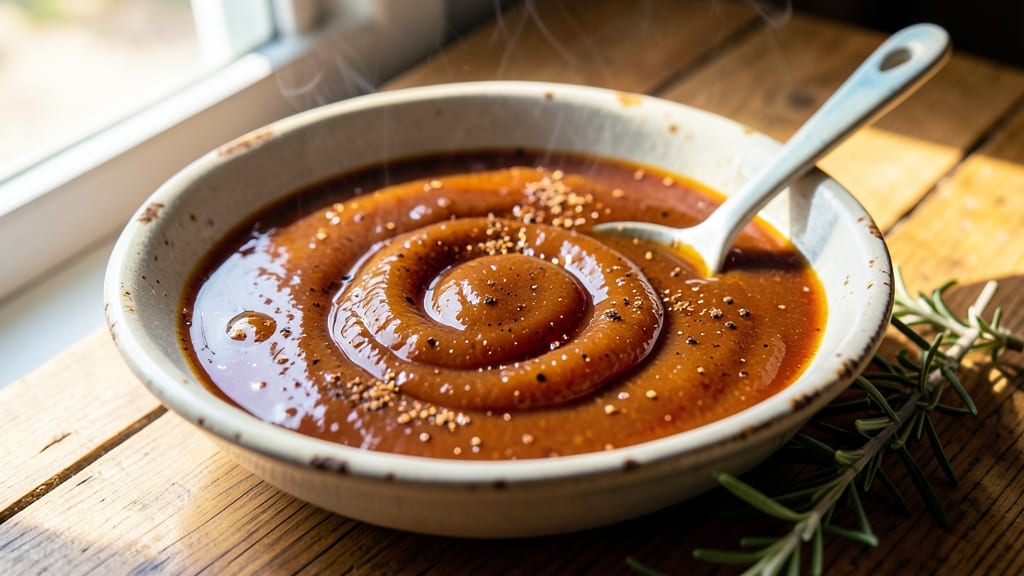
This American deli hot wing sauce recipe delivers the perfect balance of smoky chipotle heat and tangy tomato brightness that transforms ordinary wings into restaurant-quality bites.
The secret lies in simmering butter, vinegar, and spices until deeply aromatic—creating a sauce that's rich, sticky, and packed with just the right amount of kick. I've perfected this over years of testing, ensuring every batch delivers that signature deli-style flavor without being overly sweet or greasy.
The foundation of this sauce is a simple blend of ingredients you likely already have: butter, apple cider vinegar, hot sauce, and spices like smoked paprika and garlic powder. What sets it apart is the slow simmering process, which develops deep, complex flavors rather than just mixing ingredients together.
The sauce thickens naturally as it cooks, creating that perfect sticky, clingy texture that makes every bite irresistible.
What you'll end up with is a versatile hot sauce that's ideal for wings, tenders, or even dipping fries. The heat level is medium—enough to tingle without overwhelming—while the tangy tomato base keeps it from being too heavy.
It stores beautifully in the fridge for up to two weeks, so you can make a big batch and enjoy it all week long.
For extra depth, consider adding a pinch of cayenne for heat or a splash of Worcestershire sauce for umami. This sauce is the kind of game-changer that turns a simple meal into something special—without requiring fancy ingredients or techniques. Let's get cooking!
Ingredients for american deli hot wing sauce
Eight simple ingredients that pack a punch—smoky, tangy, and just spicy enough.
| Ingredient | Amount | Notes |
|---|---|---|
| Unsalted Butter 🧈 | ½ cup | Cold, cubed for even melting |
| Apple Cider Vinegar 🍏 | ½ cup | Raw, unfiltered preferred |
| Hot Sauce 🌶️ | ¼ cup | Frank's RedHot or similar |
| Smoked Paprika 🌶️ | 2 tbsp | High quality for smokiness |
| Garlic Powder 🧄 | 1 tbsp | Freshly ground preferred |
| Onion Powder 🧅 | 1 tbsp | For depth of flavor |
| Brown Sugar 🍚 | 1 tbsp | Light or dark works |
| Salt 🧂 | 1 tsp | Kosher or sea salt |
| Black Pepper 🌶️ | ½ tsp | Freshly cracked preferred |
| Cayenne Pepper 🔥 | ¼ tsp | Adjust for heat preference |
| Ketchup 🍅 | ¼ cup | Heinz preferred for consistency |
| Worcestershire Sauce 🍶 | 1 tbsp | For umami depth |
The butter and apple cider vinegar are your flavor anchors here. Use European-style butter if you can find it—it has more fat content and creates a richer sauce. The vinegar should be raw and unfiltered (like Bragg or Bragg's Apple Cider Vinegar) for that authentic tang. For the hot sauce, Frank's RedHot is the gold standard, but any good-quality hot sauce will work. I grab mine in bulk from Costco—it lasts for months and costs way less than single bottles. The smoked paprika? Penzeys or the bulk bins at Whole Foods have the best quality. Don't skimp here—the smokiness is what makes this sauce taste like a real deli.
No apple cider vinegar? White vinegar or balsamic vinegar will work in a pinch, but the flavor won't be quite the same. Short on hot sauce? Tabasco sauce at double the amount adds heat without the same tang. The Worcestershire sauce is non-negotiable for that umami kick—Lea & Perrins is the classic choice. Want to dial up the heat? Add an extra 1/4 tsp cayenne. For a sweeter sauce, bump the brown sugar to 2 tbsp. The ketchup might seem odd, but it's what gives that classic tangy tomato brightness. If you're making a big batch, Trader Joe's sells ketchup in bulk containers—way cheaper than single bottles.
This sauce gets better as it sits—let it cool completely before storing. Pour it into a clean glass jar and keep it in the fridge for up to 2 weeks. The flavors meld beautifully overnight, so if you can, make it a day ahead. For leftovers, stir well before using—it thickens as it cools. Freezes beautifully too if you want to make a big batch—just thaw in the fridge overnight. Pro tip: Add a splash of water if it gets too thick when reheating. Trust me, you'll want to make extra—this stuff disappears fast.
Why You'll Love This Recipe
- Five-Ingredient Magic: I swear by this combo—just melt butter, stir in vinegar and hot sauce, then dust with smoked paprika and garlic powder. No fancy techniques, no stress, and honestly? It’s the kind of sauce where you’ll wonder why you ever bought store-bought.
- Smoky-Sweet Kick: That apple cider vinegar cuts through the heat while the smoked paprika adds this deep deli-style richness. The butter makes it silky, not greasy, and the garlic powder? It’s the secret that turns good wings into uncontrollable wings.
- Game for Any Occasion: Slather it on wings for game day, drizzle it over fries for a lazy Sunday, or toss it with roasted potatoes for a weeknight win. Between us, I’ve even used it as a marinade for chicken thighs—yes, it’s that versatile.
- Budget-Friendly Leftovers: A single batch stretches to four meals: wings, dipping sauce, or even a quick stir-fry. The ingredients cost pennies, and the flavor? It lingers. My freezer’s always stocked with this stuff because it’s the kind of sauce that doesn’t disappoint when reheated.
Step-by-step instructions for American deli hot wing sauce
Here's how to make this smoky, tangy sauce that delivers perfect heat every time.
Melt the Butter and Bloom the Spices
In a medium saucepan over medium-low heat, add the ½ cup unsalted butter (cubed) and let it melt completely. Once fully liquid, add the 2 tablespoons smoked paprika, 1 tablespoon garlic powder, 1 tablespoon onion powder, and 1 tablespoon brown sugar. Stir constantly for 2-3 minutes until the spices are fragrant and the mixture darkens slightly.
This step develops the smoky depth and caramelized notes that make this sauce so special. You'll notice the spices release their aroma almost immediately—that's when you know you're on the right track. Keep stirring to prevent burning, as smoked paprika can scorch quickly.
Add Liquids and Simmer
Pour in the ½ cup apple cider vinegar, ¼ cup hot sauce, ¼ cup ketchup, and 1 tablespoon Worcestershire sauce. Stir well to combine, then add the 1 teaspoon salt, ½ teaspoon black pepper, and ¼ teaspoon cayenne pepper. Bring the mixture to a gentle boil over medium heat.
Once boiling, reduce heat to low and let it simmer uncovered for 10-12 minutes, stirring occasionally. You want the sauce to reduce slightly and thicken—it should coat the back of a spoon but still be pourable. If it thickens too quickly, add 1-2 tablespoons water to maintain the right consistency.
Finish and Adjust Seasoning
After simmering, remove the pan from heat and let it cool slightly for 5 minutes. Taste and adjust seasoning—this is where you fine-tune the balance. Need more heat? Add a pinch more cayenne. Want more tang? A splash of apple cider vinegar. Prefer sweeter? A touch more brown sugar.
Stir in any adjustments, then return the sauce to low heat for another 2-3 minutes to meld the flavors. The sauce should be glossy with a thick, velvety texture—almost like a cross between a sauce and a glaze. If it's too thin, simmer uncovered for another 5 minutes to reduce further.
Cool and Store Properly
Transfer the sauce to a clean glass jar or airtight container. Let it cool completely at room temperature, then refrigerate for at least 1 hour before using. This resting period allows the flavors to fully develop and the sauce to thicken properly.
This sauce keeps in the refrigerator for up to 2 weeks, making it perfect for meal prep. For best results, give it a quick stir before using—sometimes it thickens further when chilled. The longer it sits, the deeper the smoky, tangy flavors become, so don't be afraid to make extra for future wing nights!
Pro Tips For Making American Deli Hot Wing Sauce
- Simmer Slow and Low: That butter’s got to melt fully—no lumps, no hurry—before you even think about adding vinegar. I used to rush it, and the sauce would split like a bad soup. Give it 3-4 minutes on medium-low, stirring occasionally, until it’s smooth as a Sunday morning.
- Use Real Vinegar: Skip the "apple cider vinegar substitute" aisle and grab the actual stuff—this isn’t the time for balsamic or white vinegar. The tangy depth of real apple cider vinegar cuts through the richness of the butter and balances the heat. (Yes, even if the label says "reduced" or "seasoned"—just vinegar.)
- Balance the Heat: Taste as you go, especially after adding hot sauce. Too much, and you’ll regret it later. I’ve learned to add hot sauce in two batches—half first, simmer, then adjust. Smoked paprika and garlic powder won’t fix an overpowering burn.
- Toast the Spices: Dry-toast the smoked paprika and garlic powder in the same pan for 30 seconds before adding butter. It deepens the flavor without overpowering—like waking up a sleepy ingredient. (And no, you don’t need to char it black; just warm it until it smells like a deli counter.)
Storing and reheating this recipe
Refrigerator Storage
Store your homemade hot wing sauce in a clean, airtight glass jar—I prefer Ball mason jars because they’re easy to seal and won’t absorb odors. Let the sauce cool completely before transferring to avoid condensation, which can dilute flavors.
Once refrigerated, it’ll keep for up to 2 weeks, with the flavors actually improving as they meld over time. 🧊
Freezing for Later
For long-term storage, portion the sauce into 1-cup freezer-safe containers or silicone ice cube trays (great for single servings). Freeze for up to 3 months, though I recommend using it within 2 months for peak flavor.
Thaw overnight in the fridge—never microwave directly from frozen, as it can break the sauce’s emulsified texture. Stir well after thawing to restore consistency.
Reheating Methods
To reheat, transfer the sauce to a small saucepan and warm over low heat with 1 tablespoon water to prevent burning. Stir constantly until heated through (2-3 minutes). If the sauce thickens too much, thin it with ½ teaspoon water or apple cider vinegar.
For quick fixes, microwave in 30-second bursts, stirring between each, until just warm—no boiling!
Reviving Thickened Sauce
If your sauce separates or thickens too much after storage, whisk in 1 teaspoon water or vinegar at a time until smooth. The key is patience—don’t rush it.
For extra insurance, keep a small jar of apple cider vinegar nearby to adjust tanginess if needed. A splash can work wonders for restoring balance. 💡
Sauce Consistency Tips
For a thinner, dippable sauce, add 1 tablespoon water while reheating. For a thicker, clingy glaze, simmer uncovered for 5 extra minutes to reduce. Pro tip: If your sauce ever looks oily, whisk in ½ teaspoon cornstarch mixed with 1 teaspoon water to re-emulsify.
This trick saves sauces that might otherwise separate.
Batch Prep Strategy
Make double the recipe and freeze half—this way, you’ll always have fresh sauce on hand for game days or last-minute cravings. Label containers with the date and store in the back of the freezer (where temps are most stable).
I’ve found that prepping a big batch ensures I never run out when wings are on the menu! 🏈
Nutrition facts
Frequently asked questions
Can I make this sauce without butter?
You can substitute butter with ½ cup olive oil or ¼ cup vegetable oil plus ¼ cup melted shortening for a lighter texture. However, butter adds richness and helps emulsify the sauce better. If you skip it, your sauce might separate slightly unless you whisk vigorously while cooking. For a dairy-free version, use ½ cup vegan butter instead.
How can I adjust the heat level?
Start with the ¼ teaspoon cayenne as written for medium heat. For milder sauce, reduce cayenne to ⅛ teaspoon or swap it for ½ teaspoon smoked paprika instead. For extra spicy sauce, add ½ teaspoon cayenne or a dash of hot sauce after cooking. Always taste first—you can add more heat, but you can't take it out!
What's the best way to use leftover sauce?
This versatile sauce works on more than just wings! Use it to glaze chicken tenders, toss with baked potato wedges, or drizzle over grilled meats. For a quick fix, mix 1 tablespoon sauce with 1 tablespoon mayo and spread on sandwiches. It also makes an amazing dip for fries or veggies—just thin with a splash of water if needed.
Why did my sauce separate?
Sauce separation usually happens from too much heat or improper storage. If it's oily, whisk in ½ teaspoon cornstarch mixed with 1 teaspoon water to re-emulsify. For future batches, ensure you simmer at low heat and avoid boiling. Always cool sauce completely before refrigerating—condensation can dilute the oils. Store in a glass jar rather than plastic to prevent chemical reactions.
Can I make this sauce in a slow cooker?
Combine all ingredients in your slow cooker and cook on LOW for 2-3 hours (or HIGH for 1-1.5 hours). The slow cooking enhances the smoky flavors even more. Stir occasionally to prevent sticking, and add 1 tablespoon water if it gets too thick. The texture will be slightly thicker than stovetop, so thin with water or vinegar as needed before using.