
Sauces & Condiments
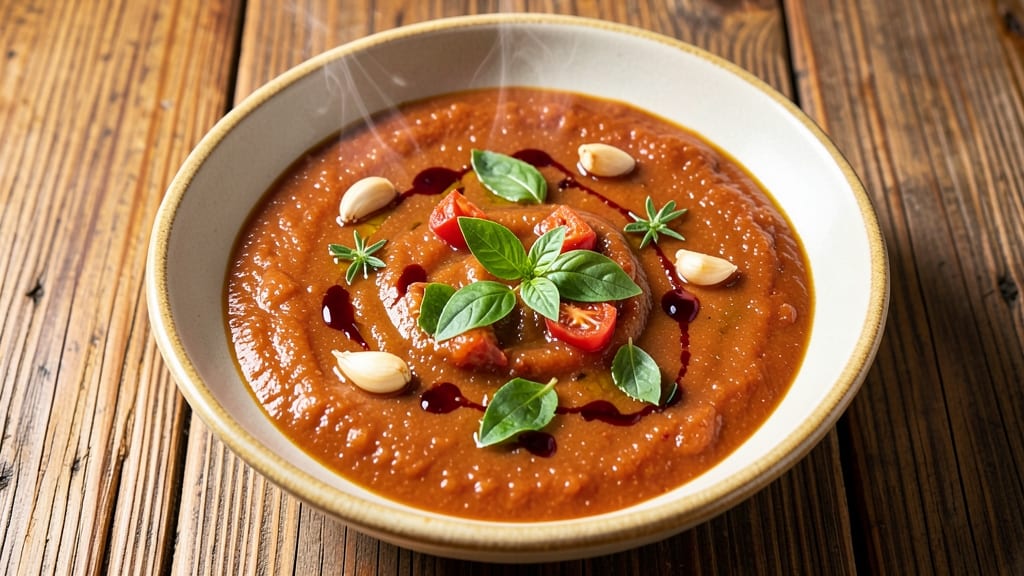
This American pizza sauce recipe delivers the rich, herby tomato base that makes every slice unforgettable. The secret lies in simmering high-quality tomatoes with fresh garlic and aromatic herbs until the flavors meld into a velvety, balanced sauce with just the right acidity.
What sets this apart is the perfect balance of sweetness and tang—no sugar overload or canned tomato paste shortcuts here.
What makes this sauce truly professional is the technique: low-and-slow simmering develops deep flavor without breaking down the texture, while a touch of olive oil ensures silky smoothness. It’s versatile enough for classic pepperoni pies but bold enough to stand up to gourmet toppings like prosciutto and arugula.
The best part? It tastes even better the next day, making it perfect for meal prep.
By the time you’re done, you’ll have a bold tomato base with layers of garlic, basil, and oregano that clings perfectly to every pizza crust. No artificial ingredients, no aftertaste—just pure, restaurant-quality flavor in a jar. This isn’t just pizza sauce; it’s the foundation of a better pie.
Use it fresh on homemade pizza or store it in the fridge for up to a week. For extra depth, add a splash of red wine or a pinch of smoked paprika. Let’s make sauce that elevates every bite.
Ingredients for american pizza sauce
Ten simple ingredients transform into the boldest pizza sauce you'll ever taste.
| Ingredient | Amount | Notes |
|---|---|---|
| Extra-Virgin Olive Oil 🫒 | ¼ cup | High-quality for richness |
| Fresh Garlic Cloves 🧄 | 4 cloves | Minced finely for depth |
| San Marzano Crushed Tomatoes 🍅 | 2 cups | Whole or crushed, no sugar added |
| Fresh Basil Leaves 🌿 | ⅓ cup | Packed, stems removed |
| Fresh Oregano Leaves 🌿 | ¼ cup | Or 2 tsp dried oregano |
| Red Wine Vinegar 🍷 | 1 tbsp | Brightens acidity perfectly |
| Granulated Sugar 🍚 | 1 tsp | Balances acidity slightly |
| Diamond Crystal Kosher Salt 🧂 | 1 tsp | Adjusts to taste |
| Freshly Ground Black Pepper 🌶️ | ½ tsp | Freshly cracked for heat |
| Red Pepper Flakes 🔥 | ½ tsp | Optional for subtle heat |
The tomatoes are the foundation—San Marzano is ideal, but any high-quality canned tomatoes work. I always grab the whole or crushed kind at Whole Foods or Trader Joe's—none of that watery, mushy stuff. Fresh garlic and basil make or break this sauce, so don't skimp. Garden variety basil from the grocery store works fine, but if you've got a plant, use those leaves—they're fresher. The olive oil isn't just for cooking; it adds that velvety richness that separates homemade sauce from jarred. Trust me, the extra few cents for extra-virgin is worth it.
No fresh basil? Dried oregano at half the amount gets you close, but you'll miss that bright, sweet note. Short on red wine vinegar? Lemon juice works in a pinch, though it's a little sharper. Want to skip the sugar? Add a pinch more vinegar instead—just taste as you go. The red pepper flakes are totally optional, but if you love heat, add them at the end to keep the sauce smooth. For extra depth, a splash of dry red wine (like Cabernet) while simmering adds complexity that'll make you feel like a pro.
This sauce tastes even better the next day, so make a double batch—it disappears fast. Keeps in the fridge for up to 1 week or freezes beautifully for 3 months. I portion it into small jars so I can grab just what I need for a quick pizza night. If you're prepping ahead, freeze it in ice cube trays for perfect single-use portions. The flavors only get more developed over time, so don't rush it.
Why You'll Love This Recipe
- No-Chop Necessary: I swear by this sauce because it’s the rare recipe where you don’t even need to dice the garlic—just smash those cloves with the flat side of your knife. The San Marzano tomatoes handle the work for you, breaking down into a silky base with just a simmer.
- Garlic-Basil Bomb: That first hit of sizzling olive oil and crushed garlic? It’s like a flavor hug. Fresh basil and oregano at the end—torn by hand, no measuring—give it that bright, herby punch that makes every bite feel like a little Italian vacation.
- Weeknight & Party Star: I use this for pizza nights, but honestly? It’s my go-to for bruschetta, stuffed shells, or even a quick marinara for pasta. (Yes, even on a Tuesday night.) The sauce keeps well in the fridge, so I make a big batch and stretch it across multiple meals.
- Budget-Friendly Staple: This recipe costs me pennies per serving, and the ingredients last. A jar of crushed tomatoes, a few garlic bulbs, and a handful of herbs stretch into enough sauce for four pizzas—or however many meals I need to fill. No waste, all flavor.
Step-by-step instructions for American pizza sauce
This bold tomato sauce delivers restaurant-quality flavor with fresh herbs and garlic—simple steps for big results.
Sauté Garlic in Olive Oil Until Fragrant
Heat the 0.25 cup extra-virgin olive oil in a medium saucepan over medium heat. Add the 4 cloves fresh garlic cloves and cook for 2-3 minutes until they turn light golden and smell deeply aromatic. Watch closely—garlic burns quickly, so keep the heat moderate. You'll know it's perfect when the oil shimmers around the garlic pieces and they release their sweet, nutty aroma.
This step builds the sauce's foundation. The olive oil infuses with the garlic's flavor, creating a rich base that carries through the entire sauce. If you smell any burning, immediately reduce the heat to low and let it recover. The garlic should be golden, not browned or bitter.
Add Tomatoes and Simmer for Depth
Pour in the 2 cups San Marzano crushed tomatoes and stir to combine with the garlic. Bring the mixture to a gentle boil, then reduce the heat to low and let it simmer uncovered for 15-20 minutes. You want the sauce to thicken slightly while developing deep, concentrated tomato flavor. Stir occasionally to prevent sticking, and taste after 10 minutes—this is when the acidity starts to balance.
The San Marzano tomatoes are key here—their natural sweetness and low acidity create a smoother, more complex sauce than store-bought brands. As it simmers, the sauce will reduce naturally, intensifying the tomato flavor. If it looks too thin at 15 minutes, continue simmering for another 5 minutes—it will thicken as it cools.
Stir in Herbs and Acid for Brightness
Remove the saucepan from heat and let it cool for 5 minutes. Then, stir in the 0.33 cup fresh basil leaves, 0.25 cup fresh oregano leaves, 1 tbsp red wine vinegar, 1 tsp granulated sugar, 1 tsp Diamond Crystal kosher salt, 0.5 tsp freshly ground black pepper, and 0.5 tsp red pepper flakes. The herbs should be finely chopped—no need to strain them out later. Taste and adjust seasoning if needed; the sugar balances the acidity, while the vinegar brightens the overall flavor.
The herbs add freshness and complexity that dried spices can't match. The vinegar cuts through the richness of the tomatoes, and the sugar ensures the sauce isn't too sharp. The red pepper flakes add a subtle heat that pairs perfectly with melted cheese. Let the sauce sit for 10 minutes off the heat—this allows all the flavors to meld together seamlessly.
Blend for Silky Smoothness (Optional)
For a classic American pizza sauce texture, you can either leave it chunky or blend it smooth. If you prefer a silky consistency, transfer the sauce to a blender or food processor and blend until completely smooth. If you like texture, simply stir the sauce one last time to distribute all the flavors evenly. Either way, the sauce should coat the back of a spoon with a velvety finish.
This step is entirely optional but makes a noticeable difference in the final product. A smooth sauce spreads evenly on pizza crusts, while a chunky sauce adds visual appeal and texture contrast. If blending, pulse in short bursts to avoid overheating the sauce. The sauce will thicken slightly as it cools, so don't worry if it looks a bit loose right after blending.
Pro Tips For Making American Pizza Sauce
- Cook Garlic Low: I learned this the hard way—sautéing garlic in olive oil on high heat turns it bitter fast. For this sauce, keep the heat at a gentle simmer (just until the edges turn golden) so the garlic adds sweetness, not a burnt aftertaste. The crushed tomatoes will handle the cooking later.
- Drain Tomatoes Well: San Marzano tomatoes are juicy, and that’s great, but skip the straining? You’ll end up with a watery sauce. After crushing, let them sit in a colander for 10 minutes—this removes excess liquid without losing flavor. Trust me, your pizza crust will thank you.
- Salt the Tomatoes: This isn’t just about taste—salting the crushed tomatoes (½ teaspoon per can) before cooking draws out more liquid, which means a thicker, more concentrated sauce. I used to skip this, and my sauce always ended up thin, no matter how long I simmered it.
- Add Herbs Late: Tossing in fresh basil and oregano at the very end keeps their bright flavors intact. If you simmer them too long, they turn bitter, and that’s a shame because they’re the star of this sauce. Just stir them in right before you turn off the heat.
Best sauces and condiments for this recipe
Classic Cheese Pairings
This sauce shines with mozzarella, especially low-moisture varieties like Whole Foods 365 or Sargento. For a gourmet touch, mix in burrata or fresh mozzarella at the end—it adds creamy richness that balances the sauce’s acidity.
I love adding Pecorino Romano or Parmesan for a sharp, salty contrast that cuts through the sauce’s sweetness. 🧀
Spicy Variations
Crank up the heat with 1 tsp crushed chili flakes or ½ tsp cayenne pepper while simmering. For smoky depth, stir in ½ tsp smoked paprika or a pinch of Calabrian chili paste.
I once added ½ tsp chipotle powder for a slow, smoky burn that lasted through every bite. Always taste as you go—spices intensify as the sauce cools.
Sweet & Tangy Twists
Balance the sauce’s acidity with 1 tbsp honey or maple syrup instead of sugar. For a fruity kick, stir in 2 tbsp sun-dried tomato paste> or a handful of cherry tomatoes> while simmering.
I’ve also added ½ tsp vanilla extract> for a surprising sweetness that pairs beautifully with prosciutto or figs on pizza.
Herb-Forward Enhancements
Boost the herb profile with ½ tsp dried thyme> or 1 tbsp fresh thyme leaves> for an earthy note. A handful of fresh rosemary> (finely chopped) adds piney depth, while ½ tsp fennel seeds> (toasted and ground) brings a licorice-like sweetness.
I often add 1 tsp lemon zest> at the end for a bright, citrusy finish that elevates the sauce’s brightness.
Umami Boosters
Deepens the sauce’s complexity with 1 tbsp soy sauce> or 1 tsp fish sauce> (trust me, it works!). For a meaty note, stir in 1 tbsp tomato paste> or a splash of red wine> while simmering.
I’ve also added ½ tsp miso paste> for a subtle umami punch that makes the sauce taste even more restaurant-worthy.
Storage & Flavor Development
Let the sauce sit in the fridge for 24 hours> before using—flavors meld beautifully. Store in glass jars> with airtight lids for up to 1 week> or freeze in ice cube trays> for single-use portions.
I portion mine into 4-ounce jars> so I can grab exactly what I need. The longer it sits, the richer and more balanced the flavors become—it’s worth the wait! 💫
Nutrition facts
Frequently asked questions
Can I make this sauce without fresh basil?
Use 2 teaspoons dried basil instead, but reduce the amount slightly since dried herbs are more concentrated. For extra depth, add ½ teaspoon dried thyme—it pairs beautifully with oregano. The sauce will still taste fresh, though the texture won't be as vibrant as with fresh herbs.
How do I adjust the thickness for different pizza styles?
For thin-crust Neapolitan-style pizza, let the sauce simmer 25-30 minutes to thicken significantly. For New York-style slices, blend it smooth and use as-is. If too thick, thin with 1-2 teaspoons water or broth. If too thin, simmer uncovered for 5-10 more minutes—it'll thicken as it cools.
Why does my homemade sauce taste different from store-bought?
Store-bought sauces often contain added sugar, salt, and preservatives to balance flavor and extend shelf life. This recipe uses fresh ingredients and natural acidity (vinegar), so the taste is more complex and less sweet. The herbs and olive oil create depth that jarred sauces can't match—it's supposed to taste different (and better!)
Can I make this sauce in a slow cooker?
Yes! Combine all ingredients in your slow cooker and cook on Low for 4-5 hours or High for 2-3 hours. The low-and-slow method enhances flavors beautifully. Just stir occasionally and add a splash of water if it gets too thick. The texture will be smoother than stovetop, perfect for thick-crust pizzas.
What's the best way to use leftover sauce?
Spread on garlic bread, toss with pasta, or use as a marinade for grilled chicken. It also makes amazing bruschetta—just spoon over toasted baguette slices with fresh mozzarella. For extra flavor, add a pinch of red pepper flakes when reheating. Store leftovers in the fridge for up to 1 week or freeze for 3 months.