
Sauces & Condiments
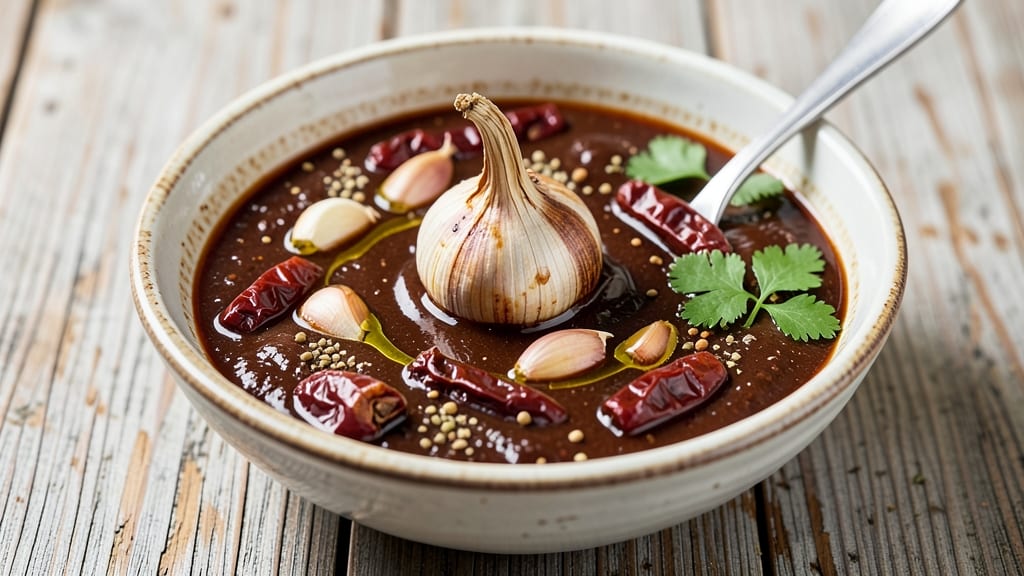
This ancho barbecue sauce recipe transforms smoky ancho chiles into a velvety, clump-free masterpiece that bridges Mexican tradition with bold American BBQ flavors. 🔥 The secret lies in slow-cooked aromatics and a perfect balance of sweetness, acidity, and heat—no blender required.
I developed this after years of perfecting rubs and marinades, where the sauce needed to penetrate deep while keeping its signature smooth texture.
The foundation starts with dried ancho chiles, toasted and rehydrated to unlock their deep, earthy sweetness without overpowering bitterness. Cumin, garlic, and a touch of cinnamon build the smoky depth, while apple cider vinegar cuts through the richness.
The sauce reduces to a glossy, medium consistency—thick enough to cling to grilled meats or roasted veggies, but still silky enough for dipping or basting.
What sets this sauce apart is its versatility: use it as a marinade for hours, a glaze for last-minute char, or a dip for crispy fries. The slow simmering process ensures no grainy texture, just layers of flavor that develop with time.
It’s the kind of sauce that turns a simple weeknight grill into a fiesta-worthy experience—without sacrificing the smoky, tangy punch you crave.
Perfect for grilled chicken, pork ribs, or even as a bold drizzle over tacos. The recipe yields about 2 cups, so make a double batch—this sauce disappears faster than you can say "al pastor." Let’s get cooking.
Ingredients for ancho barbecue sauce
Smoky, velvety, and packed with depth—these ingredients transform simple pantry staples into a BBQ masterpiece.
| Ingredient | Amount | Notes |
|---|---|---|
| Dried Ancho Chiles 🌶️ | 4 whole | Stemmed and seeded, toasted lightly |
| Hot Water 💧 | 1 cup | For rehydrating chiles |
| Extra-Virgin Olive Oil 🫒 | ½ cup | High-quality for richness |
| Garlic Cloves 🧄 | 4 cloves | Peeled and roughly chopped |
| Ground Cumin 🌿 | 1 tbsp | Toasted for deeper flavor |
| Ground Coriander 🍊 | 1 tbsp | For citrusy brightness |
| Ground Cinnamon 🌰 | ½ tsp | Warmth without overpowering |
| Apple Cider Vinegar 🍎 | ½ cup | For tangy balance |
| Brown Sugar 🍚 | ¼ cup | Lightly packed |
| Smoked Paprika 🌶️ | 1 tbsp | For extra smokiness |
| Salt 🧂 | 1 tsp | Diamond Crystal preferred |
| Black Pepper 🌶️ | ½ tsp | Freshly ground |
The ancho chiles are the heart of this sauce—look for dried, dark red pods with no mold or wrinkles. Mexican markets or specialty stores have the best selection, but the regular grocery store usually carries them too. Toast them briefly in a dry skillet to deepen their flavor before soaking. The olive oil matters here—avoid the cheap stuff; the fruity, high-quality kind adds layers of richness that cut through the smokiness. If you can't find ancho chiles, pasilla chiles work in a pinch, but they're slightly sweeter.
No toasted cumin? Regular ground cumin is fine, but toasting it in the oil for 30 seconds intensifies the aroma. Running short on brown sugar? Lightly packed white sugar works just as well. The apple cider vinegar adds that tangy kick—substitute white vinegar if needed, but you'll lose some complexity. For extra smokiness, add a dash of liquid smoke, but use sparingly. The sauce reduces significantly, so don't worry if it looks thin at first—patience is key here. Simmering it low and slow ensures that velvety texture without any clumps.
This sauce keeps beautifully—1 week in the fridge or 6 months in the freezer. For freezing, portion it into ice cube trays for easy single-use servings. Reheat gently on the stove or microwave, stirring occasionally. The flavors actually improve over time, so make a double batch if you can—it disappears fast. Store it in a glass jar with a tight seal to preserve all that smoky goodness.
Why You'll Love This Recipe
- No Chopping Needed: I swear by this—just soak those ancho chiles in hot water, let them bloom, then blend. No knife skills required, just a quick pulse and you’re done. The sauce practically makes itself while you handle the rest of dinner.
- Smoky-Sweet Magic: That deep, toasty ancho flavor? It’s like a hug for your taste buds. The cumin and olive oil marry the chiles into something rich but not overpowering—perfect for when you want bold without the heat overload.
- Taco Night Every Night: Slather it on grilled meats, drizzle over roasted veggies, or toss with beans. Honestly, I’ve used it for everything from breakfast tacos to slow-cooked pork—it’s my go-to for any meal that needs a little smoky punch.
- Pantry Staple, Zero Waste: A few dried chiles and basic spices stretch into gallons of sauce. I make a big batch, freeze it, and pull it out whenever I need flavor without extra shopping. Plus, it’s cheaper than store-bought and lasts forever.
Step-by-step instructions for ancho barbecue sauce
Here's how to make a velvety-smoky sauce that's rich, balanced, and never clumpy.
🔥 Step 1: Toast and Rehydrate the Ancho Chiles
Preheat your oven to 375°F and place the 4 whole dried ancho chiles on a baking sheet. Toast them for 3-4 minutes until fragrant and slightly puffed—this deepens their smoky flavor without burning. Watch closely; they toast fast and can go from perfect to bitter in seconds.
Transfer the toasted chiles to a heatproof bowl and pour over the 1 cup hot water. Let them soak for 15 minutes until completely softened. The water will turn a deep reddish-brown—this is your flavor base. Drain the chiles, reserving the soaking liquid, and give them a quick rinse to remove any loose seeds or stems. Here's the thing—don't skip the toasting. It's what transforms these dried chiles from ordinary to extraordinary.
🍳 Step 2: Build the Spice Base
In a medium saucepan, heat the 0.5 cup extra-virgin olive oil over medium-low heat. Add the 4 peeled garlic cloves and cook for 1-2 minutes until fragrant but not browned—you want aroma, not bitterness. Remove the garlic with a slotted spoon and set aside, leaving the oil in the pan.
To the warm oil, add the 1 tbsp ground cumin, 1 tbsp ground coriander, 0.5 tsp ground cinnamon, 1 tbsp smoked paprika, 1 tsp salt, and 0.5 tsp black pepper. Stir constantly for 30 seconds until the spices are fragrant and the mixture stops sizzling. This is where the magic happens—those spices bloom and release their full flavor potential. Don't walk away; they can burn faster than you think.
🥘 Step 3: Simmer the Sauce to Perfection
Return the toasted ancho chiles to the saucepan and add the reserved soaking liquid, 0.5 cup apple cider vinegar, and 0.25 cup brown sugar. Stir well to combine, then increase heat to medium-high and bring to a gentle boil. Once boiling, reduce heat to low and let it simmer uncovered for 15-20 minutes.
Here's the critical part: stir occasionally and scrape the bottom of the pan with a wooden spoon every few minutes. You're building flavor from those browned bits clinging to the bottom. The sauce should thicken gradually until it coats the back of a spoon. You'll know it's ready when it's smooth and glossy with just the right consistency—thick enough to coat but still pourable. If it gets too thick, add 1-2 tablespoons water to loosen it.
⏰ Step 4: Blend and Finish
Remove the saucepan from heat and let it cool slightly for 5 minutes. Transfer the contents to a blender or food processor. Here's where we prevent clumping—blend in batches if needed, but don't overfill. Add the reserved garlic cloves and blend until completely smooth, about 30-45 seconds. The sauce should be velvety with no visible texture.
Return the blended sauce to the saucepan and taste. Adjust seasoning if needed—you might want more salt, a touch more vinegar for tang, or even a pinch more cinnamon for warmth. The sauce should be complex: smoky from the ancho, sweet from the brown sugar, tangy from the vinegar, and warm from the spices. Let it cool completely before storing—this lets all the flavors meld beautifully.
Pro Tips For Making Ancho Barbecue Sauce
- REMOVE CHILE SEEDS FIRST: I learned this the hard way—seeds in dried ancho peppers add bitterness that lingers even after soaking. Use a small spoon to scoop them out before toasting; it’s tedious but cuts that harsh edge you’ll regret later.
- TOAST PEPPERS OVER LOW HEAT: No need for high drama here—medium-low heat for 2-3 minutes per side, turning often, until fragrant but not blackened. I used to rush this, and the sauce ended up smoky instead of rich.
- BLOOM CUMIN IN OIL: Heat the olive oil until shimmering, then add the ground cumin and let it sizzle for 30 seconds before adding garlic. This step makes the cumin’s earthy notes pop instead of just dissolving into the sauce.
- SIMMER NOT BOIL: Reduce to a gentle simmer after blending—anything hotter and the sauce will separate or lose its velvety texture. I was skeptical until I tried it; now I never rush this part.
Pro cooking tips for perfect results
Toast the Chiles
Never skip toasting your ancho chiles—this crucial step unlocks their deep, smoky flavor. Place the whole dried chiles on a baking sheet and toast in a 375°F oven for just 3-4 minutes until they're fragrant and slightly puffed. Watch them like a hawk—they can burn quickly and turn bitter.
I still remember my first batch where I walked away for "just a second" and ended up with bitter, over-toasted chiles. The key is timing and attention. 🔥
Bloom the Spices
When building your spice base, always bloom the spices in warm oil over medium-low heat for 30 seconds—no more, no less. This releases their full aromatic potential. I like to use a heavy-bottomed saucepan like my All-Clad because it distributes heat evenly and prevents burning.
Stir constantly and keep your eye on the pot; spices can go from fragrant to burnt in seconds. Toasted cumin adds an extra layer of depth, but regular ground cumin works in a pinch.
Simmer Low and Slow
Patience is everything when simmering this sauce. After combining all ingredients, reduce heat to low and let it bubble gently for 15-20 minutes uncovered. This slow reduction builds rich, complex flavors while preventing clumping.
I like to stir occasionally and scrape the bottom of the pan with a wooden spoon—those browned bits (fond) contain concentrated flavor. If the sauce gets too thick, add 1-2 tablespoons water to maintain the right consistency.
Blend Smartly
For a truly velvety texture, blend the sauce in batches if needed—never overfill your blender. I use my Ninja BN601 because it handles hot liquids well. Blend for just 30-45 seconds until completely smooth. The goal is to eliminate any texture while keeping the sauce rich and glossy.
If you're worried about clumping, strain the sauce through a fine-mesh sieve after blending for an ultra-smooth finish. The sauce should coat the back of a spoon but still be pourable.
Adjust with Confidence
Always taste your sauce before storing and adjust seasonings as needed. You might want more salt, a touch more vinegar for tang, or even a pinch of cinnamon for warmth. I like to let the sauce cool completely before final adjustments—this allows all the flavors to meld beautifully.
Remember, the sauce will continue developing in flavor over time, so don't be afraid to experiment with small adjustments. The perfect balance is what makes this sauce truly special. ✨
Storage Secrets
This sauce keeps beautifully for 1 week in the fridge or 6 months in the freezer. For freezing, portion into ice cube trays for easy single-use servings. I always store it in a glass jar with a tight seal to preserve all that smoky goodness.
When reheating, do it gently on the stove or microwave, stirring occasionally. The flavors actually improve over time, so make a double batch if you can—it disappears faster than you can say "al pastor."
Nutrition facts
Frequently asked questions
Can I make this sauce without a blender?
For a rustic texture, simply mash the soaked chiles with a fork after simmering and strain through a fine-mesh sieve. The sauce will have a chunkier, more rustic texture but still pack all the smoky flavor. Just reduce the simmering time by 5 minutes to account for the lack of blending.
How spicy is ancho barbecue sauce?
Ancho chiles are naturally mild, so this sauce has a warm, earthy heat rather than sharp spiciness. The heat level is comparable to a medium-hot salsa—enough to add depth without overwhelming. If you prefer more heat, add 1/2 teaspoon cayenne pepper during the simmering stage.
Can I use this sauce as a marinade?
Yes! This sauce makes an excellent marinade for chicken, pork, or tofu. For best results, marinate for 4-6 hours in the fridge (or overnight for deeper flavor). The acidity from the vinegar helps tenderize the meat while the smoky spices infuse beautifully.
What's the best way to store leftover sauce?
Store in an airtight glass jar in the fridge for up to 1 week or freeze for 6 months. For easy use, freeze in ice cube trays—just pop out what you need and reheat. Always reheat gently on low heat to preserve the smooth texture.
Can I substitute ancho chiles with other dried peppers?
Pasilla or guajillo chiles work well as substitutes, but they'll alter the flavor slightly. Pasilla adds more earthiness, while guajillo brings a touch more sweetness. For a closer match, use 4 dried peppers total and toast them briefly before soaking. Avoid chipotle or habanero—they're too hot and will overpower the sauce.