
Sauces & Condiments
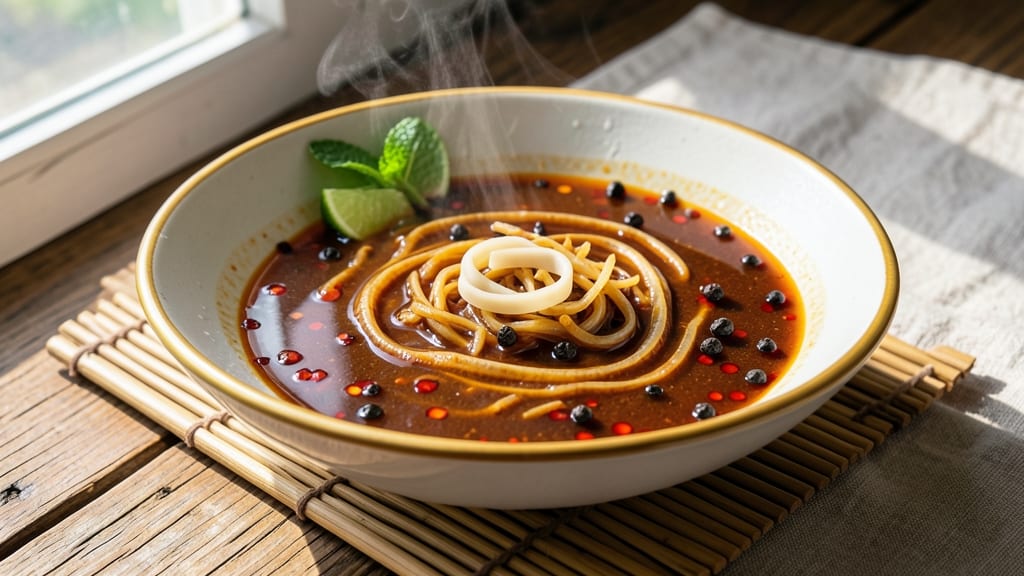
Annie Chun's Pad Thai sauce recipe delivers that signature tamarind-kick with a perfect balance of sweet, sour, and umami—just like the brand, but homemade. The secret lies in tamarind paste, fish sauce, and palm sugar, simmered until the flavors meld into a glossy, aromatic sauce that transforms any stir-fry.
I've perfected this version after years of tweaking, ensuring every element comes together for that crispy wok hei finish.
This sauce is all about precision—too much tamarind makes it overly tangy, while too little fish sauce flattens the depth. The trick is slow reduction, letting the sugar caramelize just enough to round out the acidity.
Once balanced, it's incredibly versatile: toss with rice noodles for classic Pad Thai, drizzle over grilled meats, or use as a marinade for tofu. The texture should be smooth yet clingy, coating ingredients like a second skin.
What sets this recipe apart is the umami punch from fish sauce and the subtle heat of chili flakes, which build complexity without overpowering. The sauce keeps well in the fridge for up to a month, so you can make a big batch and use it all week.
Whether you're recreating a favorite takeout dish or elevating a homemade meal, this sauce is the flavor foundation every stir-fry deserves.
For best results, let the sauce sit overnight before using—this allows the flavors to deepen and harmonize. Store it in an airtight container, and trust me, you'll reach for it again and again. Here's how to make it right the first time.
Ingredients for annie chun's pad thai sauce
Nine ingredients transform into that iconic Annie Chun's tangy, umami-packed sauce.
| Ingredient | Amount | Notes |
|---|---|---|
| Tamarind Paste 🍈 | ½ cup | Unadulterated tamarind preferred |
| Palm Sugar 🍯 | ½ cup | Light brown preferred |
| Red Curry Paste 🌶️ | 2 tbsp | Mae Ploy brand recommended |
| Fish Sauce 🐟 | 3 tbsp | Red Boat preferred |
| Soy Sauce 🥢 | 2 tbsp | Light soy preferred |
| Rice Vinegar 🍶 | 2 tbsp | Seasoned preferred |
| Garlic Cloves 🧄 | 6 cloves | Minced for depth |
| Chili Flakes 🔥 | 1 tsp | Adjust for heat preference |
| Water 💧 | 1 cup | Filtered preferred |
| Sesame Oil 🫒 | 1 tbsp | Toasted preferred |
Tamarind paste is the flavor anchor here—look for blocks at Asian markets or high-quality jars like Mae Ploy. Palm sugar gives that caramelized sweetness (don't sub brown sugar, it's too heavy). The fish sauce? Red Boat is the gold standard, but Red Boat Red works too. For the curry paste, Mae Ploy or Thai Kitchen brands nail that perfect balance of heat and aroma. I always grab extra garlic—it's the backbone of the umami here, so don't skimp. The sesame oil adds that signature wok hei aroma, so toast it first if you've got time.
No tamarind? Lime juice plus 1 tbsp sugar gets you close, but it won't have that same depth. Running low on palm sugar? Coconut sugar works in a pinch. The curry paste can be swapped for 2 tbsp tomato paste plus 1/2 tsp curry powder if you're out. For extra heat, add 1/2 tsp sriracha at the end. The rice vinegar is non-negotiable though—it cuts through the richness perfectly. And trust me, don't use apple cider vinegar—it throws off the balance completely.
This sauce gets better with time—let it sit overnight before using. Keeps for 1 month in the fridge, 6 months frozen. I always double the batch because it disappears fast. Store in a glass jar with a tight seal, and the flavors only deepen. Freeze in ice cube trays for perfect single-use portions—just toss a cube into stir-fries or soups.
Why You'll Love This Recipe
- Five-Ingredient Magic: I swear, this sauce comes together faster than I can say "where’s the rice?" Just stir tamarind paste, palm sugar, and red curry paste—no chopping, no fuss—while the fish sauce and soy sauce do the heavy lifting. Honestly, it’s the kind of recipe that makes me feel like a chef even when I’m in sweatpants.
- Umami Bomb: That fish sauce and soy combo? Chef’s kiss. The tamarind gives it that signature tang, but the red curry paste adds this subtle heat that lingers—like a hug from your favorite Thai takeout spot. Between us, it’s the kind of flavor that makes people ask, "What’s in this?" before taking a second bite.
- Weeknight Workhorse: I use this sauce for stir-fries, noodles, even as a glaze for grilled chicken. The balance of sweet, salty, and spicy means it plays nice with whatever’s in my fridge. (Yes, even on a Tuesday night when I’m too tired to plan.)
- Pantry Goldmine: This recipe costs less than a fancy dinner out and keeps for weeks in the fridge. A little goes a long way—drizzle it on rice bowls, toss it with veggies, or save it for when you’re craving takeout but don’t want to wait. My wallet and taste buds thank me every time.
Step-by-step instructions for Annie Chun's Pad Thai sauce
Here's how to craft that signature tangy-sweet, umami-rich sauce that brings wok hei magic to your noodles.
Bloom the Aromatics and Red Curry Paste
Heat a small saucepan over medium-low heat and add the 2 tablespoons red curry paste. Let it bloom for 1-2 minutes, stirring constantly, until it releases its deep, aromatic oils and becomes fragrant. This step develops the complex flavors of the curry—don't rush it, or you'll miss that earthy depth.
Add the 6 cloves minced garlic and 1 teaspoon chili flakes, stirring for 30 seconds until the garlic turns golden and the chili flakes begin to sizzle. Watch closely—the garlic should smell pungent and sweet, not burnt. This is the foundation of your sauce's flavor profile, so take your time here.
Build the Tangy-Sweet Base
Pour in the 0.5 cup tamarind paste and 0.5 cup palm sugar, stirring vigorously to dissolve completely. The mixture will thicken slightly as the sugar begins to caramelize. Let it simmer for 2-3 minutes until the sugar dissolves and the sauce starts to bubble gently.
Add the 1 cup water and bring to a gentle boil. Here's where the sauce comes together—you'll see the tamarind's signature tang cutting through the sweetness. Keep the heat at medium to maintain a gentle simmer, which prevents the sugar from crystallizing and ensures a smooth texture.
Balance with Umami and Acid
Reduce the heat to low and stir in the 3 tablespoons fish sauce and 2 tablespoons soy sauce. The fish sauce will deepen the umami, while the soy sauce adds a salty backbone. Taste the sauce now—it should be complex, with layers of sweet, sour, salty, and a hint of spice.
Add the 2 tablespoons rice vinegar and stir well. The vinegar brightens the sauce and balances the richness. If you prefer a sharper tang, add an extra ½ teaspoon—this is where you fine-tune the flavor to your liking. The sauce should now coat the back of a spoon smoothly.
Finish with Sesame Oil and Adjust Consistency
Remove the sauce from heat and stir in the 1 tablespoon toasted sesame oil. This adds a nutty aroma and rich depth that ties everything together. Let the sauce sit for 1-2 minutes to allow the sesame oil to infuse fully.
If the sauce is too thick, thin it with 1-2 tablespoons hot water until it reaches a glossy, pourable consistency—it should coat the back of a spoon but still flow freely. For extra crispy wok hei flavor, finish with a quick 30-second reheat in the same pan over medium heat, stirring constantly to intensify the aroma.
Pro Tips For Making Annie Chun'S Pad Thai Sauce
- Warm the Tamarind First: I learned this the hard way—dumping cold tamarind paste straight into the pot makes the sauce clump like glue. Instead, mix it with 2 tablespoons of warm water first, then whisk it into the simmering liquid. The heat dissolves it instantly, and you’ll avoid that sticky mess.
- Toast the Red Curry Paste: Skip this, and your sauce will taste flat. Heat the red curry paste in a dry pan for 30 seconds until fragrant—just until it smells like toasted spices, not burnt. This step unlocks the depth of flavor in the sauce, especially when paired with the fish sauce.
- Balance the Fish Sauce: Fish sauce is salty, but not all brands are created equal. Start with 1 tablespoon, taste, then adjust—some sauces need ½ teaspoon more, others less. If it’s too briny, a splash of soy sauce (which has its own saltiness) can help rebalance without overpowering.
- Simmer, Don’t Boil: Let the sauce bubble gently for 5 minutes after everything’s combined—no rolling boil. This lets the palm sugar caramelize slightly and the flavors meld. Boiling it turns the sauce flat and watery, and you’ll regret the lost complexity.
Make-ahead tips for this dish
Batch Prep Strategy
Double the recipe and store in glass jars—this sauce keeps for 1 month in the fridge or 6 months frozen. I always make two batches at once because it disappears fast.
The flavors actually improve with time, so let it sit overnight before using for the best balance of sweet, sour, and umami. 💫
Freezer-Friendly Tips
Freeze in ice cube trays for single-use portions—just pop a cube into stir-fries, soups, or marinades. Once frozen, transfer cubes to a ziplock bag and flatten to save space. Thaw overnight in the fridge or toss straight from frozen into hot dishes. The texture remains smooth when reheated properly. ❄️
Reheating Perfection
For best results, reheat sauce in a small saucepan over low heat with 1 tablespoon water until just simmering—this prevents scorching. Stir constantly for 2-3 minutes until fully warmed through.
If using frozen cubes, add them to the pan first and let them melt into the water before bringing to a simmer. 🔥
Flavor Development
The sauce tastes best after 24-48 hours of resting—this lets the tamarind's acidity mellow and the palm sugar caramelize further. Store in an airtight container and give it a taste before using.
If it needs brightening, add a splash of rice vinegar or a pinch of salt. The longer it sits, the more complex the flavors become. 💡
Versatile Uses
This sauce isn't just for Pad Thai—use it as a marinade for tofu or chicken, a glaze for grilled meats, or a dipping sauce for spring rolls. I love drizzling it over rice noodle bowls or mixing into peanut sauces for extra depth.
The key is to balance it with fresh herbs like cilantro or Thai basil to cut through the richness. 🌿
Storage Containers
Glass is non-negotiable for storage—it preserves flavors better than plastic and won't absorb odors. Use wide-mouth jars for easy pouring, and always leave ½ inch headspace to prevent spills during freezing.
Label with the date so you can track freshness. I keep one jar in the fridge and one in the freezer for ultimate convenience. 📅
Nutrition facts
Frequently asked questions
Can I substitute tamarind paste in this sauce?
Yes, but with limitations. For a quick substitute, mix ¼ cup lime juice with 1 tbsp sugar—it won't be identical but captures the tang. For better depth, use 1 tbsp tamarind concentrate (found in Asian markets) diluted with 2 tbsp water. Avoid lemon or vinegar alone—they lack the complex fruity notes of tamarind.
Why does my sauce taste too salty?
Fish sauce and soy sauce are the usual culprits. To fix it, stir in 1-2 tbsp water to dilute, then add 1 tsp rice vinegar to balance. If needed, sweeten with ½ tsp palm sugar. For prevention, taste as you go—start with 2 tbsp fish sauce and adjust. The sauce should taste complex, not overwhelmingly salty.
How do I make this sauce spicier?
Add ½ tsp extra chili flakes during Step 1, or finish with 1 tsp sriracha or chili garlic sauce. For heat lovers, simmer 1 thinly sliced Thai chili in the sauce for 1 minute before removing it. Remember: chili oils add heat without altering the sauce's texture.
Can I use coconut sugar instead of palm sugar?
Coconut sugar works perfectly—it has a similar caramelization profile. Just use the same ½ cup measurement. Avoid brown sugar (it contains molasses) or white sugar (too sharp). The sauce's depth comes from the molasses-free sweetness of these natural sugars.
What's the best way to use leftover sauce?
Drizzle over grilled shrimp or chicken skewers, mix into peanut sauce for satay, or toss with rice noodles and veggies for quick Pad Thai. For extra flavor, finish with crushed peanuts, lime wedges, and cilantro. The sauce also makes an amazing marinade—coat tofu or pork and grill for 30 minutes.