
Sauces & Condiments
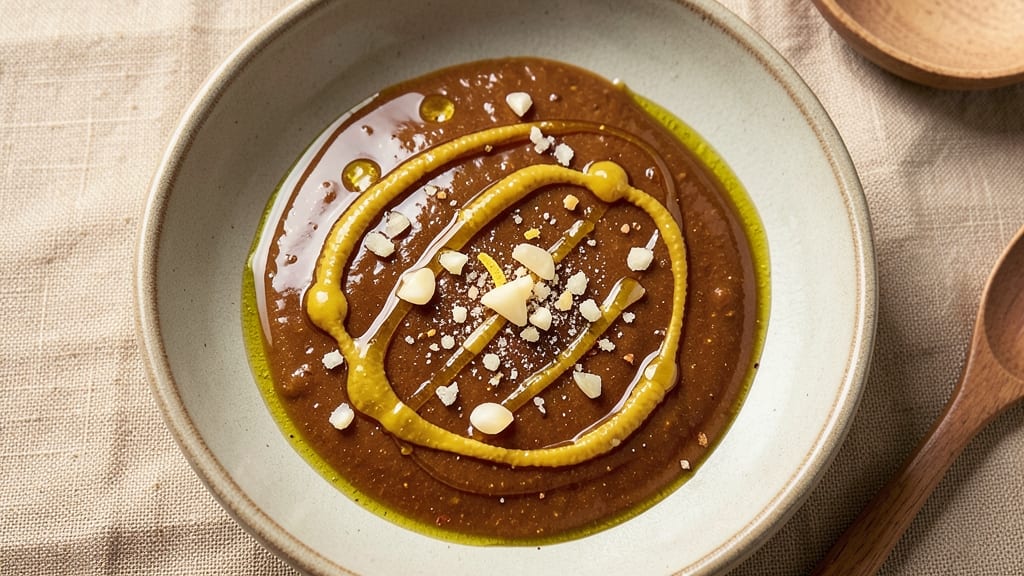
This apple cider vinegar sauce recipe transforms simple pantry staples into a versatile, tangy-sweet condiment perfect for dipping, dressings, or marinades. The secret lies in balancing sharp vinegar with honey and mustard for depth, creating a sauce that enhances everything from roasted vegetables to grilled meats.
I’ve perfected this recipe over years of testing, ensuring it’s foolproof and adaptable to any dish.
The sauce comes together in just 10 minutes with basic ingredients: apple cider vinegar, honey, Dijon mustard, garlic, and a pinch of salt. The key is emulsifying the mixture properly—whisking vigorously until smooth and letting it rest for 15 minutes so flavors meld.
This ensures a silky texture that clings beautifully to food without overpowering it. No special equipment is needed, just a bowl and whisk.
What makes this sauce stand out is its versatility—use it as a tangy dip for fries, a bright dressing for salads, or a marinade for chicken. The balance of sweetness and acidity cuts through richness, making it a game-changer for weeknight meals.
Store it in the fridge for up to 2 weeks, or freeze for longer shelf life. The possibilities are endless, and the results are always impressive.
Once you try this sauce, you’ll never reach for store-bought again. The combination of apple cider vinegar’s sharpness and honey’s warmth creates a flavor profile that’s both familiar and exciting. It’s the kind of condiment that elevates simple dishes into something extraordinary—without complicating the process. Let’s get started!
Ingredients for apple cider vinegar sauce
Nine pantry staples create this restaurant-quality apple cider vinegar sauce with perfect tangy-sweet balance.
| Ingredient | Amount | Notes |
|---|---|---|
| Apple Cider Vinegar 🍎 | ½ cup | Raw, unfiltered preferred for depth |
| Honey 🍯 | ⅓ cup | Wildflower or clover variety |
| Dijon Mustard 🌶️ | 2 tbsp | High-quality, smooth texture |
| Garlic Cloves 🧄 | 2 cloves | Freshly minced for aromatic punch |
| Extra-Virgin Olive Oil 🫒 | ¼ cup | Light fruity variety for balance |
| Granulated Garlic 🧄 | ½ tsp | For subtle garlic depth |
| Sea Salt 🧂 | ½ tsp | Diamond Crystal preferred |
| Black Peppercorns 🌶️ | ¼ tsp | Freshly cracked for texture |
| Fresh Lemon Juice 🍋 | 1 tbsp | Brightens overall flavor |
The apple cider vinegar serves as the foundation, so choose raw, unfiltered varieties like Bragg's or Bragg's Organic—these contain the 'mother' and add depth of flavor. Honey selection matters too: wildflower or clover varieties offer subtle floral notes that complement the vinegar's sharpness. For Dijon mustard, Maille or Whole Foods brand provide that signature smooth texture without bitterness. Garlic should be fresh—roasted garlic adds sweetness, while raw garlic delivers that sharp punch. Store these ingredients in cool, dark places: vinegar lasts indefinitely, honey keeps for years, and mustard stays potent for about 1 year once opened.
No apple cider vinegar? White wine vinegar or balsamic vinegar work in a pinch, though the flavor profile shifts slightly. Substitute honey with maple syrup or agave nectar for a vegan option, though the texture may be slightly thinner. If Dijon mustard is unavailable, whole-grain mustard thinned with water mimics the texture. For garlic, garlic powder at half the amount works if fresh isn't available, though it lacks complexity. The olive oil can be swapped for avocado oil for a neutral base, though it won't add the same fruity undertones. Lemon juice can be omitted if you prefer a more balanced sweet-tart profile, but it brightens the entire sauce.
This sauce keeps beautifully in an airtight container in the fridge for up to 2 weeks, though the flavors continue developing over time. For longer storage, portion into ice cube trays and freeze for up to 6 months. The sauce thickens slightly when chilled, so stir before each use. I like to make a double batch—it disappears quickly as a dip for fries, a marinade for grilled meats, or a dressing for salads. The emulsified texture makes it perfect for drizzling over roasted vegetables or even as a glaze for baked chicken. Always taste before serving and adjust sweetness or acidity as needed.
Why You'll Love This Recipe
- Five-Ingredient Magic: This sauce comes together with things you already own—no fancy shopping required. Honestly, I’ve made it three times in a row with pantry staples, and the only thing I needed to buy was the apple cider vinegar (worth every penny).
- Tangy-Sweet Balance: That first bite? The honey and Dijon mustard play off the sharp vinegar like a perfect duet, while the garlic cloves add a slow-building warmth. It’s the kind of flavor that makes you pour extra on your salad or roasted veggies without thinking.
- Dresses Up Everything: I use this on grilled chicken, tossed with pasta, or drizzled over roasted Brussels sprouts—even as a dip for fries. Between us, it’s my go-to for when I’m lazy but still want something that feels special.
- Stays Fresh for Days: Make a big batch on Sunday, and you’ll have sauce for the week. The olive oil keeps it rich without separating, and the vinegar acts like a natural preservative. No sad, wilted leftovers here—just pure, reliable flavor.
Step-by-step instructions for apple cider vinegar sauce
A perfectly balanced sauce that harmonizes tangy sharpness with sweet richness—ideal for dipping, dressings, or marinades.
Mince the Garlic and Crack the Peppercorns
Start by finely mincing the 2 cloves Garlic Cloves using a sharp chef's knife. I prefer a minced texture rather than a paste—this ensures even distribution and prevents clumping in the sauce. Place the minced garlic in a small bowl and set aside.
Next, coarsely crack the 0.25 tsp Black Peppercorns using a mortar and pestle or a small spice grinder. The goal is to break them into tiny fragments while preserving some texture for added depth. If using a grinder, pulse briefly—just until they resemble coarse sand. These cracked peppercorns will infuse subtle heat throughout the sauce.
Whisk Honey and Vinegar for the Base
In a medium saucepan, combine the 0.5 cup Apple Cider Vinegar and 0.33 cup Honey. Place the pan over medium-low heat and stir gently with a silicone spatula. Heat the mixture for 3-4 minutes until the honey dissolves completely and the liquid becomes smooth and translucent.
This step is crucial for creating a stable emulsion later. If you notice any graininess, increase the heat slightly and whisk vigorously for 30 seconds to fully integrate the honey. The mixture should be uniform with no visible streaks—this ensures your sauce will have a velvety texture rather than a separated one.
Incorporate Mustard and Aromatics
Remove the pan from heat and let it cool for 1 minute. Then, whisk in the 2 tbsp Dijon Mustard, minced garlic, and 0.5 tsp Granulated Garlic until fully combined. The mustard will thicken the sauce slightly, while the garlic adds a layered depth of flavor that balances the vinegar's acidity.
Return the pan to low heat and stir continuously for 2-3 minutes. You'll notice the mixture begin to thicken gradually as the mustard emulsifies with the honey-vinegar base. If the sauce becomes too thick prematurely, add 1 teaspoon water to adjust the consistency—this will help create a smooth, pourable texture.
Finish with Oil and Seasoning
With the pan still on low heat, slowly drizzle in the 0.25 cup Extra-Virgin Olive Oil while whisking constantly. The key here is patience—add the oil gradually over 30-45 seconds to allow the emulsion to form properly. You're looking for a sauce that coats the back of a spoon without being overly thick.
Once the oil is fully incorporated, stir in the 0.5 tsp Sea Salt and 1 tbsp Fresh Lemon Juice. Taste and adjust the seasoning if needed—you may want to add a pinch more salt or lemon juice to achieve the perfect balance of tangy, sweet, and savory notes. The sauce should be vibrant, with bright acidity cutting through the honey's richness.
Rest and Adjust for Perfect Texture
Remove the sauce from heat and let it cool to room temperature. This resting period, about 10-15 minutes, allows the flavors to meld completely and the emulsion to stabilize. If you notice any separation during this time, simply whisk vigorously to re-emulsify.
For best results, strain the sauce through a fine-mesh sieve to remove any garlic bits or mustard lumps. This step ensures a silky-smooth finish. The sauce will keep in an airtight container in the refrigerator for up to 1 week, making it perfect for batch preparation. Use it as a dip for roasted vegetables, a marinade for grilled meats, or a dressing for salads.
Pro Tips For Making Apple Cider Vinegar Sauce
- Warm the honey first: Dump cold honey straight into vinegar and you’ll end up with a clumpy mess. Heat the honey in a small saucepan for 30 seconds—just until it’s pourable—before mixing it in. The sauce will emulsify like a dream, no lumpy surprises.
- Mince garlic like you mean it: Whole cloves or even roughly chopped garlic will leave you with a sauce that tastes like it’s hiding something. Use a knife to smash the cloves flat first, then finely mince them—think dust, not chunks. This way, the garlic flavor blends in smoothly without overpowering.
- Whisk in the oil slowly: Pouring olive oil in all at once? You’re asking for a broken sauce. Drizzle it in a thin, steady stream while whisking vigorously. The mustard and vinegar will grab onto the oil and hold it together—no separation, no regret.
- Taste as you go: Skip the guesswork—adjust the ratios midway. After mixing vinegar, honey, and mustard, take a bite. Need more tang? Add a splash of vinegar. Too sharp? Drizzle in honey. The sauce is flexible; don’t be afraid to tweak it until it sings.
Make-ahead tips for leftovers
Batch Prep Essentials
I always make a double batch of this sauce—it disappears fast! The recipe scales perfectly, so simply double all ingredients and use a quart-sized glass jar for storage. Label with the date to track freshness, since the flavors actually deepen over 3-4 days in the fridge. 💡
For meal prep, divide the sauce into 4-ounce portions using small mason jars. These fit neatly in your fridge door and make it easy to grab just what you need for a quick salad dressing or dip.
The glass jars also let you see the sauce's vibrant color, which is a great visual cue for freshness.
Freezer-Friendly Tips
Freezing this sauce is a game-changer for busy weeks. Portion into ice cube trays and freeze solid, then transfer cubes to a ziplock bag. This method prevents freezer burn and makes it easy to thaw just what you need—perfect for last-minute marinades or dressings. 🧊
When reheating frozen sauce, thaw in the fridge overnight. If you're in a hurry, microwave in 15-second bursts on medium power, stirring between each interval. The texture will be slightly thicker after freezing, so add 1 teaspoon water to restore smoothness before using.
Flavor Development
The sauce tastes even better the next day as the flavors marry. I like to make it 24 hours ahead of when I plan to use it—this gives the acidity and sweetness time to fully integrate.
Store in an airtight container with a lid slightly ajar to prevent condensation buildup, which can dilute the flavors. ✨
For extra depth, add a pinch of smoked paprika or ground coriander when reheating. These spices complement the apple cider vinegar beautifully and add a subtle warmth that pairs well with grilled meats or roasted vegetables. Just sprinkle and stir—no need to adjust other ingredients.
Versatile Uses
This sauce isn’t just for dipping—it’s a secret weapon for meal prep. Use it as a marinade for chicken or pork (let it sit for 1-2 hours before cooking), or toss it with roasted sweet potatoes for a sweet-savory glaze.
The acidity helps tenderize meat while adding complex flavor layers. 🍗
For salads, drizzle over kale or spinach with toasted pecans and goat cheese for a restaurant-worthy dressing. The honey balances the bitterness of greens, while the vinegar keeps the flavors bright.
I also love using it as a dipping sauce for veggie sticks or french fries—it’s become a staple in my weekly meal rotation.
Nutrition facts
Frequently asked questions
Can I make this sauce without honey?
Yes! Substitute honey with maple syrup or agave nectar for a vegan option. Use the same amount (⅓ cup) and adjust the sweetness to taste. For a lower-sugar version, try monk fruit sweetener (about ¼ cup equivalent). The texture may be slightly thinner, so add 1 tsp cornstarch to thicken if needed.
Why did my sauce separate?
Sauce separation happens when oil and vinegar aren't properly emulsified. Fix it by whisking vigorously or using a blender to recombine ingredients. For prevention, always add oil slowly while whisking constantly over low heat. If the issue persists, reduce the oil to ¼ cup or add 1 tsp Dijon mustard to stabilize the emulsion.
How can I use this sauce in cooking?
This versatile sauce works as a marinade (great for chicken or pork), salad dressing, or glaze for roasted vegetables. For marinades, let meat sit for 1-2 hours before cooking. As a dressing, drizzle over kale salads with pecans, or use it to deglaze pans after searing meat. The acidity tenderizes proteins while adding depth to any dish.
Can I adjust the spice level?
For more heat, add ½ tsp cayenne pepper or 1 tsp hot sauce. For smoky depth, stir in ½ tsp smoked paprika. If you prefer milder flavor, reduce the black pepper to ¼ tsp or omit it entirely. Always taste as you go—this sauce is highly customizable based on your preferences!
Will this sauce work with seafood?
Yes, but with caution—vinegar can "cook" delicate seafood like shrimp. Use it as a quick marinade (15-20 minutes max) or as a finishing sauce after cooking. For fish, pair it with olive oil and herbs to create a bright, tangy dressing. The acidity works beautifully with grilled salmon or seared scallops, cutting through richness.