
Sauces & Condiments
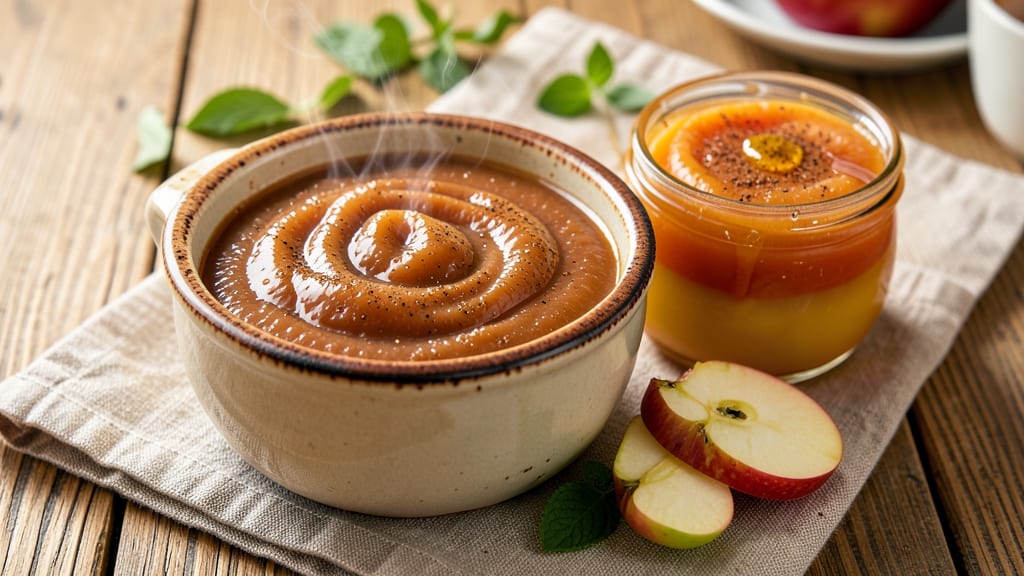
This apple sauce and apple butter recipe transforms seasonal apples into two versatile spreads that elevate everything from toast to roasted meats. The process is simple yet rewarding—simmering apples until tender, then choosing whether to blend for smooth sauce or reduce further for thick, spiced apple butter.
I’ve perfected the technique over years of testing, ensuring no bitterness lingers and every batch delivers rich, aromatic flavor.
The key to success lies in the apples: a mix of sweet and tart varieties creates the perfect balance.
For apple sauce, you can leave it chunky for texture or blend it smooth, while apple butter benefits from slow cooking to develop deep caramel notes and warm spices like cinnamon and nutmeg. Both versions keep beautifully in the fridge or freezer, making them ideal for meal prep or gifting.
What sets these recipes apart is their versatility—use apple sauce as a topping for pancakes, a glaze for pork, or a natural sweetener in baking. Apple butter shines on toast, stirred into oatmeal, or paired with sharp cheeses.
The slow reduction process concentrates the fruit’s natural sugars, resulting in a spread that’s both comforting and sophisticated.
Ready in about 45 minutes for sauce or 2 hours for butter, these recipes are perfect for preserving harvest bounty or adding homestyle warmth to any meal. Let’s get started with the step-by-step method that guarantees foolproof results every time.
Ingredients for apple sauce apple butter
Nine ingredients transform seasonal apples into two versatile spreads perfect for toast, roasts, or baking.
| Ingredient | Amount | Notes |
|---|---|---|
| Mixed Apples 🍎 | 4 lb | Sweet and tart varieties like Honeycrisp and Granny Smith |
| Granulated Sugar 🍚 | 1 ½ cups | Adjust based on apple sweetness |
| Water 💧 | 1 ½ cups | For sauce only, omit for butter |
| Lemon Juice 🍋 | 2 tbsp | Freshly squeezed, prevents browning |
| Ground Cinnamon 🍃 | 1 tbsp | For both sauce and butter |
| Ground Nutmeg 🌿 | ½ tsp | Freshly grated preferred |
| Salt 🧂 | ½ tsp | Kosher or sea salt |
| Vanilla Extract 🌸 | ½ tsp | Optional, for depth of flavor |
| Unsalted Butter 🧈 | 2 tbsp | For apple butter richness |
The apples are the foundation—mix sweet and tart varieties for balance. Local farmers markets often have the best selection, but any grocery store with a produce section works. Look for firm, unblemished apples with vibrant color. Honeycrisp and Granny Smith are my go-tos, but McIntosh or Braeburn also work well. If you can't find fresh apples, frozen unsweetened apples (thawed) are a great substitute. The sugar amount can vary based on your apples' natural sweetness—taste as you go and adjust. For the spices, Penzeys or bulk bins at natural food stores provide the freshest options, but regular grocery store brands work fine. Fresh nutmeg makes a noticeable difference, but pre-ground is acceptable if you're in a pinch.
No cinnamon? Cardamom or allspice add warmth, though the flavor profile changes. Want a smoother sauce? Blend after cooking—leave it chunky for texture. For apple butter, skip the water and reduce the apples longer. The butter adds richness, but coconut oil or olive oil work in a pinch. If you're making a large batch, consider doubling the spices—they'll mellow slightly as the mixture cooks. The vanilla extract is optional but adds depth; if you omit it, a pinch more cinnamon enhances the flavor. For a tangier sauce, add an extra tablespoon of lemon juice. The key is patience—rushing the reduction process can leave the sauce or butter tasting raw.
Apple sauce keeps 5-7 days in the fridge and 6 months frozen, while apple butter lasts 2 weeks refrigerated or 1 year frozen. Portion into small jars or ice cube trays for easy use—perfect for meal prep or gifting. Both spreads thicken as they cool, so reheat gently with a splash of water if needed. Store airtight to prevent drying. For best flavor, use within 3 months of making. The longer it sits, the deeper the caramel notes develop, but fresh batches always taste brighter.
Why You'll Love This Recipe
- No Peel, No Stress: I’ll be real—this recipe lets you skip peeling apples. Just core, chop, and toss the mixed varieties (Granny Smiths add tang, Honeycrisp keeps it sweet) into the pot. The skins soften into that velvety texture, and honestly? No one notices or cares.
- Cinnamon-Sugar Magic: That first spoonful of warm apple butter—thick, glossy, with just enough cinnamon to make your kitchen smell like autumn—is ridiculously good. The lemon juice brightens the sweetness without overpowering, and the sugar caramelizes into little pockets of flavor. Trust me, you’ll want to slather it on everything.
- Breakfast to Dessert: Here’s what sold me—this stuff works anytime. Drizzle it over pancakes in the morning, toss it into oatmeal for a cozy lunch, or spread it on toast with a sprinkle of flaky salt. (Yes, even on a Tuesday night.) And don’t get me started on how it elevates vanilla ice cream or yogurt—it’s my secret weapon for turning simple desserts into something special.
- Pantry Goldmine: Between us, this recipe costs pennies to make. You’re using apples you’d normally toss, a splash of water, and basic spices. Plus, it keeps for months in the fridge, so you’re not scrambling to use it up. Make a big batch, freeze half, and thank me later when you’re not stressing over grocery bills.
Step-by-step instructions for apple sauce and apple butter
Here's the method for making two versatile apple spreads—one quick and smooth, the other rich and caramelized.
Prepare the Apples for Cooking
Begin by peeling, coring, and slicing the 4 lb mixed apples into ¼-inch thick slices. I use a sharp chef's knife for this—it gives you cleaner cuts than a mandoline. You want a mix of sweet and tart varieties to balance the flavors. Place the sliced apples in a large, heavy-bottomed pot.
Add the 2 tbsp lemon juice immediately after slicing to prevent browning. This also brightens the flavor as the apples cook. Stir gently to distribute the lemon juice evenly. If you're making apple butter, skip the 1.5 cups water—this version requires only the apples, spices, and butter.
Simmer the Apples and Build the Sauce
For apple sauce, add the 1.5 cups water, 1.5 cups granulated sugar, 1 tbsp ground cinnamon, 0.5 tsp ground nutmeg, and 0.5 tsp salt to the pot. Stir well to combine, then bring the mixture to a boil over medium-high heat. Once boiling, reduce the heat to medium-low and let it simmer uncovered for 25-30 minutes.
Stir occasionally to prevent sticking, and use a wooden spoon to break up any large apple chunks. You're looking for a thick, saucy consistency—when the apples are tender and the mixture coats the back of a spoon, it's ready. For apple butter, omit the water and reduce the sugar to 1 cup. Simmer the apples, spices, and salt for 45-60 minutes, stirring frequently, until the mixture darkens and thickens significantly.
Finish and Adjust the Texture
Once the apple sauce reaches the desired consistency, stir in the 0.5 tsp vanilla extract and the 2 tbsp unsalted butter. The butter adds richness and helps smooth out the texture. Taste and adjust the sweetness or spice level if needed—you may need to add a splash more water or sugar, depending on the apple variety.
For apple butter, continue simmering until the mixture is thick enough to coat a spoon and leave a trail when drizzled. If it's too thick, add 1-2 tablespoons of water at a time. Once finished, stir in the butter and vanilla extract. The butter should melt smoothly into the mixture, creating a glossy, spreadable consistency.
Cool and Store for Maximum Freshness
Transfer the finished apple sauce or apple butter to a clean glass jar or airtight container. Let it cool to room temperature, then refrigerate for up to 1 week or freeze for up to 6 months. The flavors will deepen as it sits, especially for the apple butter.
For the best results, store the sauce or butter in a cool, dark place. The apple butter will thicken further as it cools, so you can adjust the consistency by adding a little water if needed before serving. Both spreads pair perfectly with toast, pancakes, or even as a topping for yogurt or oatmeal.
Pro Tips For Making Apple Sauce Apple Butter
- Peel and Core Like a Pro: Peeling apples for apple butter is optional, but if you skip it, chop them into smaller pieces—no bigger than ½-inch chunks. The skin adds fiber and texture, but big chunks won’t break down evenly, leaving you with a lumpy mess. (Yes, I’ve learned this the hard way.)
- Simmer Low and Slow: Start with a hard boil to soften the apples fast, then drop the heat to a gentle simmer—think tiny bubbles, not rolling. Too high, and you’ll burn the sugar before the apples soften. Too low, and you’ll wait forever. Aim for 2-3 hours, stirring every 20 minutes to prevent sticking.
- Skip the Over-Sweetening: Taste as you go—before you add all the sugar. Apples release natural sweetness as they cook, so you’ll likely need less than the recipe says. If it’s still tart at the end, a splash of lemon juice brightens it up better than extra sugar ever will.
- Strain for Smoothness: Use a fine-mesh sieve or food mill to strain the cooked apples, not a regular colander. That’s the only way to get that silky, restaurant-quality texture. (I used a regular strainer once—regretted it immediately.) If you’re lazy, just blend it, but you’ll lose that professional finish.
Storing and reheating your apple sauce apple butter
Refrigerator Storage
Both apple sauce and apple butter store beautifully in the fridge, but their shelf lives differ. Apple sauce keeps for 5-7 days in an airtight glass jar—I prefer Ball mason jars because they seal tightly and resist odors.
Store it in the back of the fridge where it's coldest. Apple butter lasts 2 weeks refrigerated due to its higher sugar content, which acts as a natural preservative. Let both cool completely before sealing to prevent condensation, which can dilute flavors. 🧊
Freezer Preservation
For longer storage, freeze your spreads in portioned servings. Apple sauce freezes for 6 months—use silicone ice cube trays for single-serving portions perfect for oatmeal or smoothies.
Transfer frozen cubes to a freezer bag and squeeze out excess air to prevent freezer burn. Apple butter freezes for 1 year—store in small jars (like 4-ounce jam jars) so you can thaw just what you need. Label with dates to track freshness. ❄️
Thawing Techniques
Thaw frozen apple sauce in the fridge overnight for best texture.
If you're in a hurry, place the sealed container in warm (not hot) water for 10-15 minutes, stirring occasionally. Apple butter is more forgiving—simmer the frozen jar on low heat with 1-2 tablespoons of water until smooth, about 5-7 minutes.
Never microwave frozen apple butter directly, as it can create a grainy texture. Stir frequently to maintain even heating. 🔥
Reheating for Serving
Reheat apple sauce gently on the stovetop over low heat for 3-5 minutes, stirring often. Add 1-2 tablespoons of water if it thickens too much. For apple butter, warm it in a small saucepan with 1 tablespoon of water until spreadable—about 2-3 minutes.
Avoid high heat, which can scorch the sugars and make the spread bitter. A double boiler is ideal for delicate reheating. 💫
Portioning for Convenience
Divide your spreads into small jars or silicone molds before storing to make them easy to grab. Apple sauce works well in 2-ounce portions for yogurt or pancake toppings, while apple butter is best in 1-ounce servings for toast or cheese pairings.
Use parchment paper between layers if stacking jars to prevent sticking. This method also makes gifting effortless—just pop off the lid and go! 🎁
Reviving Thickened Spreads
If your apple butter or sauce thickens too much after refrigeration, don't toss it! Add 1 teaspoon of water at a time while stirring over low heat until it reaches your desired consistency. For apple butter, a splash of apple cider or orange juice can also help restore balance.
If the spread separates, whisk in 1 teaspoon of cornstarch mixed with water to smooth it out. Patience is key—heat gradually to avoid clumping. ✨
Nutrition facts
Frequently asked questions
Can I make apple sauce without added sugar?
Yes! Use tart apple varieties like Granny Smith or Braeburn—their natural acidity balances sweetness. Start with ½ cup sugar and adjust to taste after cooking. For extra depth, add 1 teaspoon of vanilla extract or a pinch of cinnamon to enhance flavor without sugar.
What’s the difference between apple sauce and apple butter?
Apple sauce is a thin, chunky or smooth puree cooked with water, while apple butter is a thick, caramelized spread made without water. Sauce cooks for 25-30 minutes and keeps its fruit shape, while butter simmers 1-2 hours until glossy and spreadable. The longer cooking transforms it into a rich, spiced condiment.
Can I use rotten apples for apple butter?
No—always use fresh, firm apples with no bruises or soft spots. Cut out any bad spots, but discard the rest. Apple butter relies on natural sugars and flavor, so rotten apples will make the spread bitter or fermented. For overripe apples, peel and core them carefully to avoid adding unwanted flavors.
How do I fix apple butter that’s too thin?
Simmer the mixture uncovered on low heat for 10-15 minutes to thicken naturally. If it still runs, mix 1 teaspoon of cornstarch with 1 tablespoon water, stir into the butter, and cook for 2-3 minutes until thickened. For a smoother texture, blend briefly with an immersion blender.
Can I make apple butter in a slow cooker?
Combine all ingredients (except butter) in the slow cooker and cook on low for 4-6 hours, stirring occasionally. Add the butter at the end and stir until melted. The slow cooker’s gentle heat helps develop deeper caramel flavors. Just watch for the 3-4 hour mark to avoid overcooking.