
Sauces & Condiments
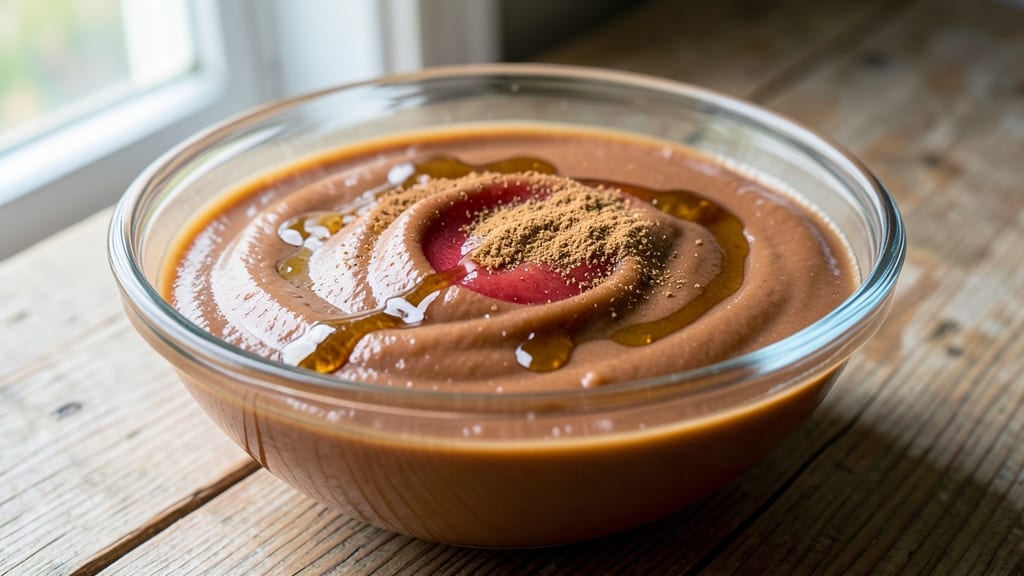
This applesauce recipe using a food processor transforms ordinary apples into velvety-smooth perfection in just 10 minutes—no cooking required. I discovered this method during a busy week when I needed a quick, naturally sweet spread that tasted better than anything store-bought.
The food processor does all the heavy lifting, blending apples into a silky texture while keeping the process effortless and mess-free.
What makes this recipe special is its versatility—you can achieve a completely smooth consistency or keep it slightly chunky, depending on your preference. The secret lies in the food processor technique: pulse the apples until they break down completely, then strain for that ultra-smooth finish.
I use a mix of sweet and tart apples (like Honeycrisp and Granny Smith) to balance flavors naturally, and a pinch of cinnamon adds warmth without overpowering.
By the end, you’ll have a batch of restaurant-quality applesauce that’s vegan-friendly, free of added sugars, and packed with natural sweetness. It’s perfect for spreading on toast, pairing with cheese boards, or even using as a base for sauces and desserts.
The best part? It keeps beautifully in the fridge for up to a week, so you can make a big batch and enjoy it all season long.
This method is foolproof—no peeling required, no complicated steps, and no need for a stovetop. Whether you’re prepping for a holiday gathering or just craving a simple, healthy snack, this applesauce delivers flavor and convenience in equal measure. Let’s get started!
Ingredients for applesauce recipe food processor
Six ingredients. Ten minutes. Ultra-smooth applesauce that rivals any jarred version—vegan and sugar-free.
| Ingredient | Amount | Notes |
|---|---|---|
| Apples (mix of sweet and tart) 🍎 | 4 lb | Honeycrisp and Granny Smith preferred |
| Lemon Juice 🍋 | 2 tbsp | Freshly squeezed, prevents browning |
| Ground Cinnamon 🌿 | 1 tsp | For warmth, adjust to taste |
| Pure Maple Syrup 🍯 | 2 tbsp | Optional, for extra sweetness |
| Water 💧 | ½ cup | For blending consistency |
| Vanilla Extract 🌸 | ½ tsp | Pure, for depth of flavor |
| Sea Salt 🧂 | ¼ tsp | Enhances natural sweetness |
The apples are the star, so mix sweet and tart varieties—Honeycrisp and Granny Smith work perfectly. Local farmers markets often have the freshest selection, but the grocery store produce section is fine too. Look for apples that are firm but not rock-hard, with vibrant color. No need to peel—just wash thoroughly and remove cores. The lemon juice isn't just for flavor; it prevents browning and keeps the apples bright. Trader Joe's has great organic lemons that work perfectly for this.
No maple syrup? Date syrup or agave nectar works just as well—just use the same amount. Short on vanilla? A pinch of nutmeg adds warmth without overpowering. The cinnamon is non-negotiable though—it's what transforms this into restaurant-quality applesauce. If you're using a food processor with a small capacity, work in batches to avoid overfilling. The water is key for that silky texture—don't skip it if you want that ultra-smooth finish.
This keeps beautifully in the fridge for up to 1 week in an airtight container. For longer storage, freeze in ice cube trays—perfect for single-serving portions. The flavor actually improves after a day or two as everything melds together. I always double the batch—half goes on toast, the other half gets frozen for smoothies later in the week. The food processor makes cleanup a breeze too—just toss the apple cores and wipe down the bowl.
Why You'll Love This Recipe
- No Peel Required: Honestly, I love that I just toss in whole apples—peels and all—into the food processor. The texture’s silky smooth, and the skins add a subtle earthiness that balances the sweetness. Plus, no extra scrubbing or chopping—just dump, pulse, and done.
- Sweet-Tart Magic: That mix of sweet and tart apples? It’s the star. A splash of lemon juice brightens it up, while the maple syrup ties everything together without overpowering. The cinnamon? Just a pinch, but it turns this into something that tastes like autumn in a jar.
- Batch-and-Grab Prep: I make a big batch on Sundays and store it in the fridge for weeks. It’s perfect for lunches, oatmeal toppings, or even a quick dessert when I’m craving something simple. No reheating needed—just scoop and enjoy straight from the jar.
- Pocket-Friendly Luxury: Between us, this costs next to nothing to make, but it feels fancy. Fresh apples, a little maple syrup, and cinnamon? That’s all it takes to feel like you’re treating yourself. And since it keeps well, I’m not tempted to buy overpriced store versions.
Step-by-step instructions for ultra-smooth food processor applesauce
Here's how to transform fresh apples into velvety-smooth applesauce in record time.
Prepare and Core the Apples
Start by washing the 4 lb apples thoroughly under cold water to remove any dirt or wax. I like to use a vegetable brush for stubborn spots. Cut each apple into quarters, leaving the skin on for color and fiber, but removing the core using an apple corer or a sharp paring knife.
For best results, I recommend using a mix of sweet and tart varieties like Honeycrisp and Granny Smith. The tartness balances the sweetness and adds complexity. As you work, keep the apple pieces in a large bowl to prevent browning. The lemon juice will help with this later, but minimizing exposure to air initially makes a difference.
Cook the Apples Until Tender
Transfer the apple quarters to a large pot and add the 0.5 cup water. Bring to a boil over medium-high heat, then reduce to medium heat and simmer uncovered for 10-12 minutes, stirring occasionally. You'll know they're ready when a knife slides in easily through the thickest piece.
Here's the thing - don't rush this step. Undercooked apples will result in a gritty texture even after processing. The apples should be completely soft but not mushy. If you're using particularly firm varieties, you might need an extra minute or two. Keep the heat steady to prevent burning while ensuring even cooking.
Process in Batches for Ultra-Smooth Texture
Let the cooked apples cool slightly for 5 minutes - they should be warm to the touch but not hot. Working in batches, transfer the apples to your food processor. I use a high-powered processor for the smoothest results, but any food processor will work. Process each batch for 1-2 minutes until completely smooth.
Real talk: you might need to scrape down the sides with a spatula once or twice during processing. The applesauce will thicken as it cools, so don't worry if it looks too thick while warm. The key here is patience - rushing leads to lumps. For the best texture, I recommend processing until you can't see any apple pieces at all, even when you press the sauce against the side of the bowl.
Season and Finish the Applesauce
Return all processed applesauce to the pot and stir in the 2 tbsp lemon juice, 1 tsp ground cinnamon, 2 tbsp pure maple syrup, 0.5 tsp vanilla extract, and 0.25 tsp sea salt. The lemon juice not only prevents browning but also brightens the flavor. The salt enhances the natural sweetness of the apples, while the cinnamon and vanilla add warmth and depth.
Simmer the mixture gently over low heat for 3-5 minutes to let the flavors meld together. Taste and adjust the seasoning if needed - you might want to add a bit more cinnamon or maple syrup depending on your apple variety. The sauce should be perfectly balanced between sweet, tart, and spiced. Let it cool completely before serving or storing.
Store and Serve Your Applesauce
Transfer the finished applesauce to clean, airtight containers. It will thicken as it cools, so don't fill the containers completely. For best results, store in the refrigerator where it will keep for up to 1 week. For longer storage, freeze the applesauce in airtight containers for up to 3 months.
This applesauce is incredibly versatile. Serve it warm with pancakes or waffles, use it as a topping for yogurt or oatmeal, or spread it on toast with a pat of butter. The ultra-smooth texture makes it perfect for baking as well - try it in muffins, cakes, or even as a pie filling. The vanilla and cinnamon give it a sophisticated flavor that goes beyond basic applesauce.
Pro Tips For Making Applesauce Recipe Food Processor
- CHOP APPLES UNIFORMLY: Cut them into 1-inch chunks—not too small, or you’ll end up with a watery mess when pulsed. I used to rush this, but consistent sizing means even cooking and smoother texture in the food processor.
- PEEL BEFORE PULSING: Skins add bitterness and grittiness. Use a vegetable peeler for speed, then toss the apples in cold water to stop browning while you prep. Trust me, the difference in texture is night and day.
- ADD LEMON JUICE LAST: Squeeze it in after the applesauce is smooth, or the acid will make the apples turn grayish in the processor. A splash (1 tablespoon) brightens the flavor without overpowering—just don’t skip it.
- PULSE DON’T RUN CONTINUOUSLY: Hit the pulse button in 2-second bursts. Running it nonstop turns applesauce into glue. Stop when it’s chunky, then scrape down the sides—this keeps the motor from overheating and ensures even blending.
Perfect pairings for applesauce recipe food processor
Breakfast Pairings
This ultra-smooth applesauce transforms simple breakfasts into something special. I love spreading it warm on buttermilk pancakes or fluffy waffles—the cinnamon and vanilla flavors complement the buttery richness perfectly. For a protein boost, add it to Greek yogurt with a sprinkle of granola and honey. 🥞
My go-to is oatmeal topped with this applesauce, a pinch of cardamom, and a handful of walnuts. The warm spices in the applesauce elevate the humble bowl into something restaurant-worthy.
For a savory twist, try it alongside scrambled eggs and crispy bacon—the sweet-tart contrast is unexpected but delicious.
Cheese Board Essentials
Applesauce makes any cheese board shine. Pair it with sharp cheddar, brie, or aged gouda for a sweet-savory combination that's always a crowd-pleaser. I like to serve it chilled in small glass ramekins alongside crackers, nuts, and dried fruit.
The texture and flavor balance the richness of the cheese beautifully. 🧀
For a Pacific Northwest twist, add local cheeses like Tillamook cheddar or Portland's own Village Cheese selection. The applesauce's acidity cuts through the fat, making each bite more enjoyable. Don't forget a drizzle of honey or a sprinkle of flaky sea salt to elevate the pairing further.
Dessert Upgrades
This applesauce isn't just for savory dishes—it's a game-changer in desserts too. Use it as a pie filling by mixing with oats, brown sugar, and pecans, then baking until bubbly.
It's a foolproof way to make a no-bake cheesecake filling—just layer it with cream cheese and graham cracker crust. 🍰
For a quick dessert, spoon it over vanilla ice cream or panna cotta for a warm-cold contrast. I also love using it as a glaze for baked apples—simmer it with a touch of cornstarch until thickened, then drizzle over warm spiced apples. The result is restaurant-quality without the effort.
Baking Substitutions
Swap out sugar in muffins, cookies, or quick breads with this applesauce for natural sweetness and moisture. Replace ½ cup of sugar with ½ cup of applesauce in most recipes—it works especially well in zucchini bread or banana muffins.
The texture stays tender, and the flavor is subtly enhanced. 🍪
In apple crisp, use it as the filling instead of sliced apples for a smoother texture. Mix with rolled oats, brown sugar, and cinnamon, then top with a buttery oat crumble. Bake until golden and bubbly—it's a crowd-pleaser that feels indulgent but is secretly healthy.
Beverage Pairings
Applesauce's warm spices make it a perfect pairing for coffee or tea. Stir a spoonful into hot coffee for a creamy, spiced twist—it's like a latte without the caffeine overload. For tea, add it to Earl Grey or chamomile for a comforting, apple-cinnamon flavor. ☕
For a boozy pairing, serve it alongside apple cider, mulled wine, or bourbon. The warmth of the spices complements the alcohol beautifully. I also love pairing it with sparkling cider for a festive, non-alcoholic option—especially during the holidays.
Nutrition facts
Frequently asked questions
Can I make applesauce without cooking the apples first?
Yes! For a no-cook version, simply blend peeled, cored apples with 2 tbsp lemon juice and 1 tsp cinnamon in your food processor until smooth. The texture will be thinner and less sweet since raw apples contain more water. This works best with very ripe apples or when using a high-powered processor. For best results, chill the apples first to prevent browning.
Why does my food processor applesauce turn out grainy?
Grainy texture usually means the apples weren't fully broken down or weren't soft enough. Always cook the apples until completely tender (a knife should slide in easily), then process in batches until completely smooth. For extra silkiness, strain through a fine-mesh sieve after processing. Another trick: add 1-2 tbsp water while blending to help emulsify the mixture.
How do I adjust the sweetness in homemade applesauce?
Start with naturally sweet apples like Honeycrisp or Gala, then balance with tart varieties like Granny Smith. For extra sweetness, add 1-2 tbsp maple syrup or agave nectar per batch. If you prefer less sweetness, reduce or omit the added syrup entirely—some apples are sweet enough on their own! The cinnamon enhances perceived sweetness, so don't skimp on that.
Can I use this applesauce in baking recipes?
This ultra-smooth applesauce works perfectly as a sugar substitute in most baked goods. Replace ½ cup sugar with ½ cup applesauce in muffins, cakes, or breads. It adds moisture while reducing calories. For best results, use it in recipes where a slightly denser texture is acceptable, like zucchini bread or banana muffins. The cinnamon and vanilla flavors also add wonderful depth to baked treats.
What's the best way to store leftover applesauce?
Transfer cooled applesauce to airtight containers and refrigerate for up to 1 week. For longer storage, freeze in ice cube trays or small containers for up to 3 months. Thaw overnight in the fridge. The texture may change slightly after freezing—it'll be thicker but still delicious. To prevent freezer burn, press plastic wrap directly against the surface before sealing in the container.