
Sauces & Condiments
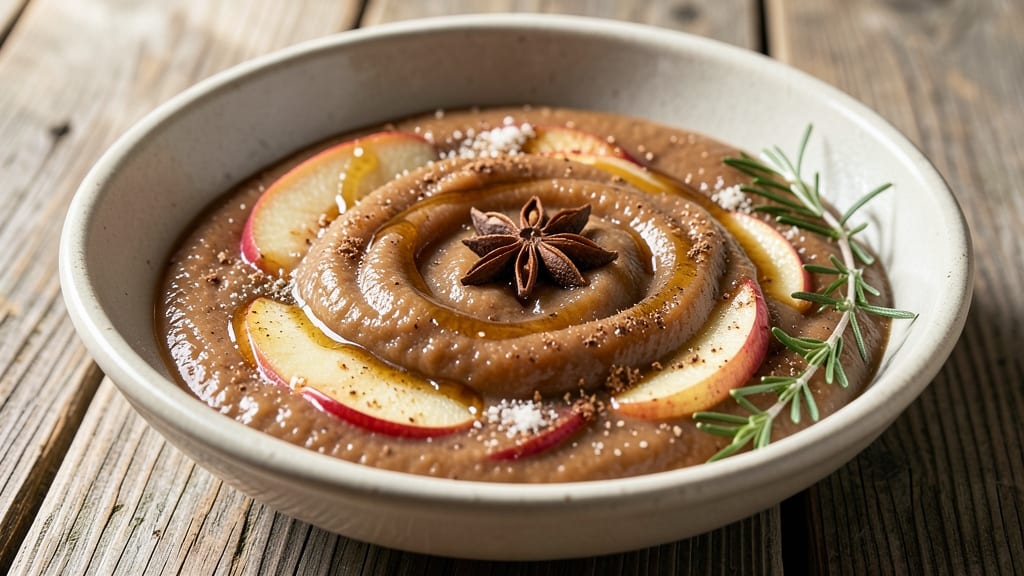
This applesauce recipe with apple cider transforms ordinary apples into a velvety, spiced sauce that's perfect for topping desserts or pairing with savory dishes. The apple cider adds depth while cinnamon and nutmeg create warm, comforting flavors that elevate any meal.
Simmering the apples until tender ensures a smooth texture without added sugar—just natural sweetness from the fruit itself.
The process is straightforward: peel, core, and slice apples, then simmer them with apple cider, water, and spices until soft. Blending creates a silky consistency, while optional honey or sugar balances acidity for a perfect finish. This method preserves nutrients while delivering restaurant-quality results at home.
Store the sauce in the refrigerator for up to a week or freeze it for longer shelf life. Use it as a topping for pancakes, oatmeal, or yogurt, or drizzle it over roasted pork or chicken for a sweet-savory contrast.
The versatility makes it a pantry staple worth making in bulk.
For extra richness, stir in a touch of butter or cream cheese before serving. The warm spices and apple cider create a sauce that’s both nostalgic and sophisticated—ideal for fall gatherings or cozy weeknight meals.
Ingredients for applesauce recipe with apple cider
Eight simple ingredients create velvety applesauce with apple cider's rich depth and warm spices.
| Ingredient | Amount | Notes |
|---|---|---|
| Apples (Mixed Varieties) 🍎 | 4 lb | Peeled, cored, sliced into even pieces |
| Apple Cider 🍏 | 2 cups | Unfiltered for best flavor |
| Water 💧 | 1 cup | For simmering consistency |
| Granulated Sugar 🍚 | ¼ cup | Adjust to taste for sweetness |
| Ground Cinnamon 🌿 | 1 ½ tsp | Freshly ground for aromatic warmth |
| Ground Nutmeg 🌿 | ½ tsp | Freshly grated for depth |
| Lemon Juice 🍋 | 1 tbsp | Freshly squeezed for brightness |
| Unsalted Butter 🧈 | 2 tbsp | Optional for richness |
The apples are the foundation—mixed varieties like Honeycrisp and Granny Smith give balanced sweetness and tang. Organic apples from Trader Joe's or your local farmers market stay fresher longer, but conventional works too. Peel and core them uniformly so they cook evenly. The apple cider should be unfiltered—Mott's or local orchard brands have the best flavor. If you can't find unfiltered, regular cider still works, just expect slightly less depth. For the spices, Penzeys or bulk bins offer freshly ground cinnamon and nutmeg that make all the difference.
No apple cider? Substitute with apple juice, though the flavor will be milder. Running short on apples? Use 2 extra cups of apple cider and reduce water to 0.5 cup. Want to skip sugar? Add 1 tbsp honey or maple syrup instead. The butter is optional but adds luxurious richness—use European-style butter like Plugrá if you want extra flavor. For a smoother texture, blend the sauce until completely silky. If you prefer chunkier applesauce, leave some pieces whole before blending. The lemon juice is key for balancing sweetness—don't skip it.
This applesauce keeps beautifully in the fridge for 1 week in an airtight container. For longer storage, freeze it in ice cube trays or small containers—perfect for portion control. Thaw overnight in the fridge before using. The sauce reheats wonderfully—simmer on the stove or microwave in 30-second bursts. For extra indulgence, stir in a dollop of cream cheese or whipped cream before serving. The warm spices make this perfect for holiday gatherings or cozy fall breakfasts.
Why You'll Love This Recipe
- No Peel Required: I’ll be real—peeling apples is my least favorite part of cooking. This recipe skips it entirely by using whole apples and cider, so you’re peeling zero apples while still getting that perfect, spiced texture.
- Cider Magic: That first sip of apple cider in the pot? It’s like a flavor upgrade without extra effort. The deep, tangy notes cut through the sweetness, making it taste like you simmered it for hours (even though it’s ready in 25 minutes).
- Pantry Staple Power: Honestly, you’re probably already stocked. Mixed apples, cider, sugar, and cinnamon? That’s it. No obscure ingredients, no last-minute grocery runs—just pull what you have and go.
- Leftovers That Work: This applesauce keeps for weeks in the fridge, and it’s better the next day. Use it as a topping for oatmeal, mix it into yogurt, or even drizzle it over toast—it’s my go-to for lazy mornings.
Step-by-step instructions for spiced apple cider applesauce
Transform fresh apples into a velvety applesauce with deep spice notes and natural sweetness.
Prepare the Apples for Cooking
Begin by peeling, coring, and slicing the 4 lb Apples (Mixed Varieties) into even ¼-inch thick pieces. I prefer using a mix of sweet and tart varieties like Honeycrisp and Granny Smith for balanced flavor. Place the sliced apples in a large pot—you'll need a pot that can comfortably hold all the pieces without overcrowding.
As you slice, keep the pieces uniform in size. This ensures even cooking throughout the batch. If you're working with particularly large apples, consider cutting them into smaller chunks to prevent uneven texture in the finished applesauce. The goal is to create a smooth, silky consistency, and even-sized pieces help achieve that.
Simmer the Apples with Apple Cider and Water
Add the 2 cups Apple Cider and 1 cup Water to the pot with the sliced apples. Stir gently to combine, then place the pot over medium-high heat. Bring the mixture to a boil, then immediately reduce the heat to medium-low to maintain a gentle simmer. Here's where patience pays off—you want the apples to cook slowly and break down naturally.
Let the apples simmer uncovered for 20-25 minutes, stirring occasionally. You'll notice the apples begin to soften and release their juices. The mixture should reduce slightly, but there should still be enough liquid to create a smooth sauce. If the apples aren't soft enough after 25 minutes, continue cooking for another 5-10 minutes—they should mash easily with a fork when tested.
Add Spices and Sweetener
Once the apples are tender, stir in the 0.25 cup Granulated Sugar, 1.5 tsp Ground Cinnamon, and 0.5 tsp Ground Nutmeg. The spices will infuse the applesauce with warm, aromatic notes that complement the natural sweetness of the fruit. Add the 1 tbsp Lemon Juice as well—this brightens the flavors and balances the richness of the apples.
Continue simmering the mixture for another 10-15 minutes, stirring frequently to prevent sticking. The sauce should thicken slightly, and the spices should meld beautifully with the apple flavor. Taste the sauce as it simmers—this is your chance to adjust the sweetness if needed. If it tastes too tart, add a little more sugar; if it's too sweet, a splash of lemon juice can help rebalance the flavors.
Finish with Butter for Richness
Remove the pot from heat and stir in the 2 tbsp Unsalted Butter. The butter adds a luxurious richness that rounds out the flavors and gives the applesauce a velvety texture. Let the mixture cool for 5 minutes—this allows the butter to fully incorporate and the sauce to thicken slightly as it sits.
For a smoother texture, use an immersion blender to blend the applesauce directly in the pot. If you prefer a chunkier texture, skip blending and simply stir well. The applesauce should be thick but still spreadable, with a glossy sheen that indicates it's ready to serve. The aroma at this stage should be intoxicating—warm spices, sweet apples, and a hint of lemon brightness.
Serve Warm or Store for Later
Transfer the applesauce to a serving bowl or airtight container. If serving immediately, garnish with an extra sprinkle of cinnamon or a dollop of whipped cream for a touch of elegance. The sauce should be warm, fragrant, and perfectly balanced in sweetness and spice.
For storage, let the applesauce cool completely before refrigerating. It will keep in the fridge for up to 5 days or can be frozen for up to 3 months. When reheating, warm it gently on the stove or in the microwave until heated through. The texture may thicken slightly when chilled, so a splash of apple cider or water can help restore it to its original consistency.
Pro Tips For Making Applesauce Recipe With Apple Cider
- Use Tart Apples First: I learned this the hard way—tart apples like Granny Smiths break down faster and release more juice. Toss them in first with the cider, then add sweeter varieties like Fuji or Gala later. This keeps your sauce from turning into apple mush before the flavors meld.
- Simmer Low and Slow: High heat turns applesauce into glue. After the initial boil, drop the heat to a gentle simmer—just enough to see tiny bubbles at the edges. This takes 20-25 minutes total, but you’ll end up with a smoother texture and deeper cider flavor instead of a watery, overly sweet mess.
- Strain Twice for Smoothness: Skip the food mill if you’re impatient, but straining the cooked apples twice makes a real difference. First pass: coarse strainer to catch skins. Second pass: fine-mesh sieve or cheesecloth for that silky texture. (Yes, it’s extra work, but your future self will thank you when you’re not scraping grittiness off your spoon.)
- Balance Sugar Last: Add only half the sugar upfront—taste after 15 minutes of simmering. The cider’s natural sweetness and caramelization will develop, so you might not need the full amount. Adjust at the end, and resist the urge to overcompensate—trust your taste buds, not the recipe.
Regional styles of applesauce recipe with apple cider
New England Classic
In New England, applesauce with apple cider is a staple during harvest season, often served alongside roasted pork or turkey. The region's orchards produce crisp varieties like McIntosh and Cortland, which create a tangier, less sweet sauce.
I like adding 1 tsp vanilla extract at the end for extra depth—a nod to traditional Yankee baking. Serve it warm with crusty whole-grain bread or as a topping for pumpkin pie. 🍂
Midwest Homestyle
The Midwest takes applesauce to hearty comfort food territory, often pairing it with smoked sausage or bratwurst at county fairs. Here, Granny Smith apples dominate for their tartness, balanced by 1 tbsp brown sugar instead of white. A splash of apple brandy (just ½ tsp) adds warmth.
I've seen it served in mason jars at potlucks, making it perfect for meal prep. The texture leans slightly chunkier to hold up to hearty dishes. 🥧
Southern Sweetened
Southern cooks sweeten their applesauce with maple syrup instead of sugar, giving it a deeper caramel note. Fuji and Gala apples are popular here, and the sauce often includes ½ tsp allspice for a unique twist.
It's a must-have at Thanksgiving dinners, where it's drizzled over pecan pie or paired with fried chicken. For extra richness, Southerners sometimes stir in 2 tbsp heavy cream before serving. 🍯
Pacific Northwest Twist
West Coast orchards produce Honeycrisp and Pink Lady apples, which bring a juicier, brighter flavor to applesauce. The Pacific Northwest version often skips added sugar, relying on the apples' natural sweetness and apple cider vinegar (just 1 tsp) for tang.
It's a favorite topping for oatmeal or yogurt bowls, especially in Seattle and Portland. For a modern touch, some add 1 tsp chia seeds to thicken it naturally. 🌿
German-Inspired
German immigrants brought spiced applesauce traditions to America, and this version is no exception. It often includes 1 tsp cardamom alongside cinnamon and nutmeg, plus ½ cup raisins for chewiness. Serve it warm with sausage or pork knuckle, or spread it on pretzels for a sweet-savory snack.
The texture is smoother, almost like a fruit compote, and it's a staple at Christmas markets. 🎄
Nutrition facts
Frequently asked questions
Can I use apple cider vinegar instead of apple cider?
Yes, but the flavor will be tangier and less sweet. For every 1 cup of apple cider called for, substitute ½ cup apple cider vinegar plus ½ cup water to maintain balance. The vinegar adds brightness but lacks the natural sweetness of cider. Adjust sugar to taste if needed.
How do I make this applesauce without added sugar?
Use sweeter apple varieties like Gala or Fuji and reduce sugar to 1-2 tablespoons or omit entirely. The apple cider adds natural sweetness, and a splash of lemon juice balances tartness. For extra richness, stir in 1 tbsp maple syrup after cooking. Taste as you go!
Why did my applesauce turn out watery?
Overcooking releases excess liquid, or you may have used too much water/cider. Simmer uncovered to evaporate extra moisture, then blend until smooth. For thicker sauce, reduce by 5-10 minutes on low heat after blending. A splash of apple cider vinegar can also help stabilize texture.
Can I make this applesauce in a slow cooker?
Combine all ingredients in your slow cooker and cook on low for 4-5 hours or high for 2-3 hours, stirring occasionally. The slow cooking enhances spice infusion. For smoother texture, blend after cooking. The slow method works especially well for large batches.
What are the best apples for this recipe?
Use a mix of sweet and tart varieties like Honeycrisp, Granny Smith, and McIntosh. The combination creates balanced flavor. Avoid overly mealy apples like Red Delicious. For extra depth, add 1-2 tart apples to every 3 sweet apples. Freshness matters—choose firm apples with bright color.