
Sauces & Condiments
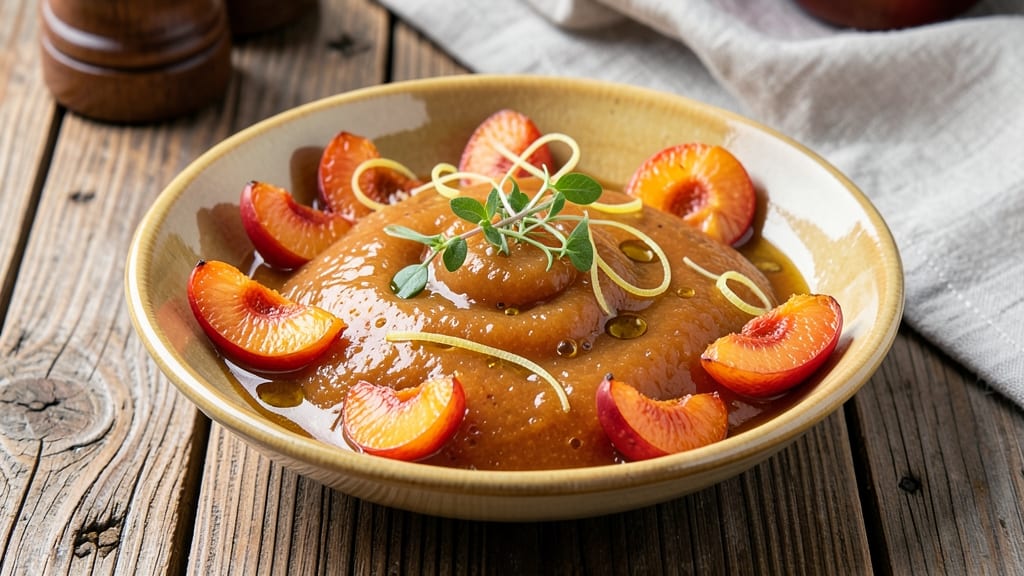
This apricot sauce recipe transforms simple apricots into a silky, caramelized dessert topping that elevates everything from ice cream to fruit tarts. The secret lies in simmering fresh fruit with sugar until it breaks down into a glossy, fragrant sauce with just the right balance of sweetness and tang.
I developed this version after testing countless methods—this one delivers restaurant-quality results at home without requiring any special equipment.
The process is straightforward but precise: apricots are cooked until tender, then blended and strained for a smooth texture. A touch of cornstarch ensures the perfect consistency—thick enough to cling beautifully, yet light enough to drizzle effortlessly.
What makes this sauce truly special is its versatility; it works as a glaze for pastries, a topping for pancakes, or even a sophisticated pairing with cheese platters.
By the end, you'll have a golden, aromatic sauce that caramelizes to perfection with a velvety mouthfeel. The natural sweetness of the apricots shines through, while the slight tang from the citrus brightens every bite.
This isn't just a sauce—it's a dessert upgrade that transforms ordinary treats into something extraordinary.
Store it in the fridge for up to a week, or freeze for longer shelf life. The possibilities are endless—drizzle over warm cakes, swirl into yogurt, or use as a glaze for roasted nuts. Let's create this foolproof apricot sauce that will become your new favorite dessert essential.
Ingredients for apricot sauce recipe dessert
Eight simple ingredients transform into a velvety, caramelized apricot sauce perfect for desserts.
| Ingredient | Amount | Notes |
|---|---|---|
| Fresh Apricots 🍑 | 1 ½ lb | Pitted and halved for even cooking |
| Granulated Sugar 🍚 | 1 cup | Light brown sugar for depth |
| Water 💧 | ½ cup | Room temperature preferred |
| Cornstarch 🌾 | 1 tbsp | For silky texture and thickness |
| Fresh Lemon Juice 🍋 | 1 tbsp | Brightens the apricot sweetness |
| Extra-Virgin Olive Oil 🫒 | 1 tsp | Prevents sticking during cooking |
| Ground Cinnamon 🍃 | ½ tsp | Warmth without overpowering |
| Vanilla Extract 🌸 | ½ tsp | Pure vanilla for aromatic depth |
| Salt 🧂 | ¼ tsp | Diamond Crystal preferred |
The apricots are the heart of this sauce, so look for firm, vibrant fruit—avoid any with soft spots. Local farmers markets often have the freshest, most flavorful apricots in season, but the grocery store's pre-pitted versions work in a pinch. If you can't find fresh, frozen unsweetened apricots are a great alternative (thaw and drain first). The sugar should be light brown for that subtle caramel note, but granulated works if that's what you have. For the olive oil, Trader Joe's has a great affordable option that works perfectly here.
No fresh lemon juice? Bottled lemon juice works fine, but fresh is ideal for that bright zing. Short on cornstarch? Arrowroot powder at the same amount gives similar thickening power. Want to skip the vanilla? A pinch of cardamom adds warmth instead. The cinnamon is optional but recommended—it's what makes this sauce feel truly special. If you're using frozen apricots, don't skip the olive oil—it prevents burning during cooking. The salt might seem small, but it balances all the sweetness beautifully.
This sauce keeps for 1 week in the fridge, but the flavor actually improves over time as the caramelization deepens. For longer storage, freeze in ice cube trays—perfect portions for later. Reheat gently on the stove with a splash of water to restore its silky texture. I like to drizzle it over warm pancakes or swirl it into Greek yogurt for a restaurant-quality dessert upgrade.
Why You'll Love This Recipe
- Five-Ingredient Magic: I swear by this—just apricots, sugar, water, cornstarch, and lemon juice. That’s it. No fancy gadgets, no hidden pantry trips, just a pot and a spoon. Honestly, the first time I made it, I thought, "This can’t possibly taste good with so little." Boy, was I wrong.
- Sunshine in a Bowl: The moment that lemon juice hits the simmering apricots? Pure summer in every spoonful. The sugar caramelizes just enough to balance the fruit’s natural tartness, while the cornstarch thickens it into that perfect glossy consistency—not too sweet, not too cloying. It’s the kind of dessert that makes you pause mid-bite and think, "Why don’t I eat this more often?"
- Game for Any Night: Drizzle it over vanilla ice cream when you’re too tired for a full dessert. Swirl it into yogurt for a breakfast that feels like a treat. Or—here’s my secret—use it as a glaze for pancakes. (Yes, really. Trust me.) It’s the ultimate "I have no idea what to make but it’ll be good" solution.
- Leftovers? Better Than New: This sauce actually improves overnight. The flavors meld, the texture thickens just right, and it keeps for days in the fridge. I’ve sent jars of it to neighbors, brought it to potlucks, and even frozen portions for lazy weekends. Between us, it’s my go-to for when I bake something fancy but forget to make enough dessert.
Step-by-step instructions for apricot sauce that caramelizes to golden perfection
Here's how to transform fresh apricots into a silky, caramelized sauce that elevates desserts to restaurant quality.
Halve and Pit the Apricots for Even Cooking
Start by cutting the 1.5 lb fresh apricots in half and removing the pits using a small knife or pitter. I like to make a shallow cut around each pit first to prevent slipping. Arrange the halves cut-side up in a single layer on a baking sheet—this prevents them from steaming and losing their shape.
Place the baking sheet in the freezer for 10 minutes while you prepare the rest of your ingredients. This brief chilling helps the apricots release their juices more evenly during cooking. When you remove them, they'll be cool to the touch but not frozen.
Simmer Apricots with Sugar and Water Until Soft
In a medium saucepan, combine the chilled apricot halves with the 1 cup granulated sugar and 0.5 cup water. Bring the mixture to a gentle boil over medium-high heat, then immediately reduce to medium-low heat. Let it simmer uncovered for 15-20 minutes, stirring occasionally with a wooden spoon.
You're looking for the apricots to soften completely and release their juices into the sauce. The mixture should reduce slightly and take on a syrupy consistency. I press a few apricot halves with my spoon—when they mash easily between my fingers, they're ready for the next step. This simmering process develops the natural fruit sweetness while concentrating the flavors.
Create a Smooth Cornstarch Slurry for Thickening
While the apricots simmer, whisk together the 1 tbsp cornstarch, 1 tbsp fresh lemon juice, and 0.25 tsp salt in a small bowl until completely dissolved. This creates a smooth slurry that will thicken the sauce beautifully. The lemon juice brightens the apricot flavor while preventing the sauce from becoming too sweet.
Once the apricots are soft, carefully pour the cornstarch mixture into the saucepan while stirring constantly. The sauce will immediately begin to thicken as the cornstarch absorbs the liquid. Continue cooking over medium-low heat for another 5-7 minutes, stirring frequently, until the sauce reaches your desired consistency—it should coat the back of a spoon but still be pourable.
Add Olive Oil, Cinnamon, and Vanilla for Rich Depth
Remove the saucepan from heat and stir in the 1 tsp extra-virgin olive oil, 0.5 tsp ground cinnamon, and 0.5 tsp vanilla extract. The olive oil adds a subtle richness that balances the sweetness, while the cinnamon and vanilla create warm, aromatic layers of flavor. Let the sauce sit off heat for 5 minutes to allow the spices to infuse fully.
Taste and adjust the seasoning if needed. I often find the sauce needs a touch more lemon juice or salt to balance the sweetness. For a truly perfect finish, transfer the sauce to a blender and puree until completely smooth. If you prefer some texture, simply mash the apricots with a potato masher instead of blending.
Caramelize to Golden Perfection for Maximum Flavor
Return the sauce to the saucepan and place it over low heat. Let it simmer gently for 8-10 minutes, stirring frequently with a silicone spatula. This slow cooking allows the sugars to caramelize, deepening the flavor and creating that beautiful golden color we're after.
To test for doneness, place a small amount of sauce on a chilled plate. If it sets slightly when cool but still has a glossy sheen, it's ready. The sauce should be thick enough to coat the back of a spoon but still flow smoothly. Pour the finished sauce into a clean jar or bowl, cover with plastic wrap pressed directly on the surface, and let it cool to room temperature before serving. This sauce keeps beautifully in the refrigerator for up to 1 week, making it perfect for gifting or batch cooking ahead of time.
Pro Tips For Making Apricot Sauce Recipe Dessert
- PIT AND SLICE FAST: Use a paring knife instead of a serrated one—it glides through apricot pits better and keeps your fingers safe. Cut them in half first, then slice lengthwise to avoid the messy pit chase mid-cooking.
- SIMMER LOW AND SLOW: After the initial boil, drop the heat to a gentle simmer (tiny bubbles, not rolling). I learned this the hard way—high heat turns apricot sauce into glue, and no one wants dessert glue.
- STRAIN TWICE, SKIP THE MESH: First pass through a fine-mesh strainer catches big bits, then press the pulp through a cheesecloth for silky smoothness. (Yes, it’s extra work, but your sauce will look restaurant-worthy.)
- LEMON JUICE LAST: Add lemon juice only after the sauce has thickened and cooled slightly—it brightens the flavor without curdling the cornstarch. I used to dump it in early, and the sauce always tasted flat.
Wine and beer pairings for these flavors
White Wine Pairings
For this apricot sauce, I reach for a crisp Italian Pinot Grigio—its bright acidity and citrus notes mirror the lemon in the sauce while keeping the palate clean.
A dry Riesling from Germany also works beautifully, with its subtle mineral notes complementing the caramelized sweetness. Both wines enhance the sauce's natural fruit flavors without overpowering them. 🍷
Rosé Wine Options
Dry rosé wines are perfect partners for apricot sauce, especially a Provençal rosé with its delicate strawberry and citrus undertones. The Mâconnais rosé from Burgundy offers a touch of earthiness that pairs wonderfully with the cinnamon in the sauce.
Serve slightly chilled to let the wine's crispness contrast the sauce's richness.
Beer Pairings
A light Belgian witbier like Stella Artois or Hoegaarden provides the perfect carbonation to cut through the sauce's sweetness. The citrusy notes in these beers echo the lemon in the recipe, making each bite more refreshing.
For a richer option, try a honey ale—its subtle sweetness harmonizes beautifully with the caramelized apricot flavors. 🍺
Sparkling Wine
For a truly elegant pairing, serve this apricot sauce with Prosecco or Cava. The bubbles cleanse the palate between bites, while the wine's slight sweetness enhances the sauce's natural fruitiness.
I like to chill both the sauce and wine to the same temperature for a cohesive experience that feels luxurious yet approachable.
Non-Alcoholic Options
Don't overlook sparkling ginger beer or sparkling apple cider—both provide refreshing acidity that balances the sauce's sweetness. For a more sophisticated touch, try sparkling water infused with a splash of pomegranate juice and a few drops of rosewater.
These options keep the experience vibrant and flavorful without alcohol. 💫
Nutrition facts
Frequently asked questions
Can I use dried apricots instead of fresh?
Yes! For 1.5 lb fresh apricots, use 1 cup dried apricots (about 6 oz) instead. Soak them in warm water for 20 minutes to soften, then drain before cooking. You may need to add 1-2 extra tablespoons of water during simmering since dried fruit absorbs less liquid. The flavor will be slightly more concentrated, so reduce the sugar to 3/4 cup to balance sweetness.
How do I adjust the sweetness level?
The recipe balances apricot's natural sweetness with just enough sugar for caramelization. For a less sweet version, reduce sugar to 3/4 cup and add 1 extra tablespoon lemon juice. For extra sweetness, increase sugar to 1 1/4 cups and simmer 2 extra minutes to develop deeper caramel notes. Taste after the initial simmer before adding the cornstarch slurry.
What's the best way to store leftover sauce?
Transfer cooled sauce to an airtight container and refrigerate for up to 1 week. For longer storage, freeze in ice cube trays—thaw portions as needed. Reheat gently in a saucepan over low heat with 1 teaspoon water per 1/2 cup sauce to restore silky texture. The sauce actually improves with time as flavors meld!
Can I make this sauce without cornstarch?
Yes! For a naturally thickened version, simmer the apricot mixture 5 extra minutes until it reduces significantly, then blend and strain. The result will be slightly thinner but still delicious. Alternatively, use 1 teaspoon gelatin (bloomed in 2 tbsp cold water) or 1 tbsp honey (simmered with the fruit) for thickening. The texture will differ but still work beautifully for drizzling.
What are the best dessert pairings?
This sauce shines on vanilla ice cream, warm pancakes, or as a glaze for fruit tarts. Try drizzling over Greek yogurt with granola, or use as a filling for cream puffs. For savory applications, pair with goat cheese on crostini or sprinkle over roasted chicken for a sweet-savory contrast. The cinnamon and vanilla make it especially magical with spiced desserts!