
Sauces & Condiments
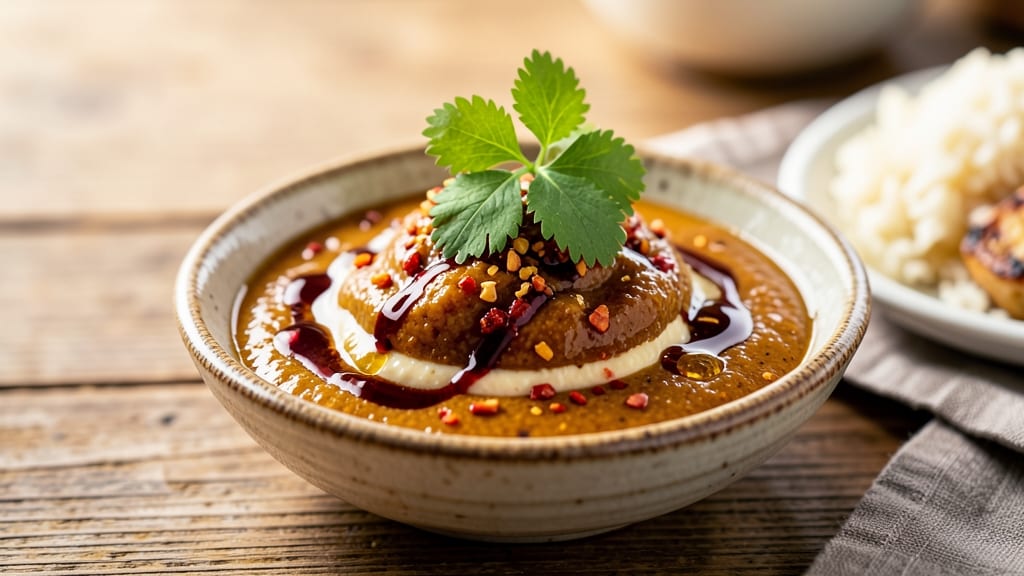
This Asian hot mustard sauce recipe delivers the perfect balance of heat, tang, and sweetness in every drop—ideal for dipping, marinating, or drizzling. ✨ The secret lies in combining Dijon mustard with chili paste and a touch of honey, creating a sauce that’s bold enough for spicy dishes but versatile enough for delicate flavors.
I developed this recipe after years of experimenting with Asian-inspired sauces, and it’s now my go-to for adding depth to everything from spring rolls to grilled meats.
The sauce starts with a base of Dijon mustard, which provides the tangy foundation, while chili paste and flakes deliver the heat. A splash of soy sauce adds umami richness, and honey balances the sharpness, creating a complex flavor profile that’s both fiery and smooth.
The sauce thickens slightly as it sits, making it perfect for dipping or as a marinade that tenderizes proteins while infusing them with flavor.
What makes this sauce truly special is its versatility—it elevates simple dishes like fries or veggie sticks into something restaurant-worthy. The heat level is customizable, so you can adjust it to your preference.
Store it in the refrigerator for up to two weeks, or freeze it for longer shelf life. Whether you’re dipping, marinating, or drizzling, this sauce will become a staple in your kitchen.
Ready in just 10 minutes, this recipe is perfect for weeknight cooking or meal prep. The ingredients are simple, but the results are anything but ordinary. Let’s make this fiery-sweet sauce and transform your favorite dishes with one simple drizzle.
Ingredients for asian hot mustard sauce
Ten ingredients transform into a fiery-sweet sauce that’ll elevate everything from fries to grilled meats.
| Ingredient | Amount | Notes |
|---|---|---|
| Dijon Mustard 🍯 | ½ cup | High-quality for tangy depth |
| Red Chili Paste 🌶️ | ¼ cup | Vibrant, not faded |
| Red Chili Flakes 🌶️ | 1 tbsp | Adjust for heat preference |
| Light Soy Sauce 🍶 | ¼ cup | Kikkoman preferred |
| Honey 🍯 | ¼ cup | Wildflower for floral notes |
| Rice Vinegar 🍶 | 1 tbsp | Seasoned preferred |
| Sesame Oil 🫒 | 1 tbsp | Toasted for aroma |
| Garlic Cloves 🧄 | 2 cloves | Minced for depth |
| Ginger Root 🌿 | 1 tsp | Freshly grated |
| Water 💧 | ¼ cup | Room temperature |
The Dijon mustard is your flavor anchor—Maille or Amoy are my go-tos, but any good-quality brand works. Red chili paste? Maesri or Thai Kitchen are the gold standard, but check the color—it should be deep, vibrant red, not dull. The garlic and ginger? Freshly minced makes all the difference, but if you're short on time, jarred minced works in a pinch. Sesame oil is non-negotiable for that nutty aroma—Kadoya is my favorite, but any toasted sesame oil will do. Store all your spices in a cool, dark place to keep them potent.
No red chili paste? Mix 1 tbsp chili powder with 1 tbsp water for a quick substitute. Out of honey? Maple syrup or agave work in a bind, though the flavor will shift slightly. The heat level too intense? Add another tbsp of honey or rice vinegar to balance it. Soy sauce? Tamari works too, but it’s pricier. For extra umami, add a splash of fish sauce—just know it’ll add a funky depth. The sauce thickens as it sits, so if it’s too thin, simmer it uncovered for 2-3 minutes to reduce.
This sauce keeps beautifully—up to 2 weeks in the fridge sealed in a jar. For longer storage, freeze in ice cube trays, then transfer to a bag. Thaw in the fridge overnight. Double the batch if you’re using it for marinades—it’ll disappear fast. The flavor actually improves after sitting for a few hours, so make it ahead if you can. A little goes a long way—start with a drizzle and adjust to taste.
Why You'll Love This Recipe
- Pantry Magic: I swear by this sauce because it uses things I already have—no last-minute grocery runs. The Dijon and soy sauce sit side by side in my cabinet, and the chili paste? I buy it in bulk because it’s my go-to for heat. Honestly, I’ve made this sauce after work when I forgot to shop, and it still tasted spot-on.
- Sweet Heat Balance: That honey isn’t just for sweetness—it cuts through the chili flakes and red chili paste like a cool breeze on a spicy day. I’ll be real: the first time I tasted it, I thought, "Why didn’t I mix these sooner?" The Dijon mustard adds depth, so it’s not just heat—it’s complex, tangy, and just a little addictive.
- Glaze, Dip, Drizzle: This sauce isn’t picky. I’ve used it as a glaze for grilled chicken, a dip for spring rolls, and even a finishing touch on roasted veggies. (Yes, even on a Tuesday night.) It’s my secret weapon for turning simple meals into something that feels special—no fancy techniques required.
- Makes Leftovers Shine: I double the batch because it lasts forever in the fridge, and it only gets better over time. The flavors meld, the heat mellows just enough, and suddenly, my weeknight stir-fries or takeout-style bowls taste like they came from a restaurant. Between us, I’ve saved money by using this instead of store-bought sauces that cost twice as much.
Step-by-step instructions for Asian hot mustard sauce
This fiery-sweet sauce comes together in minutes—perfect for dipping, marinades, or glaze.
🍳 Step 1: Sauté Aromatics Until Fragrant
Heat a small saucepan over medium heat. Add the 1 tablespoon sesame oil and let it warm for 30 seconds until shimmering. Add the 2 cloves minced garlic and 1 teaspoon freshly grated ginger root, stirring constantly for 30-45 seconds until fragrant but not browned.
Here's the thing—ginger and garlic burn faster than you think. Watch closely! When the mixture smells like a bustling Asian street market, it's ready. Remove the pan from heat immediately to prevent burning.
🥘 Step 2: Combine Wet Ingredients and Simmer
Return the pan to medium-low heat and add the 0.25 cup light soy sauce, 0.25 cup honey, 1 tablespoon rice vinegar, and 0.25 cup water. Stir to combine, then bring to a gentle simmer. Let it cook for 3-4 minutes until slightly thickened and the mixture reduces by about ¼.
You'll see the sauce transform from watery to glossy. This reduction step is crucial—it concentrates the flavors and creates that perfect balance of sweet and tangy. If it starts sticking, add another splash of water, but don't overdo it.
🔥 Step 3: Blend in Heat and Tang
Lower the heat to low and stir in the 0.5 cup Dijon mustard, 0.25 cup red chili paste, and 1 tablespoon red chili flakes. Mix vigorously for 1-2 minutes until completely smooth. The sauce should thicken noticeably and develop a vibrant red hue.
This is where the magic happens! The Dijon mustard adds that signature tang while the chili components bring the heat. Taste as you go—you can adjust the heat by adding more chili flakes if you're feeling adventurous, or a touch more honey if you want to mellow it out.
⏰ Step 4: Cool and Adjust Consistency
Remove the sauce from heat and let it cool for 5-10 minutes. The sauce will thicken further as it cools. If it's too thick for your liking, thin it with 1-2 teaspoons of water at a time. For a smoother texture, transfer to a blender and pulse briefly to break up any remaining chunks.
I like to let mine sit for at least 15 minutes before using—this allows all the flavors to meld together perfectly. The color should be a deep, vibrant red with a glossy sheen. If it separates, just give it a quick stir before using.
Pro Tips For Making Asian Hot Mustard Sauce
- Thin Gradually: Whisk in the soy sauce and honey one tablespoon at a time while the mustard-chili base simmers—adding all at once risks a clumpy, grainy mess. I learned this after making a batch that looked like it had been blended with sand.
- Toast the Chili: Heat the red chili paste in a dry pan for 30 seconds before adding it to the mustard—this deepens its smoky flavor and cuts the raw acidity. Skip this, and you’ll taste the paste’s bitterness instead of its warmth.
- Balance the Heat: Taste as you go, but wait 10 seconds before adding more chili flakes—your tongue’s initial reaction is too sensitive. I used to double the flakes and end up with a sauce that burned the back of my throat instead of adding depth.
- Sweeten Last: Stir in the honey after the sauce has cooled slightly—adding it too early can make the mustard curdle from the heat. The sauce will still taste sweet, but it’ll stay smooth, not grainy.
Common mistakes when making your asian hot mustard sauce
Overcooking the Base
The most common mistake is letting the aromatics burn before adding the wet ingredients. Garlic and ginger release their flavors quickly but turn bitter if overcooked—watch them closely over medium heat for just 30-45 seconds.
I’ve ruined batches by walking away for "just a minute," so keep your eye on the pan. The moment you smell that fragrant aroma, remove it from heat immediately. 🌶️
Skipping the Reduction
Many people rush the simmering step, but reducing the wet ingredients by ¼ is crucial for balancing flavors. This step concentrates the sweetness and tang, preventing the sauce from tasting watery. If you skip it, your sauce will lack depth. Let it simmer gently for 3-4 minutes—don’t walk away!
Adding Heat Last
Stirring in the chili paste and flakes too early can mute their heat. Always add them after the wet ingredients have simmered and thickened slightly. This ensures the heat integrates smoothly rather than clumping or losing potency.
Mix vigorously for 1-2 minutes to distribute the heat evenly. Trust me, this makes all the difference!
Ignoring the Cooling Phase
The sauce continues to thicken as it cools, so don’t rush this step. Letting it sit for 5-10 minutes (or up to 15 minutes for deeper flavor) prevents a gluey texture. If it’s too thick, thin with water—never force it while hot. Patience here ensures a silky, glossy finish. ⏰
Using Low-Quality Mustard
Not all Dijon mustards are created equal. Cheap brands lack the tangy depth that balances the heat. Stick with Maille or Amoy for that signature sharpness.
If you’re out of options, a quick fix is adding ½ teaspoon apple cider vinegar to mimic the tang, but it won’t be the same.
Forgetting to Taste Adjust
Every batch varies slightly, so always taste as you go. Need more heat? Add ½ teaspoon chili flakes. Too sharp? A splash of honey or extra rice vinegar can fix it. The sauce should sing with a perfect harmony of sweet, tangy, and fiery notes—adjust until it does! 💫
Nutrition facts
Frequently asked questions
Can I make this sauce without fresh ginger and garlic?
Use 1 teaspoon jarred minced garlic and ½ teaspoon ground ginger as substitutes. For extra flavor, add ½ teaspoon garlic powder after cooking. The sauce will still taste amazing, though fresh aromatics add depth you can't replicate with powders alone.
How spicy will this sauce be?
The heat level is medium-hot, thanks to the chili paste and flakes. For milder heat, reduce chili flakes to ½ tablespoon or add 1 extra tablespoon of honey. If you love spice, keep the full amount and add ½ teaspoon cayenne pepper for extra kick. Always taste as you go!
What are the best ways to use this sauce?
This versatile sauce works as a dipping sauce for spring rolls or fries, a marinade for grilled meats (especially chicken or pork), or a glaze for roasted veggies. It also elevates noodle dishes like pad thai or ramen. For extra flavor, let the sauce marinate proteins for 30 minutes before cooking.
Can I substitute honey with another sweetener?
Yes! For a 1:1 substitution, use maple syrup, agave, or brown sugar. Maple syrup adds a caramel-like depth, while agave keeps it neutral. Brown sugar works best if dissolved first in the warm sauce. Avoid artificial sweeteners—they won't caramelize like natural sugars and may alter the sauce's balance.
How do I store and reheat leftovers?
Store in an airtight container in the fridge for up to 2 weeks. For longer storage, freeze in ice cube trays or small jars (up to 3 months). To reheat, warm gently in a saucepan over low heat for 1-2 minutes, stirring constantly. Never microwave—it can separate the sauce. Stir well before using!