
Sauces & Condiments
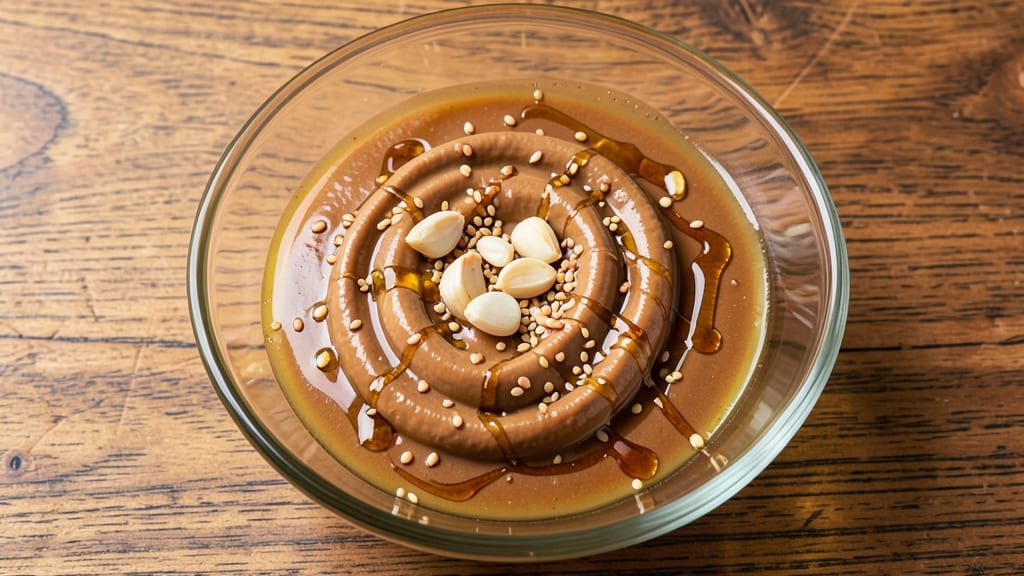
This Asian lettuce wrap sauce recipe transforms simple ingredients into a nutty-peanut crunch with tangy lime zing—the perfect balance for fresh lettuce wraps, dipping, or marinades.
The secret lies in blending rich peanut butter with zesty lime juice and aromatic sesame oil, creating a sauce that's smooth yet complex, with just the right amount of heat and depth. I developed this version after testing countless combinations, and it consistently delivers that restaurant-quality flavor at home.
What sets this sauce apart is its versatility—it works equally well as a dipping sauce for spring rolls, a marinade for grilled meats, or a tangy dressing for noodle bowls. The peanut butter adds creaminess and a satisfying crunch, while the lime brightens every bite with its refreshing acidity.
Unlike many Asian sauces, this one doesn’t require complicated techniques—just a few simple ingredients mixed together for a foolproof result.
The sauce’s texture is smooth and pourable, making it easy to drizzle or dip without clumping. The balance of sweet, savory, and spicy flavors makes it addictive, and the nutty undertones keep it interesting.
Whether you're serving it with lettuce wraps, fresh vegetables, or grilled proteins, this sauce elevates any dish with minimal effort.
Best of all, it comes together in just 10 minutes with ingredients you likely already have on hand. Let’s make this sauce—the perfect companion for your next meal.
Ingredients for asian lettuce wrap sauce
Ten simple ingredients blend into this addictive sauce—nutty, tangy, and packed with restaurant-quality flavor.
| Ingredient | Amount | Notes |
|---|---|---|
| Natural Peanut Butter 🥜 | ½ cup | Creamy, unsweetened preferred |
| Lime Juice 🍋 | ¼ cup | Freshly squeezed, seeds strained |
| Sesame Oil 🫒 | 1 tbsp | Toasted, not flavored |
| Soy Sauce 🍶 | 2 tbsp | Light or dark preferred |
| Honey 🍯 | 1 tbsp | Wildflower or clover variety |
| Garlic Cloves 🧄 | 2 cloves | Minced, fresh preferred |
| Ginger Root 🌿 | 1 tbsp | Freshly grated, peeled |
| Sriracha 🌶️ | 1 tbsp | Adjust for heat preference |
| Water 💧 | ¼ cup | Room temperature preferred |
| Sesame Seeds 🌾 | 1 tsp | Toasted for garnish |
The peanut butter is the heart of this sauce—natural, unsweetened is key for authentic depth. Trader Joe's or Whole Foods carry excellent brands, but any good-quality store-bought works. Toasted sesame oil adds that aromatic punch, and you'll find it in the Asian aisle. Look for toasted, not flavored—the difference is night and day. Fresh lime juice is non-negotiable; bottled just won't cut it. I always grab extra limes since they're the star here. The ginger and garlic? Freshly grated and minced—no shortcuts if you want that bright, zesty flavor. Store your peanut butter in the fridge after opening to prevent rancidity, and keep the sesame oil in a cool, dark place.
No peanut butter? Sunflower seed butter works perfectly—same creamy texture, nutty flavor. Running low on lime juice? Lemon juice with a pinch of sugar bridges the gap, though it won’t be identical. Substitute honey with maple syrup if you're avoiding it, but the flavor will shift slightly. Sriracha too spicy? Cut it in half or swap for a mild chili sauce. The water is just for thinning—adjust to your desired consistency, but don’t skip it entirely. For extra crunch, toast your sesame seeds in a dry pan for 30 seconds before using. Pre-made peanut butter with additives? Drain off the oils first for cleaner flavor. This sauce freezes beautifully—just thaw and stir before using.
This sauce keeps for up to 1 week in the fridge, sealed tightly in a jar. The flavors actually deepen overnight, so making it ahead is ideal. Portion into small containers if you're using it frequently—it disappears fast. For longer storage, freeze for up to 3 months. Thaw in the fridge overnight. The sesame seeds? Toast them fresh each time you use the sauce—they add that irresistible crunch. Double the batch if you're serving a crowd; it’s that good. Leftovers? Toss them into stir-fries or use as a marinade for grilled chicken. Trust me, you’ll want to make this often.
Why You'll Love This Recipe
- Five-Ingredient Magic: I swear, this sauce comes together with just a spoon and a bowl—no blender, no fuss. That creamy peanut butter, zesty lime, and toasty sesame oil blend into something ridiculously good with almost no effort.
- Umami Bomb: The soy sauce and honey balance perfectly—sweet, salty, and just a hint of funk. Honestly, it’s the kind of flavor that makes you pause mid-bite and think, “Wait, is this even healthy?”
- Wrap Anything: From shrimp to tofu, chicken to cold noodles, this sauce turns boring meals into something exciting. (Yes, even on a Tuesday night.) The lime keeps it fresh, so it works for lunchboxes or dinner parties alike.
- No-Waste Pantry Staple: A little goes a long way—this sauce keeps for days in the fridge, and I’ve used it on everything from lettuce wraps to stir-fries. Between us, it’s my secret weapon for stretching meals without breaking the bank.
Step-by-step instructions for Asian lettuce wrap sauce
This nutty, tangy sauce comes together in minutes—creamy, bold, and packed with layers of flavor.
Toast the Sesame Seeds and Infuse the Oil
Start by lightly toasting the 1 teaspoon sesame seeds in a dry skillet over medium-low heat for 1-2 minutes until they release a nutty aroma and turn a deeper golden color. Watch closely—they burn quickly! Immediately transfer them to a small bowl and set aside for garnish.
In the same skillet, add the 1 tablespoon sesame oil and heat over low heat for 30 seconds until fragrant. The oil should smell toasty and nutty—this is your flavor foundation. Remove from heat and let it cool slightly before using. This step intensifies the sesame flavor without overpowering the sauce's balance.
Blend the Base Ingredients
In a blender or food processor, combine the 0.5 cup natural peanut butter, 0.25 cup lime juice, 2 tablespoons soy sauce, 1 tablespoon honey, 2 minced garlic cloves, and 1 tablespoon freshly grated ginger root. Blend on high speed for 30-45 seconds until completely smooth, scraping down the sides as needed. The mixture should transform from chunky to velvety—this ensures no gritty textures in your sauce.
Add the 1 tablespoon Sriracha and the warm sesame oil to the blender. Pulse briefly to incorporate, then blend again for another 10-15 seconds. Taste the mixture at this stage—it should be rich, tangy, and slightly spicy with a bright citrus note. If you prefer more heat, add an extra ½ teaspoon Sriracha; for more sweetness, add another ½ teaspoon honey.
Emulsify with Water for Perfect Consistency
With the blender running on low speed, slowly pour in the 0.25 cup water while blending continuously. This gradual addition prevents the sauce from becoming too thin or breaking into separate layers. The goal is a smooth, pourable consistency—thick enough to cling to lettuce wraps but still easy to drizzle.
Blend for another 20-30 seconds until fully emulsified. The sauce should coat the back of a spoon without being gluey. If it’s too thick, add 1 more tablespoon water; if too thin, blend in 1 teaspoon peanut butter until it reaches the ideal texture. This step is critical—too thick, and your sauce won’t coat properly; too thin, and it’ll pool at the bottom of your wrap.
Adjust and Garnish for Restaurant-Quality Finish
Transfer the sauce to a bowl and taste again. This is your final chance to balance the flavors: need more tang? Add 1 teaspoon lime juice; too spicy? Dull the heat with ½ teaspoon honey; need depth? Stir in ½ teaspoon soy sauce. The sauce should harmonize all its components—creamy peanut, bright lime, umami soy, and a kick of ginger and chili.
Drizzle the sauce into small serving bowls or directly onto lettuce cups. Sprinkle with the toasted sesame seeds just before serving to add crunch and visual appeal. The seeds should be evenly distributed—this adds texture contrast and a final nutty finish. Serve immediately while the sauce is still vibrant and the seeds are crisp.
Pro Tips For Making Asian Lettuce Wrap Sauce
- STIR IN THE SESAME OIL LAST: I learned this the hard way—adding sesame oil early kills its nutty aroma. Toss it in just as you finish whisking everything else, then give it a quick swirl. That last splash of aroma is what makes the sauce sing.
- USE WARM PEANUT BUTTER: Cold peanut butter clumps like a stubborn grease stain. Microwave it for 15 seconds first, then whisk it into the warm honey and lime juice. The sauce will emulsify smoother, and you’ll avoid that grainy texture that ruins the whole thing.
- SALT THE SOY SAUCE: Store-bought soy sauce is already salty, but not always enough for this sauce. Taste it before mixing—if it’s bland, add a pinch of flaky salt or a splash of fish sauce. Trust me, your lettuce wraps will thank you.
- WHISK LIKE YOU MEAN IT: This isn’t a smoothie—you need to work that peanut butter into the lime juice until it’s fully dissolved. Use a fork first, then switch to a whisk and scrape the bowl like you’re mad at it. Skimp here, and you’ll get peanut butter blobs in every bite.
Perfect pairings for this asian lettuce wrap sauce
Lettuce Wrap Pairings
This sauce transforms simple lettuce cups into gourmet bites. Use butter lettuce or romaine for sturdy leaves that hold up to fillings like shrimp, grilled chicken, or crispy tofu.
For extra flair, add thinly sliced cucumber, shredded carrots, and bean sprouts—the crunch contrasts beautifully with the creamy sauce. 🥬
For a heartier version, stuff your wraps with steamed rice noodles, diced bell peppers, and crispy fried shallots. The sauce clings perfectly to the noodles, creating a cohesive bite.
I love using iceberg lettuce for its crisp texture when paired with spicy fillings like sliced jalapeños or pickled red onions.
Dipping Sauce Magic
This sauce doubles as a dipping sauce for spring rolls, egg rolls, or fresh spring roll vegetables. Serve it in small bowls with wooden chopsticks or a dipping spoon for easy access.
The peanut-lime combo enhances the crunch of wonton chips or rice crackers, making them irresistible. 🍢
For a fusion twist, pair it with grilled skewers or teriyaki-glazed chicken. The sauce cuts through the richness of fried foods while adding a bright, tangy contrast. I often drizzle it over cold noodle salads or summer rolls—it’s a game-changer for refreshing dishes.
Marinade Potential
Use this sauce as a marinade for grilled meats like chicken thighs or pork tenderloin. The peanut and lime tenderize the protein while infusing bold flavor. Marinate for at least 30 minutes (or overnight for deeper flavor) before grilling or broiling. 🍗
For seafood lovers, brush it lightly over salmon fillets or shrimp skewers before cooking. The sauce caramelizes beautifully on the grill, creating a sticky, flavorful crust. I also use it as a finishing sauce for seared scallops—just drizzle it on after cooking for a restaurant-worthy touch.
Noodle Bowl Elevator
Stir this sauce into ramen, udon, or pho for an instant upgrade. Add 1-2 tablespoons to your broth-based noodles and toss gently to coat. The peanut and lime add depth without overpowering the broth. For extra richness, top with crispy fried shallots or scallions. 🍜
It also works as a dressing for cold noodle salads or zucchini noodles. Toss with sliced bell peppers, edamame, and sesame seeds for a refreshing, protein-packed dish. The sauce’s balance of sweet, savory, and spicy makes it versatile for both hot and cold dishes.
Nutrition facts
Frequently asked questions
Can I make this sauce without peanut butter?
Swap the peanut butter for ½ cup sunflower seed butter for a nut-free version with the same creamy texture. For a different nutty flavor, try cashew butter or even tahini (sesame paste), though the taste will shift slightly. Adjust the water as needed for consistency—some seed butters are thicker than peanut butter.
How spicy should this sauce be?
The recipe starts with 1 tablespoon Sriracha, which gives a mild to medium kick. For a milder sauce, reduce to ½ tablespoon or swap for 1 teaspoon chili garlic sauce. For extra heat, add ½ teaspoon red pepper flakes or a dash of gochujang. Taste as you go—you can always adjust, but you can't take out the heat once it's in!
Why did my sauce separate?
Sauces separate when oils and liquids aren't properly emulsified. To fix it, blend in 1 teaspoon xanthan gum or ½ teaspoon cornstarch mixed with 1 tablespoon water while blending on high. For prevention, add ingredients to the blender in this order: peanut butter first, then liquids, and blend gradually. The water should be added last while blending continuously to create a smooth emulsion.
Can I make this sauce ahead of time?
Yes! This sauce actually tastes better after resting. Store it in an airtight container in the fridge for up to 1 week, where the flavors meld beautifully. For longer storage, freeze for up to 3 months. Thaw overnight in the fridge and stir well before using. Pro tip: Toast fresh sesame seeds before serving to maintain their crunch—store-bought seeds lose their crispness over time.
What's the best lettuce for wraps?
For sturdy wraps that hold fillings well, use butter lettuce or romaine. Iceberg works too but is less sturdy. Avoid delicate greens like spinach—they'll get soggy. For extra flavor, lightly rinse and dry your lettuce leaves just before assembling. Chill the lettuce cups in the fridge for 10 minutes before filling to keep them crisp.