
Sauces & Condiments
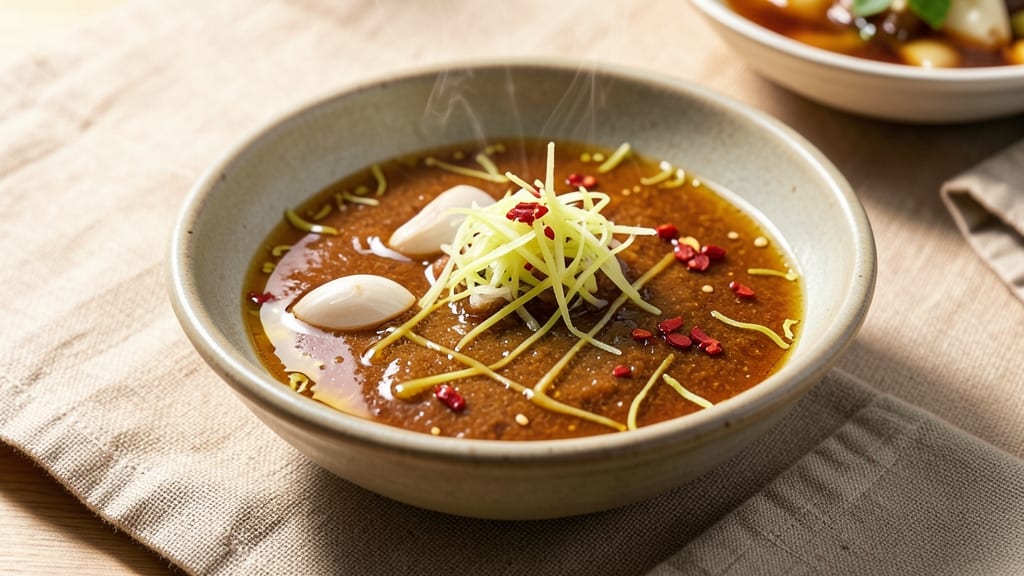
This Asian potstickers sauce recipe transforms crispy bites into an irresistible experience with its perfect balance of sweet, spicy, and umami flavors. The secret lies in a harmonious blend of soy sauce, ginger, and a touch of heat that enhances every golden, crispy edge.
I developed this sauce after years of perfecting the art of dipping—it’s the kind of sauce that makes potstickers taste even better than they already are.
The foundation of this sauce is a simple yet powerful combination: soy sauce for depth, fresh ginger for warmth, and a hint of chili to keep things exciting.
What sets this apart is the caramelization that happens when you simmer the sauce just right—it creates a glossy, sticky finish that clings to every crispy bite. This sauce works as both a dipping companion and a pan sauce, so you can use it however you like.
What you’ll end up with is a vibrant, aromatic sauce that’s bold enough to stand up to the richness of potstickers but balanced enough to let their natural flavors shine.
The sweetness from a touch of sugar or honey rounds out the heat, while the ginger adds a fresh, zesty kick. It’s the kind of sauce that turns a simple appetizer into a showstopper.
Best of all, this sauce keeps well in the fridge for up to a week, making it perfect for meal prep or entertaining. Whether you’re serving traditional potstickers or modern twists, this recipe will elevate every bite. Let’s get started!
Ingredients for asian potsticker sauce
Nine simple ingredients create the perfect sauce for crispy potstickers—sweet, spicy, and full of umami.
| Ingredient | Amount | Notes |
|---|---|---|
| Soy Sauce 🥢 | ½ cup | Light or dark soy preferred |
| Fresh Ginger 🧄 | 2 tbsp | Finely grated, aromatic |
| Rice Vinegar 🍶 | 2 tbsp | White or seasoned vinegar |
| Honey 🍯 | 2 tbsp | Or agave for vegan option |
| Sesame Oil 🫒 | 1 tbsp | Toasted for nutty aroma |
| Red Chili Flakes 🌶️ | 1 tsp | Adjust for spice preference |
| Garlic Cloves 🧄 | 2 cloves | Minced, fresh preferred |
| Water 💧 | ¼ cup | For thinning if needed |
| Salt 🧂 | ½ tsp | Kosher or sea salt |
The ginger is where the magic happens—fresh, aromatic ginger gives this sauce its signature warmth. Grab the ginger root from the produce section (not the jarred kind) and use a microplane for the finest texture. Whole Foods or Asian markets always have the freshest ginger, but any grocery store will do. If you're short on time, jarred ginger paste works in a pinch, but it lacks that bright, fresh flavor. The soy sauce? Light soy for color, dark soy for depth—I usually mix both for balance. And for the honey, local honey adds subtle floral notes that jarred honey can't match.
No fresh ginger? Ginger powder at half the amount gets you close, though it won't have that same zing. Running low on sesame oil? Toasted peanut oil works just as well—same nutty richness. The chili flakes can be swapped for Sriracha or gochujang at 1 tsp, but you'll need to adjust the sweetness. For a deeper umami punch, add 1 tsp fish sauce (if not vegetarian) or soy sauce substitute. The garlic can be omitted if you're sensitive to its bite, but trust me—it rounds out the flavors perfectly. And if your sauce gets too thick, just add water 1 tbsp at a time until it reaches that glossy, dippable consistency.
This sauce keeps beautifully—up to 1 week in the fridge sealed in a jar. The flavors actually deepen overnight, so make extra if you can. For longer storage, freeze in ice cube trays and pop out as needed. The sesame oil will separate when refrigerated, so give it a quick stir before using. And if you're prepping for a crowd, double the batch—it disappears fast during potsticker parties. Pro tip: Add a splash of hot water when reheating to maintain that glossy finish.
Why You'll Love This Recipe
- Five-Ingredient Magic: I swear by this sauce because it’s that simple—just soy, ginger, vinegar, honey, and sesame oil. No fancy techniques, no last-minute grocery runs. Honestly, I’ve made it while microwaving leftovers in the same kitchen.
- Umami Bomb: That first splash of soy and sesame oil? Instant flavor explosion. The ginger adds a bright, zesty kick, while the honey rounds it out—sweet, tangy, and just a little nutty. It’s the kind of sauce that makes you pour extra, no question.
- Leftover Hero: This sauce keeps like a dream in the fridge for up to a week. Drizzle it on cold noodles, toss with stir-fried greens, or even slather it on grilled chicken. I’ve even used it as a quick marinade—because why not?
- Budget Flex: Fresh ginger and rice vinegar stretch your dollar without sacrificing taste. A little goes a long way, and you won’t find yourself tossing out wilted herbs or expired spices. My wallet and my taste buds win.
Step-by-step instructions for sweet-spicy soy-ginger dip
This sauce brings your potstickers to life with every crispy bite—balanced sweetness, zesty kick, and umami depth.
Grate and Mince the Aromatics
Start by grating the 2 tablespoons of fresh ginger using a fine grater or microplane. You want a smooth paste—no fibrous bits—so press firmly against the grater. Then, finely mince the 2 cloves garlic using a sharp knife or garlic press. I like to smash the garlic first with the flat side of my knife to release more flavor before mincing.
The fresh ginger should smell bright and citrusy, while the garlic should release its pungent aroma. These aromatics form the flavor foundation, so don't skip the mincing—it makes all the difference in the final sauce. Set both aside in separate small bowls for now.
Bloom the Garlic and Ginger in Oil
Heat a small saucepan over medium-low heat and add the 1 tablespoon sesame oil. Let it warm for about 30 seconds until it shimmers slightly—you'll see tiny bubbles forming around the edges. Add the minced garlic and grated ginger, stirring constantly for 1-2 minutes until the garlic turns golden and the ginger loses its raw aroma.
This step is crucial—it prevents the garlic from burning and allows the ginger to soften, releasing its natural oils. You'll know it's ready when the mixture smells rich and aromatic, like a warm spice market. Remove from heat immediately after the garlic colors to avoid bitterness.
Combine Wet Ingredients for the Base
Return the saucepan to the heat and add the 0.5 cup soy sauce, 2 tablespoons rice vinegar, 2 tablespoons honey, and 0.5 teaspoon salt. Stir well to combine, then bring the mixture to a gentle simmer over medium heat. Let it bubble away for 3-4 minutes, stirring occasionally, until the honey begins to dissolve and the sauce slightly thickens.
Here's where the magic happens—the soy sauce deepens in color, the vinegar brightens the flavors, and the honey creates that perfect sweet-spicy balance. You'll see the sauce reduce slightly, which intensifies the flavors. If it gets too thick, add 1-2 tablespoons of the 0.25 cup water to reach your desired consistency.
Add Chili Flakes and Finish
Reduce the heat to low and stir in the 1 teaspoon red chili flakes. Let the sauce simmer for an additional 1-2 minutes, just until the chili flakes are evenly distributed and the sauce coats the back of a spoon. Taste and adjust the seasoning—add a pinch more salt if needed, or a touch more honey for sweetness.
The chili flakes should add a gentle warmth without overpowering the sauce. If you prefer more heat, add an extra ¼ teaspoon and stir. Let the sauce cool slightly before serving—this allows the flavors to meld even more. The final texture should be smooth, glossy, and perfect for dipping those golden, crispy potstickers.
Rest and Serve
Transfer the sauce to a small bowl or jar and let it sit at room temperature for 10-15 minutes. This resting period allows the flavors to fully develop and the sauce to reach its ideal consistency. The longer it sits, the more balanced and complex the flavors become.
Serve the sauce warm or at room temperature with your potstickers. The contrast of the crispy, savory dumplings against the sweet-spicy sauce is what makes this dip irresistible. For extra flair, garnish with a drizzle of sesame oil or a sprinkle of extra chili flakes. Enjoy immediately while the dumplings are still hot and the sauce is at its peak flavor!
Pro Tips For Making Asian Potsticker Sauce
- Grate Ginger Fine: I learned this the hard way—chunky ginger just sits there like a stubborn guest. Use the smallest holes on your grater or pulse it in a food processor until it’s almost paste-like. This way, it dissolves completely into the sauce and doesn’t leave you with chewy bits when you’re done.
- Warm the Vinegar: Cold rice vinegar hits like a splash of water in your mouth. Heat it gently with the honey first—just until the honey starts to soften—so the flavors meld instead of fighting each other. It’s a tiny step, but it makes the sauce taste like it was made by someone who actually likes their food.
- Taste Before the Oil: Sesame oil is the flavor bomb, but if you add it first, you’ll end up drowning out everything else. Build the base with soy, ginger, and vinegar, taste it, then drizzle in the oil last. This way, you can adjust the balance—too salty? Fix it. Too sharp? Fix that too—before the oil turns your sauce into a one-note show.
- Simmer, Don’t Boil: After mixing everything, keep the heat low enough that you’re barely seeing bubbles. Boiling turns soy sauce bitter and vinegar harsh. A gentle simmer for 2-3 minutes lets the honey caramelize just enough to round out the sharpness—no drama, just harmony. (Yes, even if you’re impatient like me.)
Essential equipment for perfect results
Small Saucepan
This sauce comes together in a small 8-inch saucepan—just enough to hold all the ingredients without overcrowding. I use a stainless steel saucepan (like my All-Clad tri-ply) because it heats evenly and prevents scorching.
If you don’t have one, a heavy-bottomed pot works too. The key is to keep the heat medium-low to avoid burning the garlic or ginger. 🔥
Fine Grater/Microplane
For the fresh ginger, a fine grater or microplane is non-negotiable. I swear by my OXO Good Grips microplane—it’s easy to grip, and the tiny holes create a smooth paste. If you only have a box grater, use the smallest holes and press firmly.
The goal is to avoid fibrous bits that can make the sauce grainy. For garlic, a sharp knife or garlic press works best. 🧄
Small Mixing Bowls
Keep your aromatics organized with two small mixing bowls (about 6-8 ounces each). One for the grated ginger and one for the minced garlic. This prevents cross-contamination and makes it easier to measure out the ingredients precisely.
I like glass or ceramic bowls because they’re easy to clean and don’t absorb odors like plastic. Pro tip: Label them if you’re multitasking in the kitchen! 💡
Wooden Spoon
A wooden spoon is my go-to for stirring this sauce—it won’t scratch your pan like metal utensils can. I use a long-handled spoon (about 12 inches) to avoid splatters when the sauce simmers.
Wood also helps distribute heat evenly, preventing hot spots. If you don’t have one, a heat-resistant silicone spatula works too. Just avoid plastic, which can melt under high heat. ✨
Measuring Spoons
Precision matters with spices and liquids, so grab your set of measuring spoons. I always reach for my stainless steel set (like OXO’s 5-piece) for accuracy. For the 1 teaspoon chili flakes or 2 tablespoons honey, a 1/4 teaspoon measure ensures you don’t overdo it.
A kitchen scale isn’t necessary here, but if you’re feeling fancy, it’s great for measuring the ginger or garlic by weight for consistency. 📏
Small Bowl for Resting
After simmering, transfer the sauce to a small bowl or jar (about 8-12 ounces) to rest. I use a glass jar with a lid (like a mason jar) because it’s easy to store and reheat.
The sauce thickens slightly as it cools, so choose a container with some room to spare. If you’re serving immediately, a wide, shallow bowl lets guests dip without spills. 🍶
Nutrition facts
Frequently asked questions
Can I make this sauce without fresh ginger?
Yes! Use 1 teaspoon ground ginger instead, but expect a slightly less vibrant flavor. For a better alternative, try 1 tablespoon jarred ginger paste—it’s closer to fresh. If you’re in a pinch, a pinch of ginger powder (½ teaspoon) can work, but fresh ginger’s zesty aroma is irreplaceable for that authentic taste.
How can I adjust the spice level?
Start with the 1 teaspoon chili flakes and taste as you go. For milder heat, reduce to ½ teaspoon. For extra kick, add ½ teaspoon more or swap in 1 teaspoon gochujang (Korean chili paste) for deeper spice. Always stir well to distribute heat evenly.
Can I use this sauce for other dishes besides potstickers?
This versatile sauce works perfectly with dumplings, spring rolls, or grilled meats. It’s also great as a marinade for tofu or chicken. For noodle dishes, thin it with 1-2 tablespoons water to create a lighter sauce. The sweet-spicy balance makes it a fantastic dipping sauce for almost anything crispy!
Why did my sauce turn cloudy or separate?
This usually happens if the sauce cooled too quickly or if you used too much water. Reheat gently over low heat while stirring until smooth. For future batches, let the sauce rest 10-15 minutes at room temp before refrigerating. The sesame oil may separate—just stir before using. If it’s still grainy, strain through a fine-mesh sieve.
What’s the best way to store leftover sauce?
Transfer to an airtight container and refrigerate for up to 1 week. The flavors actually improve over time! For longer storage, freeze in ice cube trays and transfer to a bag. Thaw in the fridge overnight. When reheating, add a splash of hot water to restore that glossy texture.