
Sauces & Condiments
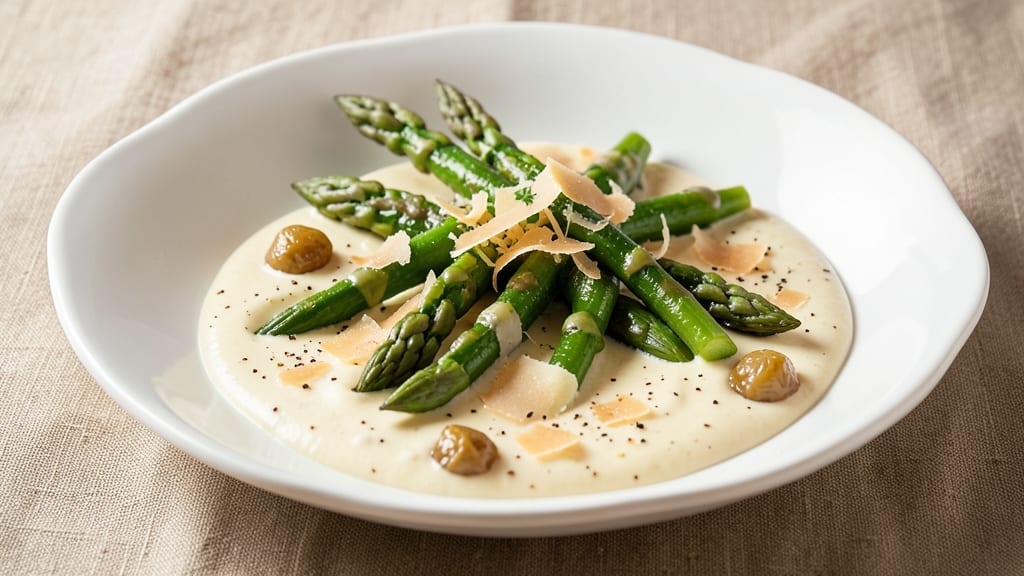
This asparagus alfredo sauce recipe transforms simple ingredients into a velvety, herb-infused sauce that perfectly complements fresh asparagus. The key lies in balancing rich cream with bright asparagus and sharp Parmesan, creating a sauce that's both comforting and sophisticated.
What makes this recipe stand out is the way the earthy greens infuse the sauce with subtle depth, making it far more interesting than traditional Alfredo.
The process is straightforward but requires attention to technique—simmering the sauce gently to avoid breaking the emulsion while allowing the asparagus to release its natural sweetness. You'll need just 10 minutes of active time, followed by a 5-minute simmer to develop those rich, creamy layers.
The result is a sauce that coats pasta, chicken, or vegetables with luxurious smoothness while keeping the dish light and fresh.
What sets this sauce apart is its versatility—it works equally well over fettuccine, as a dipping sauce for grilled meats, or even as a topping for roasted vegetables. The herb infusion adds brightness, while the asparagus brings an unexpected earthiness that balances the richness of the cream and cheese.
This isn't just another Alfredo; it's a sauce that transforms ordinary meals into something special.
For those looking to adapt, a simple vegan version swaps butter and cream for plant-based alternatives without sacrificing texture. The technique remains the same, ensuring a creamy, flavorful result regardless of dietary preferences. Let's create this sauce that elevates any dish it touches.
Ingredients for asparagus alfredo sauce
Nine simple ingredients elevate this classic Alfredo into a sophisticated herb-infused sauce with vibrant asparagus depth.
| Ingredient | Amount | Notes |
|---|---|---|
| Fresh Asparagus 🌱 | 1 lb | Trimmed and cut into 1-inch pieces |
| Heavy Cream 🥛 | 1 ½ cups | Full-fat for optimal richness |
| Unsalted Butter 🧈 | ½ cup | Cold, cubed for even melting |
| Parmesan Cheese 🧀 | 1 cup | Freshly grated from block |
| Fresh Garlic Cloves 🧄 | 4 cloves | Minced for aromatic depth |
| Fresh Lemon Juice 🍋 | 1 tbsp | Brightens the creamy base |
| Fresh Chives 🌿 | ¼ cup | Finely chopped for herbaceous notes |
| Diamond Crystal Kosher Salt 🧂 | ½ tsp | Adjust to taste after blending |
| Freshly Ground Black Pepper 🌶️ | ¼ tsp | Enhances earthy asparagus flavor |
| Extra-Virgin Olive Oil 🫒 | 1 tbsp | For finishing drizzle |
The asparagus is the secret weapon here—choose bright green stalks with firm tips. Whole Foods or local farmers markets offer the freshest cuts, but any grocery store's pre-trimmed asparagus works in a pinch. For the cream, Hormel Heavy Whipping Cream or Organic Valley deliver consistent results. The Parmesan must be freshly grated; pre-shredded contains anti-caking agents that prevent proper melting. Parmigiano-Reggiano from the deli counter is ideal, but any high-quality aged Parmesan will work. Garlic should be peeled and minced just before use to preserve its volatile oils, which carry the sauce's aromatic foundation.
No fresh asparagus? Frozen asparagus works, but thaw and pat thoroughly to avoid excess moisture. Substitute heavy cream with half-and-half for a lighter texture, though the sauce will be less rich. For a dairy-free version, full-fat coconut milk blended with nutritional yeast mimics the creaminess remarkably well. The chives can be swapped for fresh parsley or basil if unavailable, though chives provide a more delicate anise-like note. If you lack lemon juice, white wine vinegar at half the amount offers a similar acidity boost. For those avoiding gluten, ensure your Parmesan is certified gluten-free, as some brands process cheese in shared facilities.
This sauce is best made fresh but can be stored in an airtight container for up to 3 days in the refrigerator. To reheat, warm gently over low heat, stirring constantly to prevent separation. For longer storage, freeze in ice cube trays—perfect for portion control. The sauce thickens as it cools, so adding a splash of warm milk or broth when reheating restores its velvety consistency. Garnish with a drizzle of extra-virgin olive oil and extra chives just before serving to maintain vibrant color and freshness.
Why You'll Love This Recipe
- No Chopping Hassle: I swear by this sauce because the asparagus just snaps—no tedious trimming or peeling. Toss the stalks in whole (or break them if you prefer), and the sauce does the rest while you stir.
- Rich Without Overpowering: That first bite of alfredo clinging to tender asparagus? It’s like a creamy hug from the cheese and butter, but the garlic keeps it bright. Honestly, the balance is what makes it stand out—no heavy, greasy aftertaste.
- Weeknight to Dinner Party: Same sauce, endless uses. Slather it over pasta, drizzle it on grilled chicken, or even spoon it into a baked potato. My lazy Tuesday nights and Sunday suppers both get the same love—no different recipes needed.
- Leftover Goldmine: Make a double batch and refrigerate it. The sauce thickens beautifully when reheated, and the asparagus stays crisp enough to make you think it’s fresh. I’ve had it for lunch the next day, and no one ever guesses it’s not a first-time make.
Step-by-step instructions for asparagus Alfredo sauce
This method transforms simple ingredients into a velvety sauce where asparagus and herbs shine.
Blanch and Prepare the Asparagus
Bring a medium pot of salted water to a rolling boil. Add the 1 lb fresh asparagus (trimmed and cut into 1-inch pieces) and cook for 3-4 minutes until bright green and tender-crisp. You'll know it's perfect when you can pierce the thickest pieces with a fork but they still hold their shape. Immediately drain and plunge into ice water to stop cooking, then drain again.
While the asparagus cools, finely chop ¼ cup fresh chives and set aside. The bright green color will complement the creamy sauce beautifully. For the garlic, mince the 4 cloves until you have a fine paste—this ensures even distribution of flavor without any harsh bits. I like to use the flat side of my knife blade to press the minced garlic into the pan later, which releases even more aroma.
Create the Creamy Base
In a large saucepan over medium heat, melt the ½ cup unsalted butter (cold and cubed) until it foams but doesn't brown. Add the minced garlic and sauté for 30 seconds until fragrant but not colored. Here's the thing—don't walk away. Garlic burns in seconds, and you want that sweet, nutty aroma, not bitter overcooking.
Pour in the 1.5 cups heavy cream and bring to a gentle simmer. Reduce heat to low and let it cook uncovered for 5 minutes to infuse flavors. The cream should reduce slightly but remain fluid. This step builds the foundation for your sauce, so don't rush it—patience here prevents graininess later.
Blend Asparagus and Cheese
Using an immersion blender, carefully blend the cooked asparagus directly in the saucepan until smooth. Work in batches if needed, pressing the blender against the sides to incorporate any stubborn pieces. You want the sauce to be completely homogeneous with no visible asparagus texture—this ensures creamy perfection. If you prefer a slightly textured sauce, you can blend just 2/3 of the asparagus and leave the remaining pieces whole for visual appeal.
Gradually whisk in the 1 cup freshly grated Parmesan cheese until fully melted and smooth. The sauce should begin to thicken noticeably. If it becomes too thick, whisk in 1-2 tablespoons hot water or pasta water to reach your desired consistency. Taste and adjust seasoning with the ½ tsp Diamond Crystal kosher salt and ¼ tsp freshly ground black pepper—the salt should enhance the richness, while the pepper adds subtle warmth.
Finish with Brightness and Texture
Remove the sauce from heat and stir in the 1 tablespoon fresh lemon juice. This acidity cuts through the richness and brightens all the flavors—it's the secret to restaurant-quality Alfredo. The sauce should now have a vibrant, golden hue with a velvety texture. If you find the sauce too thick after resting, simply reheat it gently and whisk in additional hot water or pasta water until it reaches a smooth, pourable consistency.
Finally, swirl in the ¼ cup finely chopped fresh chives and drizzle with the 1 tablespoon extra-virgin olive oil. The chives add a fresh herbaceous note that balances the creaminess, while the olive oil adds a touch of sophistication. Serve immediately over your choice of pasta or as a luxurious sauce for grilled meats, ensuring each bite delivers that perfect combination of earthy asparagus and creamy indulgence.
Pro Tips For Making Asparagus Alfredo Sauce
- Trim the Asparagus Right: Peel the woody bottoms first, then snap each spear by holding the thick end and bending—it’ll break cleanly where it’s tender. I learned this the hard way by trying to cut them instead (messy, uneven pieces).
- Melt Butter Slowly: Low heat only—if you rush it, the butter burns before the cream even joins the party. I was skeptical until I tried it; now my sauce never tastes like smoke.
- Strain the Sauce: After simmering, push the sauce through a fine-mesh strainer to remove garlic bits and any asparagus fibers. Skipping this step leaves a gritty texture that ruins the silkiness.
- Use Cold Cream: Whisk the heavy cream into the warm butter mixture after removing it from heat—this prevents curdling. I know, it feels counterintuitive, but it guarantees a smooth, velvety finish.
Make-ahead tips for this dish
Prep Ahead Strategy
Start by blanching the asparagus and storing it in an airtight container with a splash of cold water in the fridge for up to 2 days. This preserves its bright green color and tender texture.
I always do this step first because it's the most time-consuming—getting it out of the way means you can assemble the sauce quickly later. The key is to drain it thoroughly before storing to prevent sogginess. 🥗
Cream Base Prep
Make the creamy base ahead by melting the ½ cup butter and 1.5 cups heavy cream together in a saucepan, then cooling it completely before refrigerating. This step takes just 5 minutes of active time and can sit in the fridge for 1 day without separating.
When ready to finish, simply reheat the mixture over low heat until warm, then blend in the prepped asparagus and cheese.
Cheese Prep Shortcut
Grating the 1 cup Parmesan cheese ahead saves valuable time during assembly. Store it in a resealable plastic bag and press out excess air before sealing. This prevents the cheese from drying out or absorbing fridge odors.
I like to grate it right after opening the block and keep it in the freezer for up to 3 months—it stays fresher longer this way. 🧀
Flavor Boost Prep
Chop the ¼ cup chives and measure the 1 tablespoon lemon juice in small containers for easy access. Store them separately in the fridge for up to 5 days.
The lemon juice can also be pre-mixed with 1 tablespoon olive oil in a tiny jar—this creates a quick finishing drizzle that brightens the sauce instantly when needed.
Reheating Perfection
When reheating prepped components, combine them gently over low heat and stir constantly to prevent separation. If the sauce thickens too much, whisk in 1-2 tablespoons hot water or pasta water until smooth.
I find reheating in a double boiler works best for even heat distribution—this keeps the sauce creamy without breaking the emulsion. 🔥
Portion Control
For easy serving, freeze the finished sauce in ice cube trays—each cube makes about 2 tablespoons of sauce. Once frozen, transfer to a freezer bag for up to 3 months.
To use, simply drop the desired number of cubes into your dish and let them melt naturally as it cooks. This method ensures perfect portion control for busy weeknights. ✨
Nutrition facts
Frequently asked questions
Can I make this sauce without fresh asparagus?
Yes! You can substitute 1 cup frozen asparagus (thawed and drained well) or ½ cup pureed artichoke hearts for the asparagus flavor. For a veggie-free version, try ½ cup pureed white beans or ¼ cup nutritional yeast for a cheesy umami depth. The key is to maintain the sauce's creamy texture by adjusting liquid as needed.
Why did my sauce separate?
Sauce separation usually happens when heat is too high or the emulsion isn't stabilized properly. Always simmer on low heat and whisk constantly when adding cheese. If it separates, whisk in 1-2 tablespoons warm water or pasta water to restore smoothness. For extra insurance, blend the warm sauce for 10 seconds after adding cheese to strengthen the emulsion.
What's the best pasta to pair with this sauce?
This rich sauce works beautifully with fettuccine or tagliatelle—their flat surfaces catch the sauce perfectly. For extra texture, try gluten-free pappardelle or chicken-free fettuccine if needed. Avoid thin noodles like spaghetti, as they can disappear under the sauce's weight. Pro tip: Toss the sauce with 1 tablespoon pasta water before serving to loosen it slightly.
Can I make this sauce dairy-free?
Replace the ½ cup butter with ½ cup coconut oil and the 1.5 cups heavy cream with 1.5 cups full-fat coconut milk. Use ½ cup nutritional yeast instead of Parmesan for that cheesy flavor. The sauce will still be creamy but with a slightly different texture. For extra richness, add 1 tablespoon cashew cream (soaked cashews blended with water).
How do I store leftovers?
Transfer the sauce to an airtight container and refrigerate for up to 3 days. When reheating, warm over low heat while stirring constantly to prevent separation. For longer storage, freeze in ice cube trays (each cube = 2 tbsp) and transfer to a freezer bag for up to 3 months. Thaw overnight in the fridge before using.