
Sauces & Condiments
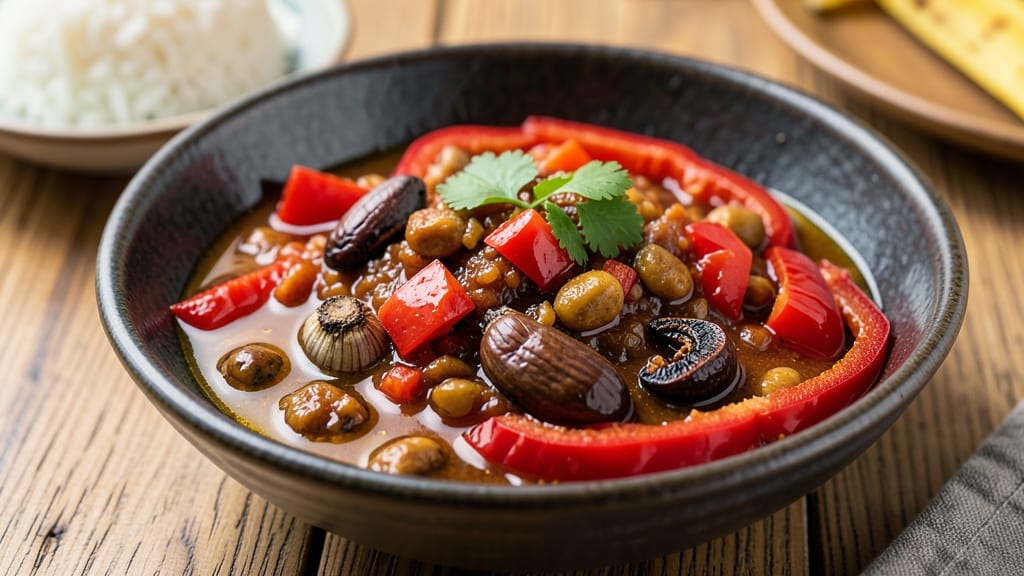
This Asue sauce recipe transforms bold West African flavors into a versatile condiment that elevates everything from grilled meats to fried plantains. The smoky tomato base, infused with fermented locust beans and aromatic spices, builds deep umami richness, while fresh basil at the finish brightens every spoonful.
Traditional versions often include fish stock, but this adaptation keeps it vegetarian without sacrificing authenticity—just rich, complex taste.
The magic lies in the fermentation process, where palm oil and dried peppers meld into a velvety paste over time. No need for fancy equipment: a simple mortar and pestle or food processor handles the blending, while patience allows flavors to develop fully.
The result? A sauce so vibrant it turns simple dishes into celebratory meals, with that signature tangy-savory balance that defines West African cuisine.
Perfect for drizzling over jollof rice, spooning alongside grilled chicken, or mixing into soups, this Asue sauce delivers restaurant-quality depth at home. The recipe yields enough to keep your pantry stocked for weeks, with storage tips ensuring it stays fresh and flavorful.
Whether you're serving a crowd or prepping for the week, this sauce is your secret weapon for bold, authentic flavors.
For those new to fermentation, don't worry—this version simplifies the process while maintaining tradition. The key is letting the flavors marry, whether you ferment for a few days or use a quick-pickle method for immediate use.
Either way, you'll end up with a sauce that's impossible to resist, proving that great condiments don't require complexity, just time and intention.
Ingredients for asue sauce
Eleven ingredients, bold West African flavors, and a sauce that transforms ordinary meals into vibrant celebrations.
| Ingredient | Amount | Notes |
|---|---|---|
| Red Bell Peppers 🌶️ | 2 whole | Dried, smoked variety preferred |
| Fermented Locust Beans (Iru) 🌱 | ¼ cup | Traditional West African ingredient |
| Tomato Paste 🍅 | ½ cup | San Marzano preferred for sweetness |
| Palm Oil 🫒 | ¼ cup | Unrefined for authentic flavor |
| Garlic Cloves 🧄 | 6 cloves | Freshly minced for aromatic depth |
| Scotch Bonnet Peppers 🌶️ | 2 whole | Seeds removed for less heat |
| Fresh Basil Leaves 🌿 | ½ cup | Packed, stems removed |
| Vegetable Oil 🫒 | ¼ cup | For blending consistency |
| Ground Ginger 🌿 | 1 tsp | Freshly grated preferred |
| Ground Black Pepper 🌶️ | ½ tsp | Freshly cracked for heat |
| Sea Salt 🧂 | 1 ½ tsp | Diamond Crystal preferred |
The fermented locust beans are the heart of this sauce—irru gives that signature umami punch. African markets or specialty stores carry them, but if you can't find them, vegetable broth with a splash of soy sauce works in a pinch (though it won't be traditional). Palm oil is non-negotiable for authenticity—unrefined, red palm oil from West African brands delivers the richest flavor. For the peppers, smoked red bell peppers add depth, but regular dried red peppers work if that's what you have. The tomato paste? San Marzano is ideal for its sweetness, but any quality paste will do.
No palm oil? Avocado oil or even extra-virgin olive oil can stand in, though the flavor won't be identical. Short on fermented locust beans? Miso paste at half the amount adds some umami, but it's not the same. The Scotch bonnet peppers are key for heat—if you prefer milder sauce, reduce to 1 pepper or swap for habanero. Fresh basil is a must at the end for brightness, but dried basil at one-third the amount works if you're in a bind. For the ginger, freshly grated gives the best flavor, but ground ginger in a pinch is fine. The sauce builds flavor over time, so don't rush the fermentation step—patience pays off.
This sauce keeps beautifully in the fridge for up to 2 weeks, with flavors deepening over time. For longer storage, freeze in ice cube trays—thaw and stir back to silky perfection. The fermentation process means it's safe to store for months in the freezer. I like to make a big batch and portion it out—drizzle over jollof rice, spoon over grilled chicken, or mix into soups for instant depth. The longer it sits, the better it gets, so don't be afraid to make extra.
Why You'll Love This Recipe
- Pantry Magic: I swear by this recipe because it uses ingredients you’re already stocking—no last-minute grocery runs. That jar of fermented locust beans (iru) and palm oil? They’re the secret weapons that transform basic pantry staples into something unforgettable.
- Umami Bomb: The moment you blend in those roasted red bell peppers and garlic with the iru? Pure flavor explosion. It’s rich, tangy, and just a little funky—like a hug for your taste buds, especially when you drizzle it over fried plantains or stew.
- Weeknight Hero: Between us, this sauce is my go-to when I’m too tired to overthink dinner. Simmer it while you prep the rest of the meal, and boom—you’ve got a sauce that works for everything from jollof rice to grilled fish. (Yes, even on a Tuesday night.)
- Stretches Every Penny: Honestly, the cost of iru and palm oil adds up, but one batch of this sauce stretches to feed four people—or three if you’re me and sneak extra servings. Plus, leftovers? They taste even better the next day—proof that good food gets richer with time.
Step-by-step instructions for asue sauce
Here's how to craft this West African staple—rich, smoky, and perfectly balanced.
Toast the Fermented Locust Beans
Heat a dry skillet over medium heat and add the 0.25 cup fermented locust beans (iru). Toast them for 3-4 minutes, stirring constantly, until they release their deep, nutty aroma and turn a rich golden brown. This step develops their complex flavor—don't rush it, or they'll burn before releasing their oils.
Once toasted, remove the beans from the pan and immediately transfer them to a bowl of cool water. Let them soak for 10 minutes to soften. This process removes excess bitterness and prepares them for blending. After soaking, drain the beans thoroughly before using—they should be pliable but not mushy.
Blend the Base Ingredients
In a blender, combine the toasted and drained fermented locust beans, 0.5 cup tomato paste, 0.25 cup palm oil, 6 cloves garlic, 2 whole Scotch bonnet peppers (seeds removed), 1 tsp ground ginger, 0.5 tsp ground black pepper, and 1.5 tsp sea salt. Add 0.25 cup vegetable oil to help emulsify the mixture.
Blend on high speed for 2-3 minutes until completely smooth. The sauce should be thick but pourable, with no visible chunks. If needed, add 1-2 tablespoons water to achieve the right consistency. The palm oil will give it that signature rich, velvety texture, while the Scotch bonnet peppers add subtle heat without overpowering.
Cook the Sauce to Develop Depth
Transfer the blended mixture to a saucepan and cook over medium-low heat for 15-20 minutes, stirring frequently. You're looking for the sauce to thicken slightly and develop a deep, smoky aroma from the fermented beans and tomato paste. The heat will also mellow the Scotch bonnet peppers' sharpness, allowing their sweetness to shine.
As it cooks, the sauce will reduce and intensify in flavor. If it becomes too thick, add 1 tablespoon water at a time until it reaches a smooth, spreadable consistency. The perfect asue sauce should coat the back of a spoon but still be pourable. Taste and adjust seasoning—you may need a touch more salt or ginger to balance the flavors.
Finish with Fresh Basil and Smoked Peppers
Remove the sauce from heat and stir in the 0.5 cup fresh basil leaves. The basil adds a bright, herbal note that cuts through the richness of the palm oil and fermented beans. Let the mixture sit for 5 minutes to allow the basil to infuse fully.
Next, add the 2 whole dried red bell peppers. These peppers are key—they provide a subtle smokiness that enhances the sauce's depth. If your peppers aren't smoked, you can achieve a similar effect by lightly charring them in a dry skillet for 1-2 minutes before adding them to the sauce. Simmer the sauce for another 5 minutes to meld all the flavors together.
Rest and Serve
Transfer the sauce to a clean bowl and let it rest at room temperature for 30 minutes. This resting period allows the flavors to fully develop and settle. The sauce will thicken slightly as it cools, so you may need to add a splash of water to adjust the consistency before serving.
Serve the asue sauce warm or at room temperature, drizzled over grilled fish, fried plantains, or steamed vegetables. The balance of smoky, spicy, and fresh herbal notes makes it incredibly versatile. Store any leftovers in an airtight container in the refrigerator for up to 5 days, or freeze for up to 3 months. Reheat gently over low heat, stirring occasionally to prevent separation.
Pro Tips For Making Asue Sauce
- BLEND IRU FIRST: I learned this the hard way—if you toss fermented locust beans (iru) in whole, you’ll end up with a sauce that looks like it’s playing hide-and-seek with flavor. Grind them into a fine powder first, then sift out the grit. This isn’t just about texture; it guarantees the umami bomb actually disperses into every bite. (Yes, even if you’re impatient like me.)
- LOW AND SLOW WITH OIL: Palm oil burns faster than you’d think when you’re distracted by other pots. Start on medium-low heat and let it warm gradually—about 5 minutes—before adding anything else. Rushing this step turns your sauce into a smoky, bitter mess. Trust me, the extra patience pays off in rich, golden depth.
- CHAR THE PEPPERS: Skip the quick sauté, and let those red bell peppers develop a deep, caramelized edge before adding liquid. Cut them into thin strips, sear them in the palm oil for 4-5 minutes until the edges darken slightly. This isn’t just for looks—it unlocks a smoky sweetness that cuts through the tang of iru and tomato paste.
- SAVE THE GARLIC JUICE: Here’s where most people mess up: they crush garlic cloves directly into the sauce, then wonder why it tastes watered down. Instead, mince the garlic finely, then let it sit in a spoonful of warm palm oil for 2 minutes before adding the rest. The oil extracts every last drop of flavor without diluting the sauce. (Your future self will notice the difference.)
Flavor customization for this recipe
Spice Level Control
Adjust the heat to your preference by modifying the Scotch bonnet peppers. For a mild version, remove all seeds and membranes, then use just 1 pepper instead of 2.
If you love heat, keep the seeds and membranes in both peppers—this will give your sauce a fiery kick. 🌶️ For a medium heat, use 1 pepper with seeds removed. Always taste before serving, as the heat can mellow slightly during cooking.
Smoky Depth Variations
For an extra smoky flavor, lightly char the dried red bell peppers in a dry skillet for 1-2 minutes before adding them to the sauce. This step mimics traditional smoking methods and adds a rich, campfire-like aroma.
If you can’t find smoked peppers, substitute with ½ tsp smoked paprika (add it during the cooking step). For a lighter smokiness, skip the charring entirely and use unsmoked peppers.
Vegetarian Adaptations
This recipe is already vegetarian, but you can enhance the umami further by adding 1 tbsp soy sauce or 1 tsp miso paste during the cooking step. For a nutty depth, toast 1 tbsp ground peanuts and stir them in at the end.
If you’re missing fermented locust beans, replace them with ½ cup vegetable broth + 1 tsp soy sauce—though the flavor won’t be identical, it still adds complexity. 🌱
Fresh vs. Dried Herbs
Fresh basil is ideal for the bright finish, but if you’re using dried basil, reduce the amount to ⅓ cup and add it during the final 5 minutes of cooking. For a citrusy twist, stir in 1 tsp grated lemon zest at the end.
If you prefer earthier flavors, swap basil for ½ cup fresh cilantro or thyme leaves. Always taste before serving to balance the flavors.
Sweet and Tangy Balance
To sweeten the sauce slightly, add 1 tsp honey or maple syrup during the final cooking step. For a tangy kick, stir in 1 tbsp tomato juice or lemon juice at the end.
If your sauce tastes too bitter, a pinch of sugar (½ tsp) can help mellow the flavors. The key is to adjust gradually—taste as you go! 💛
Texture Adjustments
For a thicker sauce, simmer it uncovered for an extra 5-10 minutes to reduce further. If it’s too thick, thin it with 1-2 tbsp water or vegetable broth. For a smoother texture, blend the cooked sauce again for 30 seconds before serving.
If you prefer chunkier sauce, reserve some of the blended base before cooking and stir in 1-2 tbsp of the toasted locust beans at the end for texture.
Nutrition facts
Frequently asked questions
What makes Asue sauce different from other West African sauces?
Asue sauce stands out for its unique blend of fermented locust beans (iru) and palm oil, creating a rich, nutty depth that's distinct from pepper-based sauces like shito or tomato-heavy options. The smoky dried peppers and fresh basil finish give it a balanced, complex flavor profile that works as both a condiment and cooking sauce. Unlike many West African sauces that rely heavily on fish or meat stock, this version keeps it vegetarian while maintaining authentic umami through fermentation.
Can I make Asue sauce without fermented locust beans?
Yes! While fermented locust beans (iru) provide the signature umami, you can substitute with ½ cup vegetable broth + 1 tsp soy sauce for a similar depth. For extra richness, add 1 tbsp miso paste during cooking. The flavor won't be identical, but it still delivers that savory base. If you want a nutty alternative, toast 1 tbsp ground peanuts and stir them in at the end.
How do I adjust the heat level in this sauce?
Control the spice by modifying the Scotch bonnet peppers. For mild heat, use 1 pepper with seeds removed. For medium heat, keep seeds in 1 pepper. For fiery kick, use both peppers with seeds. Always taste before serving—the heat mellows slightly during cooking. If you prefer no heat, swap for bell peppers entirely.
What's the best way to store leftover Asue sauce?
Store in an airtight container in the fridge for up to 5 days, where flavors deepen over time. For longer storage, freeze in ice cube trays—thaw and stir gently to restore smoothness. The fermentation process makes it shelf-stable for months in the freezer. To prevent separation, stir well before reheating over low heat with a splash of water if needed.
Can I use this sauce in place of tomato sauce?
Asue sauce adds incredible depth to dishes where you'd normally use tomato sauce. Try it in pasta, soups, or as a marinade for proteins. The rich palm oil base makes it perfect for braising meats or vegetables. For best results, reduce the amount by 25% since it's more concentrated than tomato sauce—start with ½ cup where you'd use ¾ cup tomato sauce.