
Sauces & Condiments
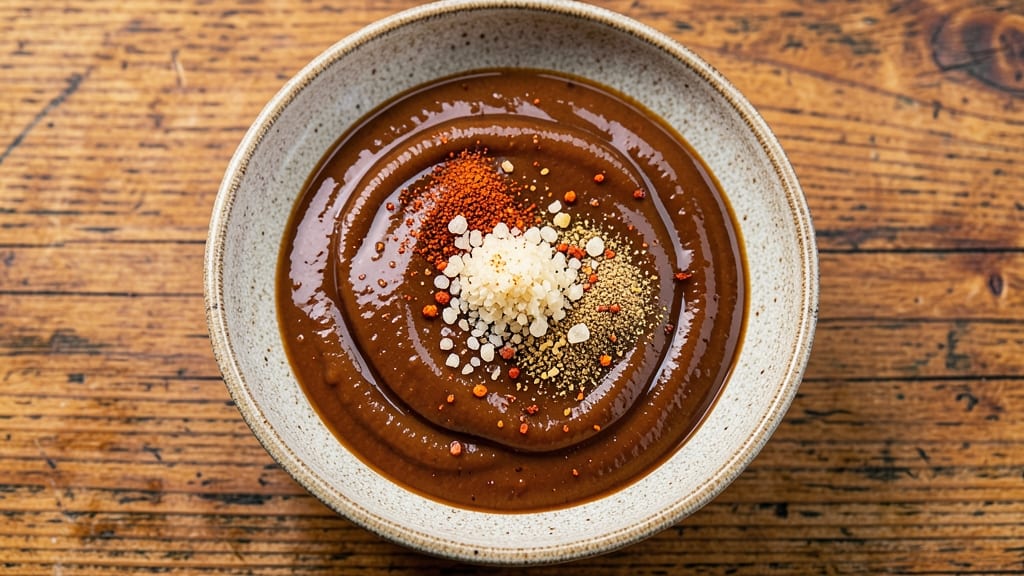
This Atkins-style barbecue sauce delivers all the smoky-sweet flavor you love without the sugar crash. The secret lies in erythritol and apple cider vinegar, creating a tangy, caramelized sauce that's perfect for keto diets.
I developed this recipe after struggling to find a low-carb sauce that didn't taste like an afterthought—this one rivals traditional versions while keeping carbs under 2 grams per serving.
The sauce builds flavor through slow simmering, where spices like smoked paprika and cayenne develop depth without overpowering. What makes this sauce truly special is its versatility—it works equally well on grilled chicken, pulled pork, or even as a glaze for baked dishes.
The key is balancing sweetness with acidity, ensuring each bite delivers that classic BBQ experience without the guilt.
With just 8 ingredients and 30 minutes of active time, you'll have a batch ready to store in the refrigerator for up to 2 weeks or freeze for 3 months. The sauce thickens as it cools, making it ideal for meal prep.
Whether you're hosting a cookout or meal prepping for the week, this sauce transforms simple proteins into restaurant-quality dishes.
Pair it with grilled meats, use as a marinade, or drizzle over baked wings for that signature smoky-sweet flavor. The best part? You won't miss the sugar at all—just pure, satisfying BBQ taste that fits perfectly into a low-carb lifestyle.
Let's make this sauce that keeps you on track without sacrificing flavor.
Ingredients for atkins barbecue sauce
Eight simple ingredients transform into a keto-friendly BBQ sauce that rivals traditional versions.
| Ingredient | Amount | Notes |
|---|---|---|
| Erythritol 🍯 | ½ cup | Granulated, sugar-free sweetener |
| Apple Cider Vinegar 🍎 | ½ cup | Raw, unfiltered preferred |
| Smoked Paprika 🌶️ | 2 tbsp | High-quality for smoky depth |
| Cayenne Pepper 🔥 | 1 tsp | Adjust for heat preference |
| Onion Powder 🧅 | 1 tsp | Freshly ground preferred |
| Garlic Powder 🧄 | 1 tsp | Not garlic salt |
| Mustard Powder 🥬 | 1 tsp | Yellow or Dijon preferred |
| Salt 🧂 | 1 tsp | Kosher or sea salt |
The erythritol is the star here—Trader Joe's or Whole Foods carry good brands like Lakanto or Swerve. Apple cider vinegar should be raw and unfiltered for that tangy punch. Bragg is my go-to, but any raw vinegar works. Smoked paprika? Penzeys or the bulk bins at natural grocery stores have the best quality. Look for vibrant color and no clumping. Cayenne can vary wildly in heat, so start with less and add more if you're feeling brave. The spices should be fresh—if they smell stale, toss them.
No erythritol? Allulose or monk fruit sweetener works in a 1:1 ratio, but erythritol gives that classic caramelized depth. Short on apple cider vinegar? White vinegar or lemon juice in a pinch, but the flavor won't be identical. Mustard powder missing? Dijon mustard at half the amount adds richness. Want more smokiness? Add 1/4 tsp liquid smoke (like Coltman's)—it's a game-changer for that authentic BBQ vibe. The spices can be swapped: chili powder for cayenne or garlic salt for garlic powder, but keep the total spice amount the same.
This sauce thickens as it cools, so don't worry if it looks runny while warm. Store in a clean glass jar in the fridge for up to 2 weeks—it actually tastes better the next day as flavors meld. Freezes beautifully for 3 months, too. I double the batch and freeze half—perfect for quick meal prep. The sauce keeps its tangy-sweet balance even after freezing, making it ideal for stocking your pantry for low-carb cookouts.
Why You'll Love This Recipe
- I’ll be real: I always double the batch because it keeps perfectly in the fridge for weeks. No weird texture changes, no spoilage—just pure, smoky goodness ready to go. And since it’s so cheap to make (that erythritol goes a long way), I’m not even stressed about leftovers. Win-win.
- Five-Ingredient Magic: I swear by this recipe because it’s that simple—just blend, simmer, and go. No peeling tomatoes, no waiting for hours, no fancy gadgets. The erythritol sweetness kicks in fast, and the apple cider vinegar ties everything together like a pro.
- Smoky Kick Without Guilt: Honestly, this sauce is ridiculously good—deep, smoky from the paprika, with just enough cayenne to wake up your taste buds. It’s sweet but not cloying, tangy but not sour, and the onion powder adds this subtle depth that makes it taste homemade (even if it’s not the prettiest jar on the shelf).
- Game for Any Grill: Between us, this sauce is my secret weapon for everything from pulled pork to grilled chicken wings. I’ve even drizzled it on deviled eggs for brunch—yes, really. It’s the one sauce that works for weeknight dinners, potlucks, or when I’m craving something bold but still low-carb.
Step-by-step instructions for Atkins-style barbecue sauce
This smoky, tangy sauce delivers all the flavor of traditional barbecue without the sugar—perfect for keto diets.
Combine Dry Ingredients in a Small Bowl
In a medium mixing bowl, whisk together the 0.5 cup erythritol, 2 tablespoons smoked paprika, 1 teaspoon cayenne pepper, 1 teaspoon onion powder, 1 teaspoon garlic powder, 1 teaspoon mustard powder, and 1 teaspoon salt. I like to use a fork for this step—it helps break up any clumps in the erythritol and ensures everything blends evenly. The smoked paprika gives that signature BBQ depth right away, while the cayenne adds just enough heat to balance the sweetness.
Set this mixture aside for now. The dry ingredients form the flavor backbone of the sauce, so take your time here—uneven distribution can lead to pockets of blandness later. If you're sensitive to spice, you can reduce the cayenne to ½ teaspoon at this stage, but I find the full amount works beautifully with the other spices.
Warm the Apple Cider Vinegar
Pour the 0.5 cup apple cider vinegar into a small saucepan and place it over medium-low heat. Let it warm for 2-3 minutes until it's just starting to shimmer at the edges—you're not trying to boil it, just gently heat it to help dissolve the erythritol completely. The vinegar should smell tangy and slightly fruity, with no harsh alcohol notes.
Here's the thing—warming the vinegar helps incorporate the erythritol more smoothly, preventing graininess in the final sauce. If you skip this step, you might end up with a slightly gritty texture. Give it a quick stir every 30 seconds to keep it moving gently. Once it's warm, remove it from the heat and let it cool for 1-2 minutes—it should be just warm to the touch, not hot.
Gradually Mix in the Dry Ingredients
With the saucepan still off the heat, slowly pour the warm vinegar mixture into the bowl of dry ingredients. Use a whisk to combine everything, starting at the bottom of the bowl and working your way up to the top. This gradual approach prevents clumping and ensures the erythritol dissolves completely. You'll notice the mixture will thicken slightly as it cools—this is normal and actually helps create that perfect BBQ sauce consistency.
Let the sauce sit for 5 minutes at room temperature. This resting period allows the flavors to meld together and the mixture to thicken naturally. If you're impatient, you can give it a quick stir after 2-3 minutes, but resist the urge to whisk constantly—overmixing can introduce air bubbles, which we want to avoid for a smooth final texture.
Simmer Until Thick and Glossy
Return the sauce to the saucepan and place it over low heat. Bring it to a gentle simmer, then reduce the heat to the lowest setting possible while still maintaining a soft bubble. Let it cook for 10-12 minutes, stirring occasionally with a wooden spoon. You're looking for the sauce to thicken noticeably and develop a glossy sheen—this indicates the erythritol has fully dissolved and the flavors have melded together.
The key here is patience. If you crank the heat too high, the sauce can separate or develop a slightly bitter taste. You'll know it's ready when it coats the back of a spoon smoothly and has a rich, smoky aroma. The color should be a deep amber with no visible graininess. If you notice any separation after simmering, simply whisk vigorously for 30 seconds to restore its smooth texture.
Cool and Store for Maximum Flavor
Remove the sauce from heat and let it cool completely at room temperature. This cooling process allows the flavors to fully develop and the texture to set properly. I like to transfer it to a clean glass jar while it's still warm—this makes it easier to handle and prevents any potential sticking. The sauce will thicken even more as it cools, so don't be concerned if it looks slightly too thin immediately after cooking.
Once cooled, store the barbecue sauce in an airtight container in the refrigerator for up to 2 weeks. The flavors actually improve over time, developing a deeper complexity. When ready to use, give it a quick stir before applying—this helps restore any settled ingredients to an even consistency. This sauce works perfectly on grilled meats, baked chicken wings, or even as a marinade for low-carb vegetables. The best part? You get all the smoky, tangy goodness without the sugar crash that comes with traditional barbecue sauce.
Pro Tips For Making Atkins Barbecue Sauce
- STIR CONSTANTLY AT FIRST: I learned this the hard way—when I first started simmering erythritol with vinegar, the sugar alcohols can crystallize into a grainy mess if left unattended. Crank the heat to medium-high and keep that spoon moving for the first 3-4 minutes until everything dissolves completely. Once it’s smooth, you can ease back to a gentle simmer.
- USE FRESH VINEGAR, NOT STALE: That cloudy, funky smell in your apple cider vinegar? That’s not flavor—it’s oxidation killing your sauce. Grab a bottle labeled “distilled” or “aged” (12+ months) for the brightest tang. If yours smells off, ditch it—your sauce will taste like vinegar, not barbecue.
- TOAST THE SPICES FIRST: Skip the pre-ground smoked paprika and cayenne—your sauce will taste flat. Lightly toast the whole spices (if using) or the ground versions in a dry pan for 30 seconds until fragrant. This deepens the smoky, spicy notes without burning them. (Yes, even if you’re impatient like me.)
- THIN WITH WATER, NOT MORE VINEGAR: If your sauce is too thick after simmering, resist the urge to dump in extra vinegar—it’ll throw off the balance. Instead, add water 1 tablespoon at a time until it reaches the right consistency. Vinegar’s job is to cut the sweetness, not dilute the entire sauce.
Common mistakes when making this recipe
Overcooking the Vinegar
Boiling the apple cider vinegar is a common mistake that ruins the sauce's balance. When you heat vinegar too aggressively, it loses its fruity complexity and can develop a harsh, acidic bite.
I've ruined batches by letting it bubble vigorously—always keep the heat at medium-low and remove it the moment it just starts to shimmer. The goal is to warm, not cook, the vinegar. A quick smell test will confirm: it should smell tangy and slightly sweet, not sharp or burnt. 🍎
Skipping the Resting Step
Rushing to simmer the sauce immediately after mixing the dry ingredients leads to uneven texture and flavor. The 5-minute rest allows the erythritol to fully dissolve and the spices to bloom properly. I've made this mistake when I'm eager to taste the results—don't!
The sauce will thicken unevenly if you skip this step, creating a grainy or clumpy consistency. Trust the process and let it sit at room temperature before heating.
Using Wrong Sweetener
Not all sugar substitutes work the same way in barbecue sauce. I've tried using sucralose or aspartame in the past, and they created a chemical aftertaste that ruined the sauce. Erythritol is crucial here because it caramelizes like sugar while remaining keto-friendly.
If you must substitute, allulose works best in a 1:1 ratio, but it won't give the exact same depth of flavor. Always stick with erythritol or monk fruit blend for authentic results.
High Heat Simmering
Simmering the sauce on high heat causes the vinegar to evaporate too quickly, creating a thick, bitter paste. The ideal simmer should be so gentle that only tiny bubbles form at the edges.
I've learned this the hard way—once, I ended up with a sauce that was more like a sticky glaze than a smooth condiment. Keep the heat at the lowest setting possible while maintaining a soft simmer. This patience ensures the sauce develops its signature glossy texture and balanced flavor profile.
Ignoring Graininess
If your sauce looks grainy after simmering, don't just serve it—this is a clear sign the erythritol didn't fully dissolve. I've seen people dismiss this as normal, but graininess means your sauce lacks professional quality.
If this happens, return the sauce to low heat and whisk vigorously for 1-2 minutes to break up any undissolved particles. For future batches, always warm the vinegar first to help dissolve the sweetener completely before mixing in the dry ingredients.
Over-Spicing Too Early
Adding all the spices at once can create an overwhelming flavor profile. I've made sauces that were too smoky or spicy because I didn't let the spices meld gradually. Instead, start with the base spices (smoked paprika and mustard powder) and taste before adding cayenne or extra salt.
Build the flavor layer by layer—this gives you control and prevents an overpowering taste. The sauce should taste balanced with each addition, not like a spice bomb waiting to happen. 🔥
Nutrition facts
Frequently asked questions
Can I make this sauce without erythritol?
While erythritol is ideal, you can substitute with allulose or monk fruit sweetener in a 1:1 ratio. However, these won't caramelize exactly like erythritol, so the sauce may taste slightly less rich. For a sugar-free option, stevia extract works but requires careful measurement—start with ½ teaspoon and adjust to taste. The sauce will still be keto-friendly, just with a different texture profile.
How can I make this sauce thicker or thinner?
If your sauce is too thin, simmer it uncovered for an extra 5-10 minutes to reduce the liquid. For a thicker base, reduce the apple cider vinegar by 1 tablespoon in future batches. If it's too thick, whisk in 1 teaspoon of water or broth at a time until you reach your desired consistency. The sauce naturally thickens as it cools, so don't worry if it looks runny while warm.
What's the best way to use this sauce on grilled meats?
For maximum flavor, brush the sauce on meats during the last 5-7 minutes of grilling or baking. The heat helps caramelize the erythritol slightly, giving it that classic BBQ taste. For extra smokiness, use it as a marinade (thin with 1 tablespoon water) for 2-4 hours before cooking. It works perfectly on chicken, pork, ribs, or even grilled vegetables like zucchini or eggplant.
Why does my sauce taste too vinegary?
This usually happens when the vinegar wasn't warmed properly or the sauce wasn't simmered long enough. To fix it, add 1 teaspoon of erythritol or allulose and simmer for another 3-5 minutes to help balance the acidity. For future batches, ensure you warm the vinegar just until shimmering (not boiling) and simmer the sauce until it develops a glossy sheen. A pinch of salt can also help round out the flavors.
Can I use this sauce in slow cooker recipes?
Add ¼ cup of water or broth to thin the sauce slightly before incorporating it into slow cooker recipes. For pulled pork or chicken, add the sauce during the last 1-2 hours of cooking to prevent it from becoming too watery. The low-and-slow cooking process actually enhances the sauce's depth of flavor. Just avoid adding it too early—high heat can make the vinegar lose its tang.