
Sauces & Condiments
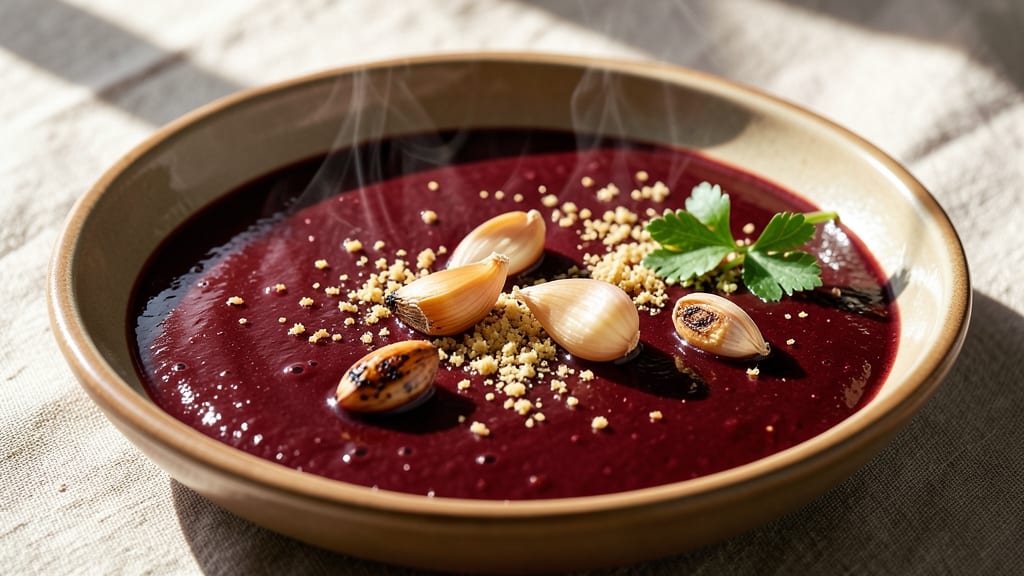
This au jus dipping sauce recipe transforms simple roast drippings into a rich, savory masterpiece that elevates every bite. The secret lies in reducing meat juices with aromatics until they thicken into a velvety, umami-packed sauce—perfect for dipping steak fries, drizzling over roast beef, or enhancing charcuterie boards.
I’ve perfected this technique over years of holiday roasts, ensuring it’s foolproof for home cooks while delivering restaurant-quality depth.
The process is straightforward: deglaze the roasting pan with broth, scrape up all those flavorful browned bits, and simmer until the sauce reaches a glossy, spoonable consistency. A splash of red wine (optional but recommended) adds brightness, while a touch of cornstarch or flour creates the perfect cling without over-thickening.
What you’ll end up with is a sauce that’s rich, savory, and packed with the essence of roasted meat—no fancy ingredients required.
What makes this au jus truly special is its versatility. Use it as a dipping sauce for crispy steak fries, a drizzle over sliced roast beef, or even a glaze for grilled meats.
The sauce keeps well in the fridge for up to 5 days, making it ideal for meal prep or holiday leftovers. It’s the kind of simple yet transformative recipe that turns ordinary meals into something extraordinary.
For extra depth, consider adding a pinch of Worcestershire sauce or a dash of black pepper for heat. The possibilities are endless, but the base recipe remains the same: rich, savory, and impossible to resist. Let’s make this sauce—your taste buds will thank you.
Ingredients for au jus dipping sauce
Rich pan drippings and pantry staples create this velvety au jus masterpiece.
| Ingredient | Amount | Notes |
|---|---|---|
| Beef Broth 🥩 | 2 cups | Homemade or high-quality store-bought |
| Red Wine 🍷 | ½ cup | Bold dry variety like Cabernet Sauvignon |
| All-Purpose Flour 🌾 | 1 tbsp | For thickening sauce |
| Cornstarch 🌾 | 1 tsp | Alternative to flour for thickening |
| Shallots 🧅 | 2 whole | Minced for aromatic base |
| Garlic Cloves 🧄 | 3 cloves | Peeled and minced |
| Fresh Thyme Leaves 🌿 | ¼ cup | Or 1 tsp dried thyme |
| Black Peppercorns 🌶️ | ½ tsp | Freshly cracked for heat |
| Worcestershire Sauce 🍶 | 1 tbsp | For umami depth |
| Beef Drippings 🍲 | 1 cup | From roasted meat pan |
The beef drippings are the foundation—never skip scraping up those browned bits from your roasting pan. Costco or Whole Foods sell high-quality beef broth if you're not making your own, but homemade always tastes better. Shallots add subtle sweetness that balances the richness, so don't substitute onions unless you're in a pinch. Fresh thyme is ideal, but dried works at one-third the amount. For the red wine, any bold, dry variety will work—Cabernet Sauvignon or Merlot are my go-tos, but whatever's open in your cabinet will do.
No red wine? Extra beef broth with a splash of balsamic vinegar works in a bind. Short on shallots? Extra garlic or onion powder adds depth. The thickening agent is flexible—flour works best for immediate thickening, while cornstarch gives you more control over the final consistency. Worcestershire sauce is optional but adds that restaurant-quality umami punch. If you're making this ahead, store the base sauce without thickening agents and add them just before serving to maintain perfect texture.
This sauce reheats beautifully—simply warm it gently on the stove. Keeps 5 days in the fridge or 3 months frozen in airtight containers. For extra richness, add a pat of butter when reheating. The sauce thickens as it cools, so adjust with a splash of broth if needed. Portion into small jars for easy dipping during holiday meals or game day gatherings.
Why You'll Love This Recipe
- Few Ingredients, Big Payoff: I swear by this recipe because it’s that simple—just broth, wine, flour, and a touch of cornstarch. No fancy pantry runs, no last-minute grocery trips. The shallots add depth without extra work, and the roux? Smooth as butter in minutes.
- Rich Without Effort: Here’s what sold me—the red wine cuts through the richness of the beef broth, but the cornstarch gives it that perfect silky finish. Not too heavy, not too thin—just right for dipping, slurping, or drizzling. (Yes, even on a Tuesday night.)
- Game for Any Bite: This sauce doesn’t just work with fries or burgers—it’s my go-to for roasted chicken, steak bites, or even charcuterie boards. The wine base keeps it elegant enough for company but unfussy enough for a lazy weekend. Honestly, I’ve lost track of how many ways I’ve used it.
- Leftovers That Don’t Let You Down: Between us, this sauce improves the next day. The flavors meld even better, and it reheats like a dream. Plus, it’s cheap to make—just a splash of wine and a handful of pantry staples. I’ve got a half-bottle of red wine and a bag of flour that’s seen better days, but this recipe turns them into gold.
Step-by-step instructions for au jus dipping sauce
Transform simple pan drippings into rich, velvety au jus with this professional technique.
Sauté Aromatics in Beef Drippings
Heat the 1 cup beef drippings in a medium saucepan over medium heat until hot but not smoking. Add the 2 whole shallots and 3 cloves garlic cloves, stirring frequently for 3-4 minutes until the shallots soften and become translucent. This step develops the sauce's aromatic foundation.
Watch for the garlic closely—it burns quickly. When it releases its fragrant aroma (about 30 seconds after the shallots soften), you're ready for the next step. The drippings should look glossy and slightly reduced, indicating they're ready to absorb the wine.
Deglaze with Wine and Reduce
Pour in the 0.5 cup red wine and scrape the bottom of the pan vigorously with a wooden spoon to release all the browned bits. These bits contain concentrated flavor that forms the sauce's rich base. Let the mixture simmer uncovered over medium-high heat for 5-6 minutes, stirring occasionally, until reduced by half.
You'll notice the liquid darken and thicken as the alcohol cooks off. This reduction process is crucial—it intensifies the wine's flavor and creates a velvety texture. If the sauce starts to stick, add 1 tablespoon beef broth to prevent burning.
Build the Sauce with Broth and Seasonings
Stir in the 2 cups beef broth, 0.25 cup fresh thyme leaves, and 0.5 teaspoon freshly cracked black peppercorns. Bring to a gentle simmer over medium heat and cook uncovered for 8-10 minutes until slightly thickened. The thyme should infuse its earthy aroma into the sauce.
Taste the sauce at this stage and adjust seasoning if needed. The thyme adds herbal depth, while the peppercorns provide subtle heat. If the sauce is too thin, proceed to the next step for thickening. If it's already at your desired consistency, skip directly to adding the Worcestershire sauce.
Thicken and Finish the Sauce
In a small bowl, whisk together the 1 tablespoon all-purpose flour and 1 teaspoon cornstarch. Gradually whisk this mixture into the simmering sauce, stirring constantly to prevent lumps. Cook for 2-3 minutes until the sauce thickens to a glossy, coatable consistency.
This combination of flour and cornstarch creates a smooth, velvety texture without making the sauce gluey. The sauce should coat the back of a spoon but still be pourable. If it thickens too quickly, whisk in 1-2 tablespoons beef broth to adjust the consistency.
Add Umami Depth and Strain
Remove the sauce from heat and stir in the 1 tablespoon Worcestershire sauce. Let it steep off heat for 2-3 minutes to allow all the flavors to meld together. The Worcestershire adds that signature umami depth that makes this sauce truly special.
Line a fine-mesh strainer with cheesecloth or a coffee filter and strain the sauce into a clean saucepan. This removes any thyme stems or peppercorns that might make the sauce gritty. For a completely smooth texture, you can press the solids gently with a spoon to extract every last bit of flavor.
Pro Tips For Making Au Jus Dipping Sauce
- Bloom the Shallots First: Slice those shallots thin—like they’re crying—and let them sit in cold water for 10 minutes before cooking. This cuts down on bitterness and keeps your sauce from tasting like you’re crying over burnt onions. (Yes, even if you’re impatient like me.)
- Simmer, Don’t Boil: Once your roux is formed, drop the heat to a gentle simmer—not a rolling boil. I learned this the hard way when my sauce turned grainy and sad. Keep it at a slow bubble, or you’ll regret it when the wine flavor vanishes faster than your patience.
- Deglaze Aggressively: After browning your shallots (if you’re doing that step), pour in the red wine all at once and let it sizzle for 30 seconds before scraping up every last bit from the pan. That browned crust? It’s where the flavor hides. Skip this, and your sauce will taste like it’s missing its soul.
- Thicken in Two Stages: Mix the flour into the broth first, then add the cornstarch separately at the end. The flour builds body, while the cornstarch gives that glossy, restaurant-quality finish. I used to dump both in together—now I know better. (Your future self will thank you.)
Common mistakes when making perfect results
Skipping the Drippings
This is the #1 mistake I see—using store-bought broth instead of your roast pan drippings. Those browned bits on your roasting pan contain millions of flavor compounds from the Maillard reaction. If you're making this with store-bought broth, you're missing the meaty depth that makes au jus special.
Always scrape up those drippings with a wooden spoon—even if it's just a thin layer. 🍲
Over-Thickening the Sauce
I've ruined more au jus than I can count by over-thickening it. The sauce should coat the back of a spoon but still be pourable—think of it like heavy cream consistency. If you add too much flour or cornstarch, it becomes gluey and loses that silky texture.
Start with 1 tablespoon flour + 1 teaspoon cornstarch, then adjust with 1 tablespoon broth at a time if needed.
Ignoring the Reduction Step
Many home cooks skip reducing the wine properly, which means you're left with a watery, boozy sauce instead of rich, concentrated flavor. Always simmer the wine until it's reduced by half (about 5-6 minutes).
This step removes the alcohol and intensifies the wine's flavor. If you rush this, your sauce will taste flat and thin.
Using Low-Quality Broth
Cheap, salty canned broth will make your au jus taste blah. Invest in homemade beef broth or high-quality brands like Kettle & Fire or Pacific Foods. The difference in flavor is night and day. If you must use store-bought, choose low-sodium options and adjust seasoning carefully.
Burning the Garlic
Garlic burns in seconds, and once it's bitter, there's no fixing it. Keep your heat at medium and watch closely. When the shallots soften (about 3-4 minutes), the garlic should just be fragrant—not golden.
If you see it darkening, remove the pan immediately. Freshly cracked black peppercorns add heat without the risk of burning. 🌶️
Not Tasting as You Go
Many recipes tell you to "season to taste" at the end, but by then, it's too late. Taste your sauce after adding broth and after reducing the wine—this ensures balanced flavor from the start.
Adjust with salt, pepper, or Worcestershire as needed. I often add an extra ½ teaspoon black pepper at this stage for depth.
Nutrition facts
Frequently asked questions about making au jus dipping sauce
Can I make au jus without red wine?
Swap the wine for ½ cup beef broth + 1 tablespoon balsamic vinegar for similar depth. The vinegar adds acidity to balance the richness, while the extra broth maintains the sauce's velvety texture. If you prefer no alcohol at all, use ½ cup apple cider instead—it adds subtle sweetness that complements the meaty flavors.
How do I store leftover au jus?
Store in an airtight container in the fridge for up to 5 days or freeze for 3 months. For reheating, warm gently on the stove over low heat, stirring constantly to prevent scorching. If it thickens too much after refrigeration, whisk in 1-2 tablespoons broth to restore the perfect consistency.
What's the best way to use au jus?
This versatile sauce shines as a dipping sauce for steak fries, a drizzle over roast beef slices, or a glaze for grilled meats. It also elevates charcuterie boards—drizzle lightly over cured meats and cheeses for instant sophistication. For extra flair, serve it warm in small bowls with fresh rosemary sprigs for garnish.
Can I make au jus with chicken or turkey drippings?
Yes! Use the same technique but replace beef broth with chicken or turkey broth and omit the Worcestershire sauce (or use ½ teaspoon soy sauce instead). The sauce will have a lighter, more delicate flavor that pairs beautifully with poultry dishes. For gamey meats like duck, add ½ teaspoon smoked paprika to enhance the richness.
Why did my au jus turn out too thin?
This usually happens if you didn't reduce the wine long enough or skipped the thickening step. Next time, reduce the wine until it's half its original volume (about 5-6 minutes of simmering), then use the full 1 tbsp flour + 1 tsp cornstarch mixture. If it's still too thin, whisk in ½ tsp more cornstarch dissolved in 1 tbsp cold water and simmer for 1 more minute.