
Sauces & Condiments
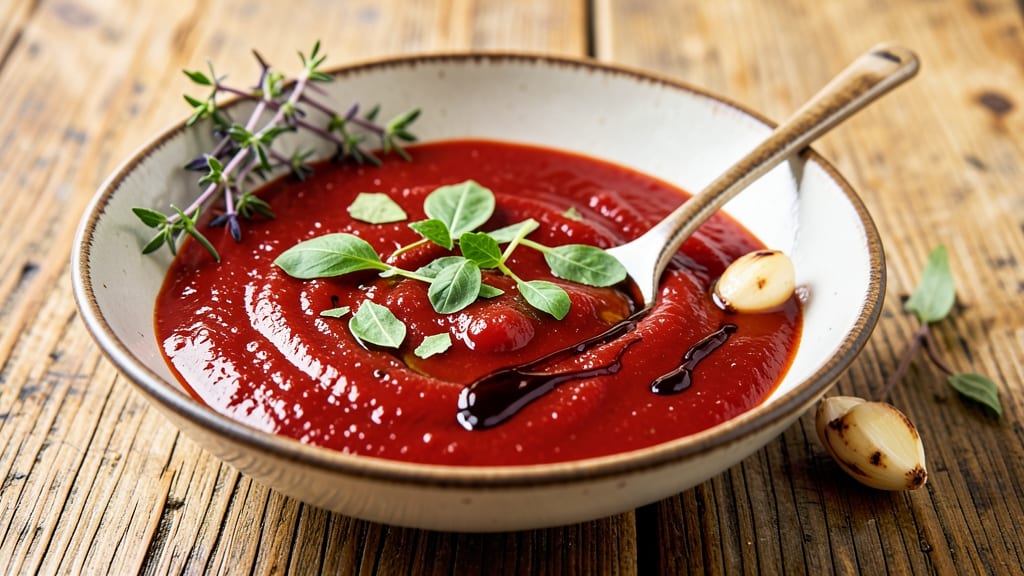
This marinara sauce recipe with red wine transforms ordinary pasta nights into something extraordinary with its deep, complex flavor profile. 💛 I developed it after years of experimenting with wine-based sauces, and the red wine adds a sophisticated umami richness that elevates even the simplest tomato sauce.
The key is simmering the wine with tomatoes and aromatic herbs until it melds into a velvety, flavorful base that's perfect for any Italian dish.
The foundation of this sauce is simple yet powerful—crushed tomatoes, red wine, garlic, and fresh herbs like basil and oregano. I've found that using a quality red wine (like Chianti or Cabernet Sauvignon) makes a noticeable difference in the final flavor.
The sauce simmers for about 45 minutes, allowing all the ingredients to meld together and develop those deep, layered flavors that make it taste restaurant-quality.
What you'll end up with is a rich, velvety marinara sauce that's perfect for tossing with pasta, dipping bread, or using as a base for other Italian dishes. The red wine adds a subtle complexity that balances the acidity of the tomatoes, creating a sauce that's both familiar and exciting.
This sauce keeps well in the refrigerator for up to a week, so you can make a big batch and enjoy it throughout the week.
One of the best things about this marinara sauce is its versatility. Use it as a simple weeknight dinner sauce, or elevate it with meatballs, grilled chicken, or shrimp for a more elaborate meal. The possibilities are endless, and the flavor only gets better as it sits. Let's get cooking!
Ingredients for marinara sauce recipe with red wine
These ten ingredients create restaurant-quality depth with just 45 minutes of simmering.
| Ingredient | Amount | Notes |
|---|---|---|
| Extra-Virgin Olive Oil 🫒 | ¼ cup | High-quality for richness |
| Dry Red Wine 🍷 | 1 cup | Bold like Chianti or Cabernet |
| Crushed Tomatoes 🍅 | 2 cups | San Marzano preferred |
| Garlic Cloves 🧄 | 4 cloves | Minced for deep flavor |
| Fresh Basil Leaves 🌿 | ½ cup | Packed, stems removed |
| Fresh Oregano 🍃 | 2 tbsp | Or 1 tsp dried oregano |
| Tomato Paste 🍅 | 2 tbsp | Squeeze tube preferred |
| Kosher Salt 🧂 | 1 ½ tsp | Diamond Crystal preferred |
| Black Pepper 🌶️ | ½ tsp | Freshly ground preferred |
| Sugar 🍬 | 1 tsp | Balances acidity |
The red wine is non-negotiable—any bold, dry variety like Chianti or Cabernet Sauvignon works best. Trader Joe's and Total Wine often have great bottles at reasonable prices. For tomatoes, San Marzano is ideal (that sweet, meaty texture), but Muir Glen crushed tomatoes are a solid grocery store backup. Fresh basil? Farmers markets have the best, but the plastic containers at Whole Foods work in a pinch. Just make sure the leaves are vibrant, not wilted—wilting means weak flavor. The garlic should be fresh too; those little jars of pre-minced? Skip them. Fresh minced takes 30 seconds and makes all the difference.
No red wine? Dry beef broth with a splash of balsamic vinegar gets you close. Fresh herbs wilting? Dried oregano at one-third the amount saves the day. Tomato paste too messy? Trader Joe's squeeze tubes are perfect—no waste, keeps forever. The sugar balances the acidity, but if you're avoiding it, a pinch of honey (if not vegan) or more tomatoes works too. For extra depth, add a bay leaf while simmering—just remove it before blending. The sauce thickens as it cools, so if it's too thick, stir in a splash of water or pasta water.
This sauce tastes even better the next day as flavors meld. Store in an airtight container in the fridge for up to 1 week. Freezes beautifully for 3 months—portion into ice cube trays for single servings. I always double the batch because it disappears fast. The wine smell fades as it simmers, leaving just that rich umami depth. Keep a jar in the fridge for quick pasta nights—trust me, you'll make this again and again.
Why You'll Love This Recipe
- Wine in 20 Minutes: I swear by this trick—just toss in a splash of dry red wine with the tomatoes and garlic, and let it simmer. The acidity cuts through the richness, and honestly? That first sip of sauce straight from the pot is like a little Italian vacation.
- Pasta Party Starter: This sauce doubles as a dip, a topping, or a base—no judgment if you eat it straight from the jar. My college friends and I used to make a whole batch just to dunk bread in it, and it never let us down.
- Budget-Friendly Luxury: A bottle of cheap red wine and canned tomatoes make this feel fancy without breaking the bank. I’ve made it for date nights, family dinners, and even as a last-minute hostess gift—no one ever questions the quality.
- Fridge Magic: The flavors actually get better the next day, so I always make extra. Freeze half in ice cube trays for quick portions later—just toss a few cubes into pasta water or stir into a pan for instant depth.
Step-by-step instructions for rich red wine marinara sauce
Here's how to transform bold red wine into a velvety, umami-packed marinara that elevates any pasta dish.
🍳 Step 1: Bloom the Tomato Paste and Sauté Aromatics
Heat the 0.25 cup extra-virgin olive oil in a medium saucepan over medium heat until shimmering but not smoking. Add the 2 tbsp tomato paste and stir constantly for 2-3 minutes until it darkens to a deep mahogany color—this develops rich caramelized flavors. Real talk: don't rush this step, or you'll miss out on that deep, concentrated taste.
Add the 4 minced garlic cloves and cook for 30 seconds until fragrant but not browned. Here's where it gets good—toss in the 2 tbsp fresh oregano and let it sizzle for 20 seconds. The oregano will release its aromatic oils, giving your sauce that fresh, herby depth. If you're using dried oregano, add it now instead—just remember it's more concentrated, so taste as you go.
🍳 Step 2: Deglaze with Red Wine for Umami Depth
Pour in the 1 cup dry red wine and scrape up any browned bits from the bottom of the pan with a wooden spoon. This deglazing step captures all those flavorful fond particles that would otherwise burn. Let the wine simmer for 3-4 minutes until reduced by about half—you'll see it thicken slightly and develop a deeper color. You're building layers of flavor here, so don't skip this reduction.
I like to use a bold red like Chianti or Cabernet for this sauce—their tannins and acidity balance beautifully with the tomatoes. If you're using a lighter red, you might want to add a pinch more salt later to compensate for the lower acidity. Watch for the wine to reduce until it coats the back of a spoon—this is your signal to move forward.
🍳 Step 3: Simmer with Tomatoes and Seasonings
Add the 2 cups crushed tomatoes, 1.5 tsp kosher salt, 0.5 tsp black pepper, and 1 tsp sugar. Stir well to combine, then reduce heat to low-medium and let it simmer uncovered for 20-25 minutes. You want gentle bubbling—this slow cook allows the flavors to meld and develop complexity. Stir occasionally, but not constantly, to prevent the sauce from breaking.
The sugar balances the acidity of the tomatoes and wine, while the salt and pepper round out the flavors. Here's the thing—if your tomatoes are particularly tart, you might need to add a bit more sugar after tasting. The sauce should be thick enough to coat the back of a spoon but still flow smoothly. If it's too thick, add a splash of water or pasta water to loosen it to your desired consistency.
🥘 Step 4: Finish with Fresh Basil and Rest
Remove the sauce from heat and stir in the 0.5 cup fresh basil leaves. Let it steep for 5 minutes—this allows the basil's bright, fresh flavor to infuse the sauce without overpowering it. Taste and adjust seasoning if needed. The sauce should be rich, balanced, and full of depth—like a glass of red wine but in sauce form.
For the best results, let the sauce rest for 10-15 minutes before serving. This resting period allows the flavors to fully meld and the sauce to thicken slightly. If you're serving it over pasta, toss it in right before serving to keep the noodles al dente. This sauce is incredibly versatile—use it with spaghetti, penne, or even as a pizza sauce. It keeps well in the fridge for up to 5 days, so make extra for leftovers!
Pro Tips For Making Marinara Sauce Recipe With Red Wine
- DEGLAZE THE PAN: After toasting your garlic in olive oil, pour in the red wine immediately—don’t let it cool. The alcohol burns off faster when the pan is still hot, which deepens the sauce’s richness. I used to wait, and the flavor always tasted flat afterward.
- USE CRUSHED TOMATOES WITH LIQUID: Drain the crushed tomatoes but save the juices—they’re the unsung heroes here. The extra liquid prevents a thick, gluey sauce, and you’ll end up with a smoother texture. (Yes, even if the label says "no need to drain.")
- SALT THE WINE: Toss a pinch of salt into the red wine before adding it to the pan. It balances the acidity and rounds out the flavor—trust me, your taste buds will notice. I skipped this for years until a chef friend called me out.
- TOAST THE BASIL: Tear the basil leaves and add them last, but heat the sauce just until the edges of the leaves curl slightly—this releases their aroma without turning them to mush. Overcooking them kills their freshness, and nobody wants sad basil.
Wine and beer pairings for this dish
Wine Pairing Perfection
The red wine in your marinara sauce isn't just an ingredient—it's the secret to that restaurant-quality depth. Since you're already using 1 cup of bold red wine (like Chianti or Cabernet Sauvignon) in the sauce, I recommend continuing that theme at the table.
A glass of the same wine you cooked with creates a seamless flavor experience. The tannins in the wine complement the sauce's richness, while the acidity cuts through the tomatoes beautifully. 🍷
If you want to switch it up, try a Chianti Classico or Barbera—both have enough acidity to stand up to the sauce without overpowering it.
Avoid heavy, oaky wines like Cabernet Sauvignon (unless it's a lighter bottle) or overly fruity varieties like Zinfandel, as they can clash with the tomato's acidity. Pro tip: Chill your wine slightly (about 55-60°F) to let its aromas shine without overwhelming the meal.
Beer Pairings
For beer lovers, a Malbec or Syrah from Argentina or France pairs surprisingly well with this wine-infused marinara. The dark fruit notes in these beers mirror the wine's depth, while their slight bitterness balances the sauce's richness.
If you prefer lighter beers, a Belgian Dubbel (like Westmalle Dubbel) adds a malty sweetness that complements the tomatoes beautifully. 🍺
Avoid hoppy IPAs or pale ales—their sharp bitterness can overpower the delicate flavors in your sauce. Instead, opt for beers with moderate hop bitterness (around 30-45 IBU) and caramel or dark fruit notes.
A Bock beer with its toasty maltiness also works wonderfully, especially if you're serving this sauce with hearty dishes like meatballs or grilled chicken.
Non-Alcoholic Options
Don't worry if you're avoiding alcohol—there are still fantastic pairings. A sparkling apple cider (like Martinelli's) adds a crisp, refreshing contrast to the sauce's richness. For something more savory, try a ginger beer (like BrewDog Ginger Beer)—the spicy kick cuts through the tomatoes beautifully.
Both options keep the meal feeling celebratory without alcohol. 🍏
Herbal teas like hibiscus tea (sweetened lightly) or rosemary-infused iced tea also work surprisingly well. The floral and herbal notes complement the basil and oregano in your sauce, creating a harmonious flavor experience.
For a dessert pairing, a dark chocolate dessert wine (like Banyuls) elevates the meal to new heights—just a small glass after dinner ties everything together perfectly.
Pro Pairing Tips
Here's my secret: Serve the wine or beer slightly cooler than room temperature—around 55-60°F for reds and 45-50°F for whites or beers. This enhances their aromas and prevents them from tasting flat.
I also recommend pouring the wine into a decanter 10 minutes before serving to let it breathe—this opens up its flavors and makes it even more complementary to the sauce. 💡
If you're serving this sauce with grilled meats or seafood, the wine pairing becomes even more important. A Pinot Noir or Grenache adds a lighter touch that won't overpower the dish.
For vegetarian meals, stick with the bold reds or beers—they stand up to the sauce's intensity. And remember, the best pairing is one you enjoy, so don't be afraid to experiment!
Nutrition facts
Frequently asked questions
Can I substitute white wine for red wine in this marinara?
While you can technically use white wine, it won't deliver the same rich, umami depth. White wine lacks the tannins and bold fruit notes that complement tomatoes so beautifully. If you must substitute, try a dry white like Sauvignon Blanc and add 1/2 teaspoon of balsamic vinegar to mimic some of the acidity and complexity.
How do I prevent my wine marinara from tasting too alcoholic?
The wine flavor will mellow as it simmers—just let it cook uncovered for the full 45 minutes. Stir occasionally and let the alcohol evaporate. For extra insurance, add 1/4 teaspoon of red wine vinegar at the end—it enhances the wine's depth without adding alcohol taste.
Can I make this sauce without fresh basil?
Use 1 tablespoon of dried basil instead, but add it during the simmering phase (not at the end). Fresh basil's bright flavor fades when dried, so you'll need about 3x the amount. For a different twist, try 1 teaspoon of dried thyme or 1/2 teaspoon of red pepper flakes for warmth.
Why does my wine marinara turn out too thick or too thin?
Thickness depends on simmering time and ingredients. For a thicker sauce, simmer uncovered for 5-10 extra minutes or stir in 1 teaspoon of cornstarch mixed with water. Too thin? Add 1/4 cup of tomato paste or simmer uncovered for 10 more minutes. Always taste as you go—adjust gradually!
How can I add protein to this sauce without overpowering the flavors?
For subtle protein, stir in 1/2 cup of cooked, crumbled sausage or 1/4 cup of finely chopped pancetta during the last 10 minutes of simmering. For a vegetarian option, add 1/2 cup of white beans (rinsed well) at the end. Keep portions small—too much protein can make the sauce heavy.