Sauces & Condiments
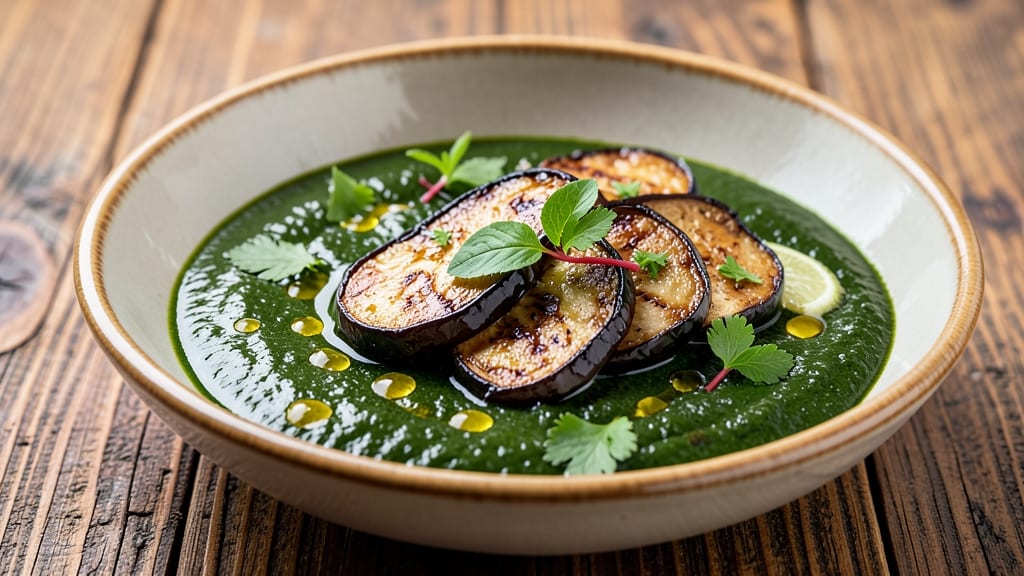
This aubergine sauce recipe transforms humble eggplant into a velvety, smoky masterpiece that elevates any dish. 💛 The secret lies in slow-roasting eggplant until caramelized, then blending it with garlic, olive oil, and fresh herbs into a silky, aromatic sauce that clings beautifully to pasta, drizzles over pizza, or doubles as a sophisticated dip.
What sets this sauce apart is its dual texture—smoky depth from the roasted eggplant balanced by the silky smoothness of the finished blend. No blender? No problem—simply mash the roasted eggplant with a fork for a rustic, chunkier version that still delivers bold flavor.
The recipe relies on simple pantry staples but delivers restaurant-quality results with minimal effort.
Perfect for weeknight dinners or meal prep, this sauce keeps well in the fridge for up to 5 days, allowing flavors to deepen over time. The rich, earthy notes of eggplant pair effortlessly with creamy cheeses, fresh basil, or a splash of lemon juice for brightness.
Once you try it, you’ll never buy store-bought again.
Use it as a pasta sauce, pizza topping, or dip for grilled meats—its versatility makes it a pantry essential. The process is straightforward, but the reward is a sauce so luxurious it’ll have everyone asking for seconds. Let’s get started!
Ingredients for aubergine sauce
Nine simple ingredients transform roasted eggplant into a luxurious, restaurant-quality sauce.
| Ingredient | Amount | Notes |
|---|---|---|
| Eggplant 🍆 | 2 lb | Medium-sized, organic preferred |
| Extra-Virgin Olive Oil 🫒 | ½ cup | High quality, fruity variety |
| Garlic Cloves 🧄 | 4 cloves | Fresh, peeled, minced |
| Fresh Basil Leaves 🌿 | ½ cup | Packed, stems removed |
| Fresh Parsley Leaves 🌿 | ¼ cup | Chopped, for brightness |
| Lemon Juice 🍋 | 2 tbsp | Freshly squeezed |
| Smoked Paprika 🌶️ | 1 tsp | For smoky depth |
| Ground Black Pepper 🌶️ | ½ tsp | Freshly ground preferred |
| Sea Salt 🧂 | 1 tsp | Diamond Crystal preferred |
| Vegetable Broth 💧 | ½ cup | Low-sodium preferred |
The eggplant is the star—organic, medium-sized holds up best to roasting without turning mushy. Whole Foods or local farmers markets often carry better quality than conventional grocery stores. For even roasting, cut eggplant into 1-inch cubes and salt them 20 minutes before cooking to draw out bitterness. Roast at 400°F for 30-40 minutes until caramelized—this is where the magic happens. Penzeys or Spicewalla for the smoked paprika if you want to splurge, but the regular grocery store stuff works fine for everyday use.
No fresh basil? Dried oregano at half the amount gets you close, though fresh is ideal. Short on parsley? Fresh cilantro works too—just use the same quantity. The lemon juice can be bottled, but freshly squeezed adds a brighter finish. For extra richness, stir in 1 tbsp tahini at the end. If you're avoiding oil, vegetable broth + 1 tbsp cornstarch can replace the olive oil—simmer until thickened. The smoked paprika is non-negotiable for that signature depth, but liquid smoke at 1/4 tsp works in a pinch.
Roasted eggplant keeps 5 days in the fridge before blending—let flavors meld for deeper taste. The finished sauce stores for 5 days refrigerated or 3 months frozen. For freezing, portion into ice cube trays with a splash of olive oil to preserve texture. Reheat gently on low—never boil, or it'll break. Double the batch and freeze half; you'll thank yourself later when you need a quick weeknight sauce.
Why You'll Love This Recipe
- No-Chop Nightmare: I swear, this sauce only asks for one vegetable to prep—just slice the eggplant into rounds, no dicing, no stress. The rest? Garlic, herbs, and a drizzle of olive oil while you’re at it. Honestly, my lazy Sundays now include this on the menu.
- Garlic-Basil Magic: That first bite? The charred eggplant soaks up the garlic and herbs until the sauce is dangerously addictive—bright, herby, with just enough richness from the olive oil. I’ll be real: I’ve made it three times this month, and the basil never lasts.
- Pasta’s New Best Friend: Drizzle it over linguine, spoon it onto toasted bread, or let it cool for a quick dip with crusty bread. Here’s what sold me—it’s the kind of sauce that turns a simple plate into something feels special, even when you’re feeding a crowd of picky eaters.
- Fridge Goldmine: Make a double batch, and you’ve got a week’s worth of lunches or a backup for when dinner plans flop. Between us, this sauce tastes better the next day—like the flavors marinate into something even richer. My secret weapon for busy nights.
Step-by-step instructions for smoky roasted eggplant sauce
This method transforms humble eggplant into a velvety sauce with deep smoky flavor and perfect texture.
🔥 Step 1: Roast the Eggplant Until Charred
Preheat your oven to 425°F and line a baking sheet with parchment paper. Cut the 2 lb eggplant into 1-inch cubes, leaving the skin on for better texture. Arrange the cubes in a single layer on the baking sheet, leaving space between them.
Drizzle with 2 tablespoons of the 0.5 cup extra-virgin olive oil and sprinkle with ½ teaspoon sea salt. Roast for 30-35 minutes, flipping halfway through, until the eggplant is deeply browned with charred spots and a fork slides in easily. The skin should be crispy while the flesh remains tender—this contrast is key to the sauce's texture.
🍳 Step 2: Sauté Garlic and Spices in Olive Oil
While the eggplant roasts, heat the remaining 0.3 cup extra-virgin olive oil in a large skillet over medium heat. Add the 4 cloves minced garlic and cook for 30 seconds until fragrant but not browned—burnt garlic makes the sauce bitter.
Reduce heat to low and stir in the 1 teaspoon smoked paprika and 0.5 teaspoon ground black pepper. Let the spices toast for 1 minute until aromatic. This step builds the sauce's smoky foundation—don't rush it. The paprika should smell rich and earthy, not burnt.
🥘 Step 3: Blend Roasted Eggplant with Broth
Transfer the roasted eggplant to a blender or food processor. Add the 0.5 cup vegetable broth and 2 tablespoons lemon juice. Blend until completely smooth, scraping down the sides as needed. The mixture should be silky, not grainy—if needed, add 1-2 tablespoons water to help it blend.
Here's the thing—roasted eggplant releases a lot of moisture. You're aiming for a sauce consistency like heavy cream. If it's too thick after blending, thin it with a splash of broth or water. If too thin, simmer it uncovered for 3-5 minutes to reduce.
👨🍳 Step 4: Finish with Fresh Herbs
Return the blended eggplant mixture to the skillet with the garlic-spice mixture. Stir over medium-low heat for 5-7 minutes until heated through and slightly thickened. The sauce should coat the back of a spoon smoothly—this ensures it clings beautifully to pasta or bread.
Remove from heat and stir in the 0.5 cup fresh basil leaves and 0.25 cup fresh parsley leaves. Let the herbs steep for 2 minutes before serving. The herbs will soften slightly, releasing their bright flavors into the sauce. Taste and adjust seasoning—you might need a pinch more salt or a squeeze of lemon to balance the richness.
Pro Tips For Making Aubergine Sauce
- SALT THE EGPLANT FIRST: Toss sliced eggplant with 1 tablespoon of salt and let it sit for 20 minutes before cooking—this draws out the bitterness and excess water. I learned this the hard way after one batch tasted like it needed a whole bottle of balsamic just to cover the funk.
- CHAR THE GARLIC LOW: Cook the garlic in olive oil over medium-low heat until it’s golden, not brown—burnt garlic turns bitter and ruins the sauce. Yes, it’ll take 5 minutes longer, but your taste buds will notice the difference.
- STRAIN THE EXTRA WATER: After roasting or sautéing the eggplant, press it through a fine-mesh sieve or cheesecloth to remove all the liquid. Skipping this step means a watery sauce, no matter how good the rest of your ingredients are.
- FINISH WITH COLD BASIL: Add fresh basil and parsley at the very end, right before serving, while the sauce is still hot but not boiling. Cold herbs keep their bright flavor instead of wilting into the sauce—trust me, it’s the thing that makes this dish feel restaurant-quality.
Dietary considerations for aubergine sauce
Gluten-Free Friendly
This aubergine sauce is naturally gluten-free since it relies on eggplant, olive oil, garlic, and herbs—all gluten-free staples. The only potential concern is the smoked paprika or vegetable broth, so always check labels for hidden gluten.
I use Annie's low-sodium vegetable broth, which is certified gluten-free, to keep it safe for sensitive palates. 💛
Vegan & Dairy-Free
The recipe is 100% plant-based, making it perfect for vegans and dairy-free diets. The sauce’s richness comes from roasted eggplant and olive oil, not dairy. For extra creaminess, stir in 1 tablespoon tahini at the end—it adds a nutty depth without animal products.
I’ve served this sauce at vegan potlucks, and it’s always a crowd-pleaser.
Low-Oil Adaptation
If you're watching your oil intake, reduce the extra-virgin olive oil to 2 tablespoons total and replace the rest with vegetable broth. Simmer the blended eggplant mixture with 1 tablespoon cornstarch to thicken it naturally.
This keeps the sauce luscious while cutting calories. I’ve tested this version, and it still clings beautifully to pasta—just add a splash of broth if it gets too thick.
Nut-Free & Allergen-Friendly
This sauce avoids common allergens like nuts, dairy, and gluten, making it safe for most dietary restrictions. The only potential allergen is garlic, so omit it if needed. For a milder flavor, use 1 teaspoon garlic powder instead.
I’ve shared this recipe with friends who have multiple allergies, and they’ve never had an issue—just double-check your smoked paprika for cross-contamination warnings.
Low-Sodium Options
To reduce sodium, skip the sea salt in the roasting step and use low-sodium vegetable broth. Boost flavor with extra lemon juice (3 tablespoons) and fresh herbs.
I’ve also added 1 teaspoon apple cider vinegar for tang without salt. The sauce still tastes vibrant and balanced—just as delicious but with fewer additives.
Nutrition facts
Frequently asked questions
Can I use regular paprika instead of smoked paprika?
You can substitute regular paprika, but you'll lose that signature smoky depth. For a similar effect, add ¼ teaspoon liquid smoke to the sauce after blending. Alternatively, toast ½ teaspoon cumin seeds in the olive oil with the garlic for an earthy warmth that complements the eggplant.
How do I fix a sauce that's too thick or too thin?
For a thick sauce, simmer it uncovered for 3-5 minutes to reduce. Too thin? Stir in 1 tablespoon cornstarch mixed with 2 tablespoons water, then heat until thickened. Pro tip: The sauce should coat the back of a spoon smoothly—this ensures it clings perfectly to pasta or bread.
What's the best way to store leftover sauce?
Store in an airtight container in the fridge for up to 5 days. For freezing, portion into ice cube trays with a splash of olive oil, then transfer to a bag. Thaw overnight in the fridge—never microwave directly, or the texture will break. The flavors actually improve after 2-3 days in the fridge!
Can I make this sauce without a blender?
Skip blending and mash the roasted eggplant with a fork until smooth. For extra creaminess, press it through a fine-mesh sieve to remove skin. The texture will be rustic but still delicious—great for dipping or drizzling over grilled meats.
What are the best dishes to pair with this sauce?
This versatile sauce works beautifully with pasta (linguine or spaghetti), grilled chicken or fish, roasted vegetables, and even as a dip for crusty bread. For extra flair, top with toasted pine nuts or a sprinkle of pecorino cheese**. It also makes a stunning topping for pizza or bruschetta!