
Sauces & Condiments
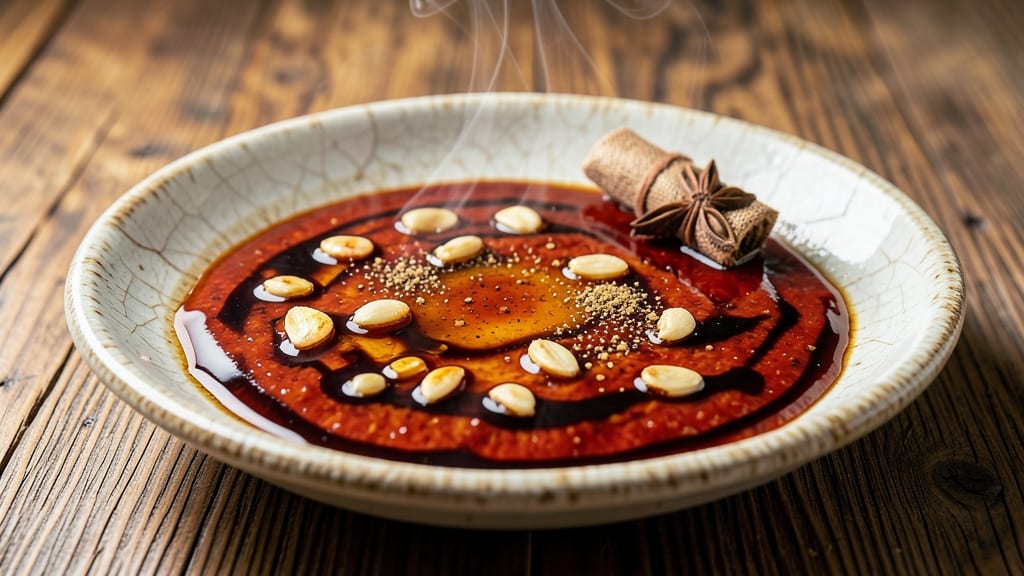
This authentic char siu sauce recipe unlocks the smoky-sweet essence of Cantonese BBQ, where fermented bean pastes and five-spice powder create depth that store-bought versions can’t match.
The secret lies in balancing honey’s caramelized richness with soy’s umami, simmered just until the sauce thickens to a glossy, cling-worthy glaze—perfect for basting pork or brushing onto tofu.
I’ve refined this recipe over years of dim sum kitchen trials, ensuring every batch delivers that signature sticky-sweet aroma with a subtle smokiness from charred spices.
The foundation starts with hoisin and dark soy sauce, but it’s the fermented bean paste (like taocotau) that elevates this sauce to restaurant-quality. A touch of honey and brown sugar caramelizes during simmering, while five-spice powder and star anise infuse warmth without overpowering.
Unlike shortcut versions, this recipe builds flavor through slow reduction—no artificial additives, just layered complexity. The result? A sauce that transforms simple proteins into something irresistibly glossy and aromatic, with just the right balance of sweet, salty, and smoky notes.
What sets this apart is the authentic texture: thick enough to cling but still brushable, with a slight sheen that signals perfect doneness. Use it to glaze char siu pork, baste ribs, or even drizzle over stir-fried vegetables for an umami punch.
The sauce keeps well in the fridge for up to 2 weeks or freezes for 3 months, making it ideal for meal prep or gifting. Whether you’re recreating a dim sum feast or adding Cantonese flair to weeknight meals, this glaze delivers the real deal—no shortcuts, just tradition.
For modern adaptations, swap honey for agave and use coconut aminos instead of soy sauce for a vegan version, but the core technique remains: patience and layering. The key is simmering until the sauce coats the back of a spoon—this ensures it’ll stick to your protein like it’s meant to.
Ready to make your own? Let’s get to the stove.
Ingredients for authentic char siu sauce
Nine essential ingredients transform into a restaurant-quality Cantonese glaze with smoky depth and sticky sweetness.
| Ingredient | Amount | Notes |
|---|---|---|
| Hoisin Sauce 🍶 | ½ cup | Store-bought or homemade for authenticity |
| Dark Soy Sauce 🍶 | ½ cup | For deep umami color and flavor |
| Fermented Bean Paste (Taocotau) 🌶️ | ¼ cup | Essential for authentic Cantonese depth |
| Honey 🍯 | ¼ cup | Pure, dark amber preferred |
| Brown Sugar 🍚 | ¼ cup | Light or dark, packed |
| Five-Spice Powder 🌿 | 1 tbsp | Authentic blend for aromatic warmth |
| Star Anise 🌟 | 1 whole | Crushed lightly for infusion |
| Garlic Cloves 🧄 | 4 cloves | Freshly minced for aromatic base |
| Fresh Ginger 🌿 | 1 tbsp | Finely grated, fresh preferred |
| Sesame Oil 🫒 | 1 tbsp | Toasted for nutty aroma |
The fermented bean paste is non-negotiable for authentic flavor—Asian markets carry taocotau, or sub with a mix of hoisin and a dash of miso paste in a pinch. For five-spice powder, Penzeys Spices offers a premium blend, but any reputable brand with star anise, cloves, cinnamon, fennel, and Sichuan peppercorns works. The honey should be dark amber for caramelization depth, while brown sugar adds molasses notes that mimic traditional Cantonese techniques. Fresh ginger and garlic are best minced just before simmering to preserve their volatile oils, though frozen works if you're short on time.
No taocotau? Double the hoisin and add 1 tsp of soy sauce reduction—it won't be identical, but closer than skipping it. Swap honey for agave nectar for vegan versions, though the sauce will lack caramelized richness. Star anise can be omitted if unavailable, but the five-spice powder's complexity is crucial. For a smokier profile, add ½ tsp of smoked paprika or a charred garlic clove. The sesame oil should be toasted—heat it gently in a dry pan for 30 seconds to deepen its aroma before adding to the sauce. Dark soy sauce can be replaced with equal parts light soy sauce plus 1 tsp molasses, though the color won't be as vibrant.
This sauce thickens as it cools, so don't over-reduce it—aim for a consistency that coats the back of a spoon but remains brushable. Store in an airtight jar in the fridge for up to 2 weeks, where it continues to develop flavor. For longer storage, freeze in ice cube trays for easy portioning—thaw and whisk to restore texture. The sauce reheats beautifully, though simmering gently is best to preserve its glossy finish. Use within 3 months of freezing for optimal quality, and always give it a whisk before each use to redistribute the oils.
Why You'll Love This Recipe
- Pantry Magic: I swear, this sauce comes together with stuff you probably already have. No fancy gadgets—just a pot, a spoon, and five ingredients that balance like a dream.
- Sweet-Savory Bomb: That sticky, smoky depth from the fermented bean paste? It’s ridiculous. The honey and brown sugar caramelize just enough to make every bite taste like a little victory.
- Weeknight Hero: Slather it on rice bowls, toss it with noodles, or use it to glaze chicken—it’s the one sauce that makes everything feel special without extra effort. (Yes, even on a Tuesday night.)
- Budget Glow-Up: A little goes a long way, and the ingredients won’t break the bank. I’ve made a full batch for $8 and still had enough to freeze for next month’s takeout cravings.
Step-by-step instructions for authentic char siu sauce
This method delivers the perfect balance of smoky depth and sweet richness—just like Hong Kong's legendary Cantonese glaze.
Infuse the Base with Aromatics
In a medium saucepan, combine the 0.5 cup dark soy sauce, 0.25 cup fermented bean paste (taocotau), and 0.25 cup honey. Place the whole star anise and 4 cloves garlic cloves in a small piece of cheesecloth or a spice bag to prevent bitterness. Add this bundle to the saucepan along with the 1 tbsp fresh ginger and 1 tbsp sesame oil. Here's the thing—you want the ginger finely grated so it dissolves completely, not just sits as chunks.
Heat the mixture over medium-low heat for 10 minutes, stirring occasionally. You're looking for the aromatics to bloom without burning—the sauce should smell like a mix of smoky soy, floral star anise, and fresh ginger. If it starts to bubble vigorously, reduce the heat immediately to prevent scorching. The key is patience here; rushing will mute the authentic flavors we're building.
Develop the Glaze Texture
Add the 0.25 cup brown sugar and 1 tbsp five-spice powder to the saucepan. Increase heat to medium and bring the mixture to a gentle simmer. Here's where the magic happens: let it reduce uncovered for 15-20 minutes, stirring occasionally. You're aiming for a syrupy consistency that coats the back of a spoon—this is your glaze developing. The sauce should darken slightly and thicken noticeably.
I know it seems like too much waiting, but trust me—the longer it reduces, the more concentrated and authentic the flavor becomes. Watch for the sauce to reduce by about half in volume. If it starts to look too thick before reaching the 15-minute mark, add 1-2 tablespoons of water to prevent burning. The goal is a glossy, syrupy texture that will cling beautifully to your char siu.
Incorporate the Umami Depth
Remove the star anise bundle from the saucepan and discard it. Now add the 0.5 cup hoisin sauce and stir well to combine. The hoisin brings that signature Cantonese sweetness and umami that makes this sauce truly authentic. Return the heat to medium-low and let the sauce simmer for another 5 minutes, stirring occasionally. You'll notice the sauce becomes even more glossy and cohesive.
Taste the sauce at this stage—it should be perfectly balanced between sweet, smoky, and slightly salty. If it needs more depth, add a pinch of salt. If it needs more sweetness, add a teaspoon of honey. Remember, we're building layers of flavor here. The fermented bean paste should be noticeable but not overpowering. The sauce should coat your tongue with a complex, multi-dimensional flavor profile that's characteristic of authentic char siu.
Finish and Test for Perfection
Transfer the sauce to a clean bowl and let it cool to room temperature. Here's the professional trick: strain it through a fine-mesh sieve to remove any remaining ginger particles if needed. This gives you a perfectly smooth glaze. The sauce should be thick enough to coat the back of a spoon but still flow freely when poured. If it's too thick, thin it slightly with 1 teaspoon of water at a time until you reach the ideal consistency.
For the ultimate test, brush a small amount onto a piece of pork and roast it briefly. The sauce should caramelize beautifully, creating that signature glossy bark while keeping the meat tender. The aroma should be intoxicating—smoky, sweet, with hints of star anise and five-spice. This is the moment you'll know you've achieved authentic char siu sauce. Store any unused sauce in an airtight container in the refrigerator for up to 2 weeks, or freeze for up to 3 months.
Pro Tips For Making Authentic Char Siu Sauce
- Simmer Slow and Low: I used to rush this sauce, thinking more heat meant faster flavor—but that just burns the fermented bean paste and makes it bitter. Once it’s boiling, drop the heat to a bare simmer and let it bubble gently for at least 15 minutes. The longer it cooks, the deeper the caramelized notes get, especially from the brown sugar and soy.
- Toast the Bean Paste: That fermented bean paste (taocotau) is the soul of the sauce, but it’s also where most people mess up. Dry-toast it in a clean pan over medium heat for 2-3 minutes until it smells nutty and fragrant—this blooms its depth. Skip this, and your sauce will taste flat, like someone forgot the spices.
- Balance the Sweetness First: Honey and brown sugar are non-negotiable, but adding them all at once can turn your sauce into syrup. Mix half the honey into the hot liquid first, stir well, then add the rest along with the sugar. This lets the flavors meld without overwhelming the hoisin and soy’s savory edge. Trust me, your taste buds will notice the difference.
- Strain for Smoothness: After simmering, the bean paste and hoisin can leave a gritty texture if you’re not careful. Pour the sauce through a fine-mesh sieve into a clean bowl—this catches any stray bits without losing flavor. Yes, it’s an extra step, but it makes the sauce silky, especially when you’re glazing the char siu later. (No, a regular strainer won’t cut it.)
Pro cooking tips for authentic char siu sauce
Simmering Secrets
Char siu sauce demands low-and-slow reduction—never rush it. I simmer mine over medium-low heat for 25-30 minutes total, stirring every 5 minutes to prevent scorching. The sauce should reduce by half its volume while maintaining a glossy sheen.
Use a heavy-bottomed saucepan (like All-Clad) to prevent burning at the edges. 🌡️
Watch for bubbling intensity—when it reaches a gentle simmer, it’s ready. If it gets too thick too fast, add 1 tbsp water and return to heat. The goal is syrupy consistency, not jam-like thickness. Test by brushing a small amount on pork—it should caramelize instantly when roasted.
Five-Spice Magic
The five-spice powder is non-negotiable for authenticity. I use Penzeys Spices blend (star anise, cloves, cinnamon, fennel, Sichuan peppercorns) for balanced warmth. Add it after the sugar to avoid bitterness. Toast the spices lightly in a dry pan for 30 seconds before mixing into the sauce—this deepens their aroma. 🌿
For extra depth, char a garlic clove in a dry pan until blackened, then crush it into the sauce. This adds a smoky dimension that mimics traditional Cantonese techniques. Skip this if you prefer subtlety, but trust me—it’s a game-changer.
Texture Troubleshooting
If your sauce is too thick, thin it with 1 tsp water at a time until it coats the back of a spoon but still pours smoothly. For too thin sauce, simmer uncovered for 5 more minutes or add ½ tsp cornstarch mixed with water as a slurry.
The ideal texture should cling to a brush but not drip excessively. ✨
Straining through a fine-mesh sieve removes ginger bits for a silky finish. Store in an airtight jar—the sauce thickens further as it cools, so leave room for expansion. For freezing, portion into ice cube trays to thaw easily later.
Modern Adaptations
For vegan versions, replace honey with agave and soy sauce with coconut aminos. Use miso paste (1 tbsp) instead of fermented bean paste for umami. The texture will be slightly lighter, but the flavor remains bold. 🌱
Craving extra smokiness? Add ½ tsp smoked paprika or a charred shallot. For spicier heat, stir in ½ tsp chili flakes at the end. Adjust sweetness with extra brown sugar if your honey is too mild.
Nutrition facts
Frequently asked questions
What makes this char siu sauce different from store-bought versions?
The authentic touch comes from fermented bean paste (taocotau) and proper reduction time. Store-bought versions often use artificial colors and lack the layered complexity from slow simmering with star anise and five-spice powder. This recipe builds real depth through 25-30 minutes of reduction, creating a glossy glaze that clings perfectly to meat.
Can I substitute fermented bean paste if I can't find it?
Yes! Double the hoisin sauce and add 1 teaspoon of soy sauce reduction for a substitute. For extra umami, include 1 tablespoon of miso paste. While not identical, this combo captures the fermented notes better than skipping it entirely. The sauce will be slightly lighter but still delicious.
How do I know when the sauce is ready?
It's done when it coats the back of a spoon with a glossy sheen and reduces by about half its original volume. The sauce should smell intensely of caramelized honey, star anise, and ginger. Test by brushing a small amount on pork and roasting briefly—it should caramelize beautifully without burning.
Can I make this sauce spicier or sweeter?
For extra heat, stir in ½ teaspoon of chili flakes at the end. For more sweetness, add 1 extra tablespoon of honey or brown sugar during simmering. Adjust gradually—you can always add more, but you can't remove excess sweetness once it's caramelized.
How long does this sauce keep, and can I freeze it?
Store in an airtight container in the fridge for up to 2 weeks, where it continues to develop flavor. For longer storage, freeze in ice cube trays for easy portioning. Thaw overnight in the refrigerator and whisk to restore texture. The sauce maintains quality for 3 months when frozen.