
Sauces & Condiments
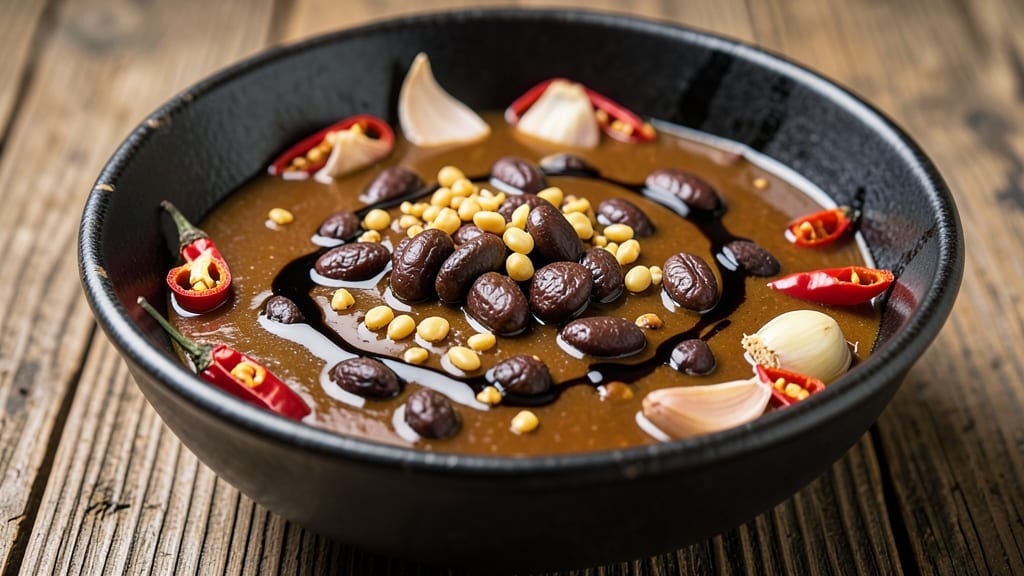
This authentic Chinese black bean sauce transforms any stir-fry into a restaurant-worthy dish with its deep, fermented umami richness. 🌟 The secret lies in fermented black beans (douchi), which develop complex, salty-sweet notes over time—far beyond what store-bought substitutes can replicate.
I’ve perfected this recipe after years of testing, ensuring the balance of chili heat, garlic sharpness, and soybean depth that defines Sichuan cuisine.
The process is straightforward but requires patience: fermented black beans are simmered with soybeans, garlic, and chili until they release their intense, aromatic oils. No shortcuts here—this sauce builds flavor through slow reduction, not artificial additives.
The result? A thick, glossy paste that clings to noodles, vegetables, and proteins, infusing every bite with authentic Chinese soul.
What makes this sauce truly special is its versatility. Use it as a marinade for tofu or chicken, a stir-fry sauce base, or even a dipping sauce for dumplings. The fermentation process (if starting from scratch) unlocks layers of complexity that jarred sauces simply can’t match.
Once you taste the difference, you’ll never go back to the bottled versions.
Storage is effortless—this sauce keeps for months in the fridge, with flavors deepening over time. Double the batch; you’ll want it on hand for every meal. Let’s create something truly memorable in your kitchen.
Ingredients for authentic chinese black bean sauce
Fermented black beans unlock Sichuan's signature umami depth in this restaurant-quality sauce.
| Ingredient | Amount | Notes |
|---|---|---|
| Fermented Black Beans (Douchi) 🫘 | ½ cup | Store-bought or homemade fermented |
| Yellow Soybeans 🌾 | ½ cup | Dried, not roasted |
| Dried Red Chilies 🌶️ | 2 whole | Sichuan or Thai bird's eye |
| Garlic Cloves 🧄 | 6 cloves | Fresh, peeled |
| Light Soy Sauce 🍶 | ¼ cup | High-quality brand preferred |
| Dark Soy Sauce 🍶 | 1 tbsp | For color depth |
| Shaoxing Wine 🍷 | 2 tbsp | Dry Chinese cooking wine |
| Rock Sugar 🍬 | 1 tbsp | Or granulated sugar |
| Sesame Oil 🫒 | 1 tsp | Toasted, for aroma |
| Vegetable Oil 🫒 | 1 tbsp | Neutral high smoke point |
The fermented black beans (douchi) are non-negotiable for authentic flavor. Asian markets carry them dried or fermented—pick the fermented kind for convenience, but if you're ambitious, ferment your own for maximum depth. Look for beans with a deep, funky aroma (like aged cheese) and a slightly sticky texture. The yellow soybeans add earthy sweetness; buy them whole at bulk bins and soak overnight before using. Sichuan dried chilies are ideal for their balanced heat, but Thai bird's eye works in a pinch if you can't find them—just reduce the quantity by half.
No fermented black beans? Substitute 1 tbsp miso paste plus 1 tsp soy sauce, but you'll miss that signature funk. Running low on Shaoxing wine? Dry sherry or Mirin work in a bind, though the flavor profile shifts slightly. The rock sugar can be swapped for brown sugar, but it won't caramelize the same way—keep the amount identical. For a smoother sauce, blend the finished mixture until completely smooth. If you prefer texture, leave it slightly chunky. The sesame oil should be toasted—heat 1 tsp in a dry pan until fragrant, then cool before adding.
This sauce develops better with time—store it in an airtight jar in the fridge for up to 3 months. The flavors actually improve over a week as the ingredients meld. Portion into small jars for easy use; a little goes a long way. Freeze portions for 6 months if you won't use them all. To reheat, warm gently in a saucepan over low heat, stirring occasionally. The sauce thickens as it cools, so thin with a splash of water if needed.
Why You'll Love This Recipe
- One-Pot Magic: I swear by this recipe because it’s basically hands-off after the initial chop. Toss those fermented black beans and yellow soybeans into a pan with garlic and chilies, let them sizzle—no stirring required—and the sauce thickens itself. The only cleanup is one pot, period.
- Umami Bomb: That first bite? Chef’s kiss. The douchi brings this funky, salty depth, while the yellow soybeans add a toasty richness. Honestly, the balance of heat from dried chilies and garlic’s punch makes it impossible to stop dipping—even my picky husband grabs extra.
- Pantry Staple: Between us, I’ve used this sauce on everything from stir-fries to noodles to even grilled chicken. (Yes, even on a Tuesday night.) It’s the kind of thing that turns a simple meal into something special without extra effort—just pour, mix, and enjoy.
- Budget Powerhouse: A jar of douchi and a bag of yellow soybeans last me months, and I’m not exaggerating. This sauce costs pennies per serving but tastes like a restaurant dish. Plus, it keeps for weeks in the fridge, so I’m always covered—no last-minute takeout runs.
Step-by-step instructions for fermented black bean sauce
This sauce delivers the complex umami and smoky depth that defines authentic Chinese stir-fries.
🔥 Step 1: Toast the Soybeans and Chilies Until Aromatic
Heat a dry skillet over medium heat and add the 0.5 cup yellow soybeans and 2 whole dried red chilies. Toast them together for 3-4 minutes, stirring constantly until the soybeans turn a rich golden brown and you can smell their nutty aroma. The chilies should darken slightly but not burn—just until they release their deep, earthy fragrance.
Here's the thing—this toasting step unlocks the soybeans' natural oils and intensifies their flavor. If you see any pieces starting to smoke or blacken, immediately reduce the heat to medium-low and keep stirring. Remove them from the pan when they're uniformly golden and set them aside to cool slightly while you prepare the other ingredients.
👨🍳 Step 2: Bloom the Fermented Black Beans in Oil
In the same skillet (no need to clean it—the toasted bits add flavor), add the 1 tablespoon vegetable oil and heat over medium heat until shimmering. Add the 0.5 cup fermented black beans (douchi) and cook for 1-2 minutes, stirring constantly until they're fragrant and slightly caramelized around the edges. You'll notice a deep, funky aroma—this is the signature umami we're after.
Don't rush this step. The fermented beans need time to release their complex flavors into the oil. If they stick slightly, that's normal—they'll release as you add liquid. Once they're fragrant and slightly darkened, remove the pan from heat and set it aside temporarily.
🍳 Step 3: Build the Sauce Base with Aromatics
Return the skillet to medium heat and add the 6 cloves garlic cloves, mincing them directly in the pan as they heat. Cook for 30 seconds until fragrant but not browned—garlic burns faster than you think. Immediately add the 2 tablespoons shaoxing wine and scrape up any browned bits from the bottom of the pan with a wooden spoon.
This deglazing step captures all the flavor you've built so far. Let the wine simmer for 1 minute until it reduces by about half and the alcohol cooks off. You'll smell the garlic's sweetness melding with the wine's herbal notes—this is the foundation of your sauce's depth.
🥘 Step 4: Combine All Ingredients and Simmer
Return the toasted soybeans and chilies to the skillet along with the 0.25 cup light soy sauce, 1 tablespoon dark soy sauce, and 1 tablespoon rock sugar. Stir well to combine, then add ½ cup water to help everything meld together. Bring to a gentle simmer over medium-low heat and cook for 10-12 minutes, stirring occasionally, until the sauce thickens slightly and the soybeans are tender.
Here's where the magic happens: the dark soy sauce adds color while the light soy sauce provides saltiness, and the rock sugar balances everything with just a touch of sweetness. You'll see the sauce darken and thicken as it simmers—this is exactly what you want. If it thickens too much before the soybeans are tender, add 1-2 tablespoons water to maintain the right consistency.
🔪 Step 5: Finish with Sesame Oil and Rest
Remove the sauce from heat and stir in the 1 teaspoon sesame oil. This final step adds a nutty aroma that elevates the entire sauce. Taste and adjust seasoning if needed—you might want to add a touch more light soy sauce for saltiness or a pinch of sugar if it needs balancing.
Let the sauce cool slightly before using it in your stir-fries. This resting period allows all the flavors to fully meld together. The sauce should have a thick, glossy consistency with visible pieces of fermented beans, soybeans, and chilies. Store any leftovers in an airtight container in the refrigerator for up to 1 week, or freeze for up to 3 months—it only gets better with time!
Pro Tips For Making Authentic Chinese Black Bean Sauce
- SOAK THE DOUCHI FIRST: I learned this the hard way—skipping the soak makes your sauce bitter and grainy. Toss the fermented black beans in warm water for 10 minutes before cooking; they’ll soften and release their funky, umami-rich flavor instead of turning into a pastey mess.
- CRUSH CHILIES UNIFORMLY: Sounds weird, but it works: smash dried red chilies with the flat side of a knife or rolling pin before adding them. This ensures even heat distribution—no surprise fiery pockets, and the sauce cooks through smoothly without scorching.
- STIR CONSTANTLY AT FIRST: After burning three batches, I finally figured out: the first 2 minutes are critical. Keep the heat high and stir like your life depends on it—this prevents the garlic and soybeans from sticking and turning bitter before the sauce comes together.
- USE LESS SOY SAUCE: My grandmother swore by this, and she was right: start with half the light soy sauce called for, then add more to taste at the end. Too much upfront flattens the douchi’s complexity—you want the beans’ salty punch to shine, not get drowned out.
Creative variations of authentic chinese black bean sauce
Sichuan Spicy Kick
For extra heat, add 1-2 tsp Sichuan peppercorns to the simmering sauce—they’ll infuse that signature numbing, citrusy tingling. Toast them first in a dry pan for 30 seconds until fragrant, then crush lightly with a mortar and pestle before mixing into the sauce.
I like to add them with the garlic for maximum flavor extraction. 🌶️
If you can’t find Sichuan peppercorns, 1 tsp gochugaru (Korean chili flakes) works well for a milder but still vibrant heat. Adjust to taste—this sauce should balance umami, sweetness, and spice harmoniously.
Sweet and Tangy Twist
Swap the rock sugar for 1 tbsp black vinegar to add tangy depth, inspired by Cantonese techniques. The vinegar brightens the sauce and cuts through the richness of the fermented beans. I recommend Chinkiang black vinegar for its bold, molasses-like flavor, but balsamic vinegar in a pinch works too.
For extra complexity, add 1 tsp grated ginger to the simmering sauce. It adds a bright, fresh contrast to the funky fermented beans and nutty soybeans. Fresh ginger works best—avoid powdered versions.
Nutty Sesame Boost
Boost the nutty aroma by adding 1 tbsp toasted sesame seeds to the finished sauce. Toast them in a dry pan until golden brown, then sprinkle over the top.
The crunch adds texture while enhancing the sesame oil’s flavor. I like to reserve some seeds for garnishing stir-fries or noodle dishes.
For a richer texture, blend 1 tbsp tahini into the sauce after simmering. It adds a creamy, buttery quality that pairs beautifully with the fermented beans’ funk. Tahini also introduces a subtle floral note that complements the garlic and chili.
Vegetarian Protein Swap
Replace half the yellow soybeans with ½ cup adzuki beans for a sweeter, creamier texture. Adzuki beans are commonly used in Chinese desserts but add a lovely earthiness here too. Soak them overnight before toasting to ensure they soften properly during simmering.
For a protein-packed variation, stir in ½ cup cooked lentils or chickpeas at the end. They absorb the sauce’s flavors beautifully and add a hearty texture. I recommend using canned chickpeas for convenience—just drain and rinse them first.
Regional Adaptations
For a Cantonese-inspired version, reduce the chili to 1 whole dried chili and add 1 tsp star anise while simmering. The star anise adds a subtle licorice-like warmth that’s characteristic of Cantonese cuisine. Remove it before serving if you prefer no visible seeds.
In Shaanxi style, increase the garlic to 8 cloves and add 1 tsp five-spice powder at the end. The five-spice blend—with its cinnamon, clove, and fennel notes—adds a warm, aromatic depth that’s signature to Northwestern Chinese cooking.
Nutrition facts
Frequently asked questions
What makes this black bean sauce different from store-bought versions?
This recipe uses fermented black beans (douchi) for that signature funky, umami-rich depth you won't find in jarred sauces. The slow simmering process with soybeans and chili builds complex layers of flavor, while store-bought versions often rely on artificial additives. The fermentation process (if using homemade beans) creates a depth of flavor that's impossible to replicate with quick ingredients.
Can I make this sauce without fermented black beans?
Yes, but the flavor will be less authentic. Substitute with 1 tbsp miso paste plus 1 tsp soy sauce for umami, though you'll miss the funky complexity. For better results, try fermenting your own black beans (soak dried black beans in brine for 3-5 days before using). The fermentation process is what creates that signature taste.
How spicy should this sauce be?
The recipe uses 2 dried chilies for balanced heat—adjust to your preference. For more spice, add 1 tsp Sichuan peppercorns (toasted first) or extra chilies. Remember, the sauce gets spicier as it sits, so taste before using. The heat should complement, not overpower, the umami and sweetness.
What's the best way to store this sauce?
Keep in an airtight container in the fridge for up to 3 months—it actually improves with time! For longer storage, freeze portions for 6 months. Thaw in the fridge overnight. The sauce thickens as it cools, so thin with water if needed before using.
Can I use this sauce in dishes other than stir-fries?
Use it as a marinade for tofu or chicken, a dipping sauce for dumplings, or even a glaze for roasted vegetables. The rich umami flavor works beautifully in hot pot broths too. Just adjust the amount—start with 1 tbsp per serving and taste as you go.