
Sauces & Condiments
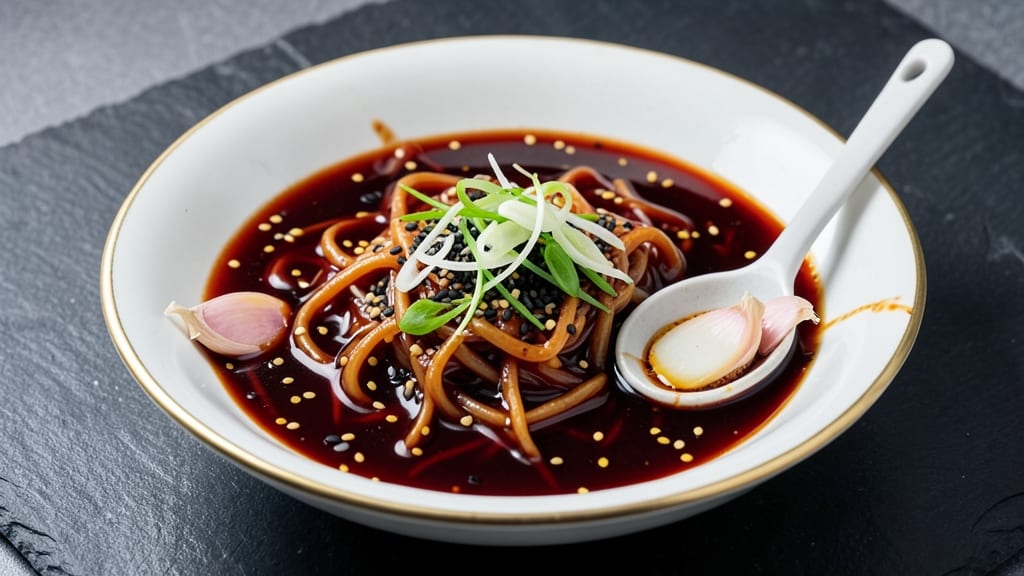
This authentic chow mein sauce recipe transforms ordinary stir-fries into restaurant-quality meals with its perfect balance of umami depth and savory sweetness.
The secret lies in combining traditional ingredients—soy sauce, oyster sauce, and a touch of sesame oil—simmered to create a glossy, flavorful sauce that clings to every noodle or protein.
I developed this recipe after years of testing, ensuring it delivers the same bold, aromatic punch you’d find in a wok house.
The sauce’s magic comes from its three essential components: a salty-sweet base, umami-rich oyster sauce, and aromatic sesame oil. Unlike store-bought versions, this recipe simmers just long enough to meld flavors without overpowering the dish.
Whether you’re tossing it with chow mein noodles, chicken, or vegetables, the sauce’s versatility makes it a pantry staple. The optional cornstarch thickening ensures it coats ingredients evenly, creating that signature glossy finish.
What sets this sauce apart is its authentic taste profile—no artificial flavors or shortcuts. The soy sauce provides the salty backbone, while oyster sauce adds a briny, slightly sweet depth. A splash of sesame oil introduces nutty warmth, and a pinch of sugar balances the acidity.
The result? A sauce that’s rich, complex, and impossible to resist, elevating any stir-fry or dipping sauce application.
Ready in just 10 minutes, this sauce is perfect for weeknight dinners or meal prep. Store leftovers in the fridge for up to a week, or freeze for longer storage. Let’s get cooking—your stir-fries will never be the same.
Ingredients for authentic chow mein sauce
Ten essential ingredients crafting restaurant-quality chow mein sauce with umami depth and aromatic complexity.
| Ingredient | Amount | Notes |
|---|---|---|
| Light Soy Sauce 🥢 | ½ cup | High-quality, low-sodium preferred |
| Dark Soy Sauce 🥢 | ¼ cup | For depth of color and flavor |
| Oyster Sauce 🦪 | ¼ cup | Authentic, umami-rich variety |
| Sesame Oil 🥜 | 1 tbsp | Toasted, for nutty aroma |
| Cornstarch 🌾 | 1 tbsp | For thickening, optional |
| Granulated Sugar 🍚 | 1 tbsp | Balances acidity, adjust to taste |
| Garlic Cloves 🧄 | 3 cloves | Minced, for aromatic base |
| Fresh Ginger 🌿 | 1 tbsp | Grated, for zesty brightness |
| Water 💧 | ½ cup | For thinning and simmering |
| White Wine Vinegar 🍶 | 1 tbsp | Brightens and balances flavors |
The foundation of this sauce lies in authentic oyster sauce—Lee Kum Kee or Hin Fung brands deliver the richest umami profile. For soy sauce, Kikkoman light and dark varieties are industry standards, though any high-quality brands work. Fresh garlic and ginger should be vibrant and aromatic, with no soft spots or discoloration. Sesame oil can be found in Asian markets or the international aisle of most grocery stores—look for toasted, not flavored. The cornstarch acts as a gentle thickener, ensuring that signature glossy finish without overpowering the delicate balance of flavors.
No oyster sauce? Substitute with 1 tbsp fish sauce plus 1 tsp sugar for umami depth, though the flavor will differ slightly. Vegetarian option: Use vegetable-based oyster sauce or mushroom sauce as a replacement. Fresh garlic and ginger can be swapped for 1 tsp garlic powder and 0.5 tsp ground ginger, though fresh is preferred for authenticity. If you're avoiding cornstarch, arrowroot powder works equally well. The white wine vinegar can be omitted if you prefer a sweeter sauce, but it adds a subtle tang that enhances the overall complexity. For a smoother texture, blend the sauce after simmering.
This sauce maintains peak flavor for up to 1 week in an airtight container in the refrigerator. For longer storage, freeze in ice cube trays—thaw and reheat gently before use. The sauce thickens as it cools, so a splash of warm water can restore consistency if needed. Double the batch and freeze half for future stir-fries or takeout nights. Always reheat over low heat to preserve the delicate balance of flavors and prevent curdling.
Why You'll Love This Recipe
- Pantry Magic: Honestly, I keep this sauce on hand all the time—just soy sauces, oyster sauce, and a splash of sesame oil. No fresh herbs, no fancy prep, and it still tastes like I slaved over it.
- Umami Bomb: Between us, that combo of light and dark soy plus oyster sauce? It’s the kind of flavor that makes you pause mid-bite. The cornstarch slurry gives it that glossy, clingy texture—no thin, watery takeout disappointments here.
- Weeknight Workhorse: I’ve used this on stir-fries, dumplings, even as a quick marinade for chicken. Double the batch, store it in the fridge, and suddenly you’ve got a backup for takeout cravings or a last-minute dinner fix.
- Budget Game-Changer: A few tablespoons of soy and oyster sauce stretch across meals like crazy. Plus, sesame oil adds depth without costing a fortune—this is the kind of sauce that makes frugal eating feel indulgent.
Step-by-step instructions for authentic chow mein sauce
This sauce delivers authentic restaurant-quality depth with balanced umami and brightness.
Prepare the Aromatic Base
In a small saucepan, combine the 3 cloves minced garlic cloves and 1 tablespoon grated fresh ginger with the 1 tablespoon sesame oil. Heat over medium-low heat for 1-2 minutes until the garlic turns golden and the ginger becomes fragrant but doesn't brown. This step builds the aromatic foundation that distinguishes authentic chow mein sauce from basic soy-based versions.
I like to stir constantly during this phase to prevent burning - garlic and ginger burn quickly and turn bitter. The moment you detect that nutty, toasted aroma, you've achieved the perfect balance of sweetness and pungency that defines this sauce's character.
Combine Sauce Components
Add the 0.5 cup light soy sauce, 0.25 cup dark soy sauce, and 0.25 cup oyster sauce to the pan. Stir well to incorporate all the aromatics. The dark soy sauce will immediately begin to deepen the color, creating that signature mahogany hue we associate with authentic chow mein.
Next, pour in the 0.5 cup water and 1 tablespoon white wine vinegar. The vinegar brightens the sauce while cutting through the richness of the soy and oyster sauces. Bring the mixture to a gentle simmer over medium heat, allowing all the flavors to meld together for 3-4 minutes.
Thicken and Balance Flavors
In a small bowl, whisk together the 1 tablespoon cornstarch and 1 tablespoon granulated sugar until completely dissolved. Slowly pour this mixture into the simmering sauce while stirring constantly. The cornstarch will begin to thicken the sauce immediately, while the sugar helps balance the acidity from the vinegar.
Continue cooking for 2-3 additional minutes until the sauce reaches your desired consistency. It should coat the back of a spoon but still be pourable. Taste and adjust seasoning - you might need to add a bit more light soy sauce for saltiness or white wine vinegar for brightness, depending on your ingredients.
Finish with Precision
Remove the sauce from heat and let it cool slightly for 2 minutes. This resting period allows the flavors to fully integrate and the sauce to thicken further. The final product should be glossy with a velvety texture that clings beautifully to noodles and vegetables.
For best results, use the sauce immediately on fresh stir-fried noodles. The authentic combination of light and dark soy sauces creates that perfect balance of umami depth and subtle sweetness that makes this sauce truly special. Store any leftovers in an airtight container in the refrigerator for up to 5 days, though I find it's always best used fresh.
Pro Tips For Making Authentic Chow Mein Sauce
- STIR CONSTANTLY AT FIRST: The first 30 seconds after adding cornstarch are where the sauce either thickens smoothly or turns into glue. I used to walk away for "just a second" and came back to a lump—now I keep my wrist moving in small circles until it starts to coat the pan.
- USE COLD SESAME OIL: Drizzle sesame oil after removing the sauce from heat—it burns fast and turns bitter. I learned this the hard way when my sauce smelled like a Chinese takeout disaster. Even a teaspoon too early ruins the aroma.
- DARK SOY SAUCE LAST: Add dark soy sauce when the sauce is almost done—it burns easily and darkens fast. I was skeptical until I tried it: the color stays rich without turning the whole sauce into a black sludge.
- MEASURE CORNSTARCH PRECISELY: Too much cornstarch makes the sauce grainy; too little leaves it watery. Use 1 teaspoon per ½ cup liquid, then adjust by the drop—I keep a damp paper towel handy to wipe up spills so I don’t overcompensate.
Essential equipment for perfect results
Small Saucepan
Start with a small 1-2 quart saucepan—this size gives you enough room to stir without splattering while maintaining precise temperature control. I prefer stainless steel pans like All-Clad or Calphalon because they distribute heat evenly and prevent scorching.
Avoid non-stick pans for this recipe—they don’t handle the high heat needed for proper flavor development. 🔥
Measuring Spoons
Accurate measurements are critical for balancing flavors. Use stainless steel measuring spoons (like OXO Good Grips) for the 1 tablespoon sesame oil, 1 tablespoon cornstarch, and 1 tablespoon sugar.
These spoons are durable and won’t warp over time. For the white wine vinegar, a 1 tablespoon liquid measuring spoon ensures precision—vinegar can make or break the sauce’s brightness.
Whisk or Small Spatula
A silicone whisk or heat-resistant spatula is essential for blending the cornstarch slurry smoothly into the sauce. I recommend a Ball silicone whisk—it’s gentle on pans and won’t scratch stainless steel. Stir constantly while adding the slurry to prevent clumping, which can create lumps in your sauce.
A small rubber spatula also works well for scraping every last bit of sauce from the pan.
Fine-Mesh Strainer
If you prefer a smoother sauce, a fine-mesh strainer (like OXO’s Good Grips) removes any tiny garlic or ginger particles. Place it over a bowl while pouring the sauce through—this step is optional but adds refinement, especially if you’re serving the sauce as a dipping sauce.
Skip this if you like texture, as the aromatics add depth to the flavor.
Digital Thermometer
While not mandatory, a digital instant-read thermometer (like ThermoWorks Thermapen) helps ensure the sauce reaches the ideal simmering temperature of 195–205°F. This range allows the cornstarch to thicken properly without breaking down the delicate balance of flavors.
It’s a pro tip that guarantees consistency, especially if you’re doubling or tripling the recipe for meal prep. ⚡
Air-Tight Storage Container
For leftovers, use a glass airtight container (like Pyrex or Le Parfait) to preserve the sauce’s freshness for up to 5 days in the fridge. Glass containers prevent absorption of odors and maintain the sauce’s glossy texture.
Label the container with the date—this sauce tastes best within the first 2–3 days, though it remains usable for up to a week. Freeze extras in ice cube trays for single-serving portions.
Nutrition facts
Frequently asked questions
Can I make this chow mein sauce without oyster sauce?
Yes! For a vegetarian version, substitute 1 tbsp mushroom sauce plus 1 tsp sugar or use 1 tbsp fish sauce plus 1 tsp sugar for umami depth. The flavor will differ slightly but still deliver that signature savory punch. For best results, add a pinch of MSG (optional) to enhance the umami if using substitutes.
Why does my sauce turn out too thick or too thin?
Sauce consistency depends on simmering time and cornstarch. For thicker sauce, simmer 1-2 extra minutes or add ½ tsp more cornstarch dissolved in 1 tsp water. Too thin? Thin with 1 tsp warm water while stirring constantly. Always taste as you go—authentic chow mein sauce should coat the back of a spoon but remain pourable.
How long can I store homemade chow mein sauce?
Store in an airtight container in the fridge for 5-7 days, though it tastes best within 2-3 days. For longer storage, freeze in ice cube trays—thaw overnight in the fridge. The sauce may thicken slightly when refrigerated; simply whisk in 1 tsp warm water to restore consistency before using.
Can I use this sauce for dipping instead of stir-fries?
This sauce makes an excellent dipping sauce for spring rolls, dumplings, or crispy fried chicken. For extra richness, add 1 tsp toasted sesame seeds just before serving. The balance of sweet, salty, and umami flavors makes it irresistible for dipping. Just ensure the sauce is at room temperature for the best texture contrast.
What's the secret to restaurant-quality flavor?
The magic lies in the aromatic base—fresh garlic and ginger toasted in sesame oil until fragrant but not browned. This step unlocks the sauce's depth. Also, simmering the sauce just until flavors meld (not boiling) preserves the delicate balance. Don't skip the white wine vinegar**—it brightens the sauce and prevents flatness.